Skip to content
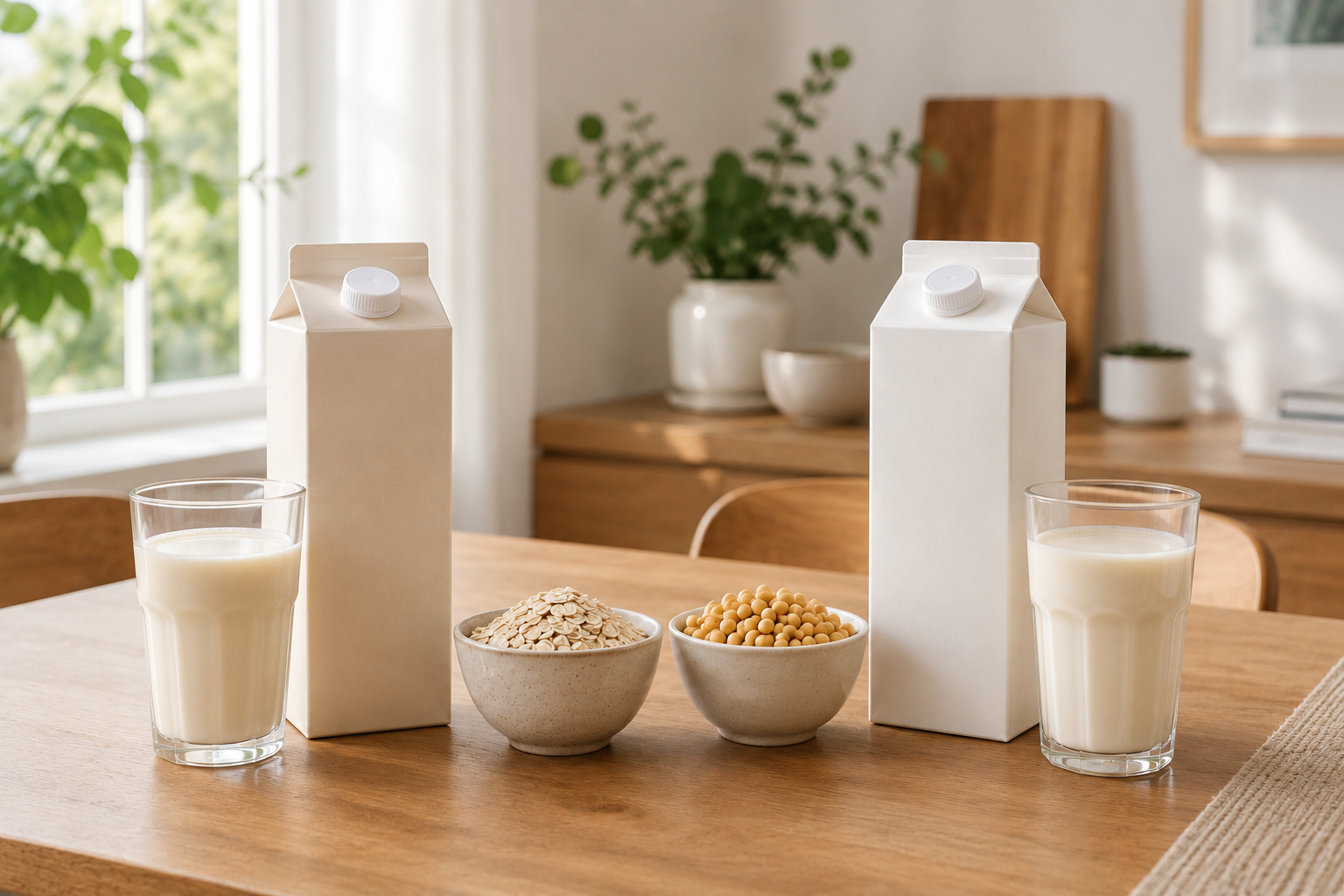
Plant based milks have taken grocery store shelves by storm across the United States. When families look to transition away from traditional dairy, two of the most popular contenders that always come up are soy milk and oat milk. Both options offer a unique set of benefits, whether you want a rich addition to your morning routine or a safe alternative for a sensitive stomach. Understanding the exact differences in soy milk vs oat milk will help you make the best choice for your kitchen pantry.
Quick Summary
Protein Content: Soy milk closely matches cow milk protein, while oat milk is significantly lower.
Carbohydrates: Oat milk contains higher natural starches and calories per serving.
Allergies: Oat milk serves as a great alternative for households managing soy or nut allergies.
Best Uses: Oat milk excels in hot coffee barista blends, while soy milk is ideal for fitness diets and toddlers.
For families interested in exploring other alternative milk options, many readers also compare camel milk nutrition to better understand how its protein, vitamin, and mineral profile differs from popular plant-based beverages.
Soy Milk vs Oat Milk: Quick Answer
If you want the short answer, soy milk is generally the better choice for overall nutrition because it contains significantly more protein, fewer carbohydrates, and fewer calories than oat milk. Oat milk, however, stands out for its naturally creamy texture, mild sweetness, and excellent performance in coffee. The better option depends on your goals, soy milk is ideal for higher protein intake and balanced nutrition, while oat milk is often preferred for taste, texture, and soy-free diets.
Quick Comparison: Soy Milk vs Oat Milk
| Feature | Soy Milk | Oat Milk |
|---|---|---|
| Calories | Lower ✅ | Higher |
| Protein | Higher ✅ | Lower |
| Carbohydrates | Lower ✅ | Higher |
| Fiber | Lower | Higher ✅ |
| Coffee Performance | Good | Excellent ✅ |
| Taste | Mild | Naturally Sweet ✅ |
| Weight Loss | Better Choice ✅ | Good |
| Toddlers | Recommended ✅ | Not Recommended as Primary Milk |
| Cholesterol | None | None |
| Sustainability | Excellent | Excellent |
👉 If you’re considering soy milk after this comparison, learn how to make soy milk at home with our complete step-by-step guide.
oat milk vs soy milk nutrition facts

Looking deeply into the specific macronutrients of each beverage highlights how differently these two plant milks behave in the human body.
Soy Milk Profile: Produced from a legume, which naturally packs the liquid with muscle building proteins and healthy dietary fats.
Oat Milk Profile: Created from a cereal grain, which naturally shifts its nutritional balance toward a higher carbohydrate and fiber count.
The following detailed table offers a complete structural comparison of soy milk vs oat milk calories per cup per 100g 100ml 250ml & 1 litre, alongside oat milk vs soy milk protein per cup per 100g 100ml 250ml & 1 litre.
| Serving Measurement Size | Soy Milk Calories | Oat Milk Calories | Soy Milk Protein | Oat Milk Protein |
| Per 100g / 100ml | 43 calories | 60 calories | 3.3 grams | 1.2 grams |
| Per One Cup Serving | 105 calories | 150 calories | 8.0 grams | 3.0 grams |
| Per 250ml Glass | 108 calories | 152 calories | 8.2 grams | 3.1 grams |
| Per 1 Litre Carton | 430 calories | 600 calories | 33 grams | 12 grams |
Analyzing these specific metrics shows that oat milk is consistently higher in energy density due to the native starches found in whole grains.
👉 According to the USDA FoodData Central database, plant-based milk alternatives can vary significantly in calories, protein, carbohydrates, and fat depending on the source ingredient and product formulation.
To understand the foundational nature of this beverage before exploring its sweeteners, you can learn more about what is soy milk in our introductory guide.
Soy or Oat Milk for Weight Loss Goals
When planning a calorie conscious diet, choosing between soy milk or oat milk for weight loss depends heavily on your overall macronutrient targets.
Calorie Efficiency: Unsweetened soy milk is inherently lower in total calories and carbohydrates, which prevents sudden insulin spikes.
Satiety Levels: The high protein structure of soy helps suppress hunger signals efficiently over longer periods.
Commercial Additives: Oat milk brands often contain hidden rapeseed or sunflower oils to create a thicker texture, increasing the overall calorie count.
Based on USDA data, a single cup of unsweetened soy milk delivers less than half the total carbohydrate load of a similar glass of oat milk. You can evaluate these specific caloric values because according to nutrition information published by the USDA, unsweetened soy milk provides a highly balanced profile of low carbohydrates and high protein.
To see how the natural macronutrients of this bean look without any additives, you can review our full guide on soy milk nutrition.
Sugar Content Comparison
When comparing soy milk vs oat milk, unsweetened soy milk generally contains less total sugar and fewer carbohydrates than unsweetened oat milk. Oat milk often tastes naturally sweeter because its production process converts some oat starch into simple sugars.
If reducing sugar intake or managing blood sugar is one of your priorities, unsweetened soy milk is typically the better choice. However, the exact sugar content varies between brands, so checking the Nutrition Facts label remains the most reliable way to compare products.
👉 If you want a detailed explanation of naturally occurring sugar, added sugar, and how different soy milk varieties compare, read our complete guide on does soy milk have sugar.
Essential Micronutrients: soy vs oat milk calcium and cholesterol
Protecting bone development and heart health is a major priority for parents managing a busy household.
Fortification Needs: In their raw states, neither of these plant beverages naturally contains a high amount of bone building minerals. Food manufacturers fortify both liquids with essential vitamins to match traditional dairy.
Cardiovascular Health: Oat milk vs soy milk cholesterol is an easy tie because all plant based milks are naturally one hundred percent cholesterol free.
Heart Support: Soy milk contains unique plant compounds known as isoflavones, which actively support optimal blood pressure levels.
The FDA recommends that consumers check the daily value percentages on the nutrition label to ensure their plant milk provides adequate mineral support. You can read about fortification practices as the FDA states that checking the calcium percentage helps parents meet the recommended daily nutrient requirements for growing children.
👉 If you want to check the specific advantages of other dairy alternatives, you can read our comparison on camel milk vs other milks.
Household Practicalities: Price and Environmental Impact
Managing a family kitchen requires balancing a realistic grocery budget with a desire to make sustainable, eco friendly choices.
Price Metrics: The soy milk vs oat milk price is usually very comparable on grocery shelves. However, soy milk occasionally drops a bit lower in cost because soy bean agriculture is highly established and subsidized across the United States.
Water Usage: Soy milk requires very minimal water to produce, making it an exceptionally sustainable crop for modern agricultural conservation.
Land & Energy: Oat milk uses a small amount of land resources, though the industrial milling process of grain can require slightly more energy than simple bean processing.
👉 For parents who want to monitor the health benefits of these major brands beyond their sugar levels, you can explore our analysis on is soy milk good for you.
Kitchen Performance: oat milk vs soy milk in coffee and taste

The way a plant milk behaves in hot beverages is a crucial factor for parents who look forward to a peaceful morning cup of coffee.
Texture in Coffee: Oat milk vs soy milk in coffee performance reveals that oat milk is the clear winner. The natural starches allow it to froth beautifully, creating a thick, luxurious foam that resists curdling.
Soy Milk Tendency: Soy milk can sometimes separate or curdle when poured directly into highly acidic hot coffee blends.
Taste Profile Comparison: Oat milk features a naturally sweet, familiar grain flavor very similar to oatmeal. Soy milk carries a much more neutral, slightly nutty, and bean like flavor.
If you are curious about the flavor profiles of other animal milks, you can check our detailed guide on what does goat milk taste like.
Soy Milk vs Oat Milk: Storage and Shelf Life
Proper storage plays an important role in maintaining the quality, freshness, and food safety of both soy milk and oat milk. Although these plant-based beverages are made from different ingredients, their storage recommendations are very similar. Whether you purchase shelf-stable cartons or refrigerated varieties, following the correct storage guidelines helps preserve taste, texture, and nutritional quality.
The table below compares the basic storage and shelf-life recommendations for soy milk and oat milk.
| Storage Comparison | Soy Milk | Oat Milk |
|---|---|---|
| Best Refrigerator Temperature | 40°F (4°C) or below | 40°F (4°C) or below |
| Unopened Shelf-Stable Carton | Store in a cool, dry pantry until the printed best-by date | Store in a cool, dry pantry until the printed best-by date |
| Unopened Refrigerated Carton | Keep refrigerated until the expiration date | Keep refrigerated until the expiration date |
| After Opening | Refrigerate immediately and consume within 7–10 days | Refrigerate immediately and consume within 7–10 days |
| Freezing | Can be frozen, but texture may separate after thawing | Can be frozen, but texture may separate after thawing |
Overall, soy milk and oat milk have nearly identical storage requirements. The main difference usually comes from the manufacturer’s packaging rather than the type of plant milk itself. For the best quality, always keep opened cartons refrigerated, store them tightly sealed, and follow the storage instructions printed on the package.
👉 Want the complete storage rules, freezer recommendations, spoilage signs, and shelf-life details? Read our complete guide on Soy Milk Storage & Shelf Life Guide.
Soy Milk vs Oat Milk for Cooking and Baking
Beyond drinking them straight, both plant milks perform differently in everyday recipes.
Soy milk works especially well in:
- Smoothies
- Soups
- Cream sauces
- Protein shakes
- Savory cooking
Oat milk is commonly preferred for:
- Coffee drinks
- Pancakes
- Muffins
- Cakes
- Creamy desserts
- Overnight oats
Because oat milk has a naturally thicker texture, it often creates a richer consistency in baked goods and beverages. Soy milk, on the other hand, provides more protein, making it a practical ingredient for recipes where nutritional value is a priority.
Digestibility and Allergy Considerations
Both soy milk and oat milk are naturally lactose-free, making them suitable for people with lactose intolerance. However, they differ when it comes to food sensitivities.
Soy milk should be avoided by individuals with a soy allergy. Oat milk is often a suitable alternative, although people with celiac disease or gluten sensitivity should choose products specifically labeled as certified gluten-free to avoid possible cross-contamination during processing.
Choosing the right option depends on your personal dietary needs rather than nutritional value alone.
Special Populations: Toddlers, Women, and Pregnancy Safety
Introducing plant based milk to young children or managing maternal diets requires careful attention to active growth milestones.
Toddler Development: When evaluating oat milk vs soy milk for toddlers, pediatricians emphasize that soy milk is the only plant alternative suitable for replacing cow milk after age one due to its dense protein profile.
Pregnancy Nutrition: Oat milk vs soy milk for womens & pregnency safety shows that soy milk offers excellent health advantages like natural folate and dense plant protein to support fetal tissue growth.
Maternal Digestion: Oat milk provides helpful dietary fiber to ease pregnancy related digestion issues but lacks the essential protein structure found in soy.
The American Academy of Pediatrics (AAP) explains that plant alternatives must be selected carefully to prevent nutritional deficiencies in young children.
👉 To understand how other specialized milk options look from a nutritional standpoint, you can check our breakdown on raw milk nutrition.
Who Should Choose Soy Milk or Oat Milk?
Both beverages have advantages, but one may suit your lifestyle better than the other.
Soy Milk May Be Better If You:
- Want a high-protein dairy alternative
- Are trying to lose weight
- Follow a fitness-focused diet
- Need a cow’s milk alternative for toddlers over one year of age
- Prefer fewer carbohydrates
Oat Milk May Be Better If You:
- Prefer a naturally sweet taste
- Enjoy coffee or espresso drinks
- Need a soy-free alternative
- Like a creamier texture
- Frequently use plant milk in baking
Choosing the right beverage depends on your nutritional priorities, dietary restrictions, and personal taste preferences.
Final Verdict: Which Is Better?
For overall nutrition, soy milk is the better choice because it provides significantly more protein, fewer carbohydrates, and fewer calories while closely matching the nutritional profile of dairy milk. It is particularly well suited for growing children, active adults, and anyone looking to increase protein intake.
Oat milk remains an excellent option for people who prioritize taste, creamy texture, or coffee performance, and it is a practical alternative for individuals who cannot consume soy.
Ultimately, neither beverage is universally better. The healthiest choice depends on your dietary goals, nutritional needs, and personal preferences.
👉 Still deciding? Explore our complete guides on Soy Milk Benefits and Oat Milk Benefits to better understand the health advantages of each plant-based milk before making your choice.
Why Trust Fooder Ghor?
At Fooder Ghor, we provide educational resources focused on understanding the safe use, handling, and storage of different types of milk, including breast milk, cow’s milk, goat milk, and raw milk, based on publicly available guidance from trusted sources such as the CDC, FDA, USDA, and AAP. Some milk-related articles, particularly those involving maternal and infant feeding topics, are reviewed for clarity and presentation by nursing students with academic training in maternal and child health to help make information easier to understand. This content is provided for learning purposes only and does not offer medical advice.
Frequently Asked Questions About Soy and Oat Milk
A: Soy milk is generally healthier for standard nutrition because it offers significantly more protein and fewer calories than a standard glass of oat milk.
A: No, oat milk lacks the necessary protein and healthy fats required for primary toddler development, so fortified soy milk is the preferred option.
A: Yes, even unsweetened oat milk contains more carbohydrates and natural sugars than plain soy milk due to the natural breakdown of grain starches during production.
Conclusion
So, when looking at soy milk vs oat milk, the final choice depends entirely on your family’s specific health goals and kitchen preferences. Soy milk serves as a protein packed, low calorie, and pediatrician approved option that is excellent for weight loss and growing toddlers. Oat milk provides a sweet, creamy flavor profile that performs beautifully in morning coffee and serves as a safe haven for soy sensitive households.
👉 After deciding which plant milk fits your pantry, you can read our final guide on oat milk nutrition to master your grocery choices.