Skip to content

Soy milk has become a popular dairy alternative in many homes across the United States. Many families use this because it offers a creamy texture, versatile kitchen uses, and a family-friendly nutrient profile. If you are a parent looking at non-dairy options, you might wonder what is soy milk and what is in soya milk exactly. Understanding its production, varieties, and culinary behaviors can help you make a helpful and balanced choice for your household.
In this comprehensive pillar guide, we will explore everything you need to know about this classic plant-based beverage. We will break down its ingredients, taste profiles, color variations, and pasteurization rules based on official safety standards.
What You Will Learn in This Guide
A simple and clear definition of traditional and modern soy milk varieties.
A complete breakdown of soy milk ingredients, including popular store brands.
Detailed descriptions of how different types of soy milk taste in daily use.
Practical ideas on what is soy milk used for in everyday cooking.
What is Soy Milk?
Soy milk is a traditional plant-based beverage made by soaking, grinding, and boiling whole soybeans in water. In simple terms, it serves as a nutritious fluid that looks and behaves much like traditional dairy milk in everyday recipes. For most people, it is a familiar and reliable alternative to cow milk because it naturally contains a high amount of plant protein.
The beverage originates from traditional Asian culinary practices but has evolved into a major American kitchen staple over the last few decades. The basic liquid contains water and extracted soy proteins, which gives it a distinctively rich and creamy texture. Many parents prefer it because it provides a quick option for children who cannot consume lactose or dairy products.
👉 For parents interested in preparing fresh plant-based beverages from scratch, it can also be helpful to learn how to make soy milk at home using simple ingredients and kitchen tools.
What Food Group is Soy Milk In?
Soy milk is officially classified under the Dairy Group within the United States Department of Agriculture dietary guidelines. According to nutrition information published by the USDA, fortified soy milk is the only plant-based beverage recognized as part of the dairy food group because its nutritional profile closely mirrors cow milk.
This classification is a very helpful thing to know for parents planning balanced family meals. Regular plant milks often lack the essential vitamins and minerals found in animal milk, but this beverage is treated differently due to its high protein content. It provides a reliable and convenient option for meeting daily dairy serving requirements without using actual animal products.
Understanding Different Types of Soy Milk
Types of Soy Milk at a Glance
| Type | Best For |
|---|---|
| Fortified | Everyday Nutrition |
| Barista | Coffee |
| Aseptic | Pantry Storage |
| Organic | Organic Lifestyle |
| Black Soy | Traditional Recipes |
| Fermented | Specialty Foods |
What is Fortified Soy Milk?
Fortified soy milk is a commercial beverage that has added vitamins and minerals to boost its overall nutritional value. For example, manufacturers often add calcium, vitamin D, and vitamin B12 to ensure it matches the nutrient levels of standard cow milk. The FDA encourages consumers to check the Nutrition Facts label and choose fortified soy beverages to get adequate micronutrients from plant-based options, as only fortified soy is included in the dairy group per the Dietary Guidelines.
👉 Proper storage remains just as important as nutritional fortification, which is why many families also explore guides explaining how long does soy milk last after opening and during refrigeration.
What is Barista Soy Milk?
Barista soy milk is a specially formulated version designed to handle the high heat and acidity of coffee drinks. It usually contains natural stabilizers that prevent the liquid from separating or curdling when mixed with hot espresso. This makes it a popular choice in many homes for creating smooth, cafe-quality morning beverages.
To see how this compares to other options, look at our upcoming guide on soy milk vs oat milk.
What is Aseptic Soy Milk?
Aseptic soy milk refers to liquid that has been processed under ultra-high temperatures and sealed in sterile, airtight packaging. This specific packaging allows the unopened carton to remain shelf-stable at room temperature for several months. It is an easy option to store in your pantry until you are ready to open and refrigerate it.
👉 For helpful tips on transporting drinks without refrigeration, read our guide on how to store breast milk on the go.
What is Black Soy Milk?
Black soy milk is a traditional beverage made from black soybeans instead of the standard yellow ones. It often carries a slightly richer and nuttier flavor compared to regular versions, and it contains naturally occurring antioxidants in the dark bean skins. It is a traditional ingredient that is growing more popular in modern healthy kitchens.
What is Fermented Soy Milk?
Fermented soy milk is a liquid that has been treated with beneficial bacterial cultures, similar to how traditional yogurt or kefir is made. This process creates a slightly tart flavor and breaks down some of the complex sugars, making it an easy option to digest for sensitive stomachs. It is commonly found in specialty health food stores.
What is Organic Soy Milk?
Organic soy milk is made from certified non-GMO soybeans that are grown without the use of synthetic pesticides or chemical fertilizers. Many families use this option because they want a simpler and more natural ingredient profile for their children. It offers the same creamy texture and mild flavor as conventional options while meeting strict organic farming standards.
Soy Milk Ingredients: A Complete Breakdown
The foundational elements of any basic soy milk are incredibly simple, consisting primarily of filtered water and whole soybeans. However, commercial varieties frequently include small amounts of added ingredients to improve shelf life, maintain texture, and enhance flavor profiles. What acid is in soy milk naturally includes phytic acid, which is a organic compound found in all plant seeds and beans.
To help you choose the best brand for your kitchen, here is a detailed look at popular store-bought options.
Brand Comparison Table
| Brand Variety | Core Ingredients | Added Stabilizers & Sweeteners |
| Silk Soy Milk | Filtered Water, Whole Soybeans | Cane Sugar, Gellan Gum, Sea Salt |
| Silk Unsweetened | Filtered Water, Whole Soybeans | Vitamin Blend, Gellan Gum, Sea Salt |
| Aldi Organic | Organic Water Base, Organic Soybeans | Organic Cane Sugar, Sea Salt, Gellan Gum |
| Alpro Soya Milk | Water, Hulled Soybeans | Sugar, Fructose, Sea Salt, Gellan Gum |
| Barista Soy Milk | Water, Shelled Soybeans | Dipotassium Phosphate, Sea Salt, Gellan Gum |
| Bonsoy Soy Milk | Purified Water, Organic Soybeans | Tapioca Syrup, Job’s Tears, Sea Salt |
| Chocolate Soy Milk | Water, Soy Protein Isolate | Cane Sugar, Cocoa Powder, Natural Flavors |
| Costco Soy Milk | Organic Soy Base, Organic Soybeans | Organic Cane Sugar, Sea Salt, Carrageenan |
| Vanilla Soy Milk | Filtered Water, Whole Soybeans | Cane Sugar, Natural Vanilla Flavor, Sea Salt |
According to the FDA Nutrition Facts Label guidance, reviewing ingredient lists can help consumers identify added sugars, stabilizers, and other components commonly found in packaged plant-based beverages.
👉 For families comparing different plant-based beverages, understanding the ingredient list is only one part of the picture, which is why many readers also explore detailed soy milk nutrition information before making everyday dietary choices.
Visual Characteristics: Soy Milk Color Explained
The natural color of soy milk can surprise people who are accustomed to the bright white appearance of standard cow milk. Regular unsweetened soy milk typically displays an off-white, light tan, or slightly yellowish hue. This natural tint comes directly from the pigmentation of the soybean hearts used during the extraction process.
The specific color of vanilla soy milk or chocolate varieties will change based on the added flavorings. Vanilla versions usually take on a slightly darker, warm cream appearance due to the inclusion of natural vanilla extracts. In general, a uniform, creamy color indicates that the liquid is well-blended and safe to use, whereas a deep gray or separated liquid suggests the product is no longer fresh.
👉 To see how visual spoilage markers compare across milk types, review our guide on what color is breast milk.
Taste Profiles: What Does Soy Milk Taste Like?

Everyday Flavor Profiles
The general taste of soy milk is often described as mild, creamy, and slightly nutty with a very subtle bean-like undertone. What does unsweetened soy milk taste like is more neutral and clean, which makes it incredibly useful for savory cooking, soups, and sauces. On the other hand, what does vanilla soy milk taste like is distinctly sweet and aromatic, making it a favorite for children’s snacks and morning smoothies.
Because every child responds differently to new foods and beverages, many parents also research potential soy milk side effects before making it a regular part of their family’s daily routine.
Commercial Brand Flavors
Different manufacturing methods can affect the final flavor profile quite significantly. For example, what does silk soy milk taste like is famously smooth and sweet, with almost no traditional chalky bean flavor. Similarly, what does alpro soya milk taste like is light and balanced, designed to blend seamlessly into traditional European breakfasts. For a richer treat, what does chocolate soy milk taste like mimics a traditional dairy milkshake with a deep cocoa flavor that masks the natural soy notes.
Comparing different milk flavors can also be helpful when exploring alternatives, which is why many readers become curious about what does goat milk taste like before trying a new dairy option.
Hot Beverage Behavior

Many people prefer using plant milks in their daily caffeine routines, but texture issues can sometimes occur. What does soy milk taste like in coffee depends heavily on the temperature and acidity of the brew. A regular soy milk might taste slightly acidic or earthy if it splits, but a proper barista blend provides a velvety, rich texture. Similarly, what does soya milk taste like in tea is pleasant and comforting, adding a smooth consistency without overpowering delicate herbal or black tea leaves.
What is Soy Milk Used For?
Soy milk is an incredibly versatile ingredient that functions beautifully in both sweet and savory recipes. In everyday cooking, it works exceptionally well in baking recipes like cakes, muffins, and pancakes because its protein structure behaves just like dairy. Many families use it as a base for morning oatmeal, breakfast cereals, and protein shakes.
It is also widely used in savory dishes like creamy potato soups, vegan white sauces, and homemade salad dressings. Because it has a richer texture than rice or almond milk, it can thicken sauces without requiring extra cornstarch or flour. It is a common pantry ingredient that helps home cooks create allergen-friendly meals for the entire family.
👉 To explore more dairy-free pantry staples, read our helpful overview on what is coconut milk.
Who May Choose Soy Milk?
Soy milk is a practical choice for many households, although the best option depends on individual dietary needs and preferences.
Soy milk may be suitable for people who:
- Prefer a plant-based beverage
- Cannot consume lactose-containing dairy
- Follow a vegan diet
- Want a versatile milk alternative for cooking and baking
- Need a protein-rich plant milk
Choosing the right milk should always depend on your nutritional needs, food allergies, and advice from your healthcare provider when necessary.
👉 If soy milk is not the best fit for your dietary preferences, you can also explore the health benefits of almond milk to learn about another popular plant-based alternative.
Processing Facts: Is Soy Milk Pasteurized?
Yes, all commercially available soy milk sold in US grocery stores is pasteurized to guarantee safety and shelf stability. Commercial food safety standards and USDA regulations require liquid plant products to undergo heat treatment to destroy potential pathogens and bacterial spores. This process involves heating the liquid to a specific temperature for a short duration, making it safe for daily consumption.
Pasteurized vs. Ultra-Pasteurized Varieties
Is Silk Soy Milk Pasteurized? Yes, it undergoes standard flash pasteurization to ensure it is clean and free of harmful microorganisms.
Is Silk Soy Milk Ultra Pasteurized? Yes, many shelf-stable Silk cartons are ultra-pasteurized (UHT), which allows them to sit safely in the pantry without refrigeration until opened.
Does Soy Milk Need to Be Pasteurized? Absolutely, raw or untreated soy liquid can harbor environmental bacteria and spoil within hours, making pasteurization an absolute necessity for commercial safety.
To understand how heat treatments affect other types of milk, check out our guide on pasteurized vs unpasteurized-milk.
What is Soy Milk Powder?
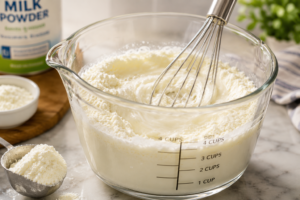
Soy milk powder is a dehydrated form of pasteurized soy milk created by removing most of its moisture through a spray-drying process. When mixed with water, it can be reconstituted into liquid soy milk and is commonly used for long-term storage, travel, baking, and emergency food supplies.
👉 Want to learn more? Explore our complete guide on What Is Soy Milk Powder to understand how it is made, its nutritional profile, storage, and everyday uses.
Final Verdict
Soy milk remains one of the most versatile plant-based beverages available today. From everyday breakfasts and baking to coffee and family meals, it offers a practical dairy alternative that fits a wide variety of lifestyles. Understanding how it is made, the different varieties available, and how commercial products are processed makes it easier to choose the right option for your household.
👉 If you’re exploring different plant-based milk options, you may also enjoy our complete guide on the health benefits of coconut milk to discover another popular dairy-free alternative.
Why Trust Fooder Ghor?
At Fooder Ghor, we provide educational resources focused on understanding the safe use, handling, and storage of different types of milk, including breast milk, cow’s milk, goat milk, and raw milk, based on publicly available guidance from trusted sources such as the CDC, FDA, USDA, and AAP. Some milk-related articles, particularly those involving maternal and infant feeding topics, are reviewed for clarity and presentation by nursing students with academic training in maternal and child health to help make information easier to understand. This content is provided for learning purposes only and does not offer medical advice.
Most Common Frequently Asked Questions
Yes, it is a wonderful option for baking because its fat and protein content closely resembles dairy milk, allowing you to use the exact same measurements.
You may find raw, unpasteurized soy liquid in small local Asian markets, but it must be boiled thoroughly at home and consumed within 2 days for safety.
This happens naturally because the high heat and acidity of coffee cause the plant proteins to clump together; using a low-acid coffee bean or a barista-grade blend will solve this issue.
No, the American Academy of Pediatrics (AAP) explains that whole cow milk and plant-based milks should not be introduced as a primary drink before 12 months of age.
Conclusion
So, what is soy milk? It is a nutritious, protein-rich dairy alternative made from soybeans and water that fits seamlessly into a modern family kitchen. Whether you are using fortified versions for daily breakfast, barista blends for your morning coffee, or shelf-stable options for convenience, it remains a reliable choice. Always check for proper pasteurization labels and look out for sensory signs of spoilage to ensure your family enjoys this classic beverage safely.
👉 If you want to expand your knowledge on popular alternative milks, read our complete guide on what is oat milk.