Skip to content



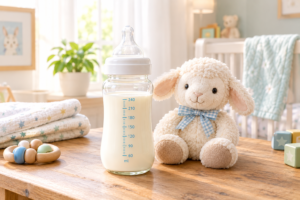
Goat milk formula storage requires strict temperature control, dry ambient powder conditions, and careful liquid bottle management to preserve essential baby nutrients and protect infant stomach safety. For most parents, keeping baby bottles fresh and preventing bacterial growth during daily nursery routines can feel like a major concern. In simple terms, understanding correct powder handling and liquid refrigeration timelines ensures every prepared bottle supplies maximum nutritional value.
In everyday formula feeding, following safe storage practices prevents unwanted spoilage and supports easy digestive wellness for your baby. In this guide, we will learn official goat milk formula storage guidelines, powder preservation techniques, room temperature limits, refrigeration rules, and clear spoilage signs so you can feed your infant safely.
Short Summary
Two Main Storage Methods: Unprepared powder requires dry room temperature storage, while prepared liquid milk requires quick cold refrigeration storage.
Freezing Warning: Freezing goat milk formula is strictly forbidden because extreme cold destroys lipid emulsions and breaks down essential nutrients.
Strict Powder Timelines: Sealed powder lasts until the manufacturer expiration date, while opened powder cans must be used within 30 days.
Liquid Bottle Safety: Prepared liquid bottles last up to 2 hours at room temperature, up to 24 hours in the fridge, and only 1 hour once feeding begins.
Clear Spoilage Signs: Rancid sour odors, clumping powder, severe liquid separation, and expired dates mean the formula has gone bad and must be discarded.
For a balanced overview of potential concerns related to goat milk, read our guide to goat milk side effects to understand possible digestive reactions, allergy concerns, and other nutritional considerations.
Goat Milk Formula Storage Guide
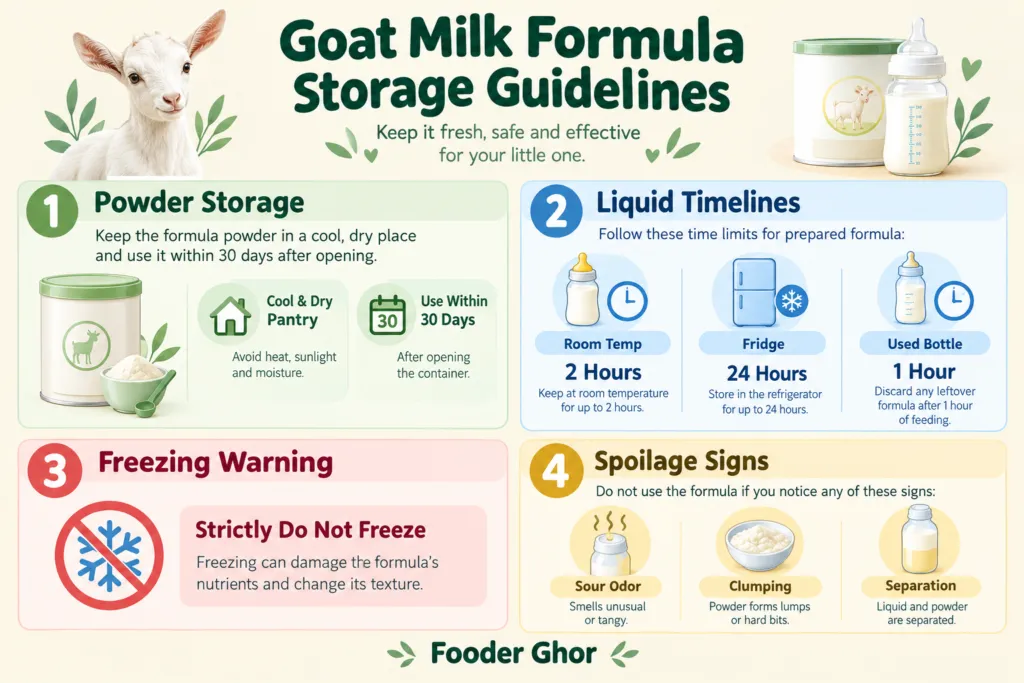
Goat milk formula storage involves keeping dry powder containers in cool pantry spaces and refrigerating prepared liquid bottles below 40°F to maintain nutrient quality and prevent harmful bacteria. In general, storing infant dairy properly protects delicate milk fats and added vitamins from thermal degradation.
For most people, keeping formula cans away from direct heat and moisture prevents clumping and bacterial growth. Research consistently demonstrates that following temperature rules keeps infant food safe and digestible.
| Storage Condition | Unprepared Powder Can | Prepared Liquid Bottle | Used Bottle (After Feeding Starts) |
| Dry Room Temperature (68°F to 75°F) | Up to 30 days (Once opened) | Maximum 2 hours | Maximum 1 hour |
| Cold Refrigeration (Below 40°F) | Strictly Do Not Refrigerate Powder | Maximum 24 hours | Discard immediately after 1 hour |
| Deep Freezer (Below 32°F) | Strictly Forbidden | Strictly Forbidden | Strictly Forbidden |
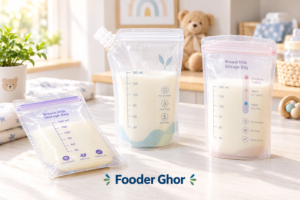
According to the CDC, prepared infant formula should be used within 2 hours of preparation, refrigerated immediately if it will not be used within that time, and used within 24 hours when refrigerated. Once feeding begins, discard any remaining formula after 1 hour. Opened powdered formula should be stored in a cool, dry place and generally used within 1 month, or according to the product label. To ensure complete kitchen organization for all infant feeding options, exploring our comprehensive guide on breast milk storage guidelines provides extra helpful safety standards.
Why Proper Goat Milk Formula Storage Is Crucial
Proper goat milk formula storage is crucial because unheated ambient liquid dairy creates an ideal environment for harmful bacterial growth like Cronobacter and Salmonella, which can cause severe infant gastrointestinal illness. For most parents, protecting an infant’s vulnerable immune system requires strict temperature management and air-tight powder isolation. In simple terms, incorrect temperature or moisture exposure breaks down delicate milk lipids, destroys bioavailable vitamins, and leads to early spoilage.
When formula is left in warm room temperatures or humid spaces, bacterial populations can double rapidly within minutes. Additionally, exposing dry powder to humidity causes clumping and nutrient degradation, rendering the formula less effective for infant development. Following official health guidelines ensures that every bottle remains biologically safe, highly digestible, and rich in essential nutrients.
To store milk safely and keep it fresh, explore our guide to best glass milk storage bottles to compare suitable bottle materials, sizes, and secure lids for everyday storage.
How to Store Goat Milk Formula
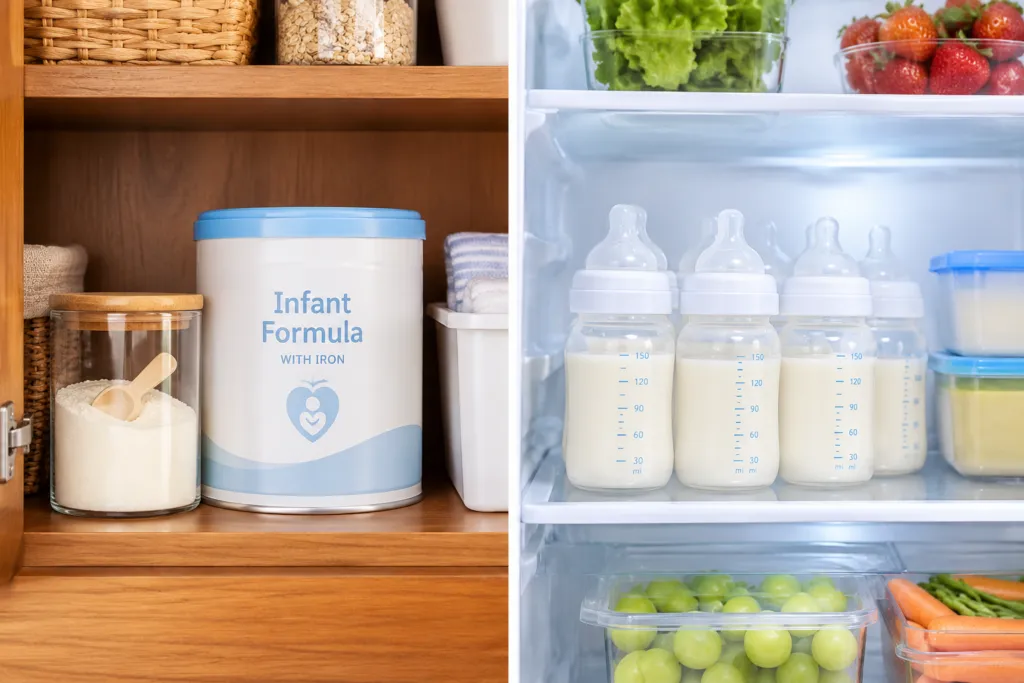
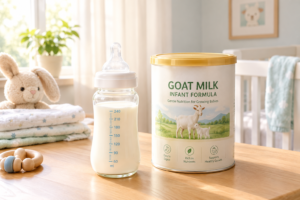
Goat milk formula is stored in two primary ways depending on whether it is dry unprepared powder kept at room temperature or mixed liquid milk stored inside a cold refrigerator. Understanding these two storage methods helps parents manage daily kitchen routines efficiently.
1. Dry Room-Temperature Storage
Unprepared dry formula powder should be kept in a cool, dry pantry between 55°F and 75°F away from direct heat, sunlight, and humidity to preserve nutrient quality. Keeping dry formula cans away from direct sunlight, stove heat, and humid air protects fragile milk proteins and prevents moisture from entering the container.
Never store dry powder inside a refrigerator because moisture condensation causes powder clumping and creates ideal conditions for mold growth. Always keep the plastic lid tightly closed after every scoop to maintain internal product freshness. For families who manage multiple dairy options, checking our resource on goat milk nutrition offers clear context regarding powder components.
2. Cold Refrigeration Storage
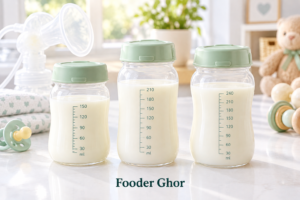
Mixed liquid formula must be refrigerated immediately at or below 40°F (4°C) on a back shelf to slow bacterial growth and maintain bottle freshness for up to 24 hours. Always place prepared bottles at the back of the refrigerator shelf where temperatures remain consistently cold rather than inside the door compartments.
Storing mixed bottles in cold temperatures slows down natural fat breakdown and keeps liquid milk fresh for up to 24 hours. Always ensure baby bottles are sealed with leak-proof travel caps to prevent foreign refrigerator odors from altering the milk flavor.
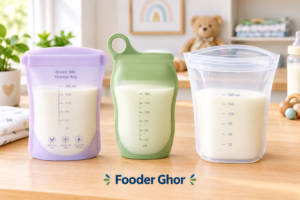
For safe and convenient storage of prepared milk and formula, explore our guide to best milk storage containers to compare suitable materials, sizes, and secure lids.
Can You Freeze Goat Milk Formula
Freezing prepared goat milk-based infant formula is not recommended because it can cause the formula’s components to separate and reduce product quality. According to the FDA’s infant formula safety guidance, freezing may cause different parts of infant formula to separate. The guidance does not establish that freezing automatically makes formula unsafe or prevents babies from absorbing nutrients.
For safety and quality, follow the storage instructions on the formula packaging and do not freeze prepared formula unless the manufacturer specifically directs otherwise. Store and use prepared formula according to the product label and applicable infant formula guidance.
If you want to store regular goat milk for later use, read our guide on how to freeze goat milk for practical freezing, thawing, and storage tips.
How Long Does Goat Milk Formula Last at Room Temperature
Goat milk formula shelf life at room temperature depends on whether the container is unopened in a pantry or opened and exposed to environmental oxygen and moisture.
Unopened at Room Temperature
Unopened infant formula should be stored in a cool, dry indoor place and used by the “Use By” date printed on the container. The manufacturer guarantees the formula’s nutrient content and quality only through that date. Avoid storing formula in areas exposed to high heat or moisture, such as vehicles, garages, or outdoor spaces.
Before purchasing or using a container, check for damaged packaging, rust, dents, bulging, or broken seals. According to the CDC’s infant formula storage guidance, unopened formula containers should be kept in a cool, dry indoor place, and formula should never be used after its “Use By” date.
If you want to understand how storage conditions affect regular cow’s milk, read our guide on how long does cow milk last for practical information about refrigeration and freshness.
Opened at Room Temperature
An opened can of dry formula powder lasts up to 30 days at room temperature when kept covered tightly with its plastic lid in a dark pantry cabinet. Once the protective foil seal is removed, exposure to oxygen and air moisture gradually degrades vitamins and fats over time.
Parents should write the opening date directly on the plastic canister lid using a marker to track the 30-day timeline accurately. Any remaining powder left after 30 days must be thrown away, even if the container still looks full. To compare how raw dairy shelf life behaves, reading our resource on how long does goat milk last provides extra temperature insights.
How Long Does Goat Milk Formula Last Once Mixed
Mixed goat milk formula lasts up to 24 hours in a cold refrigerator, up to 2 hours at room temperature unused, and up to 1 hour once bottle feeding begins.
In the Fridge
Mixed liquid formula lasts up to 24 hours in the refrigerator when placed in a sealed bottle maintained at a steady temperature below 40°F (4°C). Refrigeration stops microbial growth and preserves milk nutrients for structured daily bottle preparation.
If your baby does not finish a prepared bottle within 24 hours, discard the remaining liquid immediately.
At Room Temperature
Mixed unused formula lasts up to 2 hours at room temperature, but a bottle touched by an infant’s mouth lasts only 1 hour due to salivary bacterial introduction. After 1 hour of active feeding, throw away any remaining liquid milk in the bottle to prevent foodborne illness.
According to the CDC’s infant formula preparation and storage guidance, these time limits help reduce the risk of bacterial growth and protect infant health. If the formula will not be used within 2 hours of preparation, refrigerate it promptly at 40°F (4°C) or below and use it within 24 hours.
To explore the nutritional qualities of goat milk and what research says about its potential benefits, read our guide to goat milk health benefits.
How Long Does Goat Milk Formula Last After Expiration Date
Goat milk formula does not last past its expiration date and must be discarded immediately because nutrient potency degrades and bacterial safety cannot be guaranteed. The manufacturer cannot guarantee vitamin stability, mineral safety, or sterility past this marked date.
Feeding expired formula to infants increases the risk of severe stomach upset and nutritional deficiencies due to vitamin oxidation. Always dispose of expired cans safely, and never purchase discounted formula packages that have passed their official expiration date.
To compare goat milk’s nutritional content, including its protein, fat, vitamins, and minerals, read our guide to goat milk nutrition facts.
How to Tell If Goat Milk Formula Go Bad: Spoilage Signs
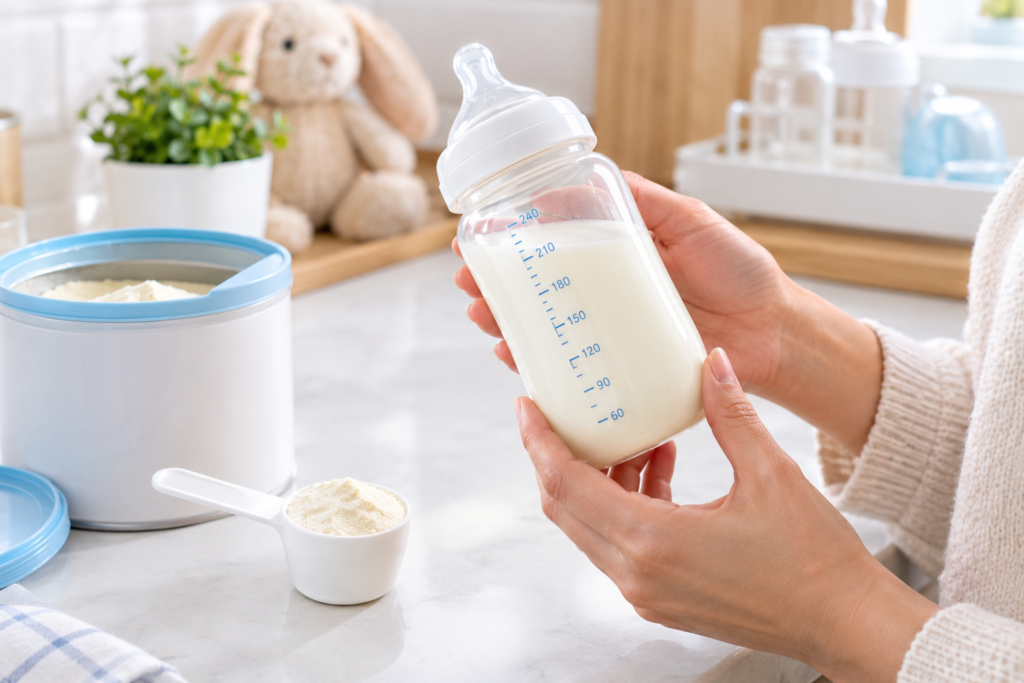
You can tell if goat milk formula has gone bad by checking for sour rancid odors, hard powder clumps, liquid separation, curdled textures, or expired package dates. Knowing how to identify these spoilage signs ensures your baby never consumes compromised milk.
Here are primary spoilage signs that indicate formula has gone bad:
Rancid or Sour Odor: Spoiled formula develops a sharp, sour, or metallic smell instead of its usual mild, sweet dairy aroma.
Clumping or Discoloration in Powder: Dry powder that forms hard clumps, yellow spots, or damp patches has been exposed to air moisture and must be discarded.
Severe Liquid Separation: Mixed liquid milk that separates into chunky layers or oily film even after thorough shaking has gone bad.
Curdled Texture: If prepared milk appears clumpy, curdled, or thick when poured, microbial activity has spoiled the product.
Infant Refusal or Discomfort: If your baby suddenly refuses a bottle or exhibits unusual fussiness and gas, inspect the formula immediately for spoilage.
To understand the potential nutritional benefits and possible drawbacks of goat milk-based infant formula, read our guide to goat milk formula benefits & side effects for a balanced overview of its benefits, limitations, and safety considerations.
Why Trust Fooder Ghor
At Fooder Ghor, we provide educational resources focused on understanding the safe use, handling, and storage of different types of milk, including breast milk, cow’s milk, goat milk, and raw milk, based on publicly available guidance from trusted sources such as the CDC, FDA, USDA, and AAP. Some milk-related articles, particularly those involving maternal and infant feeding topics, are reviewed for clarity and presentation by nursing students with academic training in maternal and child health to help make information easier to understand. This content is provided for learning purposes only and does not offer medical advice.
Frequently Asked Questions
A: An opened can of dry goat milk formula powder lasts up to 30 days at room temperature when stored tightly covered in a cool, dry pantry. If you’re comparing options for your child, explore our guide to the best goat milk formula for toddlers to compare available products and their features.
A: No, you should never reheat prepared formula a second time because repeated heating encourages bacterial growth and destroys delicate heat-sensitive vitamins.
A: No, freezing goat milk formula is strictly forbidden because it breaks fat emulsions and degrades milk proteins, making it unsafe for babies. If you want to store regular cow’s milk for later use, read our guide on how to freeze cow milk for practical freezing, thawing, and storage tips.
A: Goat milk formula powder has gone bad if it forms hard clumps, smells rancid, changes color, or passes its official expiration date.
A: A prepared goat milk bottle lasts up to 2 hours in a diaper bag at room temperature, or up to 4 hours if kept inside an insulated bag with frozen ice packs. For safe travel, keep prepared formula cold in an insulated cooler with ice packs and follow the storage instructions on the product label. You can also explore our guide to best goat milk powder brands to compare available products and their features.
A: Natural fat particles can float to the top over time, but if the milk separates into curdled clumps that do not blend when swirled, it has spoiled.
A: No, storing dry powder in the fridge causes humidity condensation inside the container, leading to powder clumping and rapid mold growth.
Conclusion
Understanding goat milk formula storage rules guarantees that your baby receives safe, fresh, and nutrient-dense nutrition at every feeding. By keeping dry powder in a cool, dark pantry, refrigerating prepared liquid bottles below 40°F, and obeying strict room temperature limits, you protect your infant’s digestive health. Always inspect bottles for spoilage signs and consult your pediatrician if you have questions regarding infant nutrition safety.
To learn more about alternative gentle dairy options for growing toddlers, check out our resource on what is goat milk formula to explore comprehensive ingredients and usage guides.
To compare larger-quantity options for different needs, explore our guide to best bulk goat milk powder for product features, package sizes, and buying considerations.
If you prefer goat milk powder from grass-fed sources, read our guide to best grass fed goat milk powder to compare available options and product details.