Skip to content


Why “On-the-Go” Breast Milk Storage Matters
For working and traveling moms, one of the biggest challenges is keeping breast milk safe and fresh while away from home. Whether you’re commuting, attending meetings, or flying across states, maintaining your baby’s nutrition depends on proper storage and temperature control.
This guide explains how to safely store and transport breast milk when you’re on the move — including pre-trip preparation, travel protocols, and real-world solutions for busy moms.
Quick Summary for Busy Moms
Breast milk can be safely stored on the go using insulated cooler bags with frozen gel packs. It stays safe for up to 24 hours in a cooler and up to 4 days in a fridge after travel. Always keep milk cold, avoid heat exposure, and use proper labeling for safety during commuting or travel.
This method also applies to anyone learning how to store pumped breast milk on the go during daily travel or commuting.
Preparing Before You Leave Home
Plan ahead — preparation is everything. Start by cleaning your hands and pump parts thoroughly before expressing milk. Use pre-sterilized, BPA-free storage bags designed specifically for breast milk.
Label each bag clearly with the date and time of expression. If your milk will be given to a caregiver or daycare, add your baby’s name too. Pack the bags in a small cooler with frozen gel packs, and always keep the lid closed to maintain a steady cold temperature.
If your trip involves long drives or layovers, identify stops where you can refrigerate or replace ice packs. Having a backup plan ensures your milk stays safe throughout the journey.
Proper preparation helps maintain milk safety during travel, but storage time still depends on temperature and conditions. To learn more, see our detailed guide on How Long Does Breast Milk Last?
Storing Breast Milk Without a Fridge While Traveling
Use an insulated cooler with frozen gel packs to keep breast milk cold for up to 24 hours without a fridge.
Details:
- insulated cooler mandatory
- keep away from sunlight
- avoid opening frequently
Use an insulated cooler with frozen gel packs to keep breast milk cold for up to 24 hours without a fridge, as recommended by the CDC breastfeeding storage guidelines.
Keep the milk away from direct sunlight and avoid opening the cooler frequently to maintain a safe, stable temperature during travel.
The Cooler Bag Rule: Timing and Temperature Limits
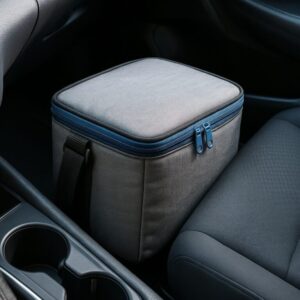
Room temperature milk (up to 77°F / 25°C) stays safe for about 4 hours, but it must be kept away from direct sunlight or heat.
When stored in an insulated cooler with frozen packs, milk remains safe for up to 24 hours — ideal for daily commutes or short trips.
Once you reach a refrigerator, milk can stay fresh for up to 4 days. For longer storage, freeze it immediately; in the freezer, it lasts 3–6 months.
Quick Fridge Transition Tip
Breast milk can be safely transferred to a fridge immediately after travel and stored for up to 4 days when kept at consistent cold temperature.
Details:
- transfer immediately after arrival
- avoid room temperature delay
- store at back of fridge (coldest area)
Overnight Breast Milk Storage While Traveling
Breast milk can be safely stored overnight in a fridge or insulated cooler with frozen ice packs maintaining cold temperature.
Details:
- fridge best option overnight
- cooler works if ice packs stay frozen
- avoid room temperature storage
However, once milk is warmed, its safe usage time changes significantly. Learn more in How Long Does Breast Milk Last After Warming? to avoid waste and ensure safety.
Protocol for Air Travel: Navigating TSA with Breast Milk
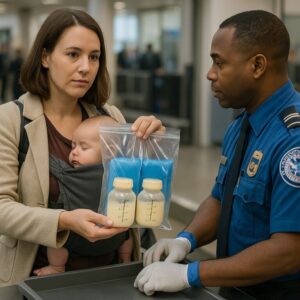
Air travel can be stressful for nursing mothers, but U.S. law protects your right to carry breast milk. According to the Transportation Security Administration (TSA), you may bring “reasonable quantities” of breast milk, formula, and ice packs in your carry-on bag, even exceeding the standard 3.4-ounce (100 mL) liquid limit.
You do not need to freeze breast milk — it’s allowed in liquid, partially frozen, or frozen form. Officers may ask to inspect it, but they cannot force you to discard it. Always inform the security agent that you’re carrying breast milk for your child.
To make screening smoother:
- Store milk in clear, sealed bags or bottles.
- Pack ice packs separately in case they’re inspected.
- Keep a printed TSA guideline copy handy in case of confusion.
Visit the official TSA page for breast milk travel rules for more details.
Pumping and Storing Milk at Work
For working moms, pumping during office hours requires both routine and organization. Choose a private, clean space and schedule pumping sessions every 3–4 hours to maintain supply.
Use a portable electric or hands-free pump for convenience, and transfer milk directly into pre-sterilized bags or bottles. Store them in an insulated cooler with frozen ice packs until you can refrigerate.
When you’re done for the day, keep milk bags upright during transport to avoid leaks. Once home, refrigerate immediately or freeze if you won’t use them within the next few days.
👉 For eco-friendly options, explore Best Non-Plastic Breast Milk Storage Solutions: Glass Jars, Silicone Bags, and Steel Containers (U.S. Guide 2025).
Common Breast Milk Storage Mistakes While Traveling
- Reusing disposable bags: Always discard after one use to prevent contamination.
- Mixing fresh and cold milk: Chill freshly expressed milk before combining with stored milk.
- Overfilling storage bags: Leave about one inch of space for freezing expansion.
- Opening the cooler too often: Every temperature change shortens milk’s safe lifespan.
- Leaving milk in warm cars:Even a few minutes of heat exposure can spoil it. as emphasized in the CDC breastfeeding storage guidelines on safe handling and temperature control.
Hygiene and Safe Handling Tips
Always wash your hands before pumping or transferring milk. Keep pump parts clean and dry between sessions. Never microwave breast milk — it destroys nutrients and creates dangerous hot spots.
When thawing frozen milk, place the sealed bag in a bowl of warm (not boiling) water or under warm running water. Gently swirl to mix the separated fat.
👉 For more detailed health guidelines, visit the CDC Breast Milk Handling and Storage Page.
Why Trust Fooder Ghor?
At Fooder Ghor, we provide educational resources focused on understanding the safe use, handling, and storage of different types of milk, including breast milk, cow’s milk, goat milk, and raw milk, based on publicly available guidance from trusted sources such as the CDC, FDA, USDA, and AAP. Some milk-related articles, particularly those involving maternal and infant feeding topics, are reviewed for clarity and presentation by nursing students with academic training in maternal and child health to help make information easier to understand. This content is provided for learning purposes only and does not offer medical advice.
Most Common Questions about Store Breast Milk on the Go
Up to 24 hours if the ice packs stay frozen and the bag remains sealed.
Yes, but only after both portions reach the same temperature.
No. Once thawed, milk must be used within 24 hours.
Yes. TSA explicitly allows liquid breast milk; freezing is not required.
Use double-zip storage bags or screw-lid containers, and keep them inside a waterproof pouch.
Conclusion: Confidence for Every Journey
“On-the-go” milk storage isn’t just about convenience — it’s about empowerment. Every mom deserves the confidence to travel, work, and live her day knowing her baby’s nutrition is safe and secure.
By following these methods — preparing ahead, maintaining temperature control, understanding TSA rights, and adopting safe pumping habits — you can move freely without stress.
👉 For more detailed storage and freezer strategies, check out our guide on How to Organize Breast Milk in Freezer? (Flat-Freezing & FIFO Guide). You’ll find easy ways to build your supply and simplify daily feeding routines.