Skip to content


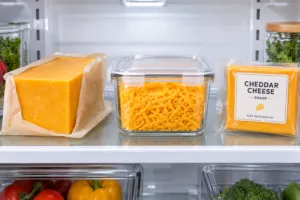
Cheddar cheese is one of the most popular dairy products in the United States, loved for its rich flavor and kitchen versatility. Many families keep it in their fridge for everyday cooking, melted sandwiches, and snack boards. But what is cheddar cheese, how is it made, and what gives it that distinct sharp flavor? In this detailed guide, we will explore everything about cheddar cheese, including its ingredients, natural components, pasteurization methods, color variations, and popular varieties.
In this comprehensive guide, we will cover what goes into making cheddar cheese and how it gets its creamy texture. You will learn about different aging stages, common varieties, and safe pasteurization standards set by food safety authorities. Whether you are curious about natural white cheddar or wondering if your favorite brand uses pasteurized milk, this helpful resource has all the answers you need for your kitchen.
Short Summary
Cheddar cheese is a firm cow’s milk cheese originating from Cheddar, England, made through a unique curd-stacking process.
Its taste ranges from mild and buttery when young to sharp, complex, and savory as it matures.
Naturally white or pale yellow, its color can be changed to bright orange using natural annatto seed dye.
Finished cheddar consists naturally of casein protein, milk fats, lactic acid, and key minerals like calcium and sodium.
Made from fresh milk, bacterial cultures, rennet, and salt, most commercial U.S. cheddar uses pasteurized milk for safety.
For practical tips on keeping cheddar cheese fresh, maintaining its texture, and extending its quality at home, see How to Store Cheddar Cheese for detailed storage guidance.
What Is Cheddar Cheese?

Cheddar cheese is a firm, aged cow’s milk cheese that originated in the English village of Cheddar and is known for its smooth texture and savory flavor. In simple terms, it is a dense dairy product crafted using a technique called cheddaring, where milk curds are repeatedly cut, stacked, and drained of whey before aging in controlled rooms.
For most people, cheddar is a familiar kitchen staple because it balances rich creaminess with a firm slicing texture. As it ages, moisture leaves the wheel, creating a firmer body and a sharper taste that works well in everyday cooking. Today, it remains one of the most widely consumed cheeses in American homes due to its convenience and versatile nature.
If you want to compare cheddar with another popular cheese, What Is Feta Cheese explains its origins, texture, ingredients, and key characteristics.
What Does Cheddar Cheese Taste Like?
Cheddar cheese tastes rich, creamy, and mildly salty when young, developing a sharp, tangy, and deeply savory flavor profile as it matures over time. Mild cheddar offers a soft, buttery flavor with a light finish, making it a family-friendly choice for kids and gentle palates.
In everyday cooking, young cheddar provides a smooth melt with a mild dairy taste that does not overpower other ingredients. Aged versions present a drier, slightly crumbly texture with subtle salt crystals that crunch pleasantly when bitten. The aging process allows natural enzymes to break down milk proteins, creating a complex taste profile ranging from sweet and milky to deeply sharp.
If you’re curious how cheddar’s flavor compares with a softer, milder cheese, What Does Cream Cheese Taste Like offers a helpful look at its creamy texture and tangy flavor.
What Color Is Cheddar Cheese?
Natural cheddar cheese is pale white or creamy yellow, but many commercial varieties appear bright orange due to added natural annatto seed extract. The orange hue does not occur naturally from milk but is an added vegetable dye that cheesemakers have used traditionally for centuries.
Historically, English cheesemakers added natural colorings to keep the cheese looking rich regardless of seasonal changes in cow diets. In modern kitchens, orange cheddar and white cheddar are virtually identical in taste, milk quality, and texture if aged for the same duration. The color difference is purely visual and does not alter the nutritional value or cooking performance of the cheese.
If you’re also curious about the natural appearance of another popular cheese, What Color Is Cottage Cheese explores its typical color and what can influence it.
What Is in Cheddar Cheese?
Cheddar cheese is naturally composed of concentrated casein proteins, milk fats, water, lactic acid, and trace minerals like calcium, phosphorus, and sodium. During fermentation, starter cultures convert lactose into lactic acid, which forms the core structure and tang of the finished cheese.
In many cases, consumers check ingredient labels to understand the natural composition of their finished dairy products. Proper aging reduces moisture levels while concentrating essential milk solids, healthy fats, and proteins into a compact slice. As a result, fully aged cheddar contains almost zero lactose, making it easier to digest for sensitive individuals.
For practical guidance on cheddar’s freshness, shelf life, and proper storage, see How Long Does Cheddar Cheese Last for detailed recommendations.
What Is Cheddar Cheese Made Of?

Cheddar cheese is made of four natural core ingredients: fresh cow’s milk, bacterial starter cultures, rennet enzymes, and salt, processed through coagulation and brief pressing. The production process begins by gently heating milk and introducing lactic acid bacteria to sour the liquids naturally.
After the curds form, cheesemakers cut them, drain the whey, and perform the traditional cheddaring steps to consolidate the solids. Salt is kneaded into the curds to control fermentation, enhance taste, and preserve the final cheese block. The curds are finally pressed into molds and aged anywhere from two months to several years to achieve the desired firmness.
USDA research explains that cheese production uses starter cultures and rennet enzymes to coagulate milk, followed by whey removal, salting, and aging that help develop the cheese’s texture and flavor.
For a practical step-by-step guide to making cheddar cheese at home, explore How to Make Cheddar Cheese at Home for detailed cheesemaking instructions.
Is Cheddar Cheese Pasteurized?
Many cheddar cheeses are made with pasteurized milk, but not all cheddar is pasteurized. The CDC lists hard cheeses such as cheddar made with pasteurized milk as a safer choice because pasteurization helps reduce the risk from harmful germs. Heat treatment during pasteurization provides a uniform texture, extends shelf life, and makes the cheese safe for general consumption.
For everyday cooking, pasteurized cheddar provides a reliable option for pregnant women, young children, and elderly family members. While some cheesemakers produce cheddar from raw milk, U.S. regulations require raw-milk cheese to be aged for at least 60 days under specified conditions. However, this aging period does not guarantee that all harmful pathogens are eliminated.
The CDC recommends choosing pasteurized milk and dairy products and identifies hard cheeses such as cheddar made with pasteurized milk as a safer choice. Pasteurization helps kill harmful germs, while raw-milk cheeses can still carry foodborne pathogens.
If you’re also interested in the potential dietary and health concerns associated with cheddar, explore Cheddar Cheese Side Effects for practical information on common considerations.
Does Cheddar Cheese Need to Be Pasteurized?
No, cheddar cheese is not always required to be made from pasteurized milk. Some cheddar may be produced from raw milk under applicable U.S. requirements, including aging requirements, but aging alone does not guarantee that harmful pathogens have been eliminated.
Pasteurized cheddar is generally considered a lower-risk choice because pasteurization helps kill harmful pathogens. Raw-milk cheddar can still carry foodborne pathogens even when it has been aged, so consumers should check the label and follow proper storage and handling practices. Understanding pasteurization methods helps consumers choose the best dairy products for their household needs.
The FDA notes that raw-milk cheese aged for 60 days may still contain harmful pathogens, so the aging period does not guarantee that foodborne illness risks have been eliminated.
For a closer look at the nutritional value and potential health considerations of cheddar, explore Cheddar Cheese Health Benefits for a detailed guide.
Types of Cheddar Cheese Pasteurization and Brands
Commercial cheddar products may be made with pasteurized or heat-treated milk, while some specialty cheeses are made from raw milk. Check the product label to determine whether a specific cheddar is made with pasteurized milk. Consumers can easily verify whether their favorite grocery brand uses pasteurized milk by checking product labels or brand safety guidelines.
Is Tillamook cheddar cheese pasteurized? Not all Tillamook cheddar is pasteurized. Tillamook states that several of its cheddar varieties are made with heat-shocked milk rather than fully pasteurized milk, so consumers should check the specific product.
Is aged cheddar cheese pasteurized? Aging does not determine whether cheddar is pasteurized. Some aged cheddar is made with pasteurized milk, while other varieties may be made from raw milk, so check the product label for the specific cheese.
Is Balderson cheddar cheese pasteurized? Yes, Balderson uses pasteurized milk to produce its widely popular Canadian aged cheddar varieties.
Is Waitrose cheddar cheese pasteurized? Many Waitrose cheddar products are made with pasteurized milk, but consumers should check the individual product listing or package label because pasteurization can vary by product.
The CDC recommends choosing pasteurized milk and dairy products because they are safer choices than products made with unpasteurized milk.
For a broader look at the potential risks and sensitivities associated with soft cheeses, explore Brie Cheese Side Effects for practical information.
What Are the Different Types of Cheddar Cheese?

Cheddar cheese comes in various types categorized by aging time, texture, fat content, flavor additions, and traditional preparation methods. These varieties allow home cooks to select mild, sharp, smoked, or light options tailored to their specific recipes and taste preferences.
Sharp cheddar cheese: Aged 6 to 12 months to deliver a sharp, tangy bite with a firm slicing consistency.
White creamy cheddar cheese: Prepared without annatto coloring, offering a smooth texture and pure dairy flavor.
Aged cheddar cheese: Cured for over a year, developing a drier, slightly crumbly texture and robust earthy flavor.
Longhorn style cheddar cheese: Formed into a smooth cylindrical shape, characterized by a mild flavor and mild colby-like appearance.
Marbled cheddar cheese: A blended combination of white and yellow curds pressed together into a decorative block.
Mild cheddar cheese: Aged for only 2 to 3 months, offering a gentle taste and exceptional melting performance.
Light cheddar cheese: Formulated with reduced fat content while preserving the classic cheddar flavor profile.
Smoked cheddar cheese: Infused with natural wood smoke to create a savory, campfire-inspired flavor.
Vintage cheddar cheese: Aged for two years or more, producing complex sharp flavors and delicate calcium crystals.
Yellow cheddar cheese: Colored naturally using achiote seed extract to produce a golden or orange look.
Full fat cheddar cheese: Made with whole cow’s milk for a rich mouthfeel and classic melting properties.
Sweet cheddar cheese: Crafted with cultures that introduce subtle sweet, fruity undertones along with natural tanginess.
For a broader look at another popular cheese, including its ingredients, texture, flavor, and common varieties, explore What Is Mozzarella Cheese for a detailed guide.
What Is Cheddar Cheese Used For?
Cheddar cheese is used for melting into warm dishes like macaroni and cheese, slicing for sandwiches, or shredding over salads and baked snacks. Its firm texture and rich flavor make it suitable for both casual home cooking and cold party appetizers.
Aged cheddar varieties shine when served cold on cheese boards, sliced onto sandwiches, or shredded over fresh green salads. Their sharp taste stands up well against hearty apples, pears, whole grain crackers, and cured meats. Whether grated into creamy soups or baked into homemade biscuits, cheddar remains an essential, versatile ingredient in kitchens across the country.
The current Dietary Guidelines for Americans include cheese as part of the dairy group and emphasize choosing nutrient-dense foods while considering overall dietary patterns and portion amounts.
For practical guidance on keeping soft cheeses fresh and maintaining their quality, explore How to Store Cream Cheese for detailed storage recommendations.
Why Trust Fooder Ghor?
At Fooder Ghor, we provide educational resources focused on understanding the safe use, handling, and storage of different types of milk, including breast milk, cow’s milk, goat milk, and raw milk, based on publicly available guidance from trusted sources such as the CDC, FDA, USDA, and AAP. Some milk-related articles, particularly those involving maternal and infant feeding topics, are reviewed for clarity and presentation by nursing students with academic training in maternal and child health to help make information easier to understand. This content is provided for learning purposes only and does not offer medical advice.
Frequently Asked Questions
White cheddar cheese retains the natural pale color of milk, while yellow cheddar includes natural annatto seed extract for color without changing the flavor.
Most store-bought cheddar cheese is pasteurized, but unpasteurized raw milk cheddar is allowed if aged for at least 60 days.
Cheddar cheese is made of cow’s milk, starter bacteria, rennet enzyme, and salt.
Sharp cheddar cheese is aged longer, allowing enzymes to break down proteins and fats, creating a stronger, tangier taste than short-aged mild cheddar.
The sharp flavor comes from lactic acid and compounds produced by starter cultures during months or years of aging.
Conclusion
So, what is cheddar cheese? It is a firm, versatile cow’s milk cheese made through traditional cheddaring methods and aged to perfection. From smooth mild blocks to sharp vintage varieties, cheddar offers rich flavor and impressive nutritional benefits for everyday family meals. Understanding its natural ingredients, pasteurization safety, and color options helps you make the best choices for your home kitchen.
For practical guidance on the shelf life and proper storage of soft cheeses, explore How Long Does Cream Cheese Last for useful storage recommendations.
If you’re also interested in the shelf life of another popular cheese, How Long Does Goat Cheese Last provides a helpful guide to keeping it fresh and safe.