 Skip to content


Mozzarella cheese is one of the most beloved culinary staples across American households, known for its smooth texture and incredible melting quality. Parents often rely on it for quick family meals, school lunchboxes, and homemade pizza nights. Understanding what mozzarella cheese is, how it is made, and the different varieties available can help you choose the best option for your kitchen table.
In this guide, we will explore the natural components of fresh mozzarella, its unique flavor profile, and essential pasteurization details. You will also learn about popular varieties ranging from fresh ovalini to non dairy mozzarella options for everyday cooking.
Short Summary
Mozzarella is a traditional Italian stretched-curd cheese made primarily from cow milk or water buffalo milk.
It features a mild flavor, milky aroma, and a naturally pale white to soft ivory color.
Key ingredients include milk, starter cultures, enzymes like rennet, and salt to form the curd structure.
Most commercially available mozzarella in the United States undergoes pasteurization for food safety.
Popular styles include fresh ovalini, shredded pizza mozzarella, smoked varieties, and plant-based vegan alternatives.
If you are curious about other classic cheese options for your home, you can read our detailed guide on what is brie cheese for everyday recipes.
What is Mozzarella Cheese?
Mozzarella cheese is a traditional Italian soft curd cheese created through a special hot water stretching process known as pasta filata. This preparation technique gives the cheese its unique springy texture and famous elasticity when melted over hot dishes.
The FDA provides federal food-labeling and identity requirements that apply to standardized food products, including certain cheeses. In everyday cooking, mozzarella serves as a versatile staple for pizzas, baked pasta dishes, and fresh salads.
If you are exploring different soft fresh cheeses for your family recipes, you might also enjoy reading our overview of what cottage cheese brings to balanced daily meals.
What Does Mozzarella Cheese Taste Like?
Mozzarella cheese tastes fresh, mild, and milky with a subtle creaminess and very low level of saltiness. Fresh water-packed versions taste exceptionally delicate, while low-moisture varieties offer a slightly firmer and more savory dairy profile.
Fresh Water-Packed Mozzarella: Mild, sweet cream flavor with a soft and juicy texture. Best for caprese salads and cold sandwiches.
Low-Moisture Mozzarella: Savory, milky tone with a springy and firm texture. Best for pizza toppings and baked pasta dishes.
Smoked Mozzarella: Earthy, rich aroma with a slightly dense texture. Best for specialty sandwiches and snack platters.
For a step-by-step guide to making fresh mozzarella at home, check out How to Make Mozzarella Cheese for the complete preparation process.
What Color is Mozzarella Cheese?
Mozzarella cheese is naturally pale white to soft ivory white depending on the type of milk used during production. Fresh milk from water buffaloes creates a bright white color, whereas cow milk often yields a slightly warmer cream tint.
The subtle color variations in cow milk mozzarella occur because beta-carotene from fresh grass feeds transfers naturally into the milk fat.
For practical guidance on the shelf life and proper storage of mozzarella cheese, check out How Long Does Mozzarella Cheese Last for a detailed guide.
What is in Mozzarella Cheese?
Mozzarella cheese contains water, milk protein, milkfat, natural minerals like calcium, and small traces of lactic acid. These natural dairy components combine during curd formation to give the finished cheese its moisture balance and structural elasticity.
Water Content: Fresh varieties retain high moisture levels to maintain a soft and tender texture.
Milk Protein (Casein): Provides the flexible network that allows the cheese to stretch effortlessly when heated.
Milkfat: Gives the cheese its creamy mouthfeel and smooth melting characteristics.
Minerals: Naturally occurring calcium and phosphorus contribute to strong curd formation.
For those interested in alternative nutrient-rich dairy options for home meal planning, you can learn how long does goat milk last in fresh condition.
What is Mozzarella Cheese Made Of?
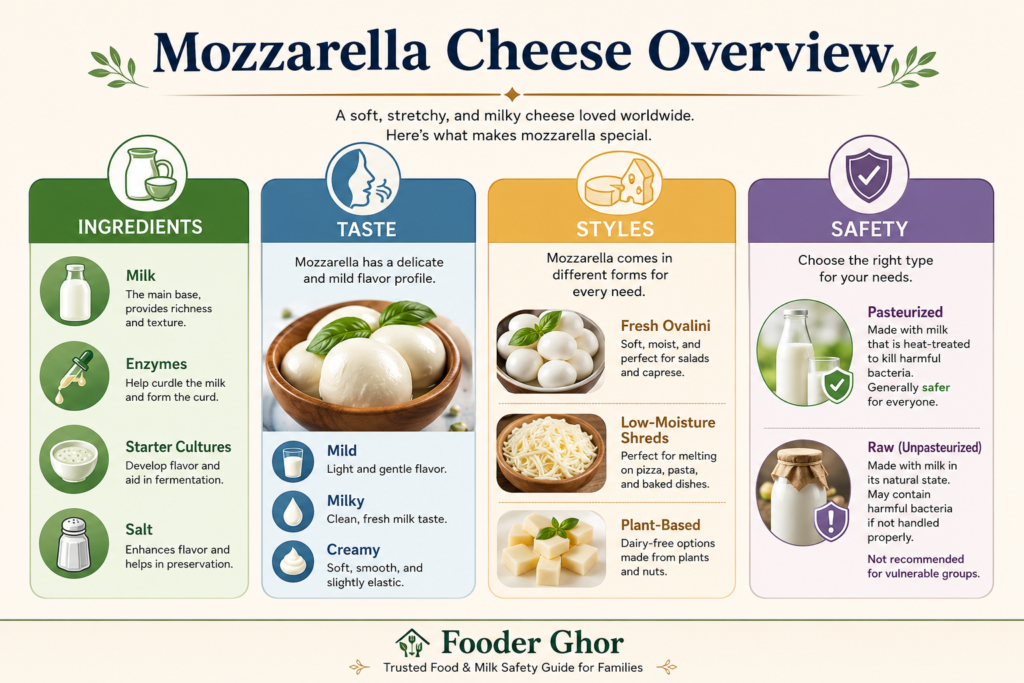
Mozzarella cheese is made of fresh milk, beneficial starter bacteria, coagulation enzymes like rennet, and pure salt. The production process involves culturing the milk, curdling it with rennet, draining the whey, and stretching the warm curds in hot water before shaping.
Milk Base: Fresh pasteurized cow milk or buffalo milk forms the essential starting liquid.
Acidification: Starter cultures convert natural sugars into light lactic acid.
Coagulation: Rennet sets the liquid milk into firm cuttable curds.
Stretching: Hot water kneads the curd mass into silky pliable ribbons.
Salting: The stretched cheese balls cool down in cold brine solutions.
For practical guidance on keeping mozzarella cheese fresh and maintaining its quality, check out How to Store Mozzarella Cheese for detailed storage recommendations.
Is Mozzarella Cheese Pasteurized?
Yes, almost all mozzarella cheese sold in standard commercial grocery stores across the United States is fully pasteurized. Manufacturers heat-treat the raw milk before cheese processing to destroy any harmful bacteria.
Does Mozzarella Cheese Need to Be Pasteurized?
Mozzarella cheese does not legally require pasteurization if produced under specialized raw milk regulations or specific aging exemptions, though raw varieties remain rare in mainstream supermarkets. Pasteurization remains standard practice for mass retail distribution to guarantee long-term safety.
According to the CDC, raw milk and dairy products made from raw milk can contain harmful germs, while pasteurization kills harmful germs. The CDC recommends choosing pasteurized milk and dairy products to reduce the risk of foodborne illness.
For more information about the potential health risks and side effects of mozzarella cheese, check out Mozzarella Cheese Side Effects for a detailed guide.
Types of Mozzarella Cheese Pasteurization
Different commercial brands and styles of mozzarella utilize pasteurized milk bases to maintain consumer safety and product uniformity.
Is Kraft Mozzarella Cheese Pasteurized?
Yes, Kraft mozzarella cheese is made using fully pasteurized milk. This thermal processing guarantees a safe, shelf-stable product for daily meal prep.
Is Tesco Mozzarella Cheese Pasteurized?
Yes, Tesco mozzarella cheese follows standard European retail safety protocols and uses pasteurized milk for all its block and fresh ball formats.
Is Smoked Mozzarella Cheese Pasteurized?
Yes, smoked mozzarella cheese is made from pasteurized milk before undergoing natural wood smoking or smoke flavoring processes. The initial milk base is pasteurized before any smoking takes place.
Is Buffalo Mozzarella Cheese Pasteurized?
Authentic Italian buffalo mozzarella imported into North America is routinely made with pasteurized water buffalo milk to satisfy international transport safety rules. However, artisan farms in local regions might produce unpasteurized versions.
Types of Mozzarella Cheese
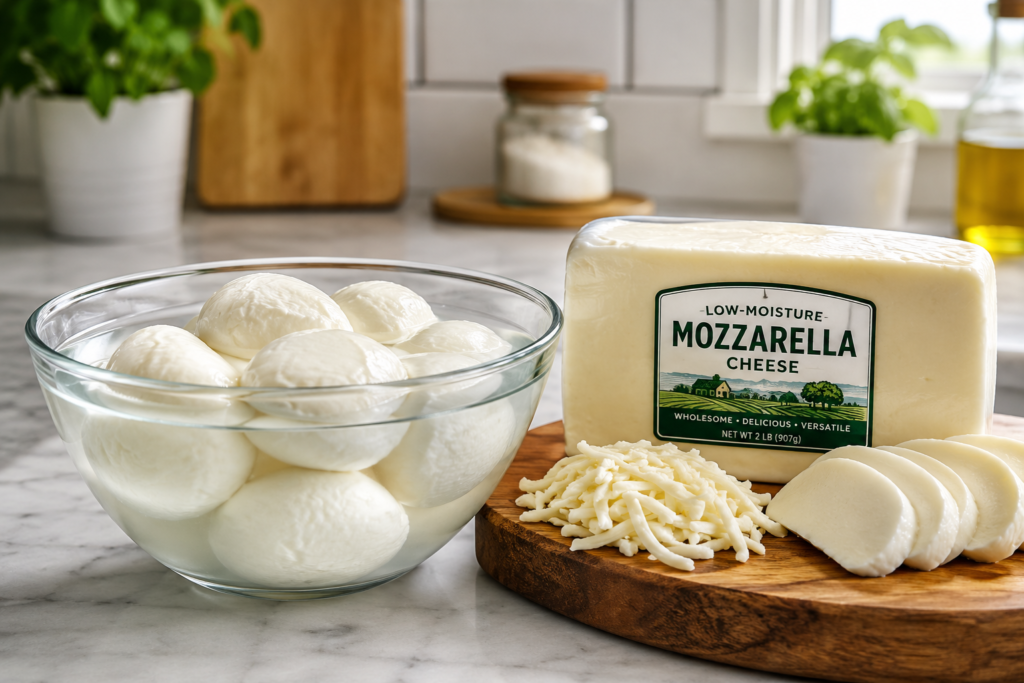
Mozzarella cheese comes in several distinct styles designed for different cooking techniques, melting needs, and dietary preferences.
What is Creamy Mozzarella Cheese?
Creamy mozzarella cheese is a fresh mozzarella format made with extra rich milk or added cream to yield an exceptionally tender and soft consistency. It spreads easily over warm bread or fresh slice tomatoes.
What is Vegan Creamy Mozzarella Cheese?
Vegan creamy mozzarella cheese is a plant-based alternative crafted entirely without animal milk, using starches, plant oils, and nut milks to replicate cheese textures. It offers a dairy-free option for sensitive diets.
For parents exploring plant-derived nutrition for their households, reading about coconut milk benefits can offer creative ideas for everyday dairy-free cooking.
What is Ovalini Mozzarella Cheese?
Ovalini mozzarella cheese consists of small, egg-sized balls of fresh mozzarella stored in liquid brine or water. Weighing about four ounces each, these portions are ideal for salads and quick snack plates.
For a detailed explanation of cream cheese, including what it is, how it is made, and how it differs from other soft cheeses, check out What Is Cream Cheese.
What is Non Dairy Mozzarella Cheese?
Non dairy mozzarella cheese is any formulated alternative completely free from animal milk proteins. These commercial options rely on plant bases like coconut oil, soy, or cashew milk to provide melting capabilities.
What is Pizza Mozzarella Cheese?
Pizza mozzarella cheese is a low-moisture semi-firm cheese specially formulated to melt evenly over baked dough without releasing excess liquid. It browns nicely under high oven temperatures.
What is Shredded Mozzarella Cheese?
Shredded mozzarella cheese is pre-grated low-moisture cheese coated with minimal food-grade starch to prevent individual strands from sticking together. It provides a convenient option for fast dinner prep.
What is Raw Mozzarella Cheese?
Raw mozzarella cheese is cheese manufactured using unpasteurized milk that has not undergone high thermal processing. It preserves complex natural farm flavors but requires strict cold storage management.
According to the FDA and CDC, raw or unpasteurized dairy products pose a higher risk of foodborne illness (such as Listeria) and should be avoided by pregnant women, young children, and immunocompromised individuals.
What is Mozzarella Cheese Used For?
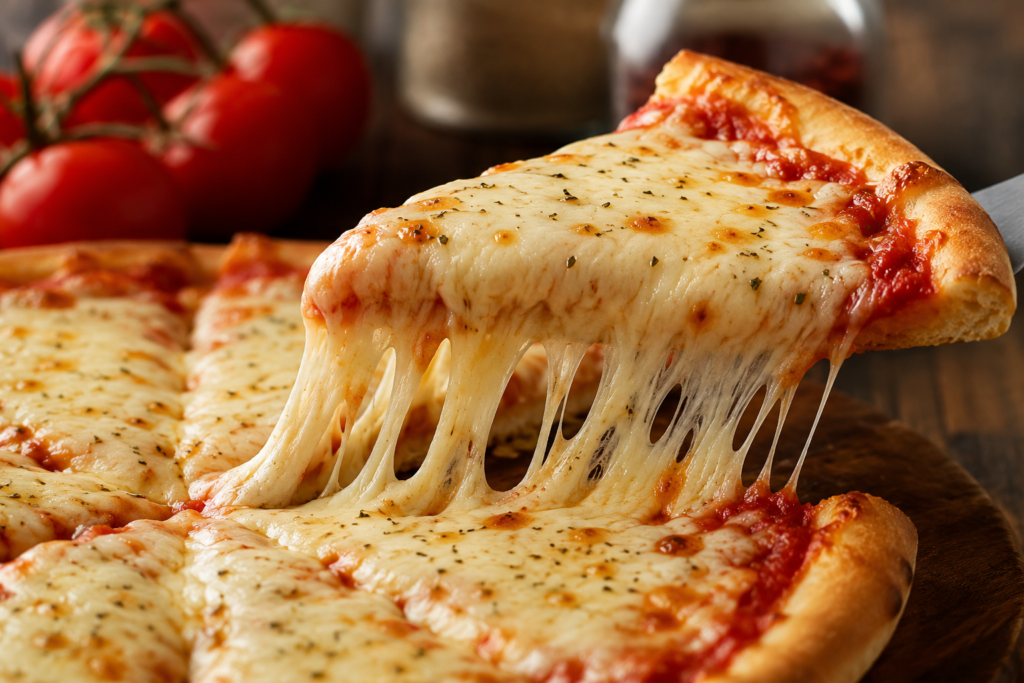
Mozzarella cheese is used for baked pasta casseroles, pizza toppings, fresh caprese salads, warm sandwiches, and appetizer rolls. Its mild flavor profile permits easy pairing with tomatoes, fresh herbs, olive oil, and garlic.
In everyday kitchens, parents rely on its exceptional stretch and gentle taste to make meals appealing for children. Whether served sliced on cold platters or melted into baked dishes, it remains a kitchen staple.
For more helpful kitchen guidance on managing soft fresh cheeses at home, read our practical overview on how long does cream cheese last in your refrigerator.
Why Trust Fooder Ghor?
At Fooder Ghor, we provide educational resources focused on understanding the safe use, handling, and storage of different types of milk, including breast milk, cow’s milk, goat milk, and raw milk, based on publicly available guidance from trusted sources such as the CDC, FDA, USDA, and AAP. Some milk-related articles, particularly those involving maternal and infant feeding topics, are reviewed for clarity and presentation by nursing students with academic training in maternal and child health to help make information easier to understand. This content is provided for learning purposes only and does not offer medical advice.
Frequently Asked Questions
Fresh mozzarella contains slightly more lactose than hard aged cheeses (like cheddar or parmesan), but it still has lower lactose levels compared to fresh fluid milk.
Yes, but draining the fresh slices on paper towels beforehand prevents excess liquid from making the baked crust soggy.
Low-moisture mozzarella contains less free liquid, allowing the fat and protein network to melt together smoothly without boiling off water.
Yes, provided the cheese is made using plant-derived or microbial enzymes rather than traditional animal rennet.
Buffalo mozzarella uses water buffalo milk, which has higher fat content, resulting in a richer texture and deeper milky aroma.
Conclusion
Mozzarella cheese remains an essential dairy option thanks to its soft texture, mild taste, and unmatched melting qualities. Understanding the differences between fresh ovalini, convenient low-moisture shreds, and non dairy options helps families make informed choices for their daily meal plans.
As you plan your meal routine, consider balancing your pantry with other wholesome options. You can explore feta cheese benefits for salad ideas.











