 Skip to content


Protecting your children from accidental foodborne illnesses is a top priority when managing a busy household kitchen. Many modern parents rely on shelf-stable pantry items to simplify their weekly meal preparation routines. Standard baking recipes and rich savory soups frequently utilize concentrated dairy products to achieve an ideal creamy consistency. However, finding an old, forgotten tin canister in the back of your storage cupboard easily sparks food safety concerns.
Understanding precisely does can evaporated milk go bad allows you to safeguard your family’s digestive wellness during dinner time. This comprehensive manual breaks down spoilage indicators, explains expiration realities, and highlights the medical side effects of consuming compromised dairy.
Quick Summary
- The biological reality regarding whether concentrated dairy can spoil inside a sealed tin.
- Definitive physical and sensory signs that indicate your cooking milk is no longer safe.
- A clear evaluation of safety parameters when using a canister past its printed date.
- Food poisoning risks and health complications from consuming spoiled dairy.
- How to evaluate structural canister damage like rust, deep dents, or bulging lids.
For a closer look at the nutritional value of evaporated milk, read our guide on evaporated milk nutrition to learn about its calories, protein, fat, carbohydrates, vitamins, and minerals.
Quick Answer: Does Can Evaporated Milk Go Bad?
Yes, does can evaporated milk go bad is a definite reality because concentrated dairy eventually degrades over time. While an unopened container remains safe for a remarkably long time in a cool pantry, the internal liquid eventually separates or spoils if structural seals fail. The moment you break the factory seal, the fluid reacts exactly like fresh milk and will spoil rapidly within days if left unrefrigerated.
According to the U.S. Department of Agriculture (USDA), dairy products should always be stored under proper refrigeration after opening, and any perishable milk-based food exposed to room temperature for extended periods may develop harmful bacterial growth and spoil quickly.
👉 For households tracking the exact nutritional value and core ingredients inside these canisters before storage, browse our detailed report on what is in evaporated milk.
Can Evaporated Milk Spoil Inside the Container?
Yes, evaporated milk can spoil inside a sealed container over time, even if the metal can appears undamaged. Millions of parents frequently search online to ask, does evaporated milk go bad during long-term storage? The biological reality is that factory sterilization limits, natural chemical degradation, and fat separation eventually cause the dairy to break down in your pantry. When evaluating your kitchen inventory, understanding precisely does canned evaporated milk go bad helps you protect your family from spoiled concentrates. Over years in a warm cupboard, proteins and natural sugars degrade, while microscopic imperfections in the internal lining can expose the liquid to oxygen and promote harmful bacterial growth.
⚠️ Urgent Safety Warning: Never open or taste a container if the lid appears swollen, bloated, or bulging. A bulging can indicates active, gas-producing bacteria inside, which poses a severe risk of lethal foodborne pathogens like botulism.
According to the Centers for Disease Control and Prevention (CDC), consuming improperly stored canned goods poses serious risks of contracting severe foodborne pathogens like botulism. To protect your family from contamination, you can review the official guidelines on CDC Botulism Prevention for stored and canned foods. Therefore, inspecting the physical integrity of every single tin before feeding your toddlers is an indispensable parenting practice.
👉 If you want a broader nutritional perspective on whether this ingredient fits into a healthy diet, you can also read our guide on is evaporated milk healthy.
Decoding the Label: Does Evaporated Milk Expire?
Supermarket packaging always displays printed dates on the top or bottom panels of the metal canister. Distinguishing between marketing terms and true food safety thresholds prevents unnecessary food waste while protecting your family.
Does Canned Evaporated Milk Expire Immediately?
No, canned evaporated milk does not expire immediately on the printed date and can remain safe for weeks or months past it if unopened. The “best by” stamp is a quality indicator for optimal flavor, color, and texture rather than a strict safety deadline. Provided the metal container remains undamaged and is kept in a cool, dark cupboard, the liquid inside stays structurally sterile beyond that marker.
According to the U.S. Department of Agriculture (USDA), “best by” or “use by” dates are primarily indicators of product quality, not strict safety deadlines, and many shelf-stable canned foods can remain safe beyond the printed date if stored properly in a cool, dry environment.
The same “best by” principles apply to many shelf-stable beverages, including soy milk. If you’re curious about storage times before and after opening, see our guide on soy milk shelf life guide.
Using Dairy Past the Printed Date
However, many frugal home cooks wonder is 3 month expired evaporated milk bad for you during holiday baking seasons. While a few weeks past the date might only result in minor fat separation, waiting three full months increases safety risks significantly. Over such a long period, the likelihood of internal chemical spoilage rises, making does evaporated milk go bad after expiration date a definite yes for sensitive children.
👉 For families utilizing alternative plant-based milk liquids for childhood lactose sensitivities instead, view our comprehensive manual on is evaporated milk lactose free.
Spoilage After Opening: Can Opened Evaporated Milk Spoil Quickly?
Yes, opened evaporated milk spoils very quickly, lasting only 2 hours at room temperature and 3 to 5 days in the refrigerator.
The moment room air touches the liquid, airborne wild yeasts and household mold spores begin to contaminate the dairy fluid. Left sitting out on a warm countertop, bacteria multiply exponentially at room temperature, rendering the liquid dangerous for young children. To maximize shelf life and prevent foodborne illness, always transfer unused portions into a clean glass jar and store it inside your refrigerator immediately.
According to the U.S. Department of Agriculture (USDA), perishable dairy products should not be left at room temperature for more than 2 hours, as bacteria can multiply rapidly and make the food unsafe to consume. Proper refrigeration is essential immediately after opening to maintain food safety.
👉 If you want to extend the shelf life of opened evaporated milk safely, you can also read our guide on can you freeze evaporated milk.
💡 Food Safety Tip: Never leave leftover evaporated milk in its original opened tin, as reaction with air can spoil the taste and safety. Always transfer unused milk into a non-reactive, Airtight Glass Container before placing it in the fridge.
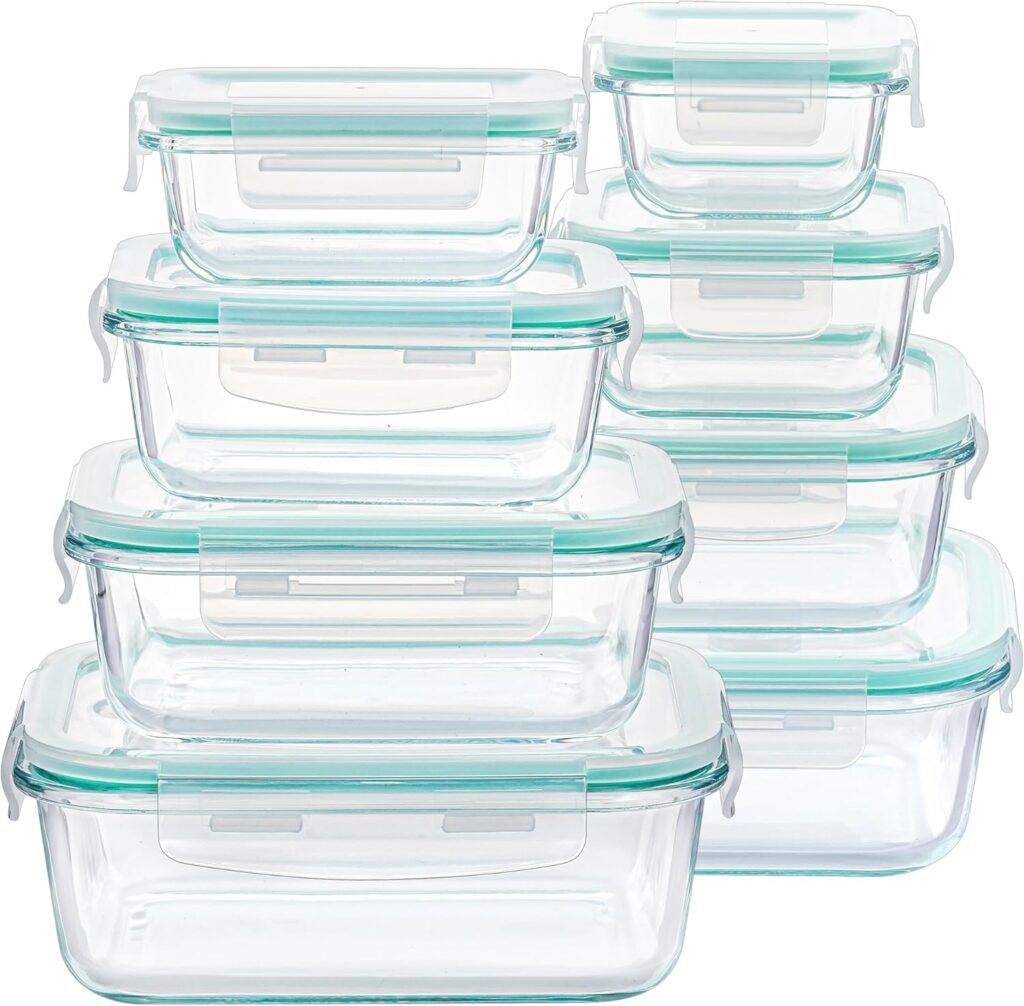
Vtopmart Airtight Glass Containers (8 Pack)
- 100% Leak-Proof: Snap-locking lids block fridge odors and bacteria.
- Safe Glass: Non-toxic material prevents metallic taste in dairy.
Does Homemade Evaporated Milk Go Bad?
Yes, homemade evaporated milk goes bad significantly faster than commercial canned options because it lacks factory sterilization. Always check for a sour smell or clumpy texture before use, and discard it immediately if it shows any signs of spoilage.
If you want to prepare it yourself, read our guide on how to make evaporated milk at home for a simple homemade method and practical preparation tips.
Does Evaporated Milk Go Bad in the Fridge?
Yes, opened evaporated milk can go bad in the fridge after opening. Unopened canned evaporated milk lasts 12-24 months in pantry (not fridge), but opened evaporated milk lasts only 3-5 days in fridge before spoiling.
Opened Evaporated Milk in Fridge:
- Storage: Transfer to clean glass jar or food-grade plastic container with tight lid
- Temperature: Below 40°F (4°C) on main refrigerator shelves
- Signs it went bad: Sour smell, curdled texture, dark yellow discoloration
Unopened Canned Evaporated Milk in Fridge:
- NOT necessary! Store unopened cans in cool, dark pantry
- Fridge storage doesn’t extend shelf life for unopened cans
- Only refrigerate AFTER opening
Why opened milk goes bad in fridge:
- Airborne mold spores and yeasts contaminate the liquid once seal is broken
- Bacteria multiply slowly even at refrigerator temperatures
- After the recommended duration, risk of spoilage increases significantly
According to the U.S. Department of Agriculture (USDA), perishable dairy products should not be left at room temperature for more than 2 hours, and proper refrigeration is essential immediately after opening to maintain food safety.
As detailed below in our clear signs of spoilage section, always look out for sour odors or dark curdles before using refrigerated milk.
For a complete breakdown of timeline metrics under different conditions, read our definitive guide on how long does fresh evaporated milk last.
Clear Signs of Spoilage: Is Your Evaporated Milk Bad for You?
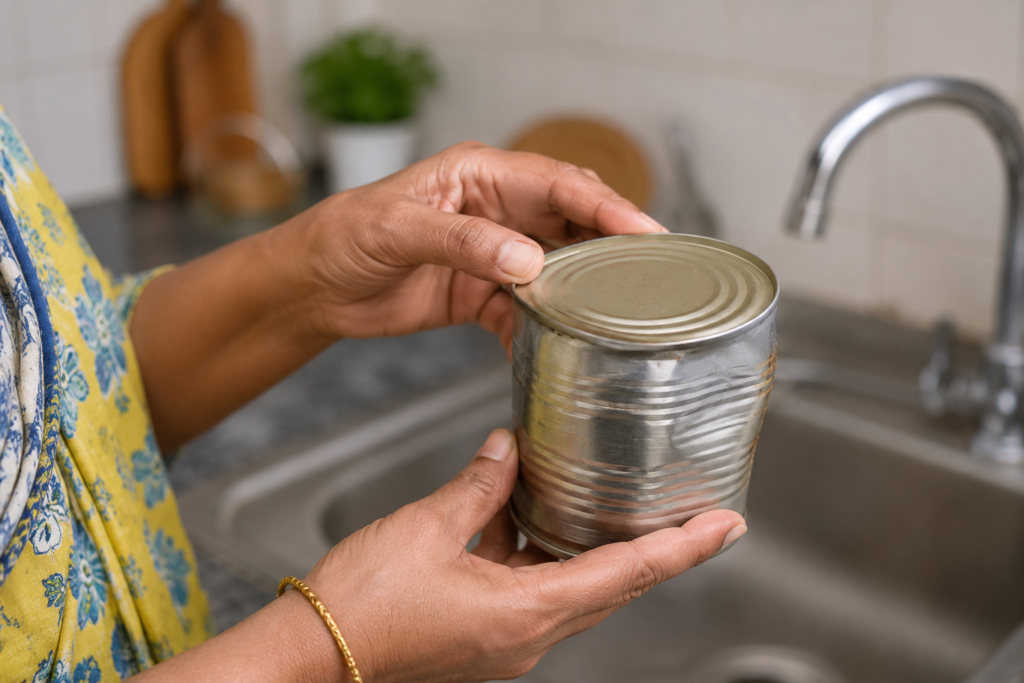
Yes, canned evaporated milk is bad for you if you notice sour odor, curdled texture, dark discoloration, or bulging lid. Discard immediately spoiled milk contains harmful bacteria and enterotoxins that cause food poisoning.
Physical Indicators of Bad Canned Milk
-
Pungent Sour Odor: A sharp, acidic, or rancid smell indicates that natural bacteria have fermented the internal dairy sugars.
-
Curdled Chunky Texture: The smooth liquid transforms into a thick, clumpy paste with watery yellow liquid separating around the edges.
-
Dark Discoloration: The ivory fluid turns into a dark yellow, muddy brown, or displays visible grey mold spots along the inner rim.
-
Bulging or Swollen Lids: A container that appears bloated or pops outward indicates that active bacteria are producing dangerous gases inside.
If you observe any of these alarming visual or odor markers, is canned evaporated milk bad for you? Absolutely, and you should discard the entire tin safely outside the house where pets and children cannot reach it.
According to the U.S. Department of Agriculture (USDA), foods showing signs of spoilage such as off-odors, mold growth, abnormal texture, or swollen packaging should be discarded immediately, as these are indicators of potential bacterial contamination and foodborne illness risk.
👉 If you are also handling raw animal milks in your household, read our guide on how to pasteurize milk at home for more food safety tips.
Evaporated Milk Normal Changes vs. Spoilage: Is There a Difference?
Yes, there is a clear food safety distinction between harmless physical shifts and actual bacterial spoilage:
Harmless Physical Shifts (Safe to Use):
- Natural Fat Separation: Small fat particles or white protein flakes floating on top after long storage are completely harmless. Thoroughly shaking the unopened tin or whisking the liquid easily restores its texture.
- Mineral Precipitation: Soft calcium or mineral deposits that settle at the bottom of long-stored cans are natural and do not indicate bacterial contamination.
Actual Spoilage Signs (Unsafe – Discard Immediately):
- Severe Curdling: Milk that pours out in sour lumps or splits into clear liquid and dense slime indicates active bacterial breakdown.
- Off-Odor Development: Any sharp, sour, or vinegary smell replacing the standard sweet aroma signals dangerous lactic acid fermentation.
- Bulging Container Seals: A swollen tin or liquid that spurts out violently upon opening confirms anaerobic gas production, posing a severe risk for harmful foodborne pathogens like botulism.
For a practical guide to recognizing spoilage, changes in texture, and when to discard plant-based milk, check out Does Almond Milk Go Bad for more details.
Can Spoiled Evaporated Milk Make You Sick?
Yes, consuming spoiled evaporated milk will make you sick by causing acute food poisoning, severe stomach cramps, and vomiting. When pathogenic bacteria multiply inside compromised dairy, they produce dangerous enterotoxins that are highly heat-resistant. This means baking or cooking sour milk inside hot food will not neutralize the toxins or prevent digestive illness in children and adults.
👉 Note: These symptoms are caused by bacterial food poisoning from spoiled dairy. If you want to learn about the health risks and side effects of consuming fresh concentrated dairy (such as lactose distress or saturated fat concerns), check out our complete guide on side effects of evaporated milk.
Understanding Evaporated Milk Side Effects on the Body

When a child consumes compromised dairy fluids, their immune and digestive systems mount an immediate defense to expel the toxins. Recognizing these symptoms early allows you to provide proper supportive care.
Common Evaporated Milk Side Effects from Spoilage
-
Acute Gastroenteritis: Severe stomach cramps, sharp abdominal pain, and loud intestinal rumbling occur within hours of ingestion.
-
Persistent Nausea and Vomiting: The stomach lining rejects the enterotoxins, leading to frequent vomiting spells in toddlers.
-
Watery Diarrhea: The intestines flush out moisture rapidly to purge the bacteria, which can quickly lead to childhood dehydration.
-
Systemic Low-Grade Fever: The body elevates its internal temperature to combat the ingested bacterial pathogens.
These evaporated milk bad effects and drink evaporated milk side effects require vigilant monitoring. If your toddler displays any signs of lethargy, refusal to drink water, or persistent vomiting, contact your pediatrician immediately.
According to the Centers for Disease Control and Prevention (CDC), foodborne illness can cause symptoms such as stomach cramps, vomiting, diarrhea, and fever, and severe cases may lead to dehydration, especially in young children who require careful monitoring and medical attention.
👉 For families handling alternative plant concentrates for allergen-free baking instead, browse our introductory guide on what is evaporated coconut milk.
Evaluating Canned Dairy Preservation Variables
To maximize kitchen safety when organizing your dark pantry cupboards, reviewing how different container conditions influence health risks is highly useful.
| Canister Physical State | Internal Liquid Safety Status | Associated Health Risk Level | Recommended Parent Action |
| Perfect Smooth Tin | Completely Sterile & Fresh | Zero Risk (Safe to Use) | Proceed with Family Recipe |
| Deep Rusty Seams | High Risk of Micro-Holes | Severe Bacterial Risk | Discard Tin Immediately |
| Swollen Bloated Lid | Active Gas-Producing Bacteria | Dangerous (Toxic Botulism) | Do Not Open, Throw Away |
According to the U.S. Department of Agriculture (USDA), damaged, rusted, or swollen cans may indicate bacterial contamination or gas production inside the container, and such products should never be consumed and must be discarded immediately to prevent serious foodborne illness risks.
Safe storage practices help reduce spoilage risks long before a can becomes damaged. For more everyday dairy storage guidance, explore our goat milk storage tips guide.
💡 Pantry Safety Tip: Proper storage plays a vital role in preventing physical can damage like rust or accidental seam dents, which can ruin the vacuum seal. Using a 3-Tier Stackable Can Organizer keeps your cans elevated, dry, and neatly rotated so older stock is always used first.
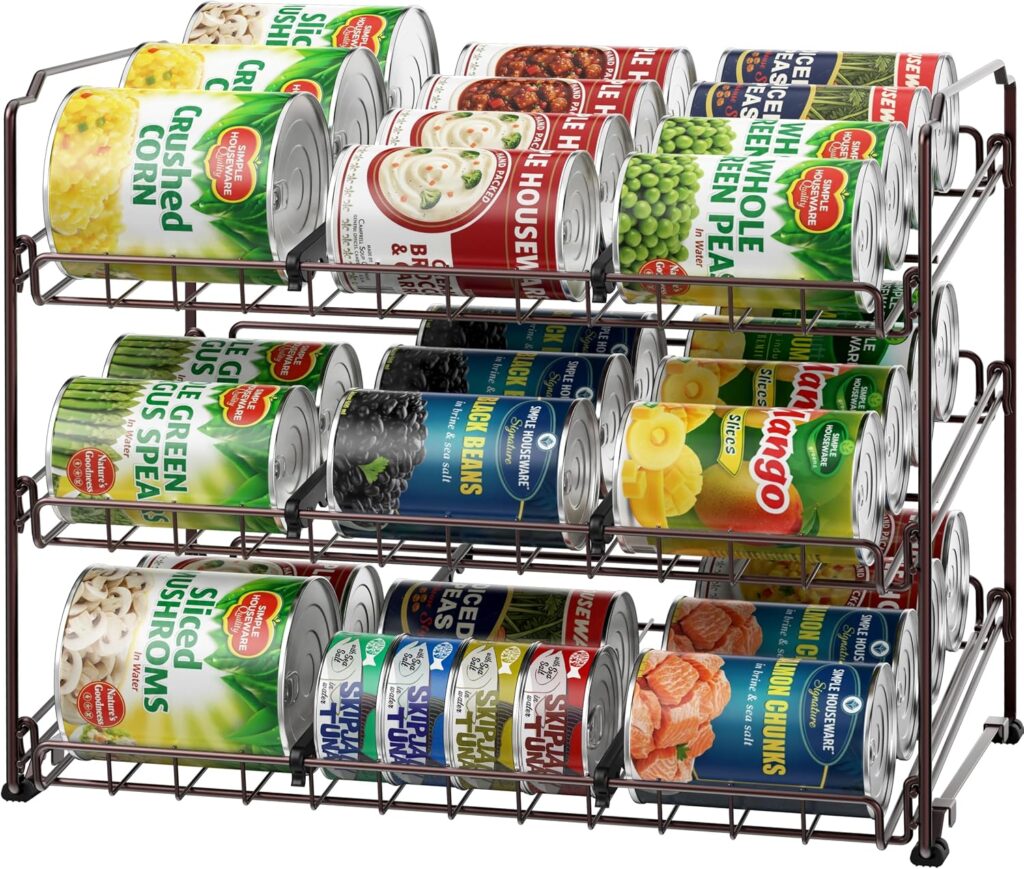
Simple Houseware 3-Tier Stackable Can Organizer Rack
- Prevents Can Damage: Heavy-duty steel design keeps cans safe from dents and micro-punctures.
- Automatic Stock Rotation: Utilizes FIFO organization so no cans get lost or expired.
Educational Infographic Guide – Fooder Ghor

| Spoilage Type | Sensory Detection Sign | Primary Biological Cause |
| Bacterial Fermentation | Sharp Sour Vinegar Smell | Growth of Lactic Acid Bacteria |
| Fat Oxidation | Stale Rancid Chemical Taste | Exposure to Oxygen Through Holes |
| Fungal Growth | Grey or Green Surface Mold | Leaving Opened Can Unrefrigerated |
👉 If you want to learn the correct storage methods to prevent these spoilage issues, you can also read our guide on how to store evaporated milk.
Why Trust Fooder Ghor?
At Fooder Ghor, we provide comprehensive, research-backed educational resources on all types of milk including breast milk, dairy (cow, goat, camel, sheep, buffalo), and plant-based alternatives (oat, soy, almond). Our guides cover everything from nutrition, taste, and health benefits to proper storage, shelf life, and safety handling, aligned with official guidance from the CDC, FDA, USDA, and AAP. To maintain the highest standards of scientific accuracy, this article has been medically reviewed by a Public Health Expert (MPH). This content is for educational purposes only and does not substitute for professional medical advice.
Most Common Frequently Asked Questions
If a dent is located along the top or side seams of the container, it can easily create microscopic fractures that allow air and bacteria inside. Err on the side of caution and discard any deeply dented items to protect your children. If you’re looking for dairy-free alternatives, read our guide on is evaporated milk dairy free to learn whether evaporated milk contains dairy and what alternatives may be suitable.
No, all commercial dairy brands follow identical high-heat sterilization and evaporation guidelines.
This change occurs due to a natural chemical phenomenon called age gelation, where concentrated proteins slowly bind together over time. Even if bacteria are absent, the texture is ruined and the liquid should be discarded. If you’d like to make evaporated milk using powdered milk, read our guide on how to make evaporated milk from powdered milk for a simple homemade method and practical preparation tips.
No, boiling will kill live bacteria but it cannot remove or neutralize the toxic chemical byproducts already left behind by those pathogens. Never attempt to salvage sour or curdled milk.
IMPORTANT PARENTING NOTE:
Evaporated milk should NOT be used as a breast milk or formula substitute for infants under 12 months. The American Academy of Pediatrics (AAP) recommends only breast milk or infant formula for babies under 1 year. Evaporated milk lacks essential nutrients (iron, vitamin C) for infant growth and development.
Conclusion
Understanding does can evaporated milk go bad is a vital component of running a safe, healthy, and organized household kitchen. While these budget-friendly containers provide wonderful stability for your long-term pantry storage, they are not immortal shields against natural dairy degradation. By performing regular visual inspections for bulging lids, smelling the liquid for sour aromas, and honoring strict refrigeration timelines after opening, you maintain absolute control over your family’s nutritional safety. Keep your cupboards tidy, rotate your kitchen stock mindfully, and continue fostering a comfortable, secure culinary environment for your loved ones.
If you prefer a lighter option, read our guide on how to make low fat evaporated milk for a simple homemade method and practical preparation tips.
👉 If you also want to understand the shelf life of regular dairy at home, you can read our guide on how long does fresh cow milk last.











