Skip to content


Evaporated milk is a versatile pantry staple used in many households for cooking and baking. Knowing how to store evaporated milk correctly helps maintain its smooth quality and protects it from spoiling quickly. Proper storage practices ensure that both unopened cans and leftover portions stay safe for future kitchen recipes.
In simple terms, keeping canned dairy products stored under optimal conditions extends their usable lifespan and protects their overall freshness. This comprehensive guide details the best practices for pantry placement, refrigeration methods, freezer storage, and safe thawing techniques.
Short Summary
- Proper storage of unopened evaporated milk involves cool pantry environments away from heat and moisture.
- Opened evaporated milk requires immediate transfer to a food-grade glass or plastic container before refrigeration.
- Freezing evaporated milk is possible for long term storage using ice cube trays, freezer bags, or airtight containers.
- Safe preservation methods include pantry storage, refrigeration, freezing, and relying on commercial processing techniques.
- Thawing frozen evaporated milk is best done in the refrigerator, under cold water, or directly inside warm cooking dishes.
For an easy homemade version, check out How to Make Evaporated Milk to learn how to prepare this creamy milk at home and store it safely.
How to Store Evaporated Milk
You can store unopened canned milk in a cool, dry pantry, while opened liquid must be kept in an airtight container inside the refrigerator or frozen for long term use.
In many cases, stored evaporated milk lasts significantly longer when kept in controlled environments away from direct warmth and sunlight. In general, you can store evaporated milk in three reliable ways depending on whether the container is open and how long you plan to keep it. Unopened cans stay safe in a dry pantry, opened leftovers belong in the refrigerator, and long term reserves should be placed in the freezer.
3 Ways to Store Evaporated Milk
How to Store Evaporated Milk in the Pantry
Unopened cans of evaporated milk should always be kept in a cool, dark place like a pantry or cabinet. Store the cans away from heat-generating appliances like ovens, dishwashers, or direct sunlight. Rotating the cans upside down every few months helps prevent the natural milk solids from settling heavily at the bottom.
For a complete guide to evaporated milk shelf life, including how long it lasts unopened and after opening, check out How Long Does Evaporated Milk Last to learn the storage timelines in detail.
How to Store Evaporated Milk in the Fridge
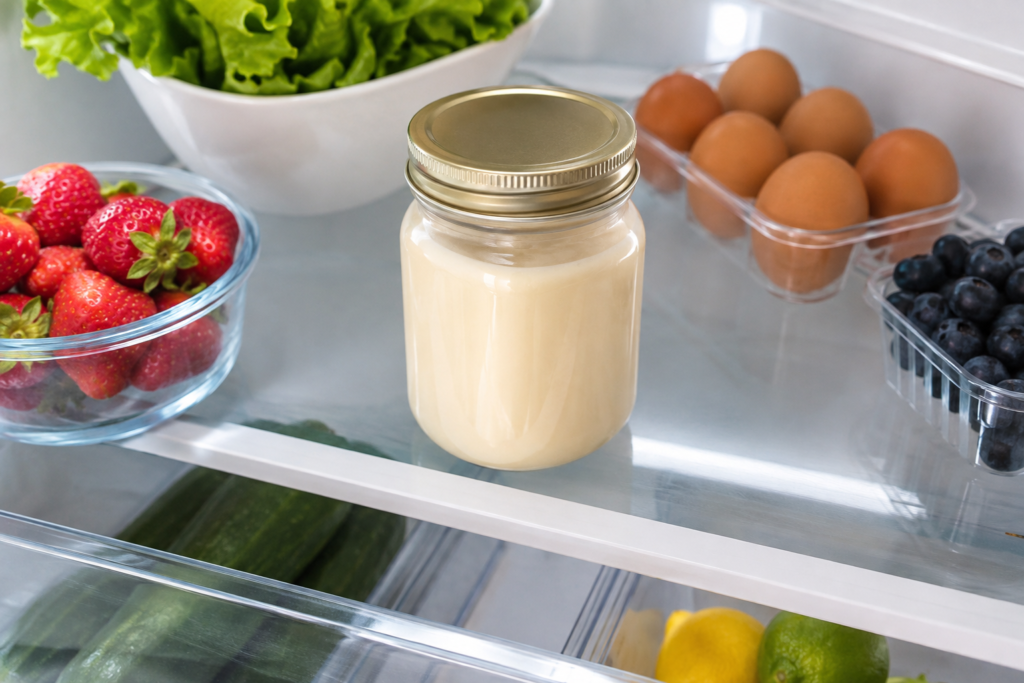
Once you open a can of evaporated milk, it must be refrigerated immediately to maintain freshness. Never store opened milk inside its original tin can because exposure to air can impart a metallic taste. Always pour the leftover milk into a clean, airtight glass bottle or food-grade plastic container before setting it on an inside refrigerator shelf.
For everyday kitchen storage tips on other dairy items, learn how long does raw milk last in home settings.
How to Store Evaporated Milk in Container
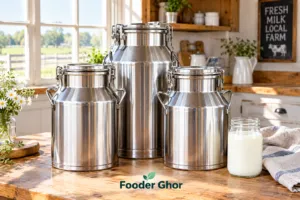
Choosing the right container is essential for preserving the liquid quality of opened dairy products. Glass jars with tight-fitting lids or BPA-free plastic containers work best for preventing air exposure. Ensure the container is thoroughly sanitized and dry before pouring in the milk to avoid introducing unwanted moisture or bacteria.
According to USDA, commercially canned shelf-stable foods should be stored in a cool, clean, dry place, with temperatures below 85°F considered best for maintaining quality and protecting the cans from heat-related damage.
For more practical tips on choosing the right containers for storing milk safely and maintaining freshness, check out Best Milk Storage Containers for useful storage recommendations.
Storage Tip: Never leave leftover evaporated milk in its original metal can, as air exposure ruins the flavor and speeds up spoilage. Always transfer the liquid into a non-reactive, leak-proof container before refrigerating.
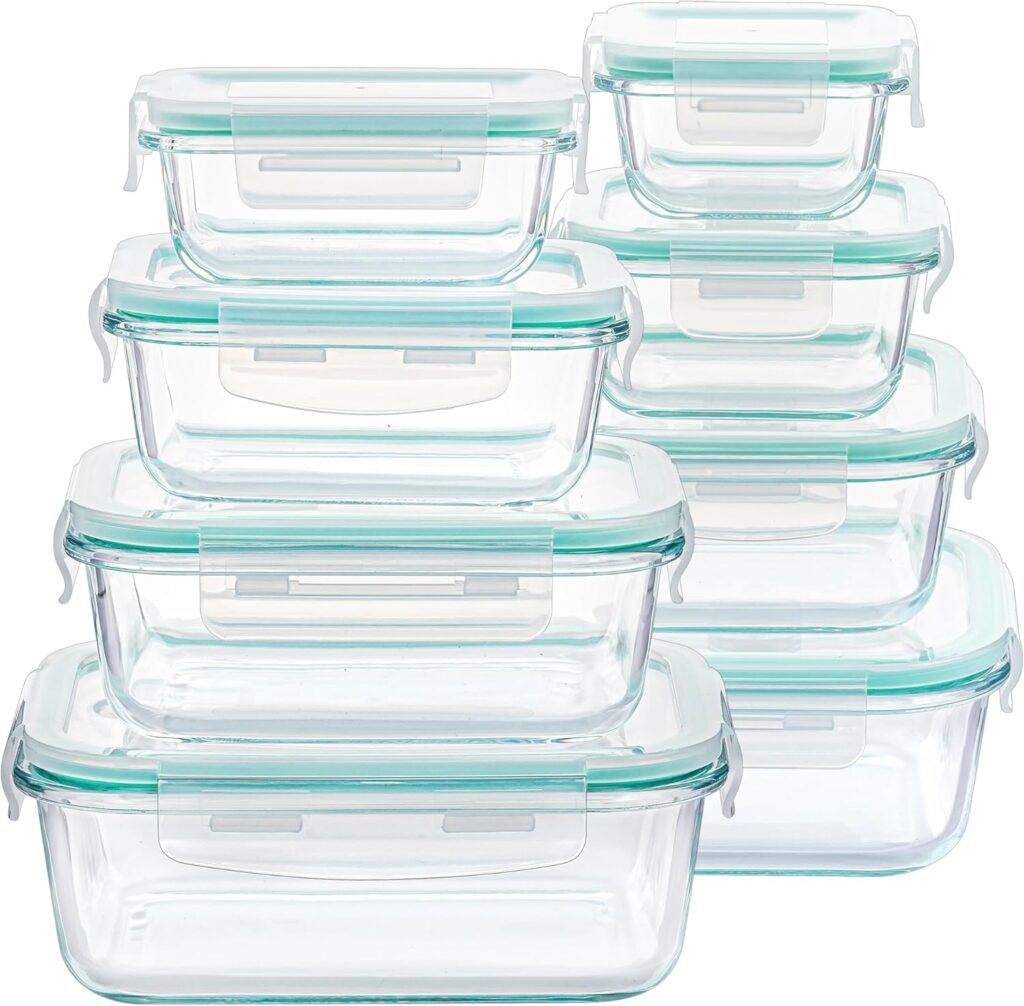
Vtopmart Airtight Glass Food Storage Containers (8 Pack)
- 100% Leak-Proof: Snap-locking lids block fridge odors and keep dairy fresh.
- BPA-Free & Safe: Premium glass prevents any metallic taste or chemical leaching.
Why Proper Storage of Evaporated Milk Is Crucial
Proper storage is crucial because it keeps the liquid safe from bacterial growth, prevents separation, and maintains smooth quality for daily cooking.
For most people, keeping dairy items in clean and temperature-controlled settings is a basic kitchen habit that protects household health. Proper storage prevents premature separation, maintains liquid consistency, and protects the milk from absorbing unwanted odor from surrounding foods in your refrigerator.
For more practical dairy-storage guidance, check out How to Store Goat Milk to learn how proper refrigeration, clean containers, and safe handling help keep goat milk fresh and safe.
How Proper Storage Helps Prevent Evaporated Milk from Spoiling
Proper storage limits exposure to ambient air, light, and temperature fluctuations that accelerate dairy degradation. Sealing leftover liquid in airtight containers blocks environmental contaminants and airborne microbes from entering. Keeping the milk at stable cold temperatures slows down natural organic breakdown, allowing you to use your kitchen ingredients safely over several days.
According to CDC, perishable foods should be refrigerated promptly and kept at 40°F or below to help slow the growth of harmful bacteria.
For more information about the signs and storage timeline of spoiled evaporated milk, check out Does Can Evaporated Milk Go Bad.
Can You Freeze Evaporated Milk?
Yes, you can freeze evaporated milk safely, though extreme cold causes its natural fat and liquid content to separate slightly upon thawing.
That said, many home cooks wonder if they can safely freeze evaporated milk for later use. In simple terms, frozen evaporated milk works exceptionally well for cooked dishes, soups, and baked items where liquid texture is blended during preparation.
Why Evaporated Milk Freezes Differently (The Science)
Evaporated milk separates severely during freezing because it has 60% of its natural water removed and lacks the heavy stabilizing sugar molecules found in sweet condensed alternatives.
When the temperature drops below freezing, the liquid water forms microscopic ice crystals that push the tightly bound milk proteins and fat globules out of their stable emulsion. Upon thawing, you will notice a watery liquid layer topped with chunky, grainy, or curdled white solids, which is a completely natural reaction.
According to the U.S. Department of Agriculture (USDA), frozen dairy products may naturally separate during thawing because changes in temperature can affect the structure of milk fats and proteins, often resulting in a grainy or watery texture after defrosting.
How to Freeze Evaporated Milk
Freezing is best done by portioning the liquid into clean ice cube trays, freezer-safe bags, or rigid airtight glass containers.
Freezing evaporated milk is a straightforward process that works best when split into convenient portions for future cooking. You can freeze evaporated milk in three easy ways based on your kitchen needs and available storage space. Using portioned ice cube trays, flexible freezer-safe bags, or rigid airtight containers allows you to preserve leftover milk without wasting a single drop.
For a similar step-by-step guide, check out How to Freeze Cow Milk to learn the best ways to portion, package, freeze, and thaw milk while maintaining quality.
3 Ways to Freeze Evaporated Milk Step by Step
Freezing Evaporated Milk in Ice Cube Trays
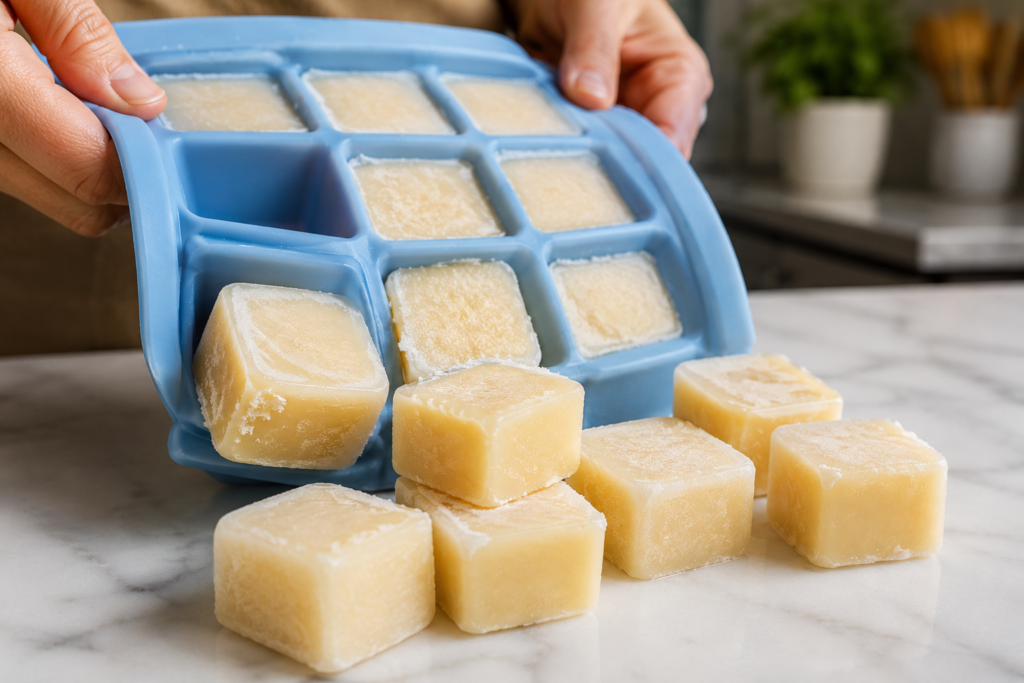
Pour your leftover evaporated milk into a clean silicone or plastic ice cube tray. Place the tray flat in the freezer for four hours until the liquid freezes completely solid. Pop the frozen milk cubes out and transfer them into a sealed freezer bag for easy, single-portion cooking measurements.
Important Safety Warning: Never Freeze in the Original Metal Can Always transfer evaporated milk into an airtight, freezer-safe plastic or glass container before freezing. As the liquid freezes, it expands and can cause the metal seams of the sealed tin to burst or rupture. This creates a messy spill and compromises food safety.
💡 Freezing Tip: Freezing leftover evaporated milk in pre-measured portion sizes makes future cooking and baking effortless. Using covered silicone trays prevents spills and keeps freezer odors out of your milk.
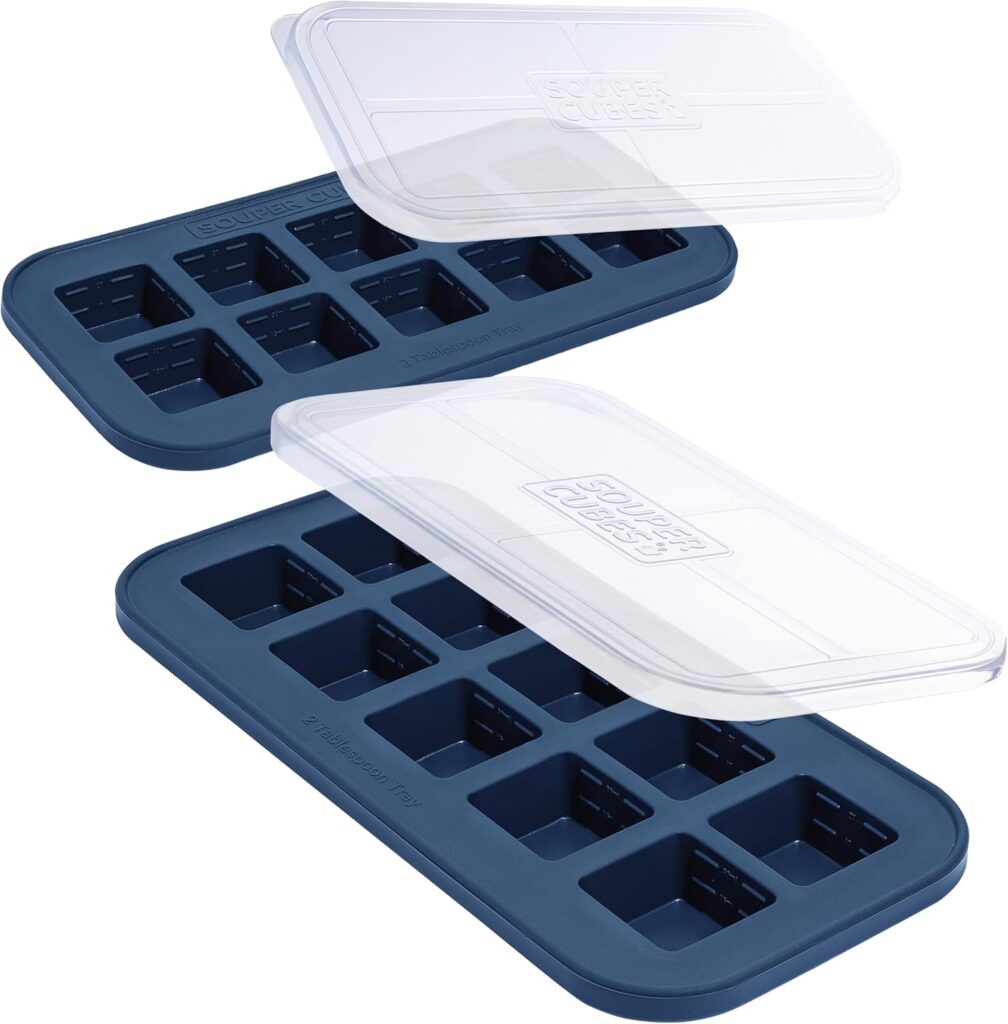
Souper Cubes 2 Tbsp Silicone Freezer Molds (2-Pack)
- Exact 2 Tbsp Portions: Each cube holds 2 tbsp (1 fl oz), perfect for measuring exact recipe portions.
- Easy Pop-Out: Food-grade silicone lets frozen milk cubes pop out effortlessly.
- Odor-Proof Lids: Tight-fitting lids prevent spills and block freezer smells.
Freezing Evaporated Milk in Freezer Bags
Measure the exact volume of evaporated milk you need for specific recipes and pour it into heavy-duty freezer bags. Press out any excess air from the top of the bag before zipping it closed tightly. Lay the bag flat on a freezer shelf so it freezes evenly and saves valuable freezer space.
For another practical guide to keeping plant-based milk fresh and safe, check out How to Store Soy Milk to learn more about proper refrigeration, container handling, and storage practices.
Freezing Evaporated Milk in Rigid Airtight Containers
Fill a freezer-safe glass or plastic container with evaporated milk, leaving at least one half inch of headspace at the top. Leaving empty space is necessary because liquid expands naturally as it freezes into solid ice. Seal the lid tightly, label the container with the current date, and place it upright in your freezer.
According to FDA, properly handled food kept continuously at 0°F remains safe indefinitely, although its quality can decline during prolonged freezer storage.
To explore similar cold storage methods for alternative milks, read our detailed article on can you freeze coconut milk safely.
Types of Evaporated Milk Freezing Guide
Most types of evaporated milk freeze safely, but varying fat content affects post-thaw texture and suitability for specific kitchen recipes.
In everyday cooking, different types of evaporated milk react slightly differently to the freezing process due to varying fat levels and production methods. Understanding how specific liquid types respond to freezing helps you choose the best option for your household recipes.
| Type of Evaporated Milk | Freezing Suitability | Post-Thaw Texture | Best Kitchen Use |
| Homemade Evaporated Milk | Safe to Freeze | Moderate Separation | Soups and Stews |
| Cooked Dish Evaporated Milk | Safe to Freeze | Blends Well | Casseroles and Sauces |
| Low-Fat Evaporated Milk | Safe to Freeze | Noticeable Separation | Baked Recipes |
| Lactose-Free Evaporated Milk | Safe to Freeze | Smooth Consistency | Hot Dishes and Baking |
| Freeze-Dried Evaporated Milk | Not Recommended | Powdered State | Pantry Storage |
For more information about its nutritional value and potential uses, check out Evaporated Milk Benefits to learn about its nutrients, calories, and how it can fit into different recipes.
Can You Freeze Homemade Evaporated Milk
Yes, you can freeze homemade evaporated milk, though whisking or blending is needed after defrosting to recombine natural separated fats.
Homemade evaporated milk made by simmering regular milk can be frozen using airtight containers or freezer bags. Because homemade versions lack commercial stabilizers, fat separation may appear more pronounced after thawing. Whisking or blending the thawed liquid quickly restores a smooth consistency suitable for cooking.
For a similar step-by-step freezing guide, check out How to Freeze Almond Milk to learn how to portion, package, freeze, and thaw almond milk while maintaining its quality.
Can You Freeze Evaporated Milk Once Cooked
Yes, evaporated milk incorporated into cooked dishes like soups or casseroles freezes remarkably well without noticeable texture changes.
The starch and other ingredients in the dish help hold the milk emulsion together during the freezing and thawing cycle. Simply ensure the cooked meal cools completely before freezing it in sealed containers.
For a better understanding of its flavor and how it compares with regular milk, check out What Does Evaporated Milk Taste Like for a detailed look at its taste, texture, and cooking uses.
Can You Freeze Dry Evaporated Milk
No, you should not freeze dry evaporated milk in standard home freezers because it requires specialized commercial freeze-drying equipment.
Freezing milk that has already undergone a freeze-drying process is unnecessary and not recommended for standard home pantries. Freeze-dried dairy powder is already moisture-free and designed for long-term pantry storage in sealed bags. Adding extreme cold or ambient moisture to powdered dairy can introduce unwanted humidity and ruin the product.
For a closer look at its nutritional content, calories, and key nutrients, check out Evaporated Milk Nutrition Facts for a detailed breakdown.
Can You Freeze Low Fat Evaporated Milk
Yes, you can freeze low-fat evaporated milk in airtight containers, and it actually experiences less fat separation than full-fat options.
Because low-fat versions contain less butterfat, they experience slightly less oily separation than full-fat versions when thawed. The thawed liquid remains ideal for low-calorie baking and savory cooking.
If you want to prepare a lighter version at home, read our guide on how to make low fat evaporated milk at home for a simple method and practical tips.
Can You Freeze Lactose Free Evaporated Milk
Yes, lactose-free evaporated milk freezes just as effectively as standard commercial milk without altering its lactose-free properties.
The enzyme treatment used to break down lactose does not alter how the milk liquid handles freezing temperatures. You can store lactose-free leftovers in freezer bags or rigid containers for several months.
If you prefer a lower-sugar option, read our guide on how to make sugar free evaporated milk for a simple homemade method and practical tips.
Brands & Flavor Freezing Guide
Commercial brands freeze predictably well, but individual stabilizer blends dictate how much whisking is required after thawing.
For most families, major commercial brands offer consistent fat content and stabilizer profiles that perform predictably in the freezer. The table below outlines how popular market brands handle freezer storage conditions.
| Brand Name | Fat Content Profile | Freezer Performance | Post-Thaw Recommendation |
| Nestle Carnation | Full Fat / Reduced Fat | Excellent Stability | Whisk gently after defrosting |
| Milnot | Blend with Vegetable Oil | High Separation Resistance | Stir well before adding to food |
| Meyenberg Goat Milk | Natural Goat Dairy | Moderate Separation | Best used in cooked recipes |
When You Can’t Freeze Evaporated Milk
You should not freeze evaporated milk if it has been left at room temperature for more than 2 hours (or 1 hour in temperatures above 90°F/32°C).
Additionally, once evaporated milk has been thawed, refreezing is strongly discouraged. Repeated temperature shifts cause severe separation, breaking down the liquid structure and destroying its texture and quality.
According to USDA guidelines, while some foods thawed safely in the refrigerator can technically be refrozen with quality loss, dairy products like evaporated milk degrade too severely in texture to make refreezing practical. Always discard any milk that has been left out in the temperature danger zone or shows signs of container damage.
Can You Preserve Evaporated Milk?
Yes, you can preserve evaporated milk at home by maintaining temperature controls, using sealed containers, or keeping unopened cans in the pantry.
In everyday home management, preserving evaporated milk involves maintaining its quality through proper temperature controls and sealed storage. One important thing to know is that evaporated milk is already a preserved product thanks to its commercial canning process, but home preservation keeps leftovers usable over longer periods.
For another practical guide to preserving dairy milk at home, check out Can You Preserve Skim Milk to learn about safe storage methods and ways to extend its usable life.
How to Preserve Evaporated Milk
You can preserve evaporated milk through pantry storage, refrigeration of opened liquid, long-term freezing, or commercial thermal canning.
Preserving evaporated milk at home can be accomplished in four practical ways depending on your space and storage timelines. You can preserve unopened milk in the pantry, keep opened liquid fresh in the fridge, extend usable life in the freezer, or rely on original commercial processing techniques.
4 Ways to Preserve Evaporated Milk
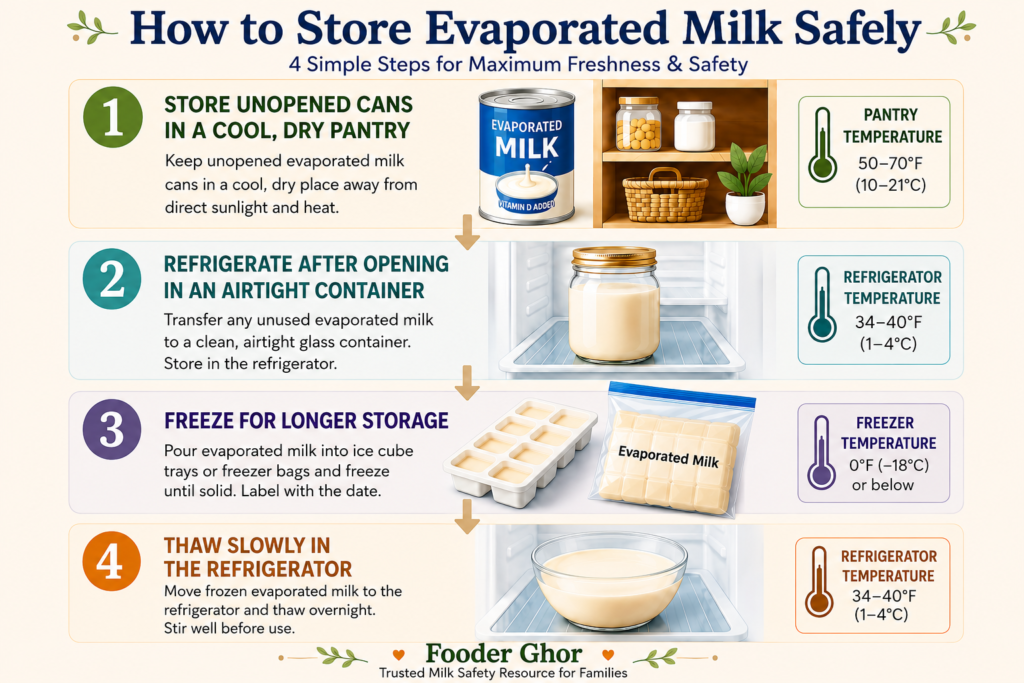
How to Preserve Evaporated Milk in Pantry
Keep sealed cans preserved in a cool, dark, and climate-controlled pantry maintained between 50°F and 70°F. Ensure the storage area stays completely dry to prevent rust from forming on the metal cans. Wipe off top lids before opening to keep dust out of the liquid.
How to Preserve Evaporated Milk in the Freezer
Preserve leftover liquid milk by transferring it into airtight freezer-safe containers, zip-top bags, or ice trays. Label every container with the fill date so you can track storage duration accurately. Store the containers toward the back of the freezer where temperatures remain constant.
For another practical guide to preserving milk for longer storage, check out How to Preserve A2 Milk to learn about suitable containers, freezing methods, labeling, and safe storage practices.
How to Preserve Evaporated Milk in Airtight Containers
Using high-quality airtight glass or BPA-free plastic containers is an effective way to preserve opened evaporated milk in the refrigerator. Clean, airtight seals stop odor transfer from other refrigerated foods and protect the liquid from air exposure. Always seal lids completely immediately after pouring out the needed portion.
Commercial Methods to Preserve Evaporated Milk
Commercial manufacturers preserve evaporated milk by removing roughly 60 percent of the natural water content through gentle vacuum heating. The concentrated milk is then sealed into tin cans and sterilized under high steam heat to destroy microorganisms. This thermal treatment creates a shelf-stable liquid that stays fresh for months without refrigeration.
According to USDA, commercially canned shelf-stable foods are heat processed and sealed in airtight containers to destroy harmful microorganisms and prevent recontamination, allowing unopened products to be stored without refrigeration until opened.
For another practical dairy-storage guide, check out How Long Does Goat Milk Last to learn how long goat milk stays fresh and how to store it safely.
How to Store Fudge Made with Evaporated Milk?
Homemade chocolate fudge made with evaporated milk can be stored in an airtight container at room temperature for up to 2 weeks, or inside the refrigerator for up to 1 month.
To lock in the creamy consistency and protect the dairy base from drawing room moisture, always separate the sliced confectionery layers using clean sheets of parchment paper. According to storage metrics inside the official USDA FoodKeeper Database, keeping the sealed batch in a cool, dark location successfully prevents sugar crystallization and mold growth. If you want to prepare a large household batch ahead of schedule, you can securely wrap the individual squares and keep them inside a deep freezer bag for up to two months.
Can You Thaw Evaporated Milk Safely?
Yes, you can thaw evaporated milk safely by keeping it at controlled cold temperatures until it transitions smoothly back into liquid form.
It’s also worth noting that proper thawing is just as important as the original freezing process. In simple terms, thawing evaporated milk safely requires keeping the liquid at controlled cold temperatures so it transitions from solid ice to liquid smoothly without exposure to warmth.
For more information about potential digestive and nutritional concerns, check out Evaporated Milk Side Effects to understand what to consider when adding evaporated milk to your diet.
How to Handle & Thaw Evaporated Milk
Handling thawed milk requires gentle whisking, and you can thaw it safely using the fridge, cold water baths, or direct cooking heat.
Handling thawed evaporated milk requires a gentle touch because the fat particles and liquid phase naturally separate during freezing. You can thaw evaporated milk in three safe ways based on your cooking schedule. Using refrigerator defrosting, cold water baths, or direct heat integration allows you to prepare the milk safely for your meals.
According to USDA, frozen foods can be safely thawed in the refrigerator or in cold water, while thawing on the kitchen counter should be avoided because food can enter temperatures where harmful bacteria multiply rapidly.
For another practical guide to safely thawing plant-based milk, check out How to Thaw Cashew Milk for step-by-step thawing and handling tips.
3 Ways to Thaw Evaporated Milk
Thawing Evaporated Milk in the Refrigerator
Transfer your frozen container or bag of evaporated milk from the freezer directly into the main compartment of your refrigerator. Allow it to defrost slowly overnight for twelve to twenty-four hours until fully liquid. Once thawed, give the milk a vigorous whisk or quick blend to re-emulsify the fat and liquid components.
Thawing Tip: Freezing causes evaporated milk to naturally separate into watery liquid and fat solids. A quick 10-second whisk with a handheld frother easily restores its original smooth, creamy texture before cooking.
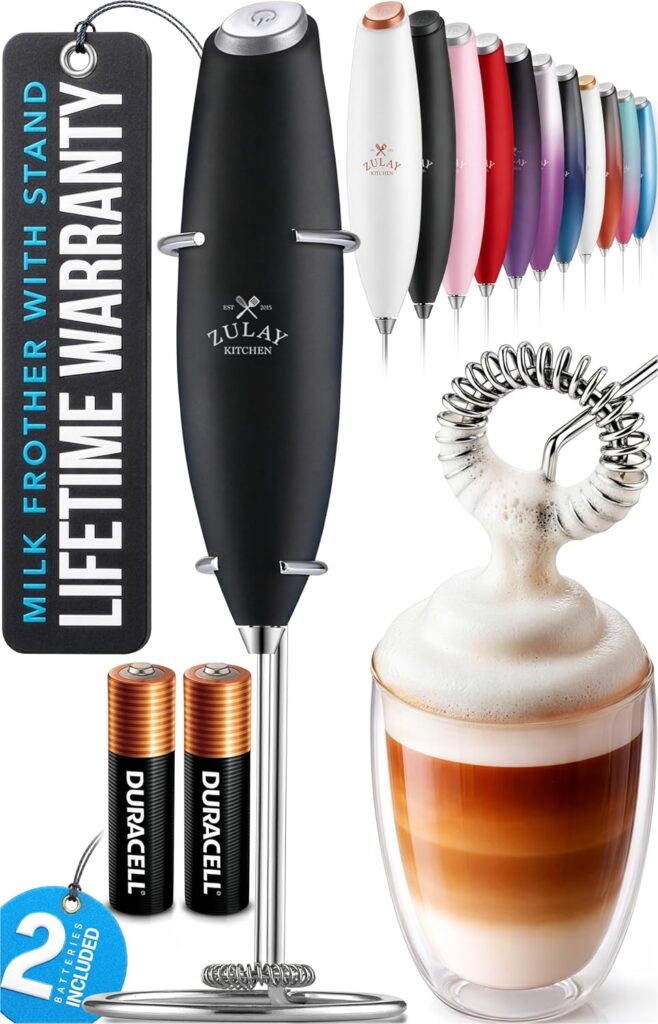
Zulay Powerful Handheld Milk Frother Wand with Stand
- Restores Thawed Milk: Quickly re-emulsifies separated fats and liquids in defrosted evaporated milk within seconds.
- Includes Steel Stand: Features a battery-operated design with a stainless steel stand for neat storage and easy cleaning.
Thawing Evaporated Milk in Cold Water
Place the sealed freezer bag containing frozen evaporated milk into a large bowl filled with cold tap water. Change the water every fifteen minutes to maintain a cool defrosting temperature until the liquid thaws completely. This method defrosts small portions of frozen milk within one to two hours safely.
If you’re also thawing other types of milk, read our guide on how to thaw coconut milk for a simple and safe method to defrost frozen coconut milk.
Adding Frozen Evaporated Milk Directly to Cooking
If you are preparing hot dishes like soups, gravy, or casseroles, you can add frozen milk cubes directly into the warm cooking pot. The ambient heat from the cooking meal thaws the frozen milk cubes rapidly while blending them directly into the recipe sauce. Stir the dish continuously over low heat to integrate the melting liquid evenly.
According to USDA, frozen foods can be safely cooked directly from the frozen state, while thawing in the refrigerator provides a slow and safe method that keeps food at a consistently cold temperature.
Why Trust Fooder Ghor?
At Fooder Ghor, we provide comprehensive, research-backed educational resources on all types of milk including breast milk, dairy (cow, goat, camel, sheep, buffalo), and plant-based alternatives (oat, soy, almond). Our guides cover everything from nutrition, taste, and health benefits to proper storage, shelf life, and safety handling, aligned with official guidance from the CDC, FDA, USDA, and AAP. To maintain the highest standards of scientific accuracy, this article has been medically reviewed by a Public Health Expert (MPH). This content is for educational purposes only and does not substitute for professional medical advice.
Frequently Asked Questions
A: No, you should never store opened evaporated milk in its original metal can. Air exposure causes the metal to oxidize slightly, which can impart an unpleasant metallic flavor into the remaining liquid milk.
A: Freezing causes the water content in evaporated milk to form ice crystals, which separates the liquid phase from the natural fat solids. A thorough whisking or quick blending restores a uniform consistency suitable for cooking.
A: Clean glass jars with airtight lids or food-grade BPA-free plastic containers are the best choices. They prevent air contact and block odors from other foods inside your refrigerator.
A: No, you should never freeze unopened metal cans of evaporated milk. The liquid inside expands as it freezes, which can bulge or burst the metal seams of the can, leading to leaks and contamination.
A: Small portions or ice cubes thaw in about six to eight hours, while larger containers may take up to twenty-four hours to defrost completely inside a standard refrigerator.
No, never refreeze thawed evaporated milk because it severely degrades the product quality and increases the risk of harmful bacterial growth.
IMPORTANT PARENTING NOTE:
Evaporated milk should NOT be used as a breast milk or formula substitute for infants under 12 months. The American Academy of Pediatrics (AAP) recommends only breast milk or infant formula for babies under 1 year. Evaporated milk lacks essential nutrients (iron, vitamin C) for infant growth and development.
Conclusion
So, knowing how to store evaporated milk comes down to applying simple, reliable kitchen storage habits. Unopened cans remain shelf-stable in a cool pantry, while opened liquid requires immediate transfer into airtight glass or plastic containers inside your refrigerator. Freezing evaporated milk in ice trays, freezer bags, or rigid containers offers an easy way to save leftover milk for future cooking recipes, provided you thaw it safely under cold temperatures or directly in warm dishes.
If you are interested in exploring other milk varieties and their storage needs, learn more in our detailed article on how long does oat milk last after opening.
Smart Storage Solutions for Every Kitchen
Don’t let your leftover milk go to waste. Check out these related storage and usage guides:
-
How Long Can Evaporated Milk Last? (Official Guide): Now that you know how to freeze it, learn exactly how long it stays fresh in the pantry and fridge.
-
The Ultimate Guide to Making & Using Condensed Milk: Discover how to use your thawed milk in various homemade recipes and the best storage methods.
-
Can You Freeze Sweetened Condensed Milk? Learn why sweetened milk freezes differently and how to handle its unique texture.
-
Chocolate Brownie with Condensed Milk Recipe: A perfect way to use up your stored milk in a delicious, family-friendly dessert.