Skip to content

Introducing alternative plant beverages into your family lifestyle can offer excellent nutritional diversity. However, many parents frequently research potential reactions before changing their children’s daily diets. Knowing the clear facts about any notable soy milk side effect allows you to make informed, practical decisions for your household’s long-term wellness.
In this clinical and practical overview, we will explore the biological reactions associated with consuming this beverage. We will discuss daily intake boundaries, infant usage warnings, specific effects on females, kidney health considerations, and general allergy management based on official pediatric guidelines.
What You Will Learn in This Guide
A detailed breakdown of the 10 most common side effects associated with soy beverages.
Potential biological changes from consuming plant milks on a daily basis.
Vital safety boundaries regarding infants, young toddlers, and maternal health.
The physical dangers of accidentally consuming spoiled or expired plant liquids.
Clear symptoms of environmental allergies and digestive sensitivities.
Along with understanding the potential side effects of soy beverages, many readers also become curious about its basic sensory profile, including what does soy milk taste like before adding it to their daily diet.
What is a Soy Milk Side Effect?
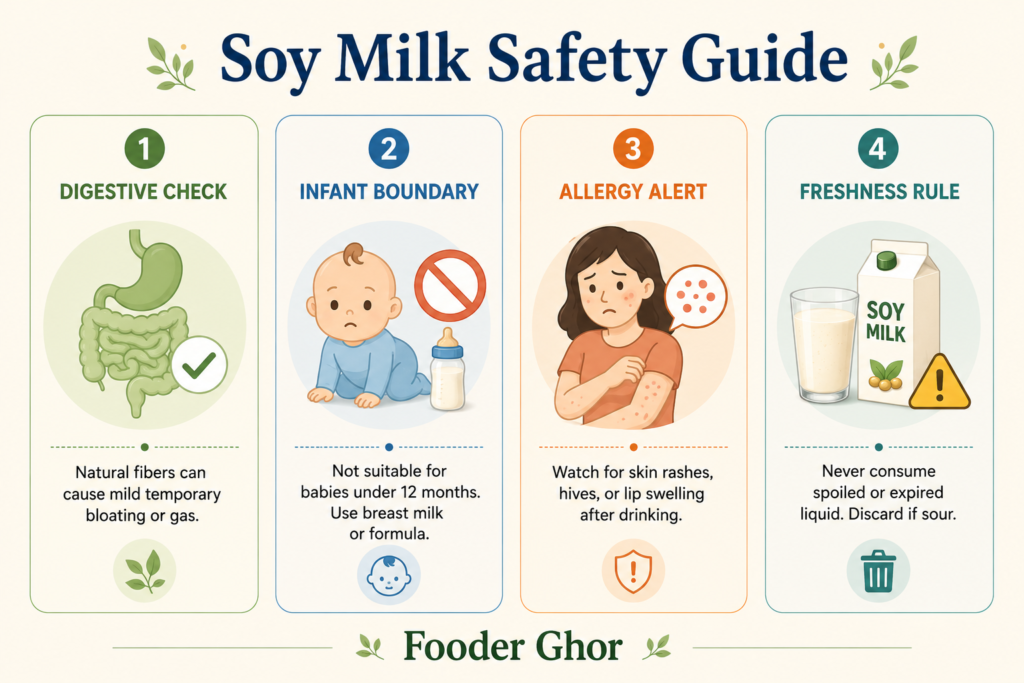
Mild digestive issues, temporary stomach gas, and bloating are the most common reactions experienced when shifting toward plant-based beverages. For most people, these minor bodily responses happen because the digestive tract needs a short window to adapt to new plant fibers.
At the same time, understanding the broader scope of any potential soy milk side effect helps families identify the difference between normal digestion and an actual food intolerance. While commercial store options are highly filtered and safe, some individuals might react to specific plant proteins or added stabilizing gums. Recognizing these early signs ensures that your daily cooking choices remain comfortable and gentle for everyone at the family table.
While soy milk may cause mild digestive adjustments in some individuals, similar considerations also apply to other plant-based options, such as potential almond milk side effect in sensitive users.
10 Notable Soy Milk Side Effects You Should Know
Consuming plant-based products affects every individual differently depending on their age, existing health profile, and total daily intake. While it is a popular dairy alternative, being aware of these potential outcomes is a helpful thing to know for everyday meal planning.
Here is a detailed look at 10 common soy milk side effects and soya bean milk side effects documented in standard nutritional studies.
1. Stomach Bloating and Gas
Whole soybeans naturally contain complex carbohydrates known as oligosaccharides, which the human stomach cannot break down easily. This can cause mild abdominal pressure and lower digestive gas as gut bacteria work to ferment the plant sugars.
2. Mild Digestive Discomfort
Some store brands like Silk include added thickeners like gellan gum or carrageenan to give the liquid a traditional creamy texture. For sensitive individuals, these additives can sometimes trigger minor intestinal irritation or a temporary change in bowel movements.
👉 To explore the exact contents of these commercial store cartons, review our guide on what is soy milk.
3. Allergic Skin Reactions
Individuals with a genetic legume sensitivity can experience a distinct soy milk side effects in females and children involving sudden skin hives, red rashes, or persistent itching. This occurs when the human immune system mistakenly identifies the plant protein as a dangerous invader.
4. Mineral Absorption Interference
Soybeans contain naturally occurring compounds called phytates, which can bind to essential minerals like iron and zinc inside your digestive system. Over time, excessive consumption might reduce the total amount of these vital nutrients that your body can successfully absorb from everyday recipes.
👉 To learn how proper boiling techniques break down these specific mineral-blocking compounds at home, check out our tutorial on how to make soy milk.
5. Increased Oxalate Levels
This plant beverage contains a moderate amount of natural food oxalates, which are compounds excreted through the urinary tract system. According to USDA nutritional data, soybeans contain moderate oxalate levels that may contribute to kidney stone formation in susceptible individuals.
6. Thyroid Function Interference
Soy contains organic compounds called isoflavones, which can sometimes interfere with how the human body utilizes iodine to create essential thyroid hormones. For most families with adequate iodine intake, this is rarely an issue, but it remains an important factor to monitor.
7. Hormonal Imbalances from Excess Use
The natural phytoestrogens found in whole beans mimic the hormone estrogen in a very weak way within the human body. While normal dietary portions are completely balanced, consuming immense amounts every day can occasionally lead to minor hormonal fluctuations in young children.
8. Early Satiety and Reduced Appetite
Because this fluid has a high plant protein density, it takes longer to pass through the stomach compared to water or lighter rice milks. For young toddlers, this rich consistency can make them feel full too quickly, causing them to skip their regular balanced solid meals.
9. Acute Spoiled Milk Illness
Drinking plant liquid that has sat out on the kitchen counter too long can lead to sudden, painful food poisoning symptoms. Microscopic pathogens multiply rapidly in warm environments, making the fluid dangerous for human consumption.
👉 For a complete breakdown of safe refrigerator timelines and room temperature limits, see our guide on how long does soy milk last.
10. Nutritional Imbalances in Toddlers
Relying entirely on plant beverages without offering a diverse array of whole foods can lead to childhood calorie deficiencies. Standard commercial options do not naturally contain the exact fat ratios required for early neurological development unless specifically fortified.
Daily Intake Risks: Side Effects of Drinking Soy Milk Everyday

Consuming plant-based dairy alternatives every single morning can occasionally lead to minor stomach bloating and digestive regularity issues. According to USDA food safety guidelines, moderate plant milks can be included in a child’s diet after one year, but it should never fully replace a diverse intake of solid proteins and healthy fats.
When analyzing the side effects of drinking soy milk everyday, moderation is always the best path for maintaining family health. If your children consume multiple large glasses with every meal, the side effects of drinking too much soy milk can manifest as sudden dietary fullness and a lack of interest in evening meals. At the same time, brands like Sofit or Silk are safe for daily use, but checking the label for added sugars is essential. The silk soy milk side effects and sofit soya milk side effects usually relate directly to excessive cane sugar consumption rather than the actual soy base itself.
While understanding potential daily intake risks is important, it is equally useful to look at the overall nutritional advantages and health value of plant-based milk, such as the soy milk benefits it can offer when consumed in moderation.
Pediatric Safety: Soy Milk for Infants Side Effects
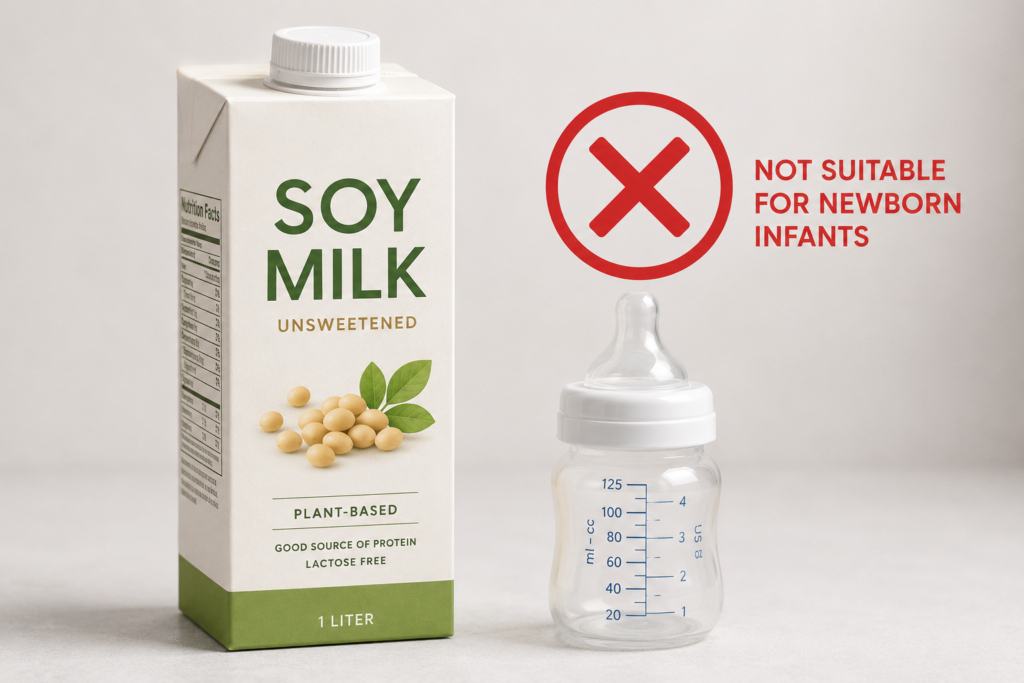
Standard commercial plant-based beverages are completely unsafe for infants under 12 months old and can cause severe nutritional deficiencies. The American Academy of Pediatrics (AAP) explains that an infant’s delicate digestive system cannot properly process the complex proteins found in plant milks, and these drinks lack the specific fat ratios required for early brain growth.
If a parent attempts to replace breast milk or official infant formula with plant milks, the soy milk for infants side effects can include severe malnutrition, anemia, and delayed physical development. Additionally, utilizing alternative options like a soy milk powder side effects can include dangerous electrolyte imbalances if the powder is not mixed with water according to exact clinical instructions. For infants, sticking strictly to human milk or scientifically designed iron-fortified formula is an absolute necessity for early survival.
👉 Many parents who understand that plant-based milks are not suitable for infants often also compare different dairy options for older children and adults, including whether is skim milk healthy for regular daily consumption.
Maternal Health: Drinking Soy Milk During Pregnancy Side Effects
Consuming moderate amounts of plant milk during pregnancy is generally safe, but excessive intake might introduce unwanted hormonal variations due to natural phytoestrogens. According to nutrition information published by the USDA, fortified plant milks can provide a helpful source of prenatal calcium and vitamin D for mothers who suffer from severe lactose intolerance.
However, understanding the potential drinking soy milk during pregnancy side effects requires a balanced look at your total daily diet. Phytoestrogens can weakly bind to estrogen receptors in the body, which is why some medical experts recommend limiting intake to 1 or 2 glasses per day. Maintaining this balanced, moderate approach ensures that you receive excellent plant proteins without overloading your system during critical stages of fetal development.
👉 To see how maternal nutritional properties compare across different milks, read our detailed guide on why is my breast milk not fatty.
Kidney Health: Soy Milk Side Effects on Kidneys
Individuals with existing renal concerns or a history of kidney stones may experience an increase in urinary oxalate levels after drinking soy beverages. According to USDA nutritional data, soybeans contain moderate oxalate levels that may contribute to kidney stone formation in susceptible individuals.
The specific soy milk side effects on kidneys relate directly to two primary components: oxalates and plant phosphorus. Because the kidneys are responsible for filtering out excess minerals from the bloodstream, drinking massive quantities can place extra work on compromised systems. For a typical healthy parent or child, processing these organic elements is simple and completely safe, but moderation remains a smart kitchen practice for long-term bodily wellness.
While soy milk side effects on kidney health are important to consider for sensitive individuals, many readers also explore alternative dairy options that are often discussed for their unique nutritional profile, such as camel milk benefits.
Allergic Reactions: Side Effects of Soy Milk Allergy
An authentic legume allergy can trigger immediate physical symptoms such as facial swelling, hives, breathing difficulties, or severe abdominal cramping. Based on health guidance from the CDC, soy is recognized as one of the major food allergens in the United States, requiring clear labeling on all commercial food products.
The side effects of soy milk allergy can range from mild skin irritation to severe, life-threatening anaphylaxis in rare cases. If a young child experiences sudden coughing, tongue swelling, or a red rash around their mouth after a single sip, you must stop using the product immediately and seek medical attention. Managing a side effects of drinking soy milk allergy means carefully checking ingredient labels on all processed foods to protect your family from accidental exposure.
While soy milk allergy can cause serious reactions in sensitive individuals, many people switch to other plant-based options and also explore possible sensitivities related to them, such as almond milk side effect.
Fitness Context: Soy Milk Side Effects Bodybuilding
Athletes who use plant milks as their primary protein source may occasionally experience minor workout bloating and slower muscle recovery compared to dairy consumers. In everyday cooking and fitness routines, many individuals prefer plant options because they are naturally cholesterol-free and lower in saturated fat.
However, the soy milk side effects bodybuilding community discusses frequently involves the complete amino acid profile of plant proteins. While soy is a complete plant protein, its digestion rate is slightly different than whey or casein dairy products. Additionally, consuming immense amounts of unfermented soy powder can sometimes lead to lower digestive weight gas during intensive heavy lifting sessions, which is why blending it with other alternative options can be highly beneficial.
👉 To see how plant proteins compare directly with traditional farm options, review our upcoming guide on soy milk vs cow milk.
Spoilage Dangers: Side Effects of Drinking Expired Soy Milk
Consuming a spoiled plant-based beverage can result in immediate bacterial food poisoning, severe vomiting, diarrhea, and painful stomach cramps. Once a carton passes its safe structural limit, environmental bacteria consume the plant sugars and create toxic metabolic waste products.
The side effects of drinking expired soy milk are highly unpleasant and completely preventable with proper kitchen safety checks. If you accidentally swallow fluid that has a sour, vinegary odor or a thick, clumpy consistency, monitor your body closely for signs of dehydration. According to USDA food safety guidelines, foodborne pathogens can cause severe illness, so throwing out suspicious cartons is always the safest option.
👉 While it is important to understand the risks of consuming expired soy milk, it is equally valuable to learn about its overall nutritional profile when it is fresh and safe to drink, such as soy milk nutrition.
Why Trust Fooder Ghor?
At Fooder Ghor, we provide educational resources focused on understanding the safe use, handling, and storage of different types of milk, including breast milk, cow’s milk, goat milk, and raw milk, based on publicly available guidance from trusted sources such as the CDC, FDA, USDA, and AAP. Some milk-related articles, particularly those involving maternal and infant feeding topics, are reviewed for clarity and presentation by nursing students with academic training in maternal and child health to help make information easier to understand. This content is provided for learning purposes only and does not offer medical advice.
Most Common Frequently Asked Questions
No, current nutritional studies show that soy contains natural anti-inflammatory compounds and does not cause joint discomfort in healthy individuals.
While safe from an allergen perspective, flavored varieties contain high amounts of added sugars, so regular unsweetened options are better for daily use.
Yes, you can transition back to dairy or try other plant alternatives like oat or almond milk if your stomach remains sensitive to legumes.
👉 To explore other gentle dairy options for your family pantry, read our guide on is goat milk good for you.
Dizziness is not a standard reaction and typically indicates an undiagnosed allergic sensitivity or a sudden blood pressure drop from a soy protein intolerance.
Conclusion
Understanding any potential soy milk side effect is a valuable asset for parents managing a modern household menu. While mild issues like stomach gas, bloating, or minor mineral binding can occur with heavy daily intake, moderate consumption remains perfectly safe and healthy for adults and older children. Always avoid introducing plant milks to infants under one year old, look out for sudden allergen skin rashes, and discard expired cartons immediately to keep your family safe and thriving.
👉 If you want to expand your knowledge on another popular non-dairy kitchen staple, read our complete guide on is oat milk dairy free.