Skip to content



Many families switch to plant based beverages to enjoy a lighter alternative to standard dairy. While this nut liquid brings various benefits to your morning routine, it is equally essential to look at the potential drawbacks. Understanding almond milk side effects helps you make informed choices for your daily kitchen setup and prevents unexpected digestive issues.
In simple terms, consuming this drink can sometimes trigger stomach irritation, allergic reactions, or nutritional deficiencies if it is used improperly as a total milk replacement.
Quick Summary
- The most common digestive and systemic reactions to nut based beverages.
- How excessive consumption impacts your body and specific internal organs.
- Crucial safety warnings regarding infants, toddlers, and pregnant mothers.
- Brand specific concerns and the hidden dangers of drinking a spoiled product.
For most households, balance is the key to safe healthy living. If you are researching how other alternative options affect your body, check out our guide on is raw milk bad for you to understand dairy safety.
Quick Answer: What Are the Main Almond Milk Side Effects?
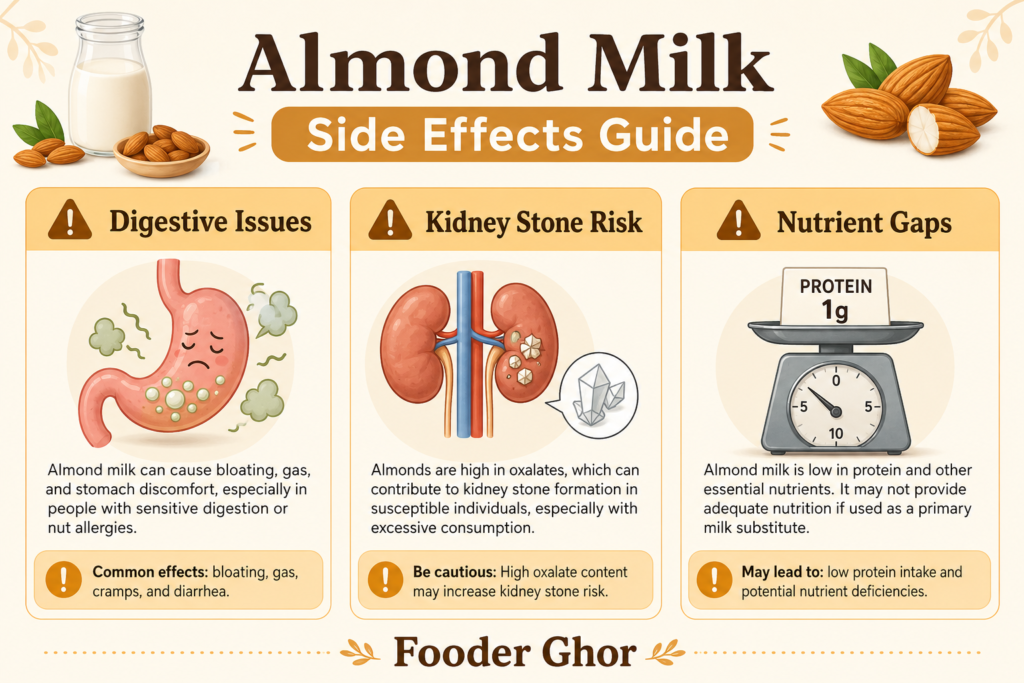
Drinking this plant beverage can cause unwanted reactions like bloating, stomach cramps, and severe allergic responses in individuals sensitive to tree nuts. It can also lead to nutrient gaps if it is not balanced with high protein foods.
👉 For guidelines on managing plant alternative storage safely, see our complete guide on how long does almond milk last.
| Cause of Side Effect | Primary Symptom | Target Audience Impact | Safe Prevention Tip |
| Severe Nut Allergy | Hives, swelling, breathing issues | Anyone with tree nut allergies | Avoid completely; switch to oat milk |
| Added Sugar & Gums | Bloating, gas, stomach irritation | Sensitive stomachs, Diabetics | Choose plain unsweetened versions |
| Overconsumption | Digestive issues, nutrient imbalances | Daily heavy consumers | Limit to 1 or 2 glasses per day |
| Spoiled Liquid | Food poisoning, vomiting, diarrhea | Everyone in the family | Check for sour smells before drinking |
Proper storage and recognizing spoilage signs are essential to reduce the risk of foodborne illness, especially when serving beverages to children or older adults.
Digestive and General Almond Milk Side Effects
Consuming this liquid can frequently lead to significant gas, abdominal bloating, and stomach distress due to the synthetic thickeners added during commercial processing. These additives can easily irritate a sensitive digestive tract.
The FDA recommends reading ingredient labels carefully because additives such as carrageenan and vegetable gums are commonly used to improve texture and consistency in processed foods and beverages.
In many cases, choosing options with fewer ingredients is helpful for everyday cooking. For most people, identifying unsweetened almond milk side effects vs sweetened almond milk side effects shows that sweetened versions cause worse stomach issues. The high amounts of processed cane sugars feed bad gut bacteria, leading to painful fermentation and cramping. If you want to understand how other processed milks affect digestion, review our post on can evaporated milk go bad.
Risks of Drinking Too Much Almond Milk
Flooding your system with multiple glasses of this beverage every single day can result in nutritional imbalances and mild digestive issues due to a lack of essential macronutrients. Moderation is vital for your daily diet.
According to the USDA FoodData Central database, almond milk generally contains less protein than traditional cow milk, so it should be consumed as part of a balanced diet that includes other nutrient-rich foods. To help you structure your family’s overall nutritional intake better, you can take a look at our standard data on cow milk nutrition facts.
Phytic Acid and Mineral Antinutrient Hazards
Almonds naturally contain phytic acid, a naturally occurring plant compound classified as an antinutrient. According to NIH nutritional studies, phytic acid can bind to essential minerals like iron, zinc, and magnesium in the digestive tract before they are absorbed. Consuming excessive amounts of almond milk (beyond normal consumption) alongside iron-rich foods may slightly reduce mineral absorption in some cases, though this risk is minimal with a balanced diet.
For a closer look at the nutrients found in almond milk and how they contribute to your daily intake, check out Almond Milk Nutrition Facts for a detailed guide.
Almond Milk Goitrogens and Thyroid Health Interference
Raw almonds contain trace amounts of goitrogenic compounds, which are natural substances capable of interfering with iodine absorption. The National Institutes of Health (NIH) highlights that adequate iodine intake is essential for maintaining normal thyroid hormone synthesis. While casual consumption of almond milk poses minimal concern, heavy daily intake of almond-based beverages can inhibit iodine uptake by the thyroid gland, potentially worsening symptoms for individuals managing hypothyroidism or iodine deficiency disorders.
For more information about the potential health effects and dietary considerations of soy milk, check out Soy Milk Side Effects for a detailed guide.
Sweetened Varieties and Blood Sugar Spikes in Diabetics
While plain unsweetened almond milk has a low glycemic index, commercially sweetened and flavored varieties contain high amounts of added cane sugars and carbohydrates. According to FDA nutrition labelling guidelines and the American Diabetes Association (ADA), consuming sweetened nut milks can cause rapid blood glucose spikes and sudden insulin surges. Individuals managing Type 2 diabetes or prediabetes must carefully inspect nutritional labels for added sugars to avoid metabolic disruptions and glycemic volatility.
Impact on Women’s Health and Pregnancy
Expecting mothers need to be cautious because some store bought varieties contain specific additives that can interfere with mineral absorption or trigger subtle hormonal changes. It requires careful product selection during this life stage.
The American Academy of Pediatrics (AAP) explains that maintaining a highly varied, nutrient dense diet during pregnancy is critical for fetal growth and maternal bone health.
Pregnant women need adequate protein and iodine for the baby’s brain development, which plain nut liquids cannot provide on their own. For a broader look at the benefits and nutritional value of this beverage, you can also read our guide on almond milk health benefits.
Severe Dangers for Infants and Babies
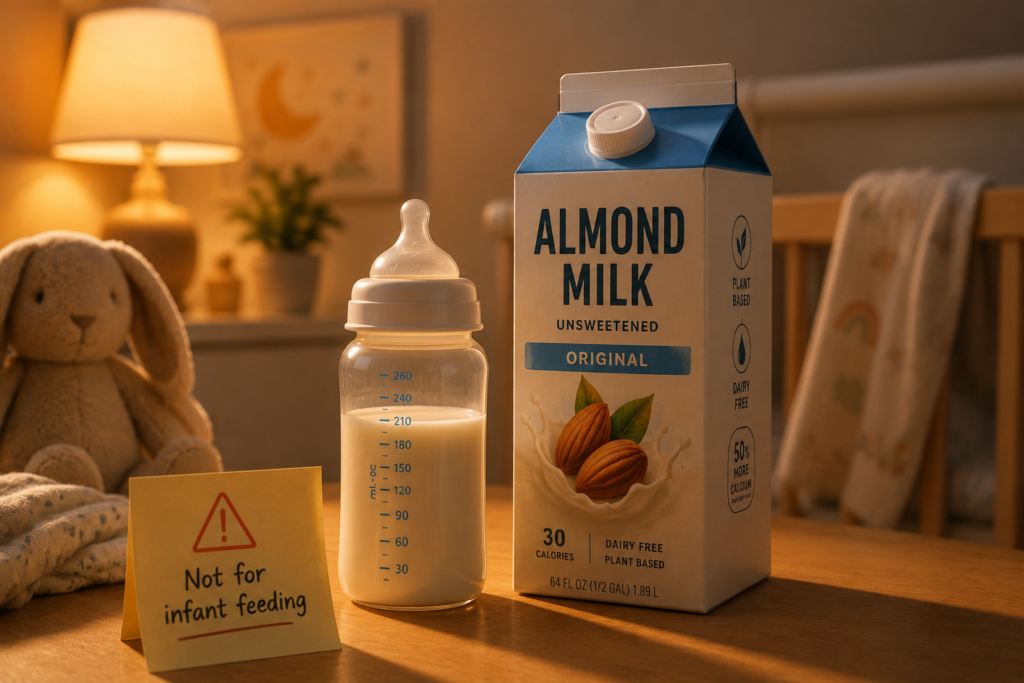
Using this nut drink as a primary formula substitute can lead to severe malnutrition, dangerous weight loss, and critical developmental delays in young infants. It lacks the complex nourishment found in breast milk or real formula.
The American Academy of Pediatrics (AAP) strongly warns that plant based milks should never be given to infants under one year old as a replacement for breast milk or infant formula.
Parents must realize that an almond milk side effect babies experience is tied directly to survival nutrients. The liquid does not have the essential fatty acids or calories required for rapid infant brain growth. If you are focusing on safe early stage development feeding, read our comprehensive guide on motif breast milk storage bags guide.
Almond Milk Side Effects on Kidneys
Almonds contain moderate levels of oxalates. While susceptible individuals should monitor intake, almond milk’s oxalate content is relatively lower than leafy greens or other high-oxalate foods. These compounds can accumulate in the urinary tract over time.
People who are prone to kidney stones may wish to monitor their intake of high-oxalate foods and beverages as part of an overall kidney-health plan. Individual risk can vary depending on diet, hydration, and medical history.
The National Institute of Diabetes and Digestive and Kidney Diseases (NIDDK) notes that some kidney stones form when oxalates bind with calcium in the urinary tract, creating calcium oxalate crystals.
In everyday cooking, this is an important thing to know if you already have a history of renal issues. For most people, keeping your intake moderate prevents these crystalline structures from forming. If you want to compare how plant based oxalates match up against alternative dairy options, review our insights on is skim milk healthy.
Brand Specific Risks: Silk, Alpro, and Barista Editions
Commercial store-bought versions often contain unique stabilizing agents or higher oil contents that can trigger mild nausea or digestive heaviness in sensitive individuals. Each brand uses a slightly different chemical formula.
The FDA states that commercial plant milks must meet strict safety standards, but individual tolerances to specific thickening agents can still vary widely among consumers.
To help you stay safe, look at this list detailing a quick breakdown of almond milk side effects and brand differences:
- Silk Varieties: Individual tolerances to specific brands vary. Some consumers report mild digestive changes, though this is not clinically proven for specific brands.
- Alpro Cartons: The alpro almond milk side effect usually relates to the sweetening agents or emulsifiers in their flavored lines, which can cause gas in sensitive stomachs.
- Barista Blends: A standard barista almond milk side effect involves a heavier digestion process. These versions contain added vegetable oils to help the liquid foam for coffee, which increases calories and fat.
For a deeper look into dairy alternatives and how they interact with your digestive health, read our guide on does skim milk have lactose.
Dangers of Drinking Spoiled Almond Milk

Consuming a carton that has gone past its shelf life can result in severe bacterial food poisoning, leading to sudden vomiting, intense stomach cramps, and dehydration.
Health guidance from the CDC’s food poisoning prevention resources mentions that drinking or eating spoiled perishable items can increase the risk of foodborne illness, making proper storage and timely disposal important for safety.
If you want to learn how to spot these warning signs early before anyone gets sick, check out our helpful visual guide on how to tell if almond milk is bad.
Why Trust Fooder Ghor?
At Fooder Ghor, we provide comprehensive, research-backed educational resources on all types of milk including breast milk, dairy (cow, goat, camel, sheep, buffalo), and plant-based alternatives (oat, soy, almond). Our guides cover everything from nutrition, taste, and health benefits to proper storage, shelf life, and safety handling, aligned with official guidance from the CDC, FDA, USDA, and AAP. To maintain the highest standards of scientific accuracy, this article has been medically reviewed by a Public Health Expert (MPH). This content is for educational purposes only and does not substitute for professional medical advice.
Most Common Frequently Asked Questions
A: Yes, if you have a tree nut allergy, drinking it can cause immediate hives, swelling, wheezing, or anaphylaxis. It must be avoided completely in those cases.
A: Almonds contain goitrogens, which can potentially impact iodine absorption if consumed in massive amounts. If you have severe thyroid conditions, keep your intake moderate.
A: Barista editions often contain added oils and stabilizers to help the liquid steam and froth smoothly, which makes it heavier and harder for some stomachs to break down.
A: While it is dairy free, sweetened or heavily flavored versions contain high amounts of processed sugar, which can increase inflammation and potentially lead to skin breakouts.
Conclusion
So, what are the main almond milk side effects? While it serves as a wonderful, light option for many homes, drinking too much can trigger kidney stone risks, severe stomach bloating, and nutritional gaps for young children. Choosing plain unsweetened options and checking for freshness before every pour keeps your family completely safe from these hidden kitchen risks.
For a practical guide to preparing fresh almond milk at home, check out How to Make Almond Milk at Home for step-by-step instructions.
If you are thinking about trying a completely different, allergen friendly alternative for your recipes, read our simple guide on how to make oat milk.