Skip to content

Almond milk has quickly become a highly popular choice in many homes across the United States. Many families use this because it offers a distinct flavor profile and a wealth of natural properties that work well in everyday cooking. If you are a parent looking for a simple, family-friendly alternative to traditional dairy, you might be wondering how it tastes and behaves at the breakfast table.
In simple terms, knowing what does almond milk taste like helps you decide if it will fit into your children’s daily meal routines smoothly. This ultimate guide covers everything from the physical appearance of the liquid to the sensory differences between sweetened, unsweetened, and expired varieties. We will also share crucial visual cues regarding store packaging and spoilage factors to help you navigate this unique plant-based alternative safely.
Quick Summary: Flavor and Visual Characteristics
Taste Profile: It delivers a light, refreshing, and distinctly nutty flavor with a crisp, watery consistency.
Liquid Color: The appearance is a soft, creamy off-white or light beige that looks slightly less opaque than cow dairy.
Texture Density: It maintains a thin body rather than a heavy, coating feel on the tongue.
Form Factors: Available in ready-to-pour cartons (sweetened or plain) and convenient shelf-stable powder varieties.
What Is Almond Milk?
Almond milk is a plant-based dairy alternative made by blending whole almonds with water and filtering out the solid pulp to create a smooth, milk-like liquid.
Because this beverage is entirely plant-derived, parents often select it as a premium option for individuals with sensitive digestive responses or dairy allergies. It stands as a reliable, natural liquid that brings a nutty, refreshing touch directly to your modern kitchen counter. If you are planning long-term household menus and want to compare how animal alternatives behave, checking our guide on what does camel milk taste like provides an excellent sensory benchmark.
Almond Milk Ingredients
Commercial versions typically feature a very short list of core elements: purified water, ground almonds, vital mineral fortifications, and natural stabilizers like gellan gum.
Purified Water: Forms the hydrating base of the beverage.
Ground Almonds: Supplies the signature nutty oils and micro-nutrients.
Vitamins and Minerals: Often enriched with calcium and vitamin D to match traditional dairy.
For parents who prefer complete control over exactly what enters their household pantry, preparing a fresh batch by hand is incredibly simple. You can read our complete recipe on how to make almond milk to master this clean kitchen skill safely and eliminate grocery store preservatives entirely.
What Does Almond Milk Taste Like?

Almond milk tastes mildly nutty, slightly sweet, and refreshing with a light, smooth texture. Unsweetened varieties have a more neutral flavor, while sweetened and vanilla versions are richer and sweeter.
Unlike whole animal dairy, which can feel heavy or velvety, this fluid carries a thin consistency that mirrors skimmed cow milk. Many families use this beverage as a clean substitute because its mild nuttiness does not overpower breakfast bowls or daily recipes. To help parents understand the core sensory differences across the main market styles, here is a breakdown of variations like what does plain almond milk taste like and what does unsweetened almond milk taste like:
Flavor Profile Chart by Variety
| Variety Type | Precise Flavor Experience | Best Kitchen Application |
| What does unsweetened almond milk taste like | Crisp, strictly nutty, completely sugar-free, and neutral | Savory soups, grain dishes, and low-calorie shakes |
| What does sweetened almond milk taste like | Noticeably sweet, dessert-like, with a vanilla-forward nutty finish | Cereal bowls, morning oatmeal, and baking recipes |
| What does plain almond milk taste like | Balanced, naturally mild, with zero added flavor extracts | Everyday drinking glasses and general baking |
According to the FDA, ingredient lists and nutrition labels can help consumers identify differences in sweetened and unsweetened beverage products, including added sugars and flavoring ingredients.
👉 While most people enjoy its mild flavor, it’s also worth understanding potential almond milk side effects, especially if you have nut allergies or specific dietary concerns.
Does Almond Milk Actually Taste Like Almonds?
Many first-time buyers expect almond milk to taste exactly like raw almonds. In reality, the flavor is much milder. Because commercial almond milk contains a high proportion of water, the nutty flavor is subtle rather than overpowering. Most people describe it as lightly toasted, slightly sweet, and refreshing instead of tasting like eating a handful of almonds.
What Does Almond Milk Smell Like?
Fresh almond milk has a light, clean aroma with a subtle nutty scent. Unsweetened varieties usually smell mild and neutral, while vanilla or sweetened versions may have a slightly sweeter fragrance. Unlike cow’s milk, almond milk does not have a strong creamy dairy aroma, making it appealing to people who prefer lighter-tasting beverages.
What Does Almond Milk Taste Like in Everyday Drinks?
Integrating a plant-based beverage into your morning routine changes the flavor dynamics of your favorite household drinks in very specific ways.
What does almond milk taste like in coffee: It adds a pleasant roasted nut accent to dark roasts, though unsweetened versions can sometimes leave a slightly watery texture compared to heavy creamers.
What does almond milk taste like in smoothies: It blends beautifully with bananas and berries, providing a smooth, non-competing liquid base that highlights the natural fruit flavors.
What does almond milk tea taste like: It introduces a toasted, nutty finish to black or chai tea leaves, creating a comforting, dairy-free alternative to traditional afternoon milk tea.
According to FDA nutrition guidance, consumers can use nutrition labels and ingredient information to compare beverage options and choose products that best fit their dietary preferences and nutritional goals.
👉 If you’re curious about what these drinks add to your daily diet, almond milk nutrition breaks down the calories, protein, vitamins, and minerals found in different varieties.
How Does Almond Milk Feel in Your Mouth?
Although flavor is the first thing most people notice, texture also plays an important role in the overall drinking experience.
Most almond milk feels:
- Light
- Smooth
- Thin
- Easy to drink
- Less creamy than whole milk
Barista versions usually feel creamier because they contain additional stabilizers designed for coffee drinks.
Processing methods can also influence the final texture and consistency of commercial almond milk. If you’re curious about how commercial almond milk is processed for safety and quality, read our complete guide on How to Pasteurize Almond Milk.
What Does Almond Milk Taste Like Compared to Regular Milk?
When evaluating what does almond milk taste like compared to regular milk, the plant option is much thinner, significantly less creamy, and entirely devoid of animal fats.
Whole cow dairy has a distinct sweetness driven by natural lactose sugars, whereas plain plant fluids rely strictly on nutty oils for their flavor background. If you want to see how these macronutrient densities alter your long-term health metrics, reviewing our comprehensive guide on cow milk nutrition provides a wonderful nutritional benchmark for the table.
What Color Is Almond Milk?
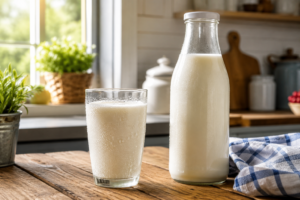
The natural appearance of fresh almond milk is a soft, creamy off-white or light beige color that looks clean and consistent.
Unlike standard animal dairy, which is stark white, this plant fluid pulls its subtle brown and cream undertones directly from the natural almond skins processed during blending. For example, popular commercial brands like what color is silk almond milk show this exact uniform, light-tan presentation when poured directly into a clear glass. Keeping your cartons properly chilled inside the refrigerator preserves this attractive look for your daily family breakfast.
The FDA states that consumers should look for consistent appearance, color, and texture when evaluating the freshness and quality of refrigerated food and beverage products.
👉 Curious about more than just the color? Read our complete guide on almond milk vs cow milk to compare their appearance, taste, texture, and overall nutritional differences.
Packaging Guidelines: What Color Container Is Almond Milk?

Grocery store coolers use specific packaging colors to help busy parents identify different sugar levels instantly on the shelf.
What color container is unsweetened almond milk: Manufacturers almost universally use bright green tabs, caps, or side panels to signal a completely sugar-free formula.
What color container is sweetened almond milk: Brands typically use deep blue or dark tan packaging markers to indicate that natural cane sugar or vanilla has been added.
General Brand Rules: Recognizing what color container is almond milk lines quickly helps you avoid picking up the wrong variety during a hectic weekly shopping trip.
Choosing the right carton is only part of the process. Knowing does almond milk go bad can help you store it properly and avoid using a product that has passed its peak freshness.
Why Does Almond Milk Taste Different Between Brands?
Several factors influence flavor, including:
- Almond concentration
- Sweeteners
- Vanilla flavoring
- Stabilizers
- Fortification
- Roasting level of almonds
As a result, one brand may taste richer while another feels lighter and more neutral.
👉 If you’re deciding between popular plant-based alternatives, read our complete guide on almond milk vs coconut milk to compare their taste, texture, and everyday uses.
What Affects the Taste of Almond Milk?
The final flavor depends on several factors, including:
- Sweetened vs. unsweetened formulation
- Homemade vs. store-bought preparation
- Amount of almonds used
- Added vanilla or cocoa
- Fortified ingredients
- Serving temperature
Cold almond milk generally tastes fresher and more refreshing than room-temperature almond milk.
👉 Freshness also plays a role in overall flavor. To learn how long almond milk stays fresh before its taste and quality begin to change, read our complete guide on how long does almond milk last.
Which Almond Milk Tastes Best?
The best-tasting almond milk depends on personal preference.
- Unsweetened → clean, neutral flavor
- Original → balanced sweetness
- Vanilla → dessert-like flavor
- Chocolate → richer taste
What Is Almond Milk Powder?
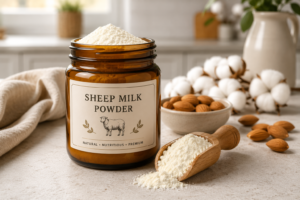
Almond milk powder is a shelf-stable form of almond milk made by removing moisture from the liquid to create a fine, dissolvable powder. When mixed with water, it quickly turns back into a smooth, dairy-free beverage with a mild nutty flavor.
👉 If you’d like to learn more about how almond milk powder is made, how it tastes, and how to use and store it, read our complete guide on almond milk powder.
Why Trust Fooder Ghor?
At Fooder Ghor, we provide educational resources focused on understanding the safe use, handling, and storage of different types of milk, including breast milk, cow’s milk, goat milk, and raw milk, based on publicly available guidance from trusted sources such as the CDC, FDA, USDA, and AAP. Some milk-related articles, particularly those involving maternal and infant feeding topics, are reviewed for clarity and presentation by nursing students with academic training in maternal and child health to help make information easier to understand. This content is provided for learning purposes only and does not offer medical advice.
Frequently Asked Questions
A: Because it lacks synthetic stabilizers, natural nut particles settle over time; a quick, vigorous shake restores the uniform texture instantly.
A: While almonds are tree nuts rather than peanuts, health professionals advise individuals with any severe nut allergies to avoid it to prevent cross-reactivity.
A: Yes, it swaps perfectly into pancake batters and muffin recipes at a simple 1:1 ratio, though it will add a mild nutty undertone to the final product.
Conclusion
In summary, what does almond milk taste like? It offers a delightfully mild, nutty, and refreshing liquid that can easily be customized through sweetened or unsweetened kitchen varieties. By mastering simple package color keys at the grocery store, checking for gray color shifts to prevent spoilage, and utilizing powders for shelf-stable backups, you can navigate this dairy alternative effortlessly. Always prioritize fresh, properly stored cartons to ensure your family enjoys a premium, safe drinking experience at every single meal.
👉 If you’re thinking about making it a regular part of your diet, is almond milk good for you explores its nutritional benefits, potential drawbacks, and how it compares with other milk alternatives.