Skip to content
Camel milk has grown in popularity in some markets for its distinct flavor and culinary uses; note that popularity does not imply it is suitable for everyone, and safety depends on processing and handling. Parents considering camel milk should first confirm products are commercially pasteurized and follow storage instructions before offering it to children.
In simple terms, knowing what does camel milk taste like helps you decide if it will fit into your children’s daily meal routines smoothly. This ultimate guide covers everything from the physical appearance of the liquid to the sensory differences between raw and powdered varieties. We will also share crucial storage and label facts to help you navigate this unique alternative safely.
Quick Summary: Flavor and Visual Characteristics
Taste Profile: It delivers a surprisingly clean, refreshing taste that is subtly salty with a touch of natural sweetness.
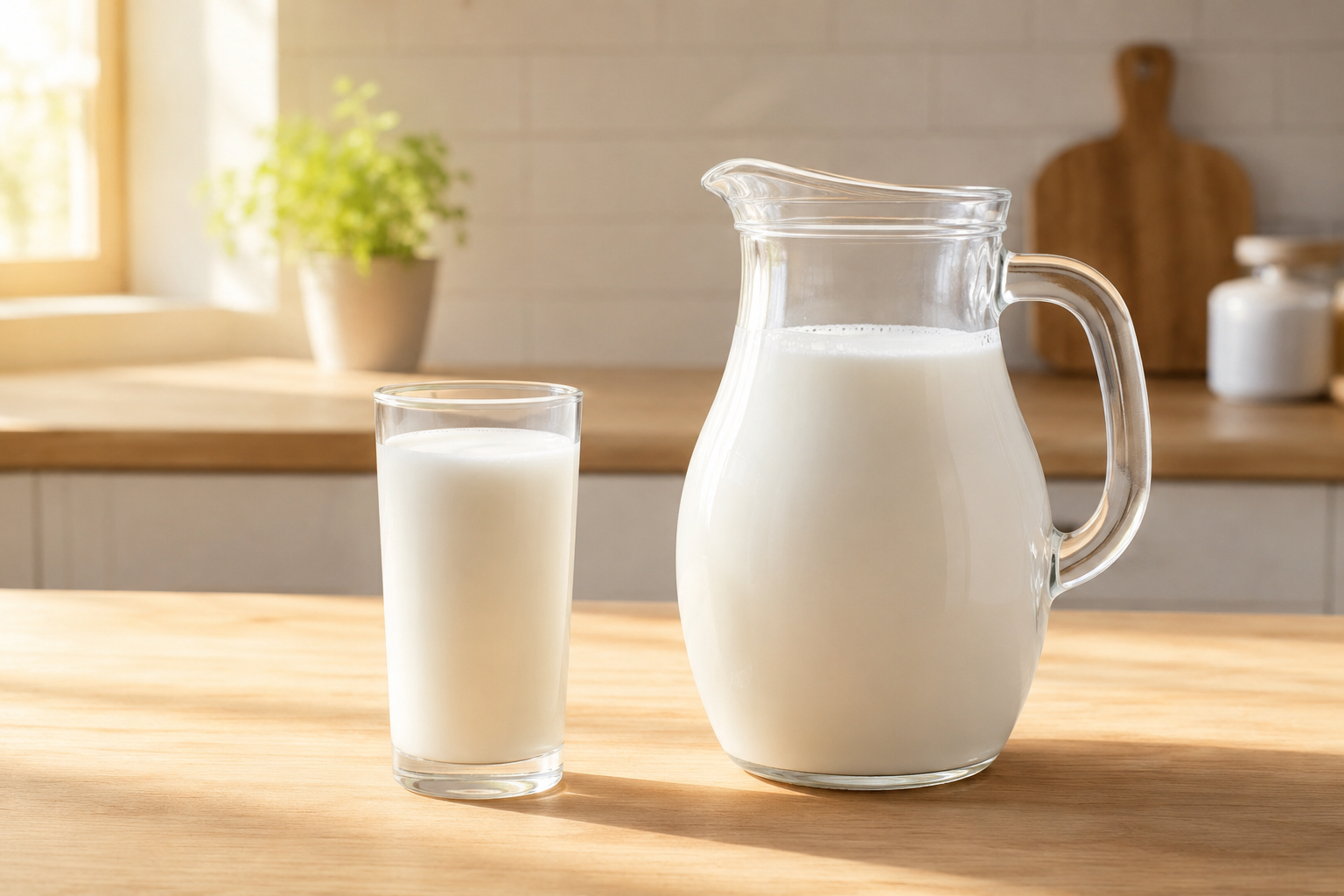
Liquid Color: The appearance is a clean, bright white that looks slightly more opaque than standard cow milk.
Texture Density: It maintains a light, thin body rather than a heavy or velvety coating on the tongue.
Form Factors: Include fresh liquid, commercially pasteurized bottles, and powdered products; always check labeling for pasteurization and storage instructions.
What Does Camel Milk Taste Like?

The primary flavor profile is a clean, refreshing liquid that tastes subtly salty with a light undercurrent of natural sweetness.
Many people are pleasantly surprised to find that it mirrors the general consistency of skimmed dairy rather than a heavy cream. Some families use this beverage as an alternative in recipes; ensure the product is pasteurized and stored correctly before serving to children. It functions as a unique, adventurous kitchen companion for households exploring alternative options.
According to the FDA Raw Milk Misconceptions and the Danger of Raw Milk Consumption guidance, consumers should choose pasteurized milk products to reduce the risk of harmful bacterial contamination.
👉 To understand camel milk fluids compare in texture, you can explore our breakdown of camel milk nutrition to balance your pantry needs.
What Is Camel Milk?
It is a nutrient-dense, plant-foraged animal milk harvested from dromedary camels that has served as a traditional staple across arid regions for centuries.
Because these animals adapt to harsh climates, their biological fluid carries unique protective elements entirely different from bovine varieties. Some consumers choose camel milk for perceived digestive benefits, but anyone with allergies or digestive conditions should consult a healthcare professional before switching. It stands as a reliable, natural liquid that brings an ancient tradition directly to your modern kitchen counter. If you are planning long-term household menus, reviewing the general rules for camel milk healthy provides a great foundational benchmark for camel milk liquids.
What Color Is Camel Milk?
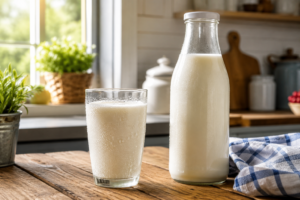
The natural appearance is a bright, opaque chalk-white color that remains consistent throughout the entire bottle.
Unlike traditional cow options, which can sometimes carry a faint yellow or cream tint due to grass diets, this liquid stays purely white. This clean presentation makes it highly appealing when poured directly into a clear glass at the family breakfast table. Appearance can suggest freshness, but color alone does not guarantee safety; follow expiration dates and storage guidelines. Keeping your bottles chilled inside the refrigerator ensures this clean look and taste remain perfect for daily use.
According to the FDA food safety guidance, appearance alone cannot determine whether a milk product is safe to consume, making proper refrigeration and handling essential.
What Is Pasteurised Camel Milk?
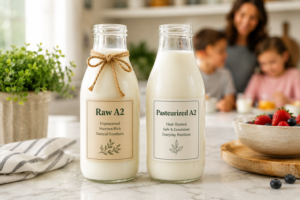
Pasteurized camel milk is raw liquid that has been heated to a specific temperature to eliminate potential environmental bacteria while preserving the natural flavor.
Pasteurization greatly reduces pathogen risk, but no food is completely risk-free; commercially pasteurized products are the safer choice for young children and pregnant people. For families who prefer to prepare their own ingredients, learning the precise heating and cooling methods is simple. You can read our complete step-by-step guide on how to pasteurize camel milk at home to master this protective kitchen skill safely.
Raw Camel Milk & What Is It?
Raw camel milk is the pure, unprocessed liquid taken straight from the animal without undergoing any industrial heat treatment or filtration.
People often explore what does raw camel milk taste like to experience the most authentic, unaltered version of the drink. Raw camel milk may have a stronger flavor, but it can carry harmful bacteria; the FDA advises against giving unpasteurized milks to young children, pregnant people, older adults, and immunocompromised individuals.
Warning: Do not give unpasteurized camel milk to infants, young children, pregnant people, older adults, or immunocompromised individuals.
👉 If you are comparing different milk processing methods, you may also want to understand what is evaporated milk to see how heat-processing changes flavor, shelf life, and nutrition.
What Is Camel Milk Powder?

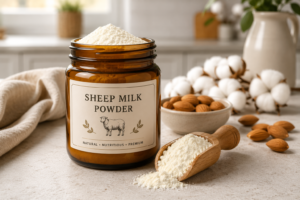
Camel milk powder is a shelf-stable alternative created by gently removing all water content from the fresh liquid through specialized low-heat spray drying.
Processing changes some components; powdering does not automatically make a product safe if the source milk was unpasteurized—check supplier safety certifications. For parents looking to save pantry space, keeping a packet of this powder is an incredibly convenient solution. It rehydrates smoothly with warm water, making it a reliable backup companion for busy mornings. If you are tracking overall food longevity, reviewing how long does oat milk last after opening helps you manage both fresh and dry items efficiently.
What Is Raw Camel Milk Powder?
Raw camel milk powder is made by freeze-drying raw liquid at sub-zero temperatures, completely bypassing the pasteurization heating phase to protect the raw proteins.
Understanding what is raw camel milk powder properties helps families who want the storage convenience of a powder while keeping the raw state intact. Because it utilizes cold sublimation rather than high heat, the natural enzymes remain structurally unchanged. To ensure your kitchen setup handles all unique ingredients with proper care, knowing how long does evaporated milk lasts serves as a great reminder of how delicate natural food molecules can be.
Warning: Choose powdered or liquid products from suppliers that provide clear pasteurization/microbiological testing information and follow rehydration/storage instructions.
Why Trust Fooder Ghor?
At Fooder Ghor, we provide educational resources focused on understanding the safe use, handling, and storage of different types of milk, including breast milk, cow’s milk, goat milk, and raw milk, based on publicly available guidance from trusted sources such as the CDC, FDA, USDA, and AAP. Some milk-related articles, particularly those involving maternal and infant feeding topics, are reviewed for clarity and presentation by nursing students with academic training in maternal and child health to help make information easier to understand. This content is provided for learning purposes only and does not offer medical advice.
Frequently Asked Questions
A: No, high-quality camel milk does not have a heavy gamey odor; it simply tastes clean, slightly bright, and mildly salty.
A: Yes, it can be used in hot drinks; ensure the product is pasteurized and avoid heating excessively if preparing for infants, since some heating methods may affect nutrients.
A: Camels produce less milk per animal than commercial dairy cows, which contributes to higher retail prices; price does not reflect safety or nutritional suitability for all consumers.
Conclusion
In summary, what does camel milk taste like? It offers a refreshingly clean, bright white liquid that blends a subtle saltiness with a delicate sweetness. Whether you select a fresh pasteurized bottle for the breakfast table or choose a shelf-stable raw powder for easy mixing, it serves as a highly versatile dairy alternative. Prioritize commercially treated (pasteurized) options and follow label storage instructions; consult a healthcare provider before offering new milks to infants or people with health concerns.
If you regularly explore alternative dairy products, understanding proper storage practices is equally important. For example, knowing how long fresh goat milk lasts can help you maintain quality, freshness, and food safety when adding different types of milk to your family’s diet.