 Skip to content

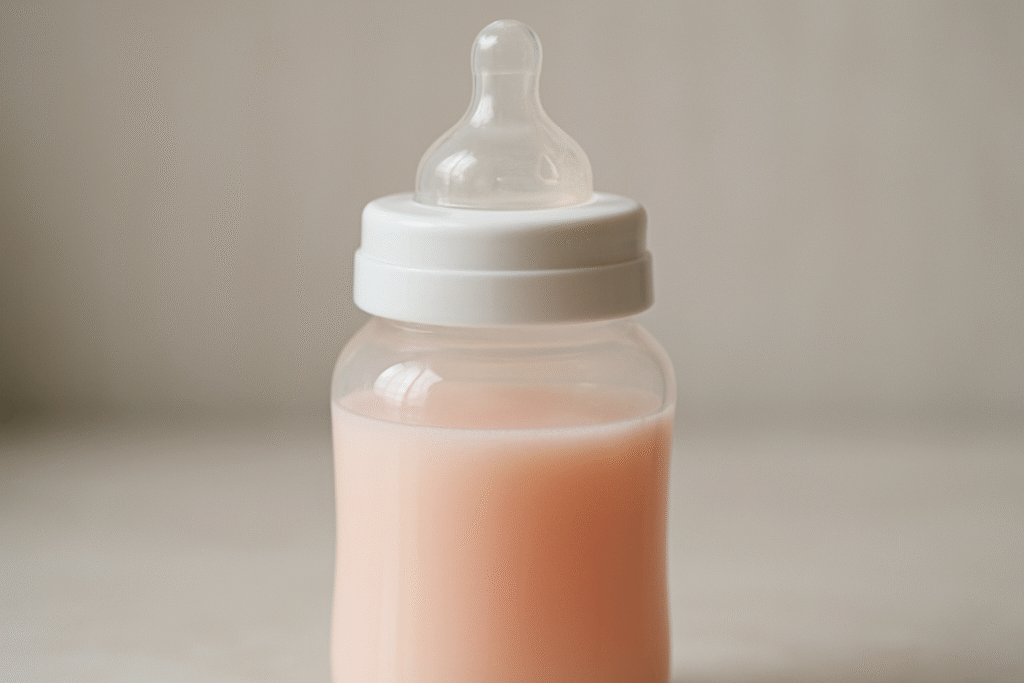
Expressing a bottle and noticing a distinct rosy or pink hue can certainly feel surprising for any pumping or nursing parent. In simple terms, breast milk is usually pink because of tiny traces of blood from cracked nipples, dietary pigments like beets, or a specific bacterial colonization. For most people, this color change is temporary, but understanding the exact cause ensures complete safety for your infant.
This essential guide details the primary reasons for pink milk, clarifies cold storage questions, highlights key bacterial risks, and outlines when to consult a medical professional.
Short Summary
- Cracked nipples and friction during pumping are the most common causes of light pink breast milk.
- Foods rich in red pigments, like beets or artificial dyes, can temporarily tint expressed milk.
- A bright or neon pink color usually signals Serratia marcescens bacterial growth, which requires medical care and proper equipment sterilization.
- Milk tinged pink from minor nipple trauma is safe for a healthy baby, but bacterial pink milk must be discarded.
- Seeking medical care is recommended if pink milk persists, turns bright neon pink, smells sour, or comes with severe breast pain.
Why Is My Breast Milk Pink?
Breast milk is usually pink because of minor blood vessel friction in the breast tissue, red dietary pigments, or bacterial growth. For most people, finding pink breast milk is a temporary situation that resolves once nipples heal, dietary pigments pass, or sanitation habits are updated.
In many cases, what makes breast milk pink is tiny amounts of blood from damaged tissue. Cracked nipples, active friction from an improper pump flange fit, or bursting micro-capillaries can release small drops of blood into your supply. This blends naturally into white milk, resulting in a light pink or slightly pink hue.
Another common factor involves dietary pigments. Eating beets, red berries, or drinks containing red food dyes can pass color directly into your supply. To explore how various foods alter your milk, see our detailed guide on what color breast milk can be.
Causes of Pink Milk: Diet, Health, and Bacteria

Understanding the difference between harmless dietary tints, blood friction, and bacterial growth helps parents handle pink milk with complete confidence.
Dietary Pigments vs. Blood-Tinged Milk
Dietary pink milk happens when natural betalains or artificial red dyes dissolve into milk, whereas blood-tinged milk stems from direct skin trauma. Knowing what you ate over the last twenty-four hours clarifies the cause.
Consuming red foods like beetroot, rhubarb, or red fruit punch frequently results in a light pink tint without any blood present. Conversely, milk tinged pink from tissue friction often shows small red specks or light rosy streaks.
Curious about green breast milk? You can also learn from our detailed guide: why does my breast milk look green?
Why Is My Breast Milk Pink When Sick, Drying Up, or Due to Bacteria?
Breast milk can sometimes appear pink because of small amounts of blood, while rare bacterial contamination such as Serratia marcescens can also cause pink or reddish discoloration. However, illness or a drying-up milk supply should not automatically be considered the cause of pink breast milk.
When breastfeeding or pumping, small amounts of blood from irritated or cracked nipples can sometimes tint the milk pink. In rare cases, Serratia marcescens can contaminate expressed breast milk or breast-pump equipment and produce a characteristic pink-red pigment. According to NIH-indexed research, documented cases have linked pink breast milk with Serratia marcescens contamination, including contamination involving breast-pump equipment.
Important: Pink breast milk does not automatically mean bacterial contamination. If the color change is sudden, persistent, or accompanied by breast pain, fever, or other concerning symptoms, consult a healthcare professional.
If you suspect bacterial contamination, discard the affected milk and thoroughly clean and sanitize all breast pump parts, bottles, valves, and other items that came into contact with the milk. The CDC recommends cleaning pump parts after every use and sanitizing them regularly to help prevent harmful germs from contaminating breast milk.
Curious about yellow breast milk? You can also learn from our detailed guide: why does my breast milk look yellow.
Pink Breast Milk vs. Regular/Mature Breast Milk: What’s the Difference?
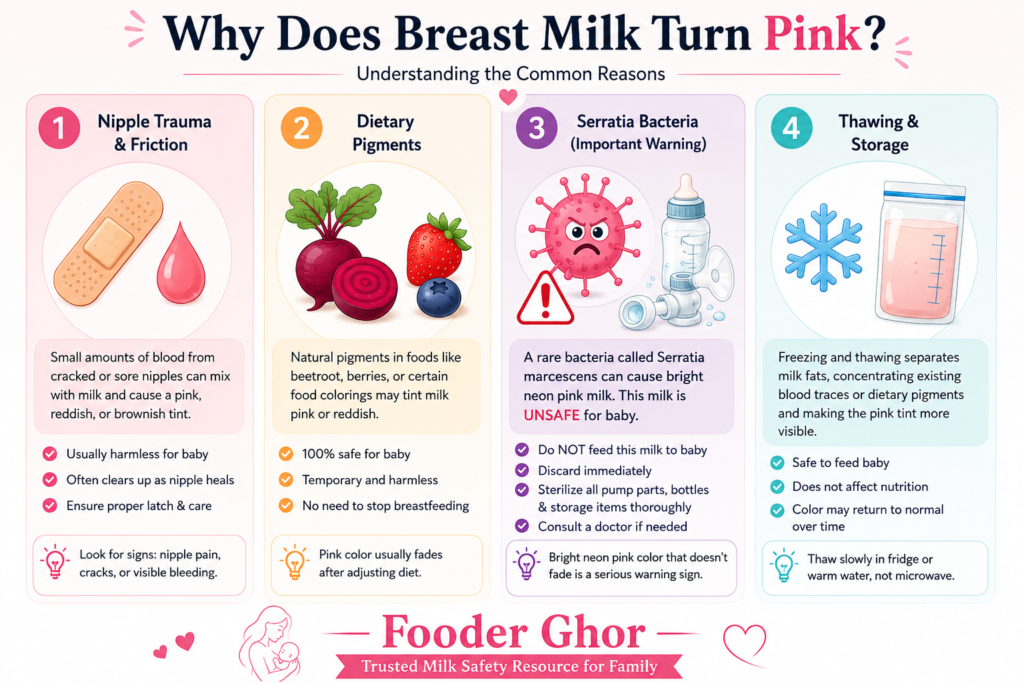
Comparing pink-tinted milk to normal mature milk helps parents evaluate safety, visual appearance, and necessary actions.
| Milk Characteristic | Regular / Mature Milk | Pink Breast Milk (Blood / Diet) | Pinkish Milk (Serratia Marcescens) |
| Primary Visual Appearance | Creamy White, Yellow, or Blue Tint | Light Pink, Rosy, or Red Streaks | Bright Neon Pink / Red Film or Spots |
| Main Cause | Normal Lactation & Fat Levels | Nipple Friction or Beets | Serratia Marcescens Bacteria |
| Safety for Baby | 100% Safe | Safe for Healthy Infants | Unsafe (Discard Immediately) |
| Odor & Texture | Fresh, Mild, Smooth | Fresh, Slightly Metallic | Sour, Off-Smelling, or Slimy |
| Action Needed | Continue Normal Feeding | Heal Nipples or Adjust Pump | Discard Milk, Sterilize Parts & Call Doctor |
Regular milk provides essential hydration and fats without visual discoloration. Blood-tinged pink milk carries a temporary rosy tint that is safe for healthy babies, whereas bacterial growth yields a bright neon pink residue that requires immediate disposal and thorough equipment sterilization.
For parents who want to keep expressed milk safe during this stage, following proper Breast Milk Storage Guidelines can help maintain its quality and safety.
Cold Storage and Freezing: Does Breast Milk Turn Pink in the Cold?
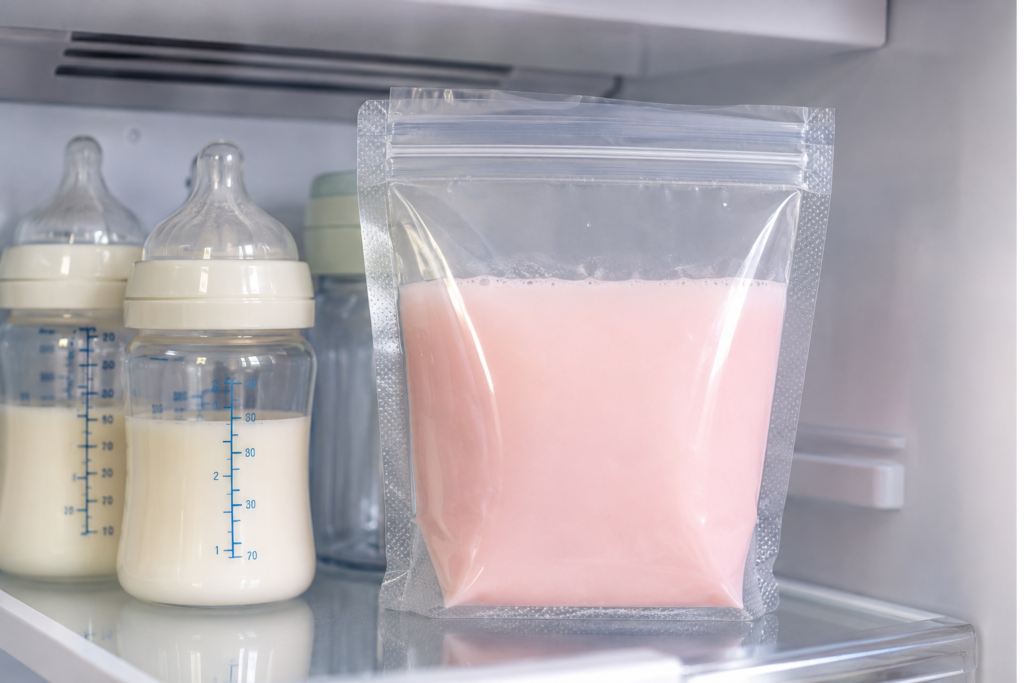
Understanding how refrigeration and freezing affect pink milk ensures proper handling and safety during storage.
Does Breast Milk Turn Pink in the Fridge?
No, refrigeration itself does not normally turn breast milk pink. Pink discoloration can have several causes, including small amounts of blood or, rarely, bacterial contamination such as Serratia marcescens.
According to the CDC, freshly expressed breast milk should be stored in a refrigerator at 40°F (4°C) or below and can generally be kept there for up to 4 days.
If breast milk develops an unusual bright-pink color, especially alongside suspected contamination of pump parts or storage containers, consult a healthcare professional rather than assuming the color is simply from refrigeration.
If you’re also wondering how long expressed breast milk remains safe to use after pumping or storing it, see our How Long Does Breast Milk Last guide for practical storage time and safety information.
Why Is My Frozen Breast Milk Pink After Thawing?
Yes, frozen breast milk can look more noticeably pink after thawing because defrosting separates milk fats and concentrates blood droplets. This makes minor blood traces stand out against clear liquid layers.
Freezing breaks the natural emulsion of milk fats and fluids. When you defrost the container, separated lipids allow blood particles or dietary pigments to settle visually, creating a pink breast milk hue. Provided the milk was collected safely without bacterial exposure, this color shift is safe. Health guidance from the CDC mentions that tiny amounts of blood in thawed human milk pose no health risks to healthy term infants.
For convenient and hygienic storage, choosing a suitable Best Breast Milk Storage Container can also make freezing, thawing, and organizing expressed milk easier.
What to Do with Pink Breast Milk and When to See a Doctor
Knowing how to handle pink milk and recognizing red flag symptoms brings peace of mind to nursing mothers.
What to Do with Pink Breast Milk and Should You Dump It?
In most cases, you do not need to dump pink breast milk caused by cracked nipples or dietary choices. However, you must dump milk if the pink tint is bright neon pink or stems from bacterial growth.
If blood from nipple trauma caused a faint rosy tint, the milk remains safe for a healthy baby. Conversely, if your milk turns bright neon pink after sitting out, or if you suspect Serratia marcescens bacteria, dump the milk immediately, sanitize all pumping gear, and consult a pediatrician before resuming expressed milk feedings.
If you’re also wondering how long breast milk remains safe under different storage conditions, see our What Is the 555 Rule for Breast Milk guide for more information.
What Should I Do Right Away If I See Pink Milk While Pumping?
If you notice a rosy or pink tint filling your bottle while actively pumping, follow these simple, immediate steps:
- Stop the Session Briefly: Unlatch the pump and inspect your nipples for any visible cracks, bleeding, or irritation.
- Check Flange Size & Suction: Ensure your breast shield/flange fits correctly without rubbing aggressively against the nipple canal, and reduce the pump’s suction power.
- Inspect the Milk’s Shade: * Light Rosy/Pink: Likely from minor tissue friction or dietary foods. Keep the milk if your baby is healthy.
- Bright Neon Pink: Suggests potential Serratia marcescens bacterial growth. Discard this batch immediately.
- Sanitize Your Equipment: Thoroughly wash and boil/sterilize all pump parts, flanges, valves, and bottles before your next session.
- Apply Nipple Care: Apply a safe nipple balm or a few drops of fresh milk to soothe cracked skin and allow it to heal.
For practical guidance on handling and storing expressed milk after pumping, you can also read our How to Use Breast Milk Storage Bags guide.
When Should I Worry About Pink Milk?
You should contact a healthcare professional if your breast milk develops persistent or unusual pink or blood-tinged discoloration, especially if you also experience significant breast pain, swelling, redness, warmth, or fever. These symptoms can occur with mastitis and should be medically evaluated.
According to the American Academy of Pediatrics, symptoms such as breast swelling, warmth, redness, pain, fever, or flu-like symptoms can occur with mastitis, and breastfeeding parents should contact their doctor when these symptoms develop.
Rarely, bright pink breast milk can be associated with Serratia marcescens, a bacterium that can colonize breast milk or breast-pump equipment and produce a pink-red pigment. According to NIH-published case reports, documented cases of pink breast milk associated with Serratia marcescens have occurred, although the appropriate treatment can vary depending on the mother’s and infant’s clinical condition.
Because pink breast milk can have different causes, do not assume that every case of pink milk is caused by bacteria or that antibiotics are automatically required. If the discoloration is persistent, unusually bright, or accompanied by symptoms of illness, consult a healthcare professional for appropriate evaluation.
If you want to explore other breast milk color variations, you may also read Why Is My Breast Milk blue to understand another rare but normal color change.
Why Trust Fooder Ghor?
At Fooder Ghor, we provide educational resources focused on understanding the safe use, handling, and storage of different types of milk, including breast milk, cow’s milk, goat milk, and raw milk, based on publicly available guidance from trusted sources such as the CDC, FDA, USDA, and AAP. Some milk-related articles, particularly those involving maternal and infant feeding topics, are reviewed for clarity and presentation by nursing students with academic training in maternal and child health to help make information easier to understand. This content is provided for learning purposes only and does not offer medical advice.
Frequently Asked Questions
No, a light pink tint usually means minor nipple friction or red food pigments rather than an infection. However, if your milk turns bright neon pink or comes with breast swelling, redness, or fever, it could indicate a Serratia marcescens bacterial colonization or mastitis, requiring immediate medical evaluation.
Breast milk typically stays pink for 1 to 3 days while cracked nipples heal or dietary pigments process through your system. Once nipple skin recovers or foods pass through your digestion, your milk will return to its normal white or yellow shade.
Yes, light pink breast milk caused by nipple bleeding or dietary foods is safe for a healthy infant. However, if the pink shade is bright neon pink from Serratia marcescens bacterial growth due to improper storage, it is unsafe and must be dumped.
No, pink breast milk is not better than white milk. While it contains the same essential nutrients as normal supply, the pink hue simply indicates blood friction, food dyes, or bacterial exposure rather than superior health benefits.
No, pink breast milk is not more nutritious than white milk. Small traces of blood or dietary pigments do not enhance the calorie, vitamin, or mineral profile of mature milk.
No, pink breast milk does not mean higher fat content. A pink shade reflects dietary choices, blood vessels, or bacteria, whereas a yellow or creamy tint indicates higher hindmilk fat levels.
No, you do not need to dump light pink breast milk if it stems from minor nipple trauma or food pigments. You should only dump pink milk if it turns bright neon pink, was left unrefrigerated, developed a sour odor, or showed signs of Serratia marcescens bacterial growth.
Breast milk looks bright pinkish after sitting out because ambient bacteria like Serratia marcescens multiply rapidly at room temperature. This produces a pink pigment called prodigiosin, making the milk unsafe for consumption until all pump parts are sanitized and cleared by a doctor.
Yes, if it’s due to food or minor bleeding, it’s safe. Just monitor the color closely.
No, stress doesn’t change color, but it can slightly reduce milk flow.
Conclusion
Noticing that your breast milk is pink can be alarming, but it is often caused by easily treatable nipple friction or harmless dietary choices. However, recognizing the difference between light rosy milk and bright neon pink milk from Serratia marcescens bacteria ensures your baby’s complete safety. Always practice strict pump hygiene, sanitize equipment, and consult your healthcare provider if bleeding persists or bacterial contamination occurs.
If you want to know about fatty breast milk, you can check our detailed blog about Why is my milk foamy?











