Skip to content
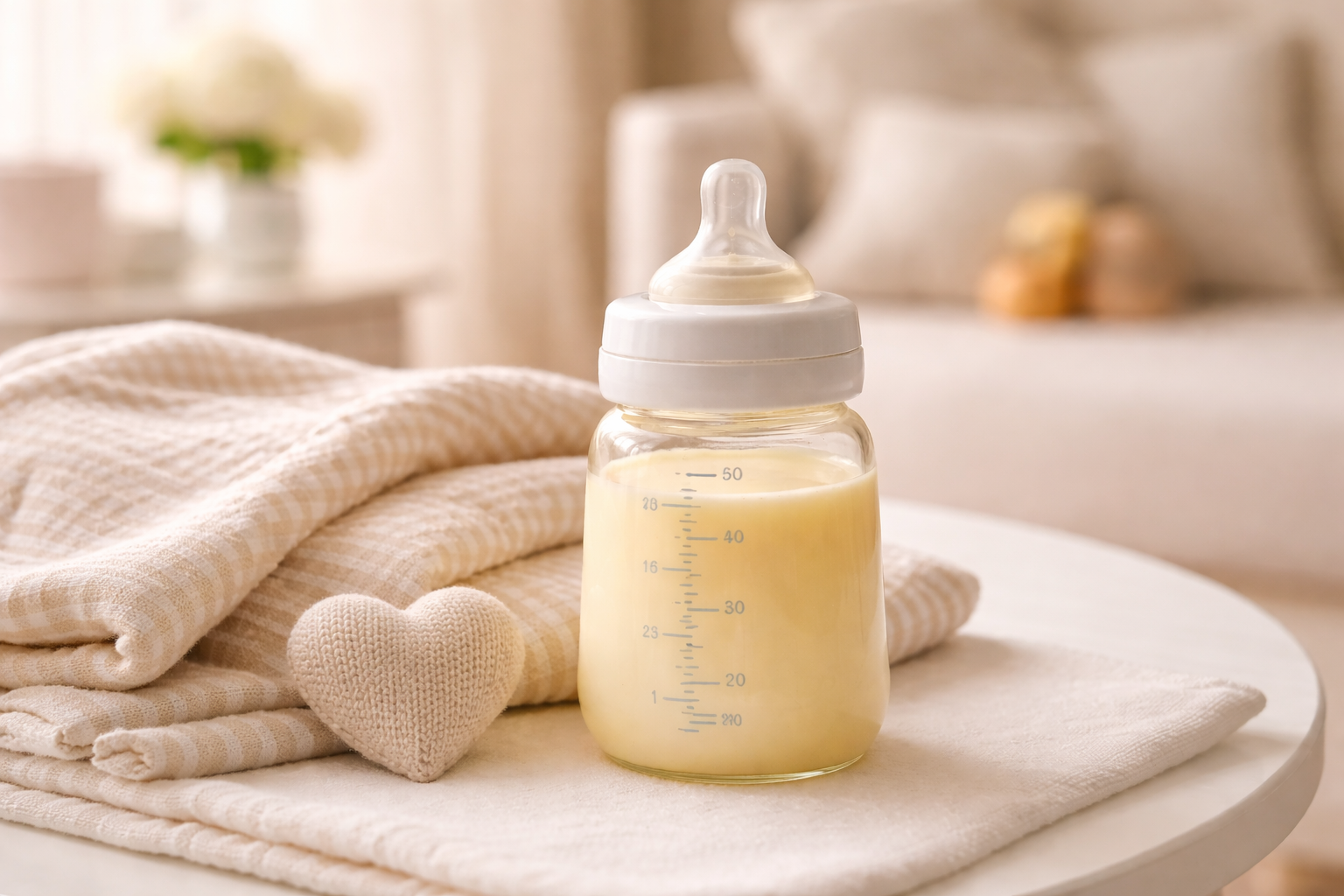
We’ve all been there—you finish a pumping session, look at the bottle, and freeze. “Wait, why is it that color?” Seeing yellow breast milk for the first time can cause instant “yellow panic.” You immediately start wondering what does yellow breast milk means and if something is wrong with your body or your baby.
The good news? Take a deep breath. Why is my breast milk yellow? In the vast majority of cases, it’s a sign that your body is working overtime to provide exactly what your baby needs. Whether it’s antibodies or healthy fats, that yellow tint is often a badge of nutritional honor.
Quick Summary (Key Highlights)
-
Normal Variations: Yellow milk is typically Colostrum (early days) or High-fat Hindmilk (common at 2-6 months).
-
Diet & Vitamins: Eating beta-carotene-rich foods (carrots/squash) or taking Vitamin B supplements can create a neon or bright yellow tint.
-
Storage & Thawing: Frozen milk naturally shifts to a yellow hue after thawing due to fat oxidation and separation.
-
Health Indicators: Yellow milk is linked to healthy yellow seedy poop and is NOT the cause of infant jaundice.
-
Safety First: There is a major difference between healthy yellow milk and yellow pus caused by mastitis or infection.
1. The “Liquid Gold” Phase (Colostrum)

Many new parents frantically search: Is breast milk yellow at first or is breast milk yellow when it first comes in? The Answer: Yes, and it’s actually supposed to be! In those first few days after birth, your body produces colostrum. It is thick, sticky, and often deep golden-yellow. This happens because colostrum is incredibly concentrated with beta-carotene, antibodies (IgA), and white blood cells. It acts as your baby’s first “natural vaccine,” coating their gut to prevent infection.
-
How long does breast milk stay yellow? Usually for the first 2 to 5 days.
-
When does breast milk go from yellow to white? As your milk “comes in” (the transitional phase) between days 3 and 7, it thins out and turns creamy white.
According to the American Academy of Pediatrics (AAP), colostrum is highly concentrated with antibodies, nutrients, and immune-supporting compounds designed to protect newborns during the first days of life.
2. Why Is My Milk Yellow After the Newborn Phase? (2 to 6 Months)
If you are past the first week and asking, “Is my breast milk supposed to be yellow at 4 months?”, don’t worry. It’s still very common.
Whether you are at 2, 3, 4, or 6 months, yellow milk usually indicates a high concentration of Hindmilk. This is the milk that comes at the end of a nursing or pumping session. While the “Foremilk” at the start is watery and bluish-white, Hindmilk is packed with lipids (fats) which naturally give it a rich, yellowish-cream color.
If you notice unusual texture like bubbling or foam along with these changes, you may also want to read about Why Is My Breast Milk Foamy or Frothy? to understand other normal variations in milk appearance.
Deep Insight: If you go longer between pumps, the fat sticks to the milk ducts. When you finally pump, that high-fat milk comes out last, looking significantly more yellow than usual.
3. Diet, Vitamins, and Supplements

Parents frequently ask what causes breast milk to be yellow or why it looks neon yellow.
The answer often lies in your kitchen. If you love carrots, pumpkins, or sweet potatoes, the beta-carotene in those foods dissolves into the milk fat.
-
The Vitamin B Factor: If you notice a bright yellow or neon tint, check your prenatal or Vitamin B-complex supplements. Vitamin B2 (Riboflavin) is famous for turning both urine and breast milk a fluorescent yellow. This is harmless and just a sign your body is processing the vitamins.
According to the USDA’s WIC Breastfeeding Support, the nutritional content and appearance of your breast milk can directly reflect your dietary choices, particularly when consuming high-pigment foods.”
4. White Milk vs. Yellow Milk (What Is the Difference?)
You might wonder: Why is some breast milk white and some yellow? or Is yellow breast milk better than white?
Neither is “better”—they just serve different purposes.
-
White/Blueish Milk: Usually higher in water content and lactose, perfect for quenching your baby’s thirst.
-
Yellow/Creamy Milk: Usually higher in fat and energy density. Is yellow breast milk more fatty? Generally, yes. It provides the calories your baby needs for brain development and weight gain.
| Stage / Type | Common Color | Nutritional Highlight |
| Colostrum | Deep Yellow / Gold | High in Antibodies & Beta-carotene |
| Foremilk | Bluish / Clear White | High in Lactose & Hydration |
| Hindmilk | Creamy / Pale Yellow | High in Healthy Fats & Energy |
| Stored Milk | Darker Yellow Tint | Natural Fat Oxidation & Separation |
While yellow breast milk is naturally high in fat, parents exploring other options often ask, Is Goat Milk Good for Babies?, to understand how different milks compare in nutrition.
Yellow Breast Milk: What Does It Mean?
Yellow breast milk is usually normal and often linked to colostrum, hindmilk fat, vitamins, or frozen milk changes.
Breast milk can appear pale yellow, golden, or creamy depending on:
- postpartum stage
- fat concentration
- diet and supplements
- freezing and thawing changes
In most cases, yellow milk alone is not a cause for concern.
According to the CDC breastfeeding guidance, breast milk color, consistency, and appearance can naturally vary based on stage of lactation, diet, and storage conditions, and these changes alone are not usually a sign of poor milk quality or danger.
When Is Yellow Breast Milk Not Normal?
Yellow breast milk is usually harmless unless paired with pain, foul smell, pus, fever, or breast redness.
Although yellow breast milk is usually healthy, certain symptoms may suggest infection or inflammation.
Contact a doctor if yellow milk comes with:
- thick pus-like texture
- foul or rotten smell
- painful breast lumps
- fever or chills
- red or hot breast skin
These signs may indicate mastitis or infection rather than normal milk color changes.
According to the Centers for Disease Control and Prevention (CDC), mastitis can cause breast pain, fever, and abnormal milk changes, and should be evaluated promptly to prevent complications.
Why Is My Breast Milk Not Yellow?
Breast milk does not need to be yellow to be healthy. White, bluish, or creamy milk is also completely normal.
Milk color naturally changes throughout feeding sessions. Foremilk often looks lighter or bluish, while fattier hindmilk may appear creamier or more yellow.
If your milk is not yellow, it does not mean it is low quality or less nutritious.
5. Frozen and Stored Milk Variations
Is it normal for frozen breast milk to be yellow? Yes. When milk is frozen, the fat globules undergo a process called oxidation. Additionally, when you thaw milk, the fat separates and rises to the top. This concentrated layer makes the milk look much more yellow than it did when it was fresh. As long as it doesn’t smell sour, it’s perfectly safe. If you are also preparing formula for travel or night feeds, knowing how to store it properly is just as important. Check out our guide on Formula Container vs. Dispenser Bottle to find the best storage solution for your baby.
During freezing, milk fat separates and rises. After thawing, this fat layer can make milk look more yellow. This does not reduce safety or nutrition. According to CDC guidance on breast milk storage and preparation, properly thawed milk may appear more yellow due to natural fat oxidation and separation during freezing, and this color change alone does not indicate spoilage.
6. Special Scenarios: Weaning and Texture
Yellow and Thick/Sticky: This often happens during “cluster feeding” or if you are slightly dehydrated, making the milk more concentrated.
If you’re also noticing different milk colors beyond yellow, such as bluish tones, you may want to read Why Is My Breast Milk Blue? to understand other normal color variations.
-
Drying Up: Does breast milk turn yellow when drying up? Yes. As you stop breastfeeding, the milk stays in the ducts longer. The water is reabsorbed by your body, leaving behind a highly concentrated, yellow, salty liquid. This is normal during the weaning process.
7. The Baby Connection: Jaundice and Poop
Can a baby turn yellow from breast milk? This is a common myth. While “breast milk jaundice” exists, it is rarely harmful and is NOT caused by the color of your milk. It’s simply how some babies’ livers process the milk. On the flip side, yellow seedy poop is the gold standard for breastfed babies—it means they are getting plenty of that rich, yellow hindmilk!
While ‘breast milk jaundice’ exists, it is rarely harmful and is NOT caused by the color of your milk. Health authorities like the CDC explain that newborn jaundice—a yellowing of the skin and eyes—is common, and it is generally related to bilirubin processing rather than the color of your breast milk. Additionally, the MedlinePlus Medical Encyclopedia notes that this condition is not directly caused by the color of milk itself and often persists without harm.
8. Safety Check: When to Worry

If yellow breast milk is accompanied by fever, breast pain, foul smell, or pus-like discharge, seek medical advice promptly.
These symptoms may indicate mastitis, blocked ducts, or breast infection.
To keep your milk as fresh and safe as possible, follow our detailed guide on How to Store Breast Milk After Pumping to prevent contamination or spoilage.
Why Trust Fooder Ghor?
At Fooder Ghor, we provide educational resources focused on understanding the safe use, handling, and storage of different types of milk, including breast milk, cow’s milk, goat milk, and raw milk, based on publicly available guidance from trusted sources such as the CDC, FDA, USDA, and AAP. Some milk-related articles, particularly those involving maternal and infant feeding topics, are reviewed for clarity and presentation by nursing students with academic training in maternal and child health to help make information easier to understand. This content is provided for learning purposes only and does not offer medical advice.
Frequently Asked Questions
A: Usually due to colostrum, concentrated hindmilk, or reduced feeding frequency.
Yes, because the organic fats in the milk naturally oxidize over time unless professionally preserved.
Color isn’t the best indicator of spoilage; always use the “sniff test.” If it smells rancid or sour, toss it.
A: White or bluish breast milk is usually foremilk and is completely normal. Milk color changes naturally throughout feeding.
Conclusions
Your body is amazing. If you’ve been asking, why is my breast milk yellow, the answer is usually reassuring: yellow breast milk is often a sign of rich nutrition, healthy fats, antibodies, or normal milk transitions.
Whether it’s the “Liquid Gold” of the first few days or the fat-rich milk of month six, your body is producing exactly what your baby needs.
Trust your milk, trust your body.
If you want to explore other breast milk color variations, you may also read Why Is My Breast Milk Pink? to understand another rare but normal color change.