Skip to content

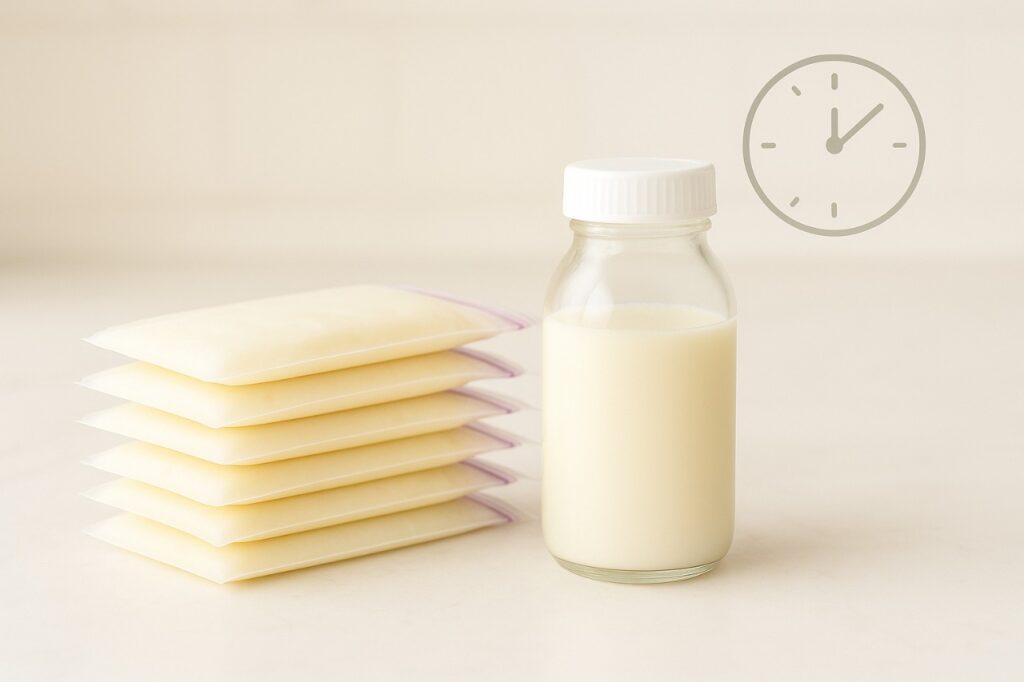
Storing breast milk properly helps parents protect freshness, reduce waste, and safely feed babies at home, at work, or while traveling. Many parents feel confused about storage containers, freezing, refrigeration, and organizing milk after pumping.
This guide explains breast milk storage guidelines in a simple way for U.S. families. You will learn how to store milk in the fridge, freezer, bags, and work settings while keeping milk organized and safe.
Quick Takeaways
- Freshly pumped milk should be stored quickly after expression.
- Refrigeration and freezing are the most common storage methods.
- Breast milk bags help save freezer space.
- Organized freezer storage reduces waste.
- Proper labeling improves milk rotation.
What Are Breast Milk Storage Guidelines?
Breast milk storage guidelines are simple safety practices that help parents store milk correctly after pumping.
These guidelines usually focus on:
- Clean pumping equipment
- Safe containers
- Refrigeration
- Freezing
- Proper organization
According to the Centers for Disease Control and Prevention, expressed milk should be handled with clean equipment and stored promptly.
Small takeaway: Safe storage starts immediately after pumping.
Breast Milk Storage
Breast milk storage works best when milk is handled consistently and stored using clean containers.
General storage priorities include:
- Wash hands before handling milk
- Use clean bottles or bags
- Label milk with pumping date
- Store immediately after pumping
Parents managing stored milk volume may also want to review how long does breast milk last for detailed storage timing guidance.
How to Store Breast Milk
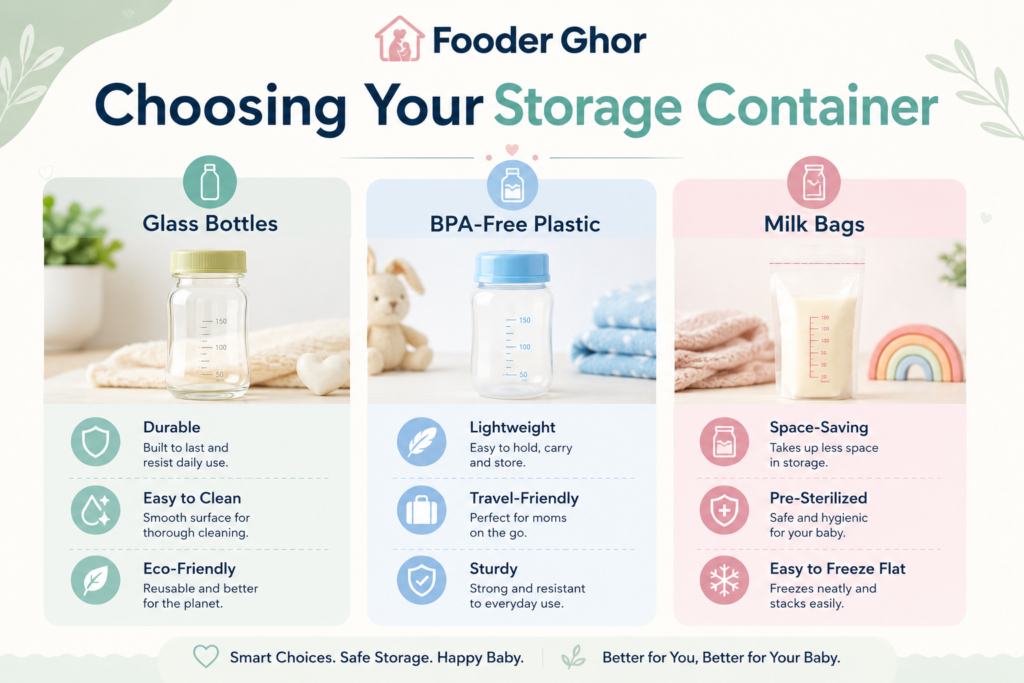
Breast milk should be stored in clean, food-safe containers designed for milk storage.
Common options:
- Breast milk bags
- Glass bottles
- BPA-free plastic bottles
Best practices:
- Seal tightly
- Label clearly
- Store in small portions
According to the Centers for Disease Control and Prevention (CDC), proper handling and storage of expressed breast milk helps maintain safety and reduce contamination risk during everyday feeding routines.
Small takeaway: Smaller portions often reduce milk waste.
Breast Milk Storage Methods Comparison
Different storage methods serve different needs depending on timing and convenience.
| Storage Method | Best Use | Duration |
|---|---|---|
| Room temperature | Immediate feeding | Short-term use |
| Refrigerator | Daily storage | Few days use |
| Freezer | Long-term storage | Weeks to months |
Small takeaway: Choose storage method based on when your baby will feed.
How to Store Breast Milk in Fridge
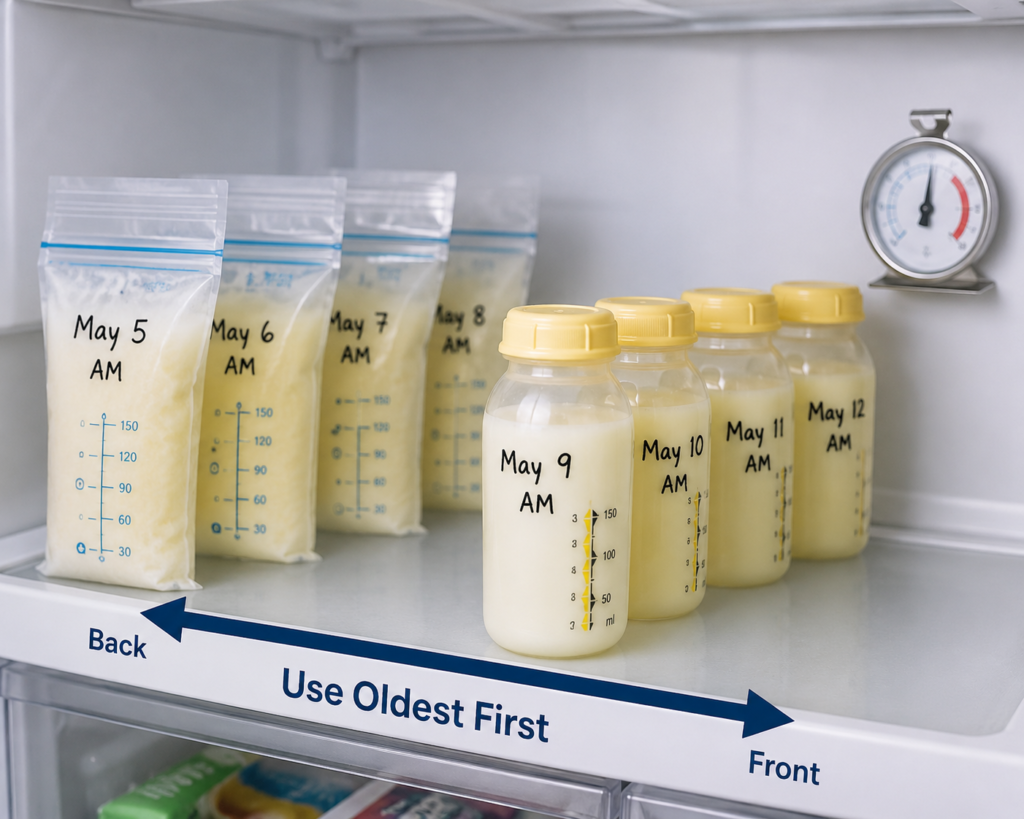
Refrigeration is one of the most common daily storage methods for pumping parents.
For fridge storage:
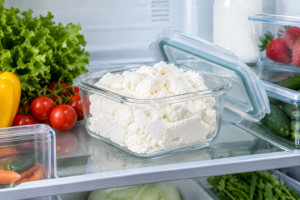
- Place milk in the back of fridge
- Avoid refrigerator door storage
- Keep temperature consistent
This helps protect milk from temperature fluctuations.
Families needing exact refrigeration duration should also read how long can breast milk last in the refrigerator.
Fridge Storage Comparison
| Storage Method | Best Practice |
|---|---|
| Back shelf | Best temperature consistency |
| Fridge door | Less ideal due to opening |
According to the Food and Drug Administration (FDA), proper refrigeration of expressed breast milk is important to maintain quality and reduce bacterial growth during storage.
Can You Freeze Breast Milk?
Yes, breast milk can be frozen safely using freezer-safe storage containers or milk bags.
Freezing is helpful for:
- Long-term storage
- Supply backup
- Reducing waste
Before freezing:
- Leave expansion room
- Label clearly
- Freeze quickly
According to the Food and Drug Administration, freezing slows microbial activity and helps preserve food quality.
Small takeaway: Freezing is practical for longer-term milk planning.
Can You Freeze Refrigerated Breast Milk?
Yes, refrigerated breast milk can often be frozen if it has been stored safely and not previously warmed.
Important considerations:
- Refrigerate promptly after pumping
- Freeze before freshness declines
- Label accurately
This helps maintain organized milk rotation.
According to the Centers for Disease Control and Prevention (CDC), expressed breast milk can be safely stored under proper refrigeration and freezing conditions when handled with clean techniques and timely storage practices.
Can You Freeze Breast Milk After 4 Days?
Parents often ask whether breast milk can still be frozen after several refrigerated days.
Breast milk may still be frozen depending on storage quality and freshness condition.
Important factors include:
- Refrigerator consistency
- Container cleanliness
- Milk appearance
Families comparing refrigeration and freezing timing should also understand how long can breast milk last in the refrigerator for complete storage awareness.
How Long Can Breast Milk Stay Before Freezing?
Parents usually freeze milk as part of supply management rather than emergency storage. Freezing earlier helps maintain better organization, reduce waste, and simplify milk rotation.
According to the Centers for Disease Control and Prevention (CDC), expressed breast milk should be handled with proper hygiene and stored promptly under safe refrigeration and freezing timelines to maintain quality and reduce contamination risk.
How to Store Breast Milk After Pumping
The process starts the moment you finish your session. To maintain hygiene, always wash your hands before handling pump parts or bottles. How to store breast milk after pumping correctly depends on when you plan to use it.
Containers: Use BPA-free plastic bottles, glass containers, or specialized breast milk storage bags.
Portions: Store in small amounts (2–4 ounces) to prevent waste.
Labeling: Always mark the date of pumping and the baby’s name if sending it to daycare.
How to Store Breast Milk at Work
For pumping moms, knowing how to store breast milk at work is vital. If your office has a shared fridge, keep your labeled milk in an opaque bag for privacy and stability. If no fridge is available, an insulated cooler bag with frozen ice packs will keep the milk safe for up to 24 hours.
Safety and Thawing Rules
Proper storage is only half the battle; you must also handle it safely before feeding.
Thawing: Thaw in the fridge overnight or under lukewarm water.
Warming: Never use a microwave. If you have already warmed a bottle, remember to check how long does breast milk last after warming to avoid any safety risks.
Room Temp: If you leave a bottle on the counter, be mindful of how long can breast milk stay at room temperature.
How to Store Breast Milk in Bags

Breast milk bags are convenient because they save space and simplify freezing.
Bag storage tips:
- Fill moderate portions
- Remove excess air
- Seal completely
- Label before freezing
Avoid overfilling bags because milk expands during freezing.
According to the Centers for Disease Control and Prevention (CDC), breast milk should be stored in clean, food-safe containers designed specifically for milk storage to help reduce contamination risk and support safer freezing practices.
How to Organize Breast Milk in Freezer
Organized freezer systems help parents avoid waste and improve milk rotation.
Popular organization methods:
- Date order system
- Basket organizers
- Flat freezing method
- Oldest milk first rotation
This is why many parents search how to organize breast milk in the freezer for easier inventory management.
According to the Centers for Disease Control and Prevention (CDC), proper labeling, storage organization, and safe handling practices help maintain breast milk quality and reduce the risk of contamination during storage and feeding.
Freezer Organization Table
| Method | Benefit |
|---|---|
| Flat freeze | Saves space |
| Date rotation | Reduces waste |
| Basket sorting | Easier access |
Real-Life Breast Milk Storage Situations
Understanding storage becomes easier when you see real-life situations.
Working mom scenario:
A mother pumps at work and stores milk in an insulated cooler bag until she returns home in the evening.
Night pumping scenario:
A mother pumps at night and stores small portions in the fridge for next-day feeding.
Daycare scenario:
Parents label milk clearly and send small frozen portions to daycare for controlled feeding.
These real-life patterns help parents build consistent storage habits.
According to the Centers for Disease Control and Prevention (CDC), expressed breast milk can also be stored temporarily in insulated cooler bags with frozen ice packs when refrigeration is not immediately available.
Small takeaway: Storage routines depend on daily lifestyle.
Can You Put Breast Milk Back in the Refrigerator?
Breast milk can sometimes be returned to refrigeration depending on prior handling.
Important factors include:
- Whether baby already drank from bottle
- Whether milk was warmed
- Time outside refrigeration
This section is important because parents often accidentally leave milk out briefly and want to avoid waste.
For warming-related handling questions, see our detailed guide about how long does breast milk last after warming.
Common Breast Milk Storage Mistakes
Parents often make avoidable storage mistakes such as:
- Missing labels
- Overfilling bags
- Poor freezer organization
- Delayed refrigeration
Better systems reduce stress and wasted milk.
Why Trust Fooder Ghor?
At Fooder Ghor, we provide educational resources focused on understanding the safe use, handling, and storage of different types of milk, including breast milk, cow’s milk, goat milk, and raw milk, based on publicly available guidance from trusted sources such as the CDC, FDA, USDA, and AAP. Some milk-related articles, particularly those involving maternal and infant feeding topics, are reviewed for clarity and presentation by nursing students with academic training in maternal and child health to help make information easier to understand. This content is provided for learning purposes only and does not offer medical advice.
Frequently Asked Questions
A: Yes, freezing soon after pumping is common.
A: Yes, if designed for breast milk storage.
A: Smaller portions often reduce waste.
A: Yes, date rotation is highly recommended.
A: It depends on when you plan to use the milk.
A: Yes, with proper cooling methods.
Conclusion
Following breast milk storage guidelines helps parents store milk safely, stay organized, and reduce unnecessary waste.
Using clean containers, labeling milk correctly, refrigerating promptly, and freezing strategically all improve daily pumping management.
A strong breast milk storage system makes feeding routines easier for busy families at home, work, or on the go.
If you want to understand how long stored milk actually stays safe to use in different conditions, you can also read our detailed guide about how long does breast milk last.