 Skip to content


Brie cheese is a world-famous soft cheese originating from the Seine-et-Marne region of northern France. Renowned for its rich, buttery texture and signature edible white rind, it is widely considered a staple on cheese boards and gourmet tables. In everyday cooking, this versatile dairy product adds a gentle, elevated touch to warm appetizers, baked dishes, and fresh fruit pairings. In most kitchens, it’s a popular choice because it offers a smoother consistency that’s incredibly family-friendly. It’s also worth noting that understanding what brie cheese is, how it is made, and its common culinary uses can help you select the best variety for your kitchen.
Short Summary
Origin & Nature: A traditional French soft-ripened cheese made from cow milk, known for a bloomy, edible rind.
Flavor & Color: Features an off-white to pale yellow interior with a buttery, earthy, and mildly tangy taste.
Pasteurization: Commercial US varieties are fully pasteurized, making them safe and accessible for home cooking.
Varieties: Ranges from traditional triple-crème to whipped, low-fat, or specialized brand formulations.
Culinary Uses: Frequently baked whole, melted over warm crostini, or served alongside fresh fruits and nuts.
If you’re interested in making Brie at home, you can also check out our guide on How to Make Brie Cheese for a closer look at the cheesemaking process.
What is brie cheese?
Brie cheese is a soft-ripened French cheese made primarily from cow milk, distinguished by its creamy interior and white, bloomy rind. Traditionally nicknamed “The Queen of Cheeses,” it undergoes a specific mold-ripening process that softens the body of the cheese over time, developing a signature rich texture and complex earthy aroma. It is widely used in many homes as a flexible, pantry-friendly ingredient, and it is naturally quite different in texture compared to your everyday block of cheese.
If you’re curious about the potential downsides of eating Brie, our guide to Brie Cheese Side Effects covers the common concerns and what to keep in mind.
What does brie cheese taste like?
Brie cheese features a mild, rich, and buttery flavor profile with subtle earthy, mushroom-like, and nutty undertones. The inner paste is lush and smooth, while the edible rind offers a slight sharpness and firm texture that balances the creamy center. One important thing to know is that for many people, the taste is gentle and easy option for introducing soft cheese into their regular recipes.
If you enjoy keeping various soft cheeses on hand, review our guide on how long does cream cheese last.
What color is brie cheese?
Brie cheese has a distinct dual-colored appearance: a pure white to greyish-white edible outer rind and a pale ivory to buttery-yellow interior paste. As the cheese matures, the inner color deepens slightly, becoming richer and more golden near the center.
If you’re curious about the nutritional side of Brie, see our guide on Brie Cheese Benefits for a closer look at its potential benefits.
What is in brie cheese?
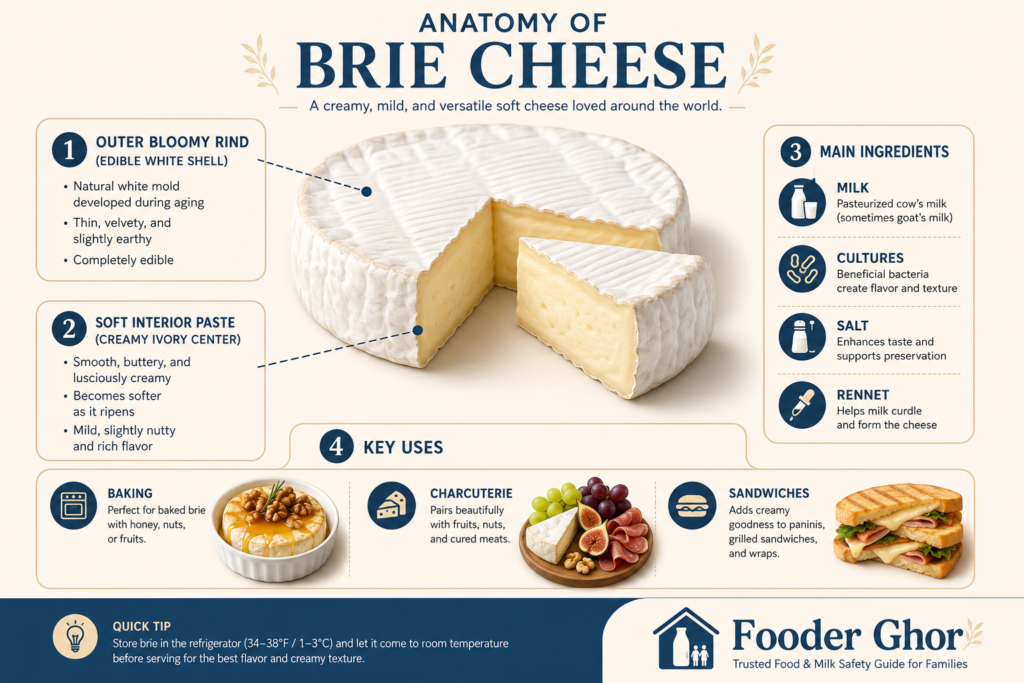
The natural components of finished brie cheese primarily consist of milk fats, proteins (casein), water, salt, and active cultures including Penicillium camemberti. These combined components create its characteristic soft curd structure and distinct bloomy exterior. USDA FoodData Central nutrition data for Brie cheese lists nutrients including protein, calcium, phosphorus, and vitamin B12, although the exact amounts vary by product and serving size.
If you’re also interested in dairy-free options, take a look at our guide to Coconut Milk Benefits to explore its nutritional profile and potential benefits.
What is brie cheese made of?
Brie cheese is made of whole or skimmed cow milk, bacterial starter cultures, salt, and rennet (a coagulating enzyme that separates curds from whey). During the brief production process, milk is warmed, curdled using rennet, cut into gentle curds, drained in perforated molds without pressing, and sprayed with Penicillium camemberti mold spores to form the signature outer rind during aging.
For a detailed overview of Brie’s ingredients and cheesemaking process, the U.S. Dairy Export Council’s guide to soft-ripened cheeses explains how Brie develops its characteristic soft texture and bloomy rind during ripening.
For alternative specialty cheese guidelines, check our overview on feta cheese benefits guide.
Is brie cheese pasteurized?
Brie cheese can be made with either pasteurized or unpasteurized milk, so you should always check the product label rather than assuming that all Brie is pasteurized. Pasteurization uses heat to destroy harmful bacteria that may be present in raw milk. In the U.S., the FDA lists pasteurized soft cheeses such as Brie as a lower-risk choice, while advising consumers to avoid soft cheeses made with unpasteurized milk.
If you’re exploring other soft cheeses, you can also read our guide on What Is Cream Cheese for a simple comparison.
Does brie cheese need to be pasteurized?
Brie may be made from either pasteurized or unpasteurized milk, depending on the producer and country. If you want to avoid the risks associated with raw-milk cheese, check the label and choose Brie made with pasteurized milk. Heat-treating the milk ensures consistent bacterial safety across commercial distribution networks. The CDC’s guidance on raw milk and unpasteurized dairy products recommends choosing pasteurized dairy products because unpasteurized milk and products made from it can carry harmful germs that may cause serious illness, particularly in higher-risk groups.
Research from the CDC shows that to minimize the risk of serious illness, it is safest to choose pasteurized dairy products that are easy options commonly found in most grocery stores.
For proper cold storage options, review our helpful guide on how to store feta cheese.
Types of brie cheese pasteurization
Commercial brands utilize standard pasteurization methods to ensure safety while preserving the creamy profile of the cheese, and major global bries like President, Alouette, and blue-veined varieties sold at stores like Costco are fully pasteurized.
Is President brie cheese pasteurized? Yes, President brie cheese sold commercially is made from fully pasteurized cow milk.
Is Blue brie cheese pasteurized? Yes, blue-veined brie varieties produced for major grocery markets utilize pasteurized milk.
Is Alouette brie cheese pasteurized? Yes, Alouette brie products are crafted using pasteurized dairy ingredients.
Is Costco brie cheese pasteurized? Yes, Kirkland Signature and imported brie offerings at Costco are fully pasteurized.
For practical tips on keeping Brie fresh and maintaining its creamy texture, check out our guide on How to Store Brie Cheese.
Types of brie cheese
Brie cheese comes in various formulations, fat ratios, and specialty blends to suit different recipes:
What is dry brie cheese? A firmer, lower-moisture variety that has been aged longer, resulting in a less gooey texture and stronger flavor.
What is full fat brie cheese? Traditional brie containing at least 60% milk fat in dry matter, yielding maximum creaminess.
What is low fat brie cheese? A lighter alternative crafted from skimmed milk to reduce overall fat content while retaining a soft texture.
What is sugar free brie cheese? Virtually all authentic brie cheese is naturally sugar-free, containing negligible carbohydrates.
What is whipped brie cheese? A modern culinary variation where brie paste (often with rind removed) is aerated into a fluffy, spreadable dip.
For alternative plant milk shelf-life guidelines, read how long does soy milk last.
What is brie cheese used for?
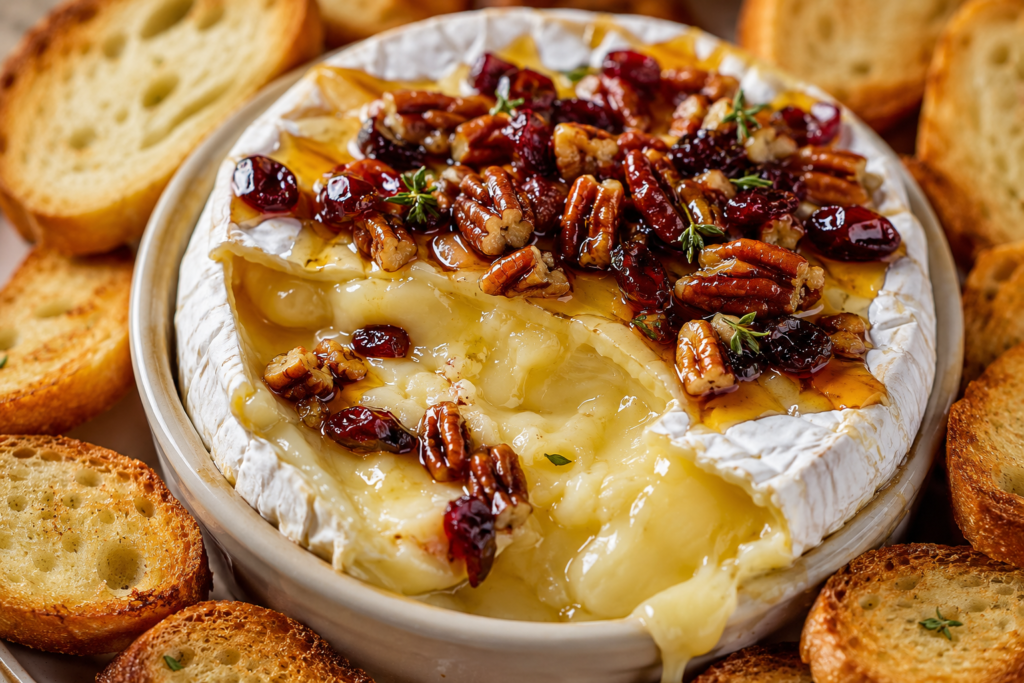
Brie cheese is primarily used as a centerpiece for charcuterie boards, a warm baked appetizer, or a rich melting ingredient in gourmet sandwiches and pasta dishes.
According to the U.S. Dairy Export Council’s guide to soft-ripened cheeses, Brie and other soft-ripened cheeses are commonly used in sandwiches, cheese plates, appetizers, dips, spreads, sauces, and other hot or cold dishes.
Common everyday applications include:
Baking Whole: Wrapped in puff pastry (Brie en Croûte) or baked in a ceramic dish topped with honey, nuts, and berries.
Cold Platter Serving: Sliced into triangular wedges alongside crisp apples, pears, crackers, and cured meats.
Melted Applications: Layered inside gourmet grilled cheese sandwiches, paninis, or melted into hot cream sauces.
Spreads & Dips: Whipped or softened to serve as a luxurious spread for crostini and warm crusty bread.
If you’re also wondering how long Brie stays fresh after opening, you can read How Long Does Brie Cheese Last for practical storage guidance.
Why Trust Fooder Ghor?
At Fooder Ghor, we provide educational resources focused on understanding the safe use, handling, and storage of different types of milk, including breast milk, cow’s milk, goat milk, and raw milk, based on publicly available guidance from trusted sources such as the CDC, FDA, USDA, and AAP. Some milk-related articles, particularly those involving maternal and infant feeding topics, are reviewed for clarity and presentation by nursing students with academic training in maternal and child health to help make information easier to understand. This content is provided for learning purposes only and does not offer medical advice.
Frequently Asked Questions about what is brie cheese
Yes, the outer white bloomy rind is completely edible, safe, and adds a subtle earthy contrast to the creamy interior.
Double cream brie contains a minimum of 60% milk fat in dry matter, whereas triple cream brie has extra cream added to reach at least 75% milk fat.
Remove brie from the refrigerator about 30 to 45 minutes before serving to allow the interior paste to soften and develop its full flavor.
Conclusion
Understanding what brie cheese is provides a great foundation for enjoying this iconic French culinary creation. From its bloomy edible rind to its rich, buttery interior, brie offers a versatile ingredient for both simple snacks and elaborate party platters. Choosing pasteurized commercial options ensures safety while delivering exceptional taste in everyday kitchen recipes.
If you’re storing goat cheese as well, it’s worth knowing how long it stays fresh in the refrigerator. Our guide on How Long Does Goat Cheese Last covers practical storage and freshness tips.











