 Skip to content


Mozzarella cheese is one of the most widely consumed dairy products globally, known for its smooth texture, mild flavor, and high nutrient density. Rich in high-quality protein, essential minerals, and vital B vitamins, mozzarella cheese supports bone strength, muscular recovery, and cellular health. Incorporating this versatile cheese into a well-balanced diet allows individuals to gain nutritional advantages while enjoying a lower-sodium and lower-fat profile compared to many aged hard cheeses.
In this comprehensive guide, we will examine the medically verified health benefits of mozzarella cheese. We will analyze its targeted impact on women’s bone health, weight management strategies, skin integrity, diabetes care, metabolic functions, and guidelines for safe consumption across various life stages.
Short Summary
Mozzarella cheese delivers rich supplies of bioavailable calcium and phosphorus to maintain strong bone mineral density.
The lean protein structure in mozzarella aids in appetite control, promoting satiety during weight management plans.
Low carbohydrate levels and balanced fat content help stabilize blood glucose spikes for individuals managing diabetes.
Vital nutrients such as vitamin B12 and zinc support cellular energy production and immune system resilience.
Choosing pasteurized mozzarella ensures complete safety against bacterial risks for pregnant women and young toddlers.
For practical guidance on keeping mozzarella cheese fresh and maintaining its quality, check out How to Store Mozzarella Cheese for detailed storage recommendations.
What Are the Main Health Benefits of Eating Mozzarella Cheese?
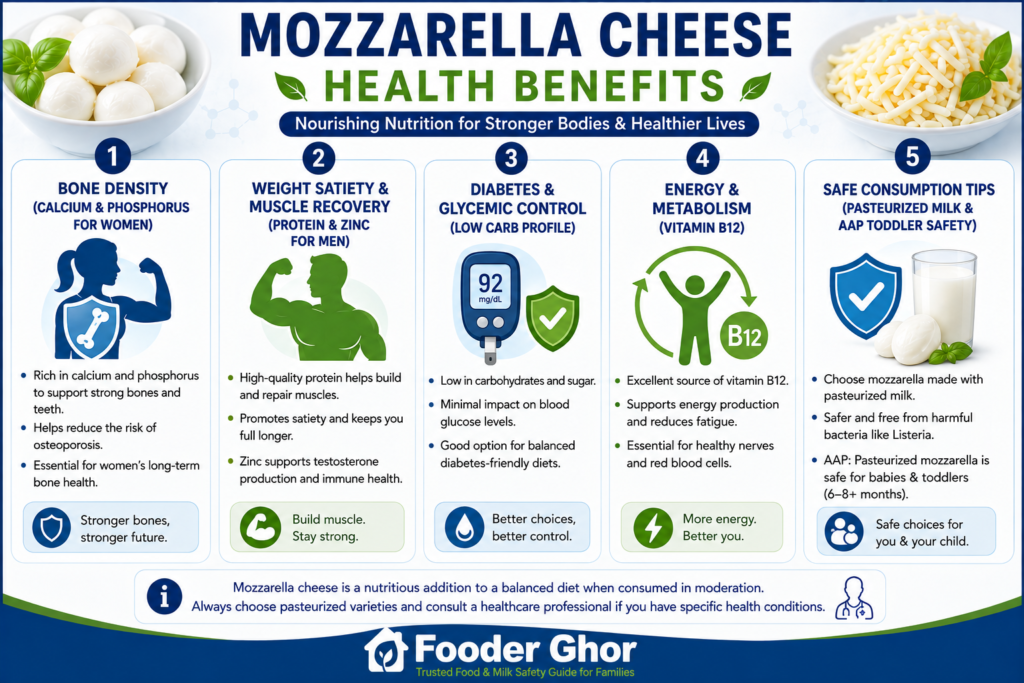
Eating mozzarella cheese regularly provides essential nutrients that strengthen skeletal structures, accelerate muscle tissue repair, and support robust immune system functions.
Mozzarella cheese serves as a nutrient-dense food that supplies vital building blocks for biological health. Its primary benefits stem from its rich combination of complete animal proteins and bioavailable minerals. Additionally, traditional fresh mozzarella (stored in brine) contains live probiotic strains such as Lactobacillus, which support intestinal microbial balance and digestive health.
Unlike heavily aged varieties, fresh and low-moisture mozzarella cheeses maintain a balanced nutritional composition that promotes cardiovascular wellness when eaten in moderation. To learn more about proper storage duration and food safety practices, you can read how long does mozzarella cheese last in your home kitchen.
Mozzarella Cheese Benefits for Women
Mozzarella cheese offers specific health benefits for women by delivering rich amounts of bioavailable calcium and phosphorus that protect bone mineral density and reduce long-term osteoporosis risks.
Women face higher statistical risks of bone density loss as they age, particularly during postmenopausal transitions when estrogen levels decline. Incorporating calcium-rich foods into daily meals is essential for maintaining structural skeletal integrity. Research supported by the NIH shows that dietary calcium combined with phosphorus strengthens bone matrix deposition and inhibits excessive bone resorption. Furthermore, mozzarella contains trace amounts of vitamin D, which works synergistically with calcium to enhance absorption rates across the intestinal lining.
Is Mozzarella Cheese Healthy for Weight Loss?
Yes, in moderation, mozzarella cheese can support weight loss goals due to its high protein density and natural saturated fats that promote prolonged satiety.
Weight management relies heavily on controlling hunger signals and maintaining lean muscle mass during caloric deficits. Mozzarella cheese contains high amounts of casein and whey proteins, which break down slowly in the digestive tract. Based on dietary research published by the USDA, protein-rich foods stimulate satiety hormones that reduce overall caloric intake throughout the day. Choosing low-moisture part-skim mozzarella allows individuals to enjoy high protein content with lower total calories compared to full-fat hard cheeses. If you manage various dairy items in your household, you can also learn how long does soy milk last for efficient fridge storage.
Mozzarella Cheese Benefits for Skin
The primary mozzarella cheese benefits for skin are driven by its high concentration of zinc, vitamin A, and riboflavin, which accelerate cellular repair and regulate sebum production.
Skin health requires continuous cellular turnover and protection against oxidative stress. Zinc is an essential mineral abundant in mozzarella cheese that plays a critical role in collagen synthesis, wound healing, and reducing inflammatory skin conditions such as acne. Additionally, vitamin A helps maintain epithelial tissue integrity, preventing dry or scaly skin textures. Riboflavin (vitamin B2) aids in cellular respiration, promoting a vibrant skin complexion and helping repair damaged dermal cells over time.
For more information about the potential skin benefits of rice milk, check out Rice Milk Benefits for Skin for a detailed guide.
Mozzarella Cheese Benefits for Diabetes
Mozzarella cheese provides excellent nutritional benefits for diabetes management because its minimal carbohydrate content prevents postprandial blood glucose spikes and insulin surges.
Glycemic control is fundamental for individuals diagnosed with type 2 diabetes or prediabetes. Mozzarella cheese contains almost zero carbohydrates, giving it a negligible glycemic index rating.
According to the CDC, eating carbohydrates with foods that contain protein, fat, or fiber can slow how quickly blood sugar rises after a meal. This stabilizing effect helps prevent sudden spikes in blood glucose while supplying steady energy through high-quality proteins and healthy fats.
For more information about the nutritional value and potential health benefits of cream cheese, check out Cream Cheese Benefits for a detailed guide.
Mozzarella Cheese Benefits for Men
Mozzarella cheese delivers targeted health benefits for men by providing complete branched-chain amino acids for lean muscle synthesis and zinc for supporting optimal testosterone levels.
Men seeking athletic performance recovery or muscle preservation benefit significantly from the nutritional matrix found in mozzarella cheese. The leucine, isoleucine, and valine present in dairy proteins trigger muscle protein synthesis following physical resistance training. Furthermore, zinc is a vital mineral that directly supports male reproductive health and enzymatic endocrine pathways. Regular consumption of zinc-rich foods assists in maintaining natural testosterone production, metabolic activity, and cellular defense mechanisms.
For more information about the nutritional value and potential health benefits of feta cheese, check out Feta Cheese Benefits for a detailed guide.
Mozzarella Cheese Benefits for Energy and Metabolism
The unique vitamin and co-enzyme profile in mozzarella cheese directly boosts energy production and metabolic pathways by facilitating efficient nutrient conversion within human cells.
Energy production requires specific vitamins that act as essential cofactors in metabolic cycles. Research supported by the NIH shows that vitamin B12 (cobalamin) in dairy products is critical for red blood cell formation, neurological integrity, and DNA synthesis. Consuming adequate vitamin B12 helps prevent megaloblastic anemia, reducing feelings of fatigue and sluggishness. Mozzarella cheese also provides niacin and cobalamin, which assist in converting dietary fats, proteins, and carbohydrates into usable cellular energy (ATP).
According to the NIH, vitamin B12 is essential for healthy red blood cell formation, DNA synthesis, and normal cellular metabolism. Milk and other dairy products are among the natural food sources of vitamin B12.
For more information about the nutritional value and potential health benefits of Brie cheese, check out Brie Cheese Benefits for a detailed guide.
Mozzarella Cheese Benefits for Dental Health
Mozzarella cheese contributes significantly to oral hygiene and cavity prevention. According to dental health research, chewing mozzarella stimulates saliva production and raises plaque pH, neutralizing harmful mouth acids. The rich combination of calcium, casein, and phosphorus directly aids in remineralizing tooth enamel, protecting teeth against dental caries and decay.
Mozzarella Cheese and Heart-Healthy Conjugated Linoleic Acid (CLA)
Fresh mozzarella contains notable amounts of Conjugated Linoleic Acid (CLA), a naturally occurring trans-fatty acid found in grass-fed dairy. According to nutritional research published by the NIH, CLA exhibits anti-inflammatory properties, helps regulate blood lipid profiles, and supports cardiovascular health when mozzarella is consumed within recommended daily limits.
For more information about the nutritional value and potential health benefits of cow milk, check out Cow Milk Benefits for a detailed guide.
Crucial Safety Considerations and Dietary Restrictions
Mozzarella Cheese and Cholesterol Management
Individuals managing high blood cholesterol can safely include mozzarella cheese in their diet by practicing strict portion control and selecting low-fat, part-skim varieties.
While mozzarella contains saturated fatty acids, its total fat content is generally lower than that of aged hard cheeses like cheddar or parmesan.
According to the American Heart Association, limiting saturated fat can help manage LDL cholesterol levels and reduce the risk of heart disease and stroke. Enjoying moderate portions of part-skim mozzarella supplies valuable calcium without excessively contributing to low-density lipoprotein (LDL) cholesterol accumulation in blood vessel walls.
For more information about the nutritional value and potential health benefits of cottage cheese, check out Cottage Cheese Benefits for a detailed guide.
Is Mozzarella Cheese Safe During Pregnancy?
Yes, pasteurized mozzarella cheese is completely safe during pregnancy because the thermal pasteurization process destroys harmful pathogens such as Listeria monocytogenes.
Food safety during pregnancy is critical to avoid infections that could harm fetal development. Unpasteurized raw milk products carry elevated risks of bacterial contamination that can cause severe gastrointestinal and systemic illnesses.
According to the FDA, pregnant women should choose dairy products made with pasteurized milk and check the label, because unpasteurized milk and cheese can contain Listeria monocytogenes. Expectant mothers can safely enjoy pasteurized fresh mozzarella balls, shredded blocks, or cooked cheese dishes. To learn more about managing potential health risks, read our detailed analysis on mozzarella cheese side effects.
Is Mozzarella Cheese Safe for Babies and Toddlers?
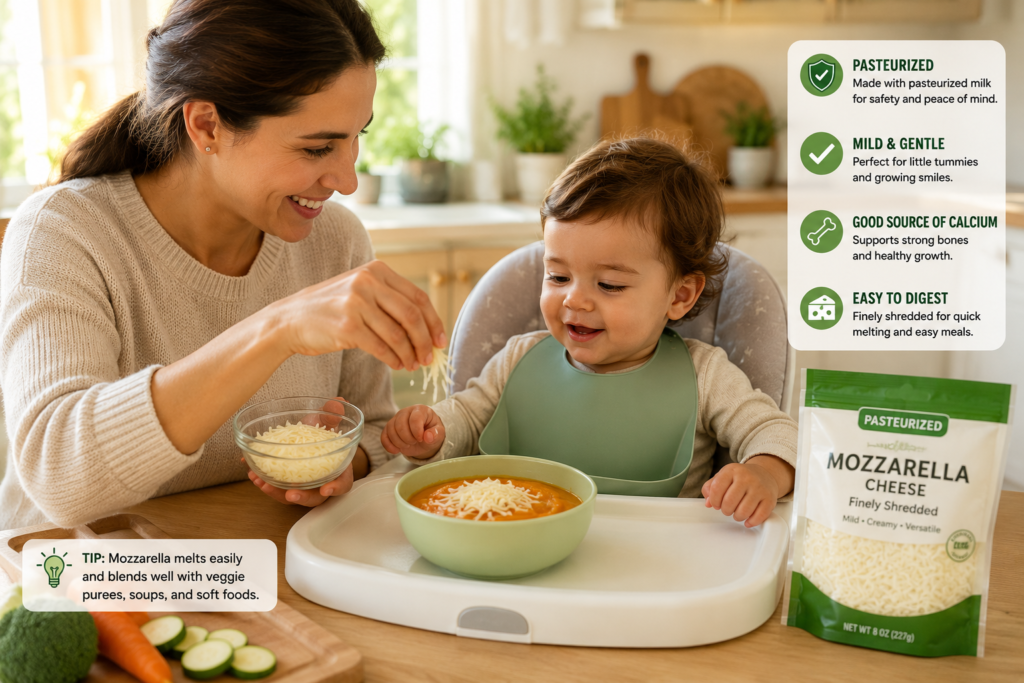
Mozzarella cheese can be safely introduced to babies around 6 months of age, provided it is made from pasteurized milk and served in an age-appropriate texture. The CDC recommends offering pasteurized cheeses to children beginning around 6 months, while avoiding unpasteurized cheeses because they may contain harmful bacteria. According to AAP and CDC guidelines, melted cheese, cheese cubes, or string cheese stick pieces pose high choking hazards for children under 4 years old. For infants (from 6 months) and toddlers, mozzarella should always be offered in thinly shredded or melted/softened small pieces, while opting for lower-sodium pasteurized varieties to protect developing kidneys.
For more information about the shelf life and proper storage of cream cheese, check out How Long Does Cream Cheese Last for practical storage recommendations.
How to Safely Incorporate Mozzarella Cheese into Your Diet
To maximize the health benefits of mozzarella cheese, combine it with fiber-rich vegetables, practice hygienic food handling, and adhere to recommended daily intake levels.
Combining mozzarella cheese with fresh vegetables creates balanced, nutrient-dense meals that support a varied diet. According to the USDA, perishable foods such as fresh mozzarella should be stored in a refrigerator at 40°F (4.4°C) or below to help slow the growth of harmful bacteria.
Follow these dietary strategies to enjoy mozzarella cheese safely:
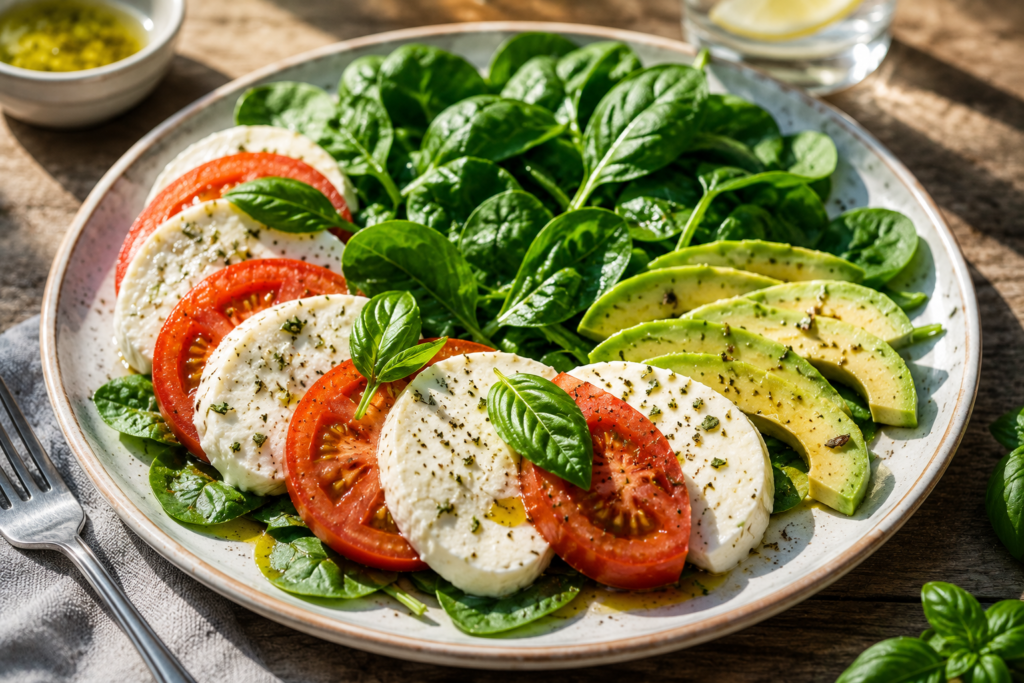
Pair fresh mozzarella slices with ripe tomatoes, basil, and olive oil for a balanced Caprese salad.
Use part-skim shredded mozzarella on whole-grain crusts or vegetable-based pizzas to manage fat intake.
Choose pasteurized commercial brands to guarantee protection against unwanted bacteria.
Keep portion sizes to approximately 1 to 1.5 ounces per serving to align with daily caloric targets.
Store opened cheese tightly wrapped in protective paper or airtight containers on middle fridge shelves.
To learn more about specific caloric values, vitamin breakdowns, and macro ratios, explore our complete guide on mozzarella cheese nutrition.
Why Trust Fooder Ghor?
At Fooder Ghor, we provide educational resources focused on understanding the safe use, handling, and storage of different types of milk, including breast milk, cow’s milk, goat milk, and raw milk, based on publicly available guidance from trusted sources such as the CDC, FDA, USDA, and AAP. Some milk-related articles, particularly those involving maternal and infant feeding topics, are reviewed for clarity and presentation by nursing students with academic training in maternal and child health to help make information easier to understand. This content is provided for learning purposes only and does not offer medical advice.
Frequently Asked Questions
Mozzarella cheese benefits include bone density support, lean muscle repair, and vitamin supply, whereas side effects typically involve digestive distress from lactose sensitivity, high sodium intake, or bacterial risks from unpasteurized varieties.
Yes, mozzarella cheese provides growing children with bioavailable calcium, phosphorus, and high-quality protein necessary for bone development, dental health, and active muscle growth.
Yes, individuals with mild lactose sensitivity can often tolerate mozzarella cheese, especially low-moisture varieties, because part of the lactose whey is naturally drained during the traditional cheese-making process.
Conclusion
In summary, mozzarella cheese offers extensive medically verified health benefits, ranging from enhanced bone mineral density and muscle tissue recovery to improved blood glucose management. Selecting pasteurized varieties and maintaining sensible portion sizes allows you to gain these essential nutrients safely.
For more information about the shelf life and proper storage of goat milk, check out How Long Does Goat Milk Last for practical storage recommendations.











