 Skip to content


Mozzarella cheese is a widely enjoyed dairy staple across households, known for its smooth texture, gentle flavor, and excellent melting qualities. While it is commonly used in everyday cooking such as pizzas, salads, and baked dishes, consuming excessive amounts or eating spoiled varieties can lead to notable health issues. Understanding how mozzarella cheese impacts your digestion, blood pressure, and immune system helps you make safe nutritional choices. The moisture level and pasteurization status of the cheese play major roles in determining these health risks.
In this medical guide, we will examine the main side effects associated with mozzarella cheese consumption. We will cover bacterial contamination risks, lactose intolerance concerns, dairy allergies, sodium levels, and guidelines for safe consumption based on trusted health organizations.
Short Summary
- Unpasteurized mozzarella cheese carries risks of bacterial contamination such as Listeria monocytogenes.
- Individuals with severe lactose intolerance may experience digestive distress from high-moisture mozzarella.
- Dairy protein hypersensitivity to casein or whey in mozzarella can cause allergic reactions ranging from mild hives to severe anaphylaxis.
- High sodium content in processed mozzarella varieties can contribute to elevated blood pressure over time.
- Saturated fat in mozzarella may impact LDL cholesterol levels if consumed in excessive daily quantities.
- Acid Reflux & Constipation: High saturated fat content can relax the lower esophageal sphincter and trigger heartburn, while a high-dairy diet lacking dietary fiber may cause sluggish bowel motility.
For practical guidance on keeping mozzarella cheese fresh and safe, check out How to Store Mozzarella Cheese for detailed storage recommendations.
Is Mozzarella Cheese Bad for You?
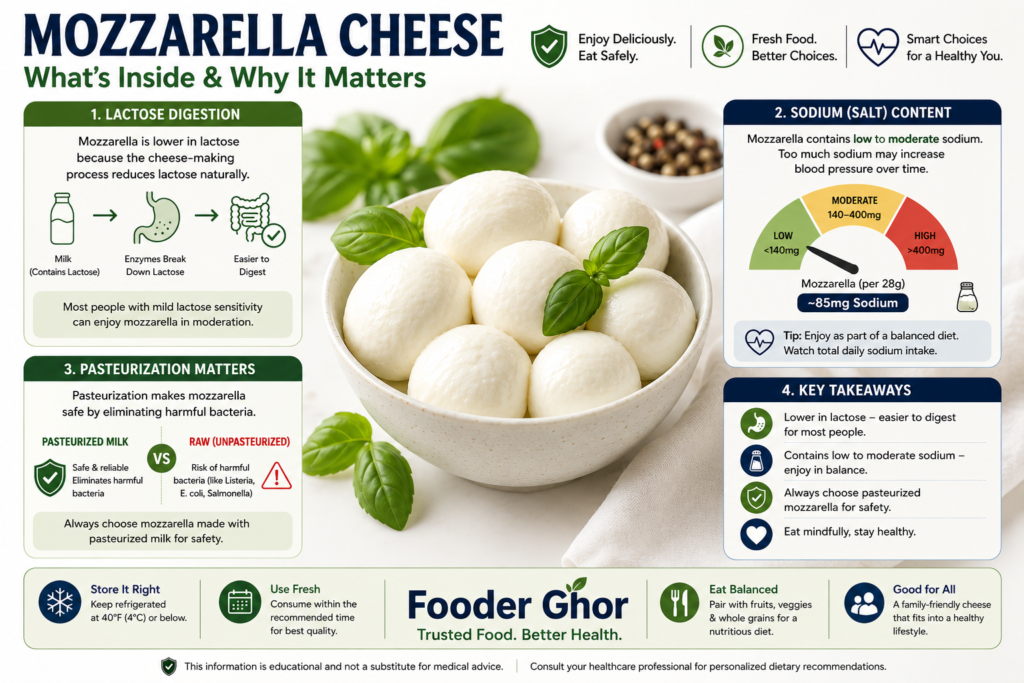
Mozzarella cheese is not inherently bad for most people when consumed in moderation, but excessive intake or eating unpasteurized versions can trigger digestive distress, bacterial infections, and sodium overload.
For most healthy individuals, incorporating moderate amounts of fresh or low-moisture mozzarella into balanced meals provides valuable protein and calcium. However, consuming large portions frequently can introduce high levels of saturated fat and sodium into your daily diet. People with specific medical conditions, such as lactose sensitivity, kidney disease, or milk allergies, need to monitor their intake closely. To understand the general storage timeline and prevent spoilage risks, you can read our how long mozzarella cheese lasts guide in your kitchen.
Mozzarella Cheese and Listeria Risks (Bacterial Contamination)
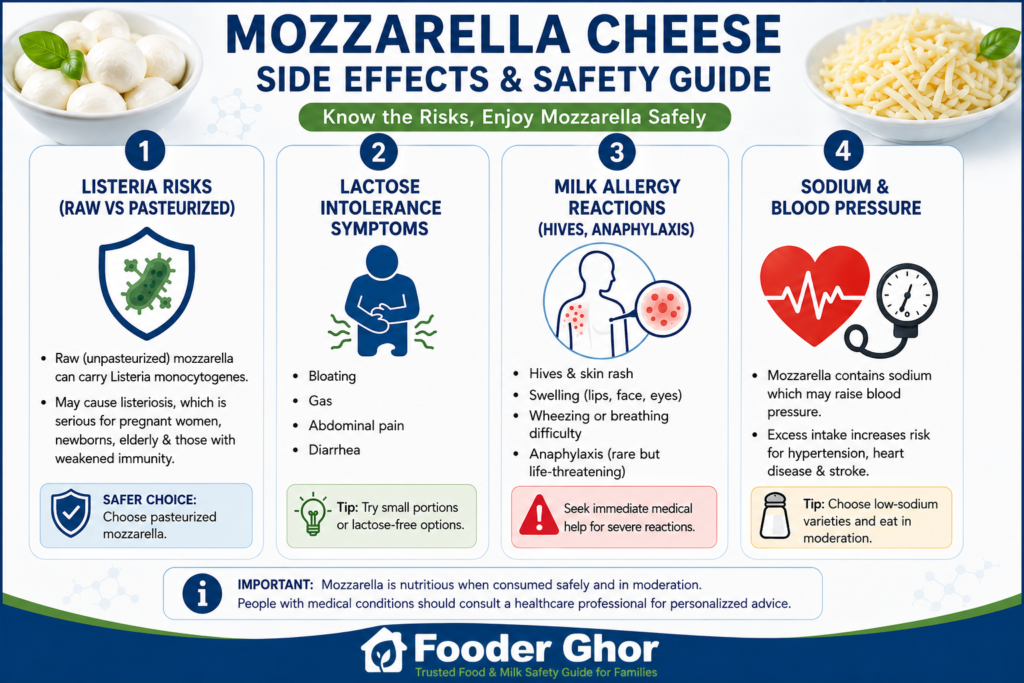
The main mozzarella cheese risks of bacterial contamination depend on moisture content and pasteurization, as high-moisture fresh mozzarella made from unpasteurized milk creates an ideal environment for Listeria monocytogenes growth.
Fresh mozzarella balls stored in brine or whey have a high water activity level that allows harmful microorganisms to survive and multiply quickly if pathogens are introduced. According to the CDC, listeriosis can cause fever, muscle aches, nausea, vomiting, and diarrhea, while severe infections may lead to confusion, loss of balance, and seizures. Pregnant women, newborns, adults 65 and older, and people with weakened immune systems are at higher risk of serious illness.
Pathogenic Hazards in Fresh Brine Storage: Fresh mozzarella balls are frequently stored submerged in brine or liquid whey. CDC and FDA food safety warnings highlight that if contaminated liquid storage is left above refrigerated temperatures or touched with unwashed utensils, bacteria like E. coli can multiply rapidly, causing severe gastroenteritis and stomach cramps.
For more information about the potential health risks and side effects of feta cheese, check out Feta Cheese Side Effects for a detailed guide.
Is Pasteurized Mozzarella Cheese Safe During Pregnancy?
Yes, pasteurized mozzarella cheese is completely safe to eat during pregnancy because the heating process effectively destroys dangerous bacteria like Listeria.
Pregnant women can safely enjoy pasteurized mozzarella purchased from commercial grocery stores. According to the CDC, pasteurized milk and dairy products are safer choices than products made with raw or unpasteurized milk, which can contain harmful germs such as Listeria, E. coli, and Salmonella.
Expectant mothers should always inspect food labels carefully and avoid raw or artisanal unpasteurized cheeses during pregnancy to protect fetal health. For more information about the potential health risks and side effects of evaporated milk, check out Evaporated Milk Side Effects for a detailed guide.
Mozzarella Cheese and Lactose Intolerance
Fresh mozzarella contains some lactose compared to most mature-aged cheeses, but the exact quantity varies by production method and brand. Peer-reviewed nutritional research does not universally support these specific figures. However, low-moisture and aged block mozzarella contain lower lactose levels and are often better tolerated in small portions.
Lactose is the natural milk sugar that requires the lactase enzyme in your small intestine for proper digestion. When an individual produces insufficient lactase, undigested lactose passes into the large intestine, where gut bacteria ferment it into gas and fluid. Consuming fresh high-moisture mozzarella can lead to clinical symptoms such as abdominal bloating, stomach cramps, flatulence, and watery diarrhea within a few hours of eating. If you regularly handle alternative milk options in your routine, you can also learn our how long does soy milk last guide to manage non-dairy fridge items effectively.
Mozzarella Cheese Allergy Symptoms (Dairy Protein Hypersensitivity)
A genuine mozzarella cheese allergy is an immune system response triggered by IgE antibodies reacting to milk proteins such as casein and whey.
A milk allergy is fundamentally different from digestive lactose intolerance because it directly involves the body’s immune defense system. When an allergic person consumes mozzarella cheese, the immune system mistakenly identifies dairy proteins as dangerous invaders and releases histamines throughout the bloodstream. Symptoms can emerge within minutes to two hours after consumption.
Common allergic reactions to mozzarella cheese proteins include the following:
-
Skin reactions such as red hives, itching, or swelling of the lips and face
-
Respiratory symptoms including wheezing, nasal congestion, and coughing
-
Gastrointestinal distress such as sudden nausea, abdominal cramps, or vomiting
-
Anaphylaxis involving throat tightness, severe drop in blood pressure, and difficulty breathing
If severe symptoms such as throat constriction or breathing difficulty occur, seek emergency medical care immediately, as anaphylaxis is a life-threatening condition. According to the FDA, milk is one of the major food allergens and can cause allergic reactions ranging from mild symptoms such as hives to severe, life-threatening reactions such as anaphylaxis.
For more information about the potential health effects and side effects of coconut milk, check out Coconut Milk Side Effects for a detailed guide.
Does Mozzarella Cheese Increase Blood Pressure? (Sodium Load)
Yes, excessive consumption of mozzarella cheese can increase blood pressure due to its high sodium content used during curing and preservation.
Salt plays a critical role in cheese manufacturing by controlling moisture, inhibiting unwanted bacterial growth, and enhancing natural flavor profiles. However, eating multiple servings of low-moisture or processed mozzarella adds substantial sodium to your daily intake.
According to the USDA, limiting sodium intake is recommended as part of a healthy dietary pattern because excessive sodium consumption is associated with an increased risk of high blood pressure. The American Heart Association recommends limiting daily sodium intake to protect cardiovascular health and lower the risk of hypertension.
For more information about the potential health effects and side effects of cottage cheese, check out Cottage Cheese Health Side Effects for a detailed guide.
Can Mozzarella Cheese Trigger Migraines? (Tyramine Sensitivity)
Mozzarella is classified as a low-tyramine cheese and is not commonly associated with migraine triggers. However, low-moisture mozzarella blocks that have been stored or aged for longer periods may accumulate small amounts of tyramine, which might occasionally affect sensitive individuals with migraine disorders.
Does Mozzarella Cheese Cause Weight Gain and High Cholesterol?
Excessive intake of mozzarella cheese can contribute to weight gain and elevated LDL cholesterol levels due to its high density of calories and saturated fat.
Mozzarella cheese contains concentrated milk fats that provide essential vitamins but also deliver significant calories per serving. According to the USDA, limiting saturated fat as part of a healthy dietary pattern can help reduce the risk of cardiovascular disease.
Over time, high LDL cholesterol contributes to plaque build-up in arterial walls, increasing long-term cardiovascular risks. Managing portion sizes helps maintain healthy cholesterol profiles without eliminating dairy completely.
For more information about the potential health effects and side effects of rice milk, check out Rice Milk Side Effects for a detailed guide.
Is Mozzarella Cheese Bad for Kidney Health?
Excessive intake of mozzarella cheese can strain kidneys in individuals with pre-existing renal conditions due to its high phosphorus and sodium content.
The National Institute of Diabetes and Digestive and Kidney Diseases notes that healthy kidneys easily balance mineral levels in the bloodstream, but compromised kidneys struggle to filter excess phosphorus and sodium efficiently. When phosphorus builds up in the blood of individuals with chronic kidney disease, it draws calcium out of bones, making them weak and brittle. Furthermore, high sodium levels worsen fluid retention and elevate blood pressure, putting additional mechanical stress on damaged kidney tissue.
How to Safely Consume Mozzarella Cheese
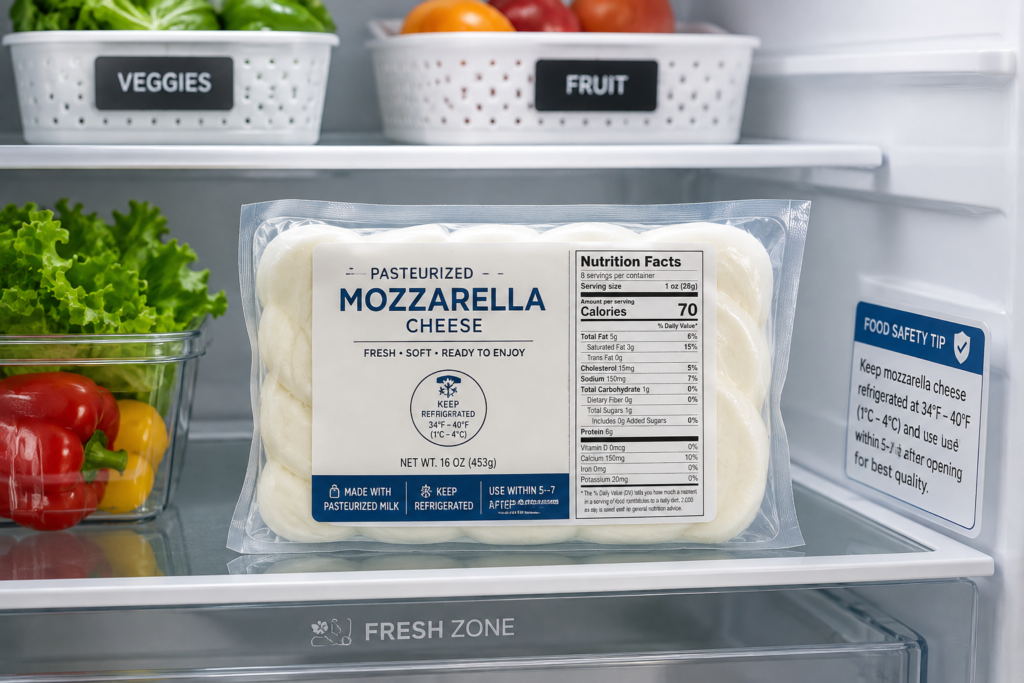
To safely consume mozzarella cheese, always select pasteurized options, practice strict refrigeration below 40°F, and maintain moderate daily portion sizes.
Following established food safety practices minimizes the risk of bacterial contamination and nutritional side effects. According to the FDA, pregnant women and other people at higher risk of foodborne illness should choose dairy products made with pasteurized milk and avoid unpasteurized milk and products made from it.
Proper storage prevents spoilage, so keep opened cheese wrapped tightly in parchment paper or stored in airtight glass containers.
Follow these practical safety guidelines when purchasing and serving mozzarella cheese:
-
Always verify that the label confirms the use of pasteurized milk before purchasing.
-
Store mozzarella on cold interior refrigerator shelves rather than in the door compartment.
-
Discard any soft or fresh cheese that remains at room temperature for longer than 2 hours.
-
Keep raw meats and unwashed produce separate from ready-to-eat cheese blocks to prevent cross-contamination.
-
Balance your daily meals by adhering to recommended portion sizes of 1 to 1.5 ounces per serving.
For more information about the potential health effects and side effects of cow milk, check out Cow Milk Side Effects for a detailed guide.
Can Mozzarella Cheese Cause Acid Reflux and Heartburn?
Yes, consuming high-fat dairy products like mozzarella can trigger or worsen acid reflux and Gastroesophageal Reflux Disease (GERD) symptoms. High saturated fat content slows down stomach emptying and relaxes the lower esophageal sphincter (LES), allowing stomach acid to flow upward into the esophagus and cause heartburn.
For more information about the potential health effects and side effects of cream cheese, check out Cream Cheese Side Effects for a detailed guide.
Does Mozzarella Cheese Cause Constipation?
Consuming large amounts of mozzarella cheese without adequate dietary fiber can lead to constipation. Dairy products rich in casein protein and calcium, but completely lacking fiber, tend to slow down gastrointestinal motility, leading to hard stools and infrequent bowel movements in sensitive adults and young children.
Why Trust Fooder Ghor?
At Fooder Ghor, we provide comprehensive, research-backed educational resources on all types of milk including breast milk, dairy (cow, goat, camel, sheep, buffalo), and plant-based alternatives (oat, soy, almond). Our guides cover everything from nutrition, taste, and health benefits to proper storage, shelf life, and safety handling, aligned with official guidance from the CDC, FDA, USDA, and AAP. To maintain the highest standards of scientific accuracy, this article has been medically reviewed by a Public Health Expert (MPH). This content is for educational purposes only and does not substitute for professional medical advice.
Frequently Asked Questions
Unpasteurized mozzarella cheese can harbor dangerous foodborne pathogens such as Listeria, Salmonella, and E. coli because raw milk lacks the heat treatment required to kill harmful bacteria.
Yes, many individuals with mild lactose intolerance can comfortably digest small amounts of low-moisture mozzarella cheese because it contains lower lactose levels than fluid milk or fresh creams.
An allergy triggers immune responses like hives, swelling, wheezing, or facial itching within minutes, whereas intolerance primarily causes delayed digestive discomfort such as bloating, gas, and diarrhea.
Higher moisture levels in fresh mozzarella create a favorable environment for bacteria and molds to multiply rapidly, giving fresh varieties a significantly shorter shelf life than low-moisture block cheeses.
Conclusion
In summary, while mozzarella cheese provides valuable protein and calcium, excessive intake or consumption of raw unpasteurized varieties can lead to bacterial risks, digestive upset, and elevated sodium levels. Always choose pasteurized products, practice proper refrigeration, and consume cheese in moderation to maintain optimal health. For complete dietary information on calories, protein, and mineral values, check our dedicated guide on mozzarella cheese nutrition.
For additional information on the potential health concerns associated with soft-ripened cheeses, including food safety and dietary considerations, check out Brie Cheese Side Effects for a detailed guide.











