Skip to content

Choosing the perfect dairy alternative often comes down to balancing food allergy concerns with daily kitchen performance. Rice milk and oat milk are two dominant grain-based beverages that have grown incredibly popular across the United States. While both offer excellent options for families looking to cut out dairy, they provide vastly different textures, nutrient densities, and culinary outcomes in daily life.
In this complete guide, we will look closely at rice milk vs oat milk to reveal how their processing methods alter their overall value. We will look at their macro counts, check pediatric recommendations for young families, and find out which option handles morning beverages and weekend baking dishes best.
Short Summary
Texture & Creaminess: Oat milk has a thicker, much creamier profile that closely mimics dairy, making it highly popular for hot beverages.
Allergen Safety: Rice milk remains the most hypoallergenic plant milk available, making it a reliable staple for households with multiple food sensitivities.
Nutritional Density: Both alternatives are naturally high in carbohydrates, but oat milk generally offers more dietary fiber and slightly higher protein per cup.
Weight Management: Neither drink is optimal for strict low-carb diets, though unsweetened oat milk provides a slower digestive process due to its soluble fiber.
Infant Care: Pediatric experts strongly warn that grain-based drinks cannot replace infant formulas or breast milk for babies under one year old.
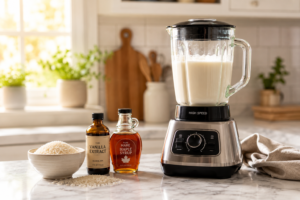
Want a fresh homemade alternative? Learn how to make rice milk at home using a few simple pantry ingredients and customize the flavor to suit your family’s preferences.
Rice Milk vs Oat Milk

When evaluating the base properties of rice milk vs oat milk, the difference begins with the source grains and how they blend with water. Rice milk is produced primarily by milling whole grains of liquidized white or brown rice, whereas oat milk is made by soaking and blending whole-groat oats.
In simple terms, this difference in raw materials gives each beverage a distinct structural profile in your refrigerator. Oat milk retains natural food components like beta-glucans that give it a rich consistency, while rice milk turns out thin and light. Depending on the recipe you are building or your specific dietary restrictions, you might find that one grain profile fits your morning schedule much better than the other.
👉 To understand how grain options compare to nut-based alternatives, read our breakdown on what does almond milk taste like.
Rice Milk vs Oat Milk Which Is Better for You
Deciding which is better for you between rice milk vs oat milk requires analyzing your family’s personal health goals, digestive comfort, and daily nutritional targets. Both options offer great plant-based benefits, but the ideal winner changes depending on your body’s specific requirements.
For instance, if you are looking into rice milk vs oat milk for health benefits like digestive rest or severe allergy prevention, rice milk is often the superior choice. Tree nut, soy, dairy, and gluten allergies affect millions of households, and rice milk provides a gentle option that rarely triggers stomach issues.
That said, if you are looking at rice milk vs oat milk for weight loss or sustained energy, oat milk is generally considered better for daily wellness. Oat milk contains soluble fiber that helps create a feeling of fullness, which can keep your appetite balanced. However, because both are grain milks, they contain higher carbohydrate counts than nut alternatives, meaning moderation is always helpful when tracking calories for weight management.
The U.S. Food and Drug Administration (FDA) advises consumers with food allergies to read the entire ingredient list and allergen information on packaged foods before making a purchase.
👉 Discover more about the overall wellness properties of other unique dairy styles in our post on sheep milk benefits.
Rice Milk vs Oat Milk Nutrition
A close review of rice milk vs oat milk nutrition reveals that grain processing leaves a substantial mark on the final calorie counts and macronutrient ratios. This is especially true when analyzing commercial brown rice milk vs oat milk varieties, where the type of grain alters the breakdown.
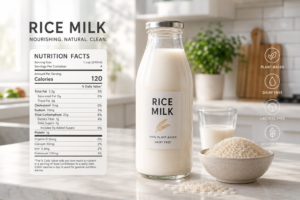
In general, oat milk delivers slightly more protein and healthy fats along with gut-friendly fibers. Rice milk, even when sold as brown rice milk, is highly filtered and carries a higher glycemic impact. The nutritional chart below breaks down how a standard one-cup serving of each unsweetened beverage compares.
Nutritional Comparison Table
| Nutrient (Per 1 Cup Serving) | Unsweetened Oat Milk | Commercial Rice Milk |
| Calories | 90 to 120 calories | 110 to 130 calories |
| Total Carbohydrates | 15 to 18 grams | 22 to 24 grams |
| Dietary Fiber | 2 grams | 0 to 0.5 grams |
| Total Fat | 2.5 to 5 grams | 2 to 2.5 grams |
| Protein | 2 to 3 grams | 0.5 to 1 gram |
FDA guidance explains that the nutrient content of plant based milk alternatives varies depending on the ingredients and whether vitamins and minerals have been added. Comparing the Nutrition Facts label is the most reliable way to evaluate calories, carbohydrates, fiber, protein, and other nutrients between products.
👉 For a deep dive into alternative dairy macronutrient breakdowns, read our detailed guide on soy milk nutrition.
Rice Milk vs Oat Milk for Babies
When managing meal choices and looking at rice milk vs oat milk for babies, medical safety guidelines are clear and non-negotiable. Grain-based plant beverages should never be used as a replacement for real human breast milk or infant formula during a child’s first year of life.
In everyday homes, parents must remember that grain beverages lack the specific fats, concentrated iron, and amino acid structures necessary to sustain infant development. Using them as a primary milk source for infants can lead to severe nutritional deficiencies. For older toddlers, oat milk is often preferred by many families because its protein and fat levels help support healthy weight gain better than thin rice milk.
HealthyChildren org, published by the American Academy of Pediatrics (AAP), advises that plant based beverages should not replace breast milk or infant formula during a baby’s first year because they do not provide the nutritional balance infants need for healthy growth and development.
👉 Learn more about proper pumping and milk collection schedules in our post on how to start pumping breast milk.
Rice Milk vs Oat Milk Baking

When comparing rice milk vs oat milk baking traits, your choice will heavily affect the final crumb structure and moisture levels. Grains react differently to oven heat, making a direct comparison essential for choosing the correct baking ingredient.
Batter Thickness and Structure: Oat milk works well in heavy rustic recipes like whole-wheat breads because it binds ingredients smoothly, whereas rice milk features a very light consistency perfect for thin crepes.
Moisture and Tenderness: The natural fats in oat milk keep morning muffins moist and tender, conversely, the higher water content in rice milk can make cake dough turn out too wet.
Crust Browning Performance: The elevated natural sugars in rice milk encourage beautiful browning on delicate pastry crusts, while oat milk provides a matte finish to baked goods.
Weight and Density: Oat milk creates a dense structure ideal for chewy oatmeal cookies, on the other hand, rice milk will not weigh down light sponge cakes.
Recipe Adjustments Required: Oat milk functions as a direct cup-for-cup dairy substitute, while rice milk often requires adding extra flour or cornstarch to maintain structural balance.
👉 Check out our creative cooking ideas for dairy-free desserts in our guide on goat milk recipe.
Rice Milk vs Oat Milk for Womens & Pregnancy
Evaluating rice milk vs oat milk for womens & pregnancy requires looking closely at daily digestion, trace elemental safety, and micronutrient support during each trimester. Expectant mothers need to consider how these carbohydrate-heavy beverages affect their daily physical changes.
Soluble fiber makes oat milk highly beneficial during pregnancy because it helps ease common prenatal digestive issues like constipation. It also releases energy slowly into the bloodstream, which is helpful for women tracking their glucose levels.
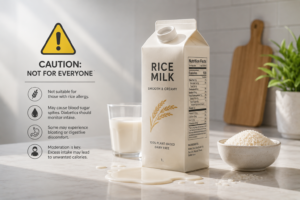
In contrast, rice milk provides a quick, easy digest energy source for mothers dealing with severe morning sickness or food aversions. However, due to the natural presence of trace inorganic arsenic in rice crops, pregnant women are generally advised to rotate rice milk with other dairy alternatives like oat milk to keep their dietary exposure low and balanced.
FDA guidance explains that the nutrient content of plant based milk alternatives varies by product, and many commercial varieties are fortified with nutrients such as calcium and vitamin D. Comparing the Nutrition Facts label helps consumers choose a product that best meets their nutritional needs.
👉 You can also review how pasteurization methods protect parental health by checking out is almond milk pasteurized.
Rice Milk vs Oat Milk for Coffee & Tea

When looking at rice milk vs oat milk for coffee & tea, the flavor balance and visual appeal of your morning drink changes completely. This head-to-head performance breakdown highlights how both grain milks compare in your daily cup.
Texture and Creaminess: Oat milk delivers a thick texture that mimics dairy cream, whereas rice milk offers a thin option that mimics watery skim milk.
Frothing and Steaming: Oat milk steams beautifully to create a micro-foam layer for hot lattes, while rice milk cannot hold a froth due to its lower protein levels.
Curdling and Separation: Oat milk resists curdling when exposed to acidic espresso beans, conversely, cold rice milk may separate when poured directly into hot black teas.
Flavor Integration: The mild flavor of oats adds a warm undertone to morning beverages, while the intense sweetness of rice milk alters the natural taste profile of delicate blends.
Temperature Suitability: Oat milk excels in both hot and iced specialty drinks, on the other hand, rice milk works fine only in light, chilled iced tea recipes.
👉 For advice on tracking freshness signs in alternative dairy products, see our guide on does almond milk go bad.
Rice Milk vs Oat Milk Taste
The ultimate choice between rice milk vs oat milk taste comes down to your personal flavor preferences and how you want a beverage to feel on your palate.
Oat milk offers a highly familiar, mild flavor that is subtly sweet and reminiscent of the leftover milk in a bowl of breakfast oatmeal. Its mouthfeel is notably thick, coating the tongue naturally without needing extra chemical thickeners.
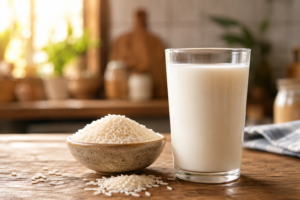
In contrast, rice milk has a distinctly sweet taste that comes entirely from the natural enzymatic breakdown of grain starches during processing. It is very light and refreshing to drink chilled from the glass, but its watery body lacks the rich texture that many people look for when moving away from traditional dairy products.
👉 Discover more about the natural taste profiles of alternative animal milks in our guide on what does goat milk taste like.
Rice Milk vs Oat Milk Price
When looking at the rice milk vs oat milk price comparison at your local United States grocery store, production volume and overall consumer popularity play a massive role in what you pay at checkout.
Oat milk is widely produced by both mainstream brands and budget-friendly store labels, making it highly competitive and easy to find on discount shelves. This high demand keeps prices accessible for everyday kitchens.
Rice milk, on the other hand, is increasingly produced as a specialized allergy-safe beverage. Because it occupies a smaller niche in modern supermarkets, it is often sold at a higher retail price point per carton, making it less economical for families shopping on a tight grocery budget.
Explore how natural processing affects market availability in our look at raw milk nutrition.
Why Trust Fooder Ghor?
At Fooder Ghor, we provide educational resources focused on understanding the safe use, handling, and storage of different types of milk, including breast milk, cow’s milk, goat milk, and raw milk, based on publicly available guidance from trusted sources such as the CDC, FDA, USDA, and AAP. Some milk-related articles, particularly those involving maternal and infant feeding topics, are reviewed for clarity and presentation by nursing students with academic training in maternal and child health to help make information easier to understand. This content is provided for learning purposes only and does not offer medical advice.
Most Common Frequently Asked Questions
While oats are naturally gluten-free, they are frequently processed on shared equipment with wheat crops, meaning families dealing with celiac disease must look for certified gluten-free labels or stick with inherently safe rice milk.
Unsweetened oat milk is generally preferred for weight management due to its fiber content which helps control hunger, while rice milk’s high carbohydrate levels can cause quicker blood sugar fluctuations.
Rice milk is less likely to curdle because of its lower protein concentration, whereas oat milk handles heat well but can sometimes separate if poured cold into highly acidic, boiling black tea blends.
Rice milk is widely considered the safest, most hypoallergenic choice for children recovering from digestive issues or managing severe dietary allergies to nuts, dairy, or soy proteins.
Conclusion
So, when weighing rice milk vs oat milk, the ideal choice depends on your household’s nutritional needs and allergy profiles. Oat milk serves as a thick, creamy kitchen staple that excels in hot coffee blends and hearty baking recipes while offering helpful dietary fiber. On the flip side, rice milk remains an invaluable asset for parents managing severe food allergies, delivering a light, sweet flavor and a highly hypoallergenic structure that is remarkably easy on sensitive stomachs.
Be sure to pick fortified versions of either grain choice to keep your family’s daily nutrient levels strong and balanced.
👉 For instructions on managing and storing animal-based dairy safely, check out our article on how long does fresh cows milk last.