Skip to content

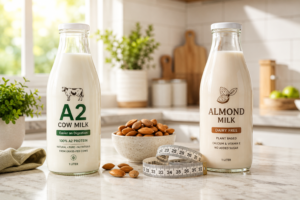
Plant based alternatives have completely transformed modern kitchens across the United States. Many parents and wellness enthusiasts frequently replace regular dairy products with plant sources. When looking for a dairy free option you will inevitably compare coconut milk vs almond milk. Both liquids bring distinct properties to your daily recipes but they serve different dietary needs.
Choosing between these two popular alternatives depends on your specific cooking requirements and fitness goals. Some people prefer a lighter option for calorie control while others seek a richer texture for savory dishes. In this comprehensive guide we will explore almond milk vs coconut milk to highlight their differences. We will look at their nutrition facts, taste profiles, skin impacts, and culinary functions. This breakdown will help you choose the best fit for your home.
Quick Summary:
Nutritional Differences: Coconut milk is typically much higher in fats and calories while almond milk serves as a low calorie and low carb beverage.
Taste and Texture: Coconut milk delivers a rich texture with a distinct tropical sweetness. Almond milk offers a mild flavor with a subtle nutty undertone and a thinner consistency.
Best Dietary Fits: Almond milk works perfectly for weight management and low fat diets. Coconut milk is excellent for keto protocols and rich cooking.
Allergy and Safety Notes: Both options are naturally lactose free but you must check labels to avoid brands with heavily added sugars or thickeners.
If you are also deciding between plant-based and traditional dairy options, our Almond Milk vs Cow Milk comparison explains the differences in nutrition, protein, calories, taste, and everyday uses to help you choose the right milk for your household.
What is the Difference Between Coconut Milk and Almond Milk Nutrition Facts?

In general, coconut milk contains more calories and fat than almond milk, while almond milk is lower in calories and carbohydrates. Both beverages are naturally dairy-free and lactose-free, but neither provides a significant amount of protein unless fortified by the manufacturer.
Coconut milk is significantly richer because it comes from the fatty flesh of coconuts. Almond milk is made by straining ground nuts with water which naturally yields a much lighter liquid.
According to nutrition information published by the USDA a standard cup of unsweetened almond milk contains only 30 to 40 calories. In contrast a cup of unsweetened coconut milk beverage contains around 45 to 70 calories. However if you look at almond milk vs canned coconut milk the nutritional gap becomes massive. Canned coconut milk is highly concentrated and can contain over 400 calories per cup due to its high fat content.
Calories: Unsweetened almond milk has 30 to 40 kcal while carton coconut milk has 45 to 70 kcal.
Carbohydrates: Both unsweetened options are extremely low in carbs containing about 1 to 2 grams per serving.
Protein in Almond Milk vs Coconut Milk: Neither option is a strong protein source as both contain less than 1 gram of protein per cup.
Fat Levels: Almond milk provides around 2.5 grams of healthy fats while carton coconut milk contains around 4 to 5 grams of mostly saturated fats.
When reviewing almond milk nutrition vs coconut milk you will notice that both are excellent for specific health goals. If you compare unsweetened almond milk vs unsweetened coconut milk you will find that both fit beautifully into low carbohydrate lifestyles. Most commercial brands fortify both varieties with essential nutrients like calcium and vitamin D to match traditional dairy values.
👉 To compare how these nut and fruit milks stack up against grain options read our comprehensive guide on what is oat milk.
Which is Better for Weight Loss, Keto, and Diabetes?
For most people, unsweetened almond milk is better for weight loss because it contains fewer calories and less fat. Coconut milk is generally a better option for keto diets because its higher fat content helps support ketosis and provides longer-lasting energy.
For most people managing daily metabolism requires evaluating total macronutrients and caloric density. When we look at almond milk vs coconut milk for weight loss unsweetened almond milk is generally preferred. Because it is a lower calorie option it helps individuals maintain a strict calorie deficit easily. Many families use this in their morning routines to reduce total calorie intake without sacrificing their daily milk experience.
At the same time we must analyze almond milk vs coconut milk keto compliance. Coconut milk contains a high amount of medium-chain triglycerides which are healthy fats that the body quickly converts into energy. Some unsweetened coconut milk products may fit keto diets better because they contain more fat, but the right choice depends on the brand and serving size.
For weight loss and blood sugar control, unsweetened almond milk is often a better choice because it is lower in calories and usually lower in carbs. The FDA Nutrition Facts label helps shoppers check for added sugars before buying.
👉 If you want to explore other heart healthy alternative choices see our detailed article on is skim milk healthy.
How Do They Compare in Taste, Texture, and Culinary Uses?

Coconut milk has a rich, creamy texture with a naturally sweet tropical flavor, while almond milk has a much lighter consistency and a mild nutty taste. The better choice depends on whether you want a richer cooking ingredient or a lighter everyday drink.
The debate over almond milk vs coconut milk taste usually depends on what you are preparing in the kitchen. Coconut milk is widely recognized for its exceptionally smooth consistency and natural tropical flavor.
This makes it a popular staple in cultural cooking around the world. For instance making a savory coconut milk vs almond milk curry requires the thick texture of coconut milk to create an authentic rich sauce. Almond milk is too thin and will make a curry watery.
Baking Performance: Almond milk vs coconut milk in baking shows that almond milk works best for light pastries while coconut milk adds moisture to heavy desserts.
Cake Recipes: Using almond milk vs coconut milk for cakes helps maintain a traditional crumb texture without introducing strong contrasting flavors.
Thick Desserts: Choosing almond milk vs coconut milk for chia pudding favors coconut milk because it helps the seeds gel into a thick spoonable treat.
On the other hand almond milk provides a very mild flavor with a familiar nutty finish. Its texture is noticeably thinner which makes it highly versatile for everyday items. If you enjoy making lighter breakfast bowls or simple morning meals almond milk is a practical kitchen ingredient.
👉 To discover how natural animal milks compare in flavor see our informative post on what does camel milk taste like.
How Do They Perform in Coffee, Tea, and Smoothies?
Coconut milk generally performs better in hot coffee because its higher fat content creates a creamier texture. Almond milk produces a lighter drink and works well for iced coffee, tea, and everyday beverages.
Using plant based beverages to enhance morning drinks is a daily habit for many parents. When comparing almond milk vs coconut milk in coffee coconut milk creamer or milk provides a much richer mouthfeel.
It creates a pleasant tropical undertone that pairs beautifully with dark roast beans. When ordering an almond milk latte vs coconut milk latte at a café the coconut version usually tastes much creamier.
Coffee Blending: Almond milk creamer vs coconut milk creamer reveals that almond milk can sometimes separate or curdle in hot acidic coffee.
Smoothie Textures: Choosing coconut milk vs almond milk for smoothies depends on your goals. Coconut milk makes smoothies thick and filling while almond milk keeps them light.
For warm morning beverages coconut milk handles heat slightly better due to its higher natural fat content. However if you prefer an iced beverage that does not feel heavy or coat your mouth almond milk blends smoothly into iced teas and protein shakes without adding extra fats.
👉 For more guidance on creating smooth creamy textures in desserts check our recipe tips on how to make coconut condensed milk.
What Are the Benefits for Skin, Allergies, and Sustainability?

When comparing coconut milk vs almond milk health benefits, it is helpful to consider skin health, food allergies, and environmental factors together. Neither beverage is universally healthier, and the better choice depends on individual needs.
Almond milk naturally contains vitamin E, an antioxidant that supports normal skin function. Unsweetened coconut milk contains lauric acid, a naturally occurring fatty acid that contributes to its unique nutritional profile.
For food allergies, almond milk is not suitable for people with tree nut allergies. Coconut is classified as a tree nut for food labeling purposes in the United States, so anyone with a diagnosed tree nut allergy should consult a healthcare professional before consuming coconut products.
From an environmental perspective, coconut production generally requires less irrigation than almond farming, while the overall environmental impact depends on farming methods, transportation, and processing practices.
The U.S. Food and Drug Administration identifies tree nuts as one of the major food allergens and requires clear allergen labeling on packaged foods.
👉 To understand how other alternative milks benefit human skin health see our analysis on benefits of almond milk for skin.
Which Is Better During Pregnancy, Breastfeeding, and for Babies?
Neither almond milk nor coconut milk should replace breast milk or infant formula during infancy. For adults, both beverages can be healthy dairy-free options when they are fortified with essential nutrients such as calcium and vitamin D.
Introducing plant alternatives to infants requires strict compliance with professional pediatric guidelines. The American Academy of Pediatrics (AAP) explains that plant milks should not be given as a primary milk replacement for young infants.
When analyzing almond milk vs coconut milk for babies and womens parents must remember that these liquids lack the essential protein and nutrient density found in breast milk or infant formula. They should never be used as a formula substitute during the first year of life.
For nursing mothers coconut milk vs almond milk for breastfeeding offers great options. Coconut milk contains lauric acid which is also naturally found in human breast milk to help build immunity.
Almond milk provides a quick dose of calcium and vitamin E to help mothers stay energized. Both options are completely dairy free which is highly useful if a nursing infant suffers from a cow milk protein allergy.
👉 For complete details on managing infant milk storage safely review our master guide on how to store breast milk on the go.
How Do Alternative Yogurts and Cooking Methods Compare?
As plant based lifestyles grow many families are exploring dairy alternatives beyond traditional liquids. When walking down the grocery aisle you will easily find almond milk yogurt vs coconut milk yogurt.
Coconut milk yogurt is naturally thicker and creamier because of the high fat content in coconut cream. It replicates the texture of traditional Greek yogurt remarkably well without needing heavy artificial starches.
Cooking Stability: Almond milk vs coconut milk for cooking shows that coconut milk stands up to high heat settings much better without breaking down.
Everyday Meals: Almond milk works well for light savory soups or thin gravies where you want to keep total calories low.
Almond milk yogurt is generally thinner but offers a wonderful lower calorie snack for daily use. In general kitchen prep choosing between these two options comes down to whether your recipe requires structural fat or simple hydration.
👉 To learn more about how alternative options behave under low temperatures see our guide on can you freeze coconut milk.
Coconut Milk vs Almond Milk Storage and Shelf Life Comparison
| Storage Stage | Coconut Milk | Almond Milk |
|---|---|---|
| Shelf-Stable (Unopened) | Several months | Several months |
| Refrigerated (Opened) | 7–10 days | 7–10 days |
| Homemade | 3–5 days | 3–5 days |
| Frozen | Up to 3 months | Up to 3 months |
Storage recommendations are very similar for both beverages. The exact shelf life depends on whether the milk is shelf-stable or refrigerated, whether it has been opened, and whether it is homemade or commercially produced.
The U.S. Food and Drug Administration recommends following the storage instructions printed on the package and refrigerating perishable foods promptly after opening to help maintain quality and safety.
If you regularly buy almond milk, our Almond Milk Storage & Shelf Life Guide explains how long unopened, opened, homemade, and frozen almond milk stays fresh, along with practical storage tips for maintaining quality and reducing food waste.
Coconut Milk vs Almond Milk: Which Is Better Overall?
| If Your Priority Is… | Better Choice |
|---|---|
| Lower Calories | Almond Milk |
| Lower Carbohydrates | Almond Milk |
| Keto Diet | Coconut Milk |
| Coffee & Lattes | Coconut Milk |
| Smoothies | Coconut Milk |
| Weight Loss | Almond Milk |
| Everyday Drinking | Almond Milk |
| Rich Cooking & Curry | Coconut Milk |
There is no universal winner. Almond milk is generally the better choice for people looking for fewer calories and a lighter everyday beverage, while coconut milk is ideal for rich cooking, creamy drinks, and higher-fat eating patterns such as keto.
If you would like to learn more about coconut milk beyond this comparison, explore our Coconut Milk Benefits guide to discover its nutritional advantages, potential health benefits, and the best ways to include it in a balanced diet.
Who Should Choose Which Milk?
Who Should Choose Almond Milk?
- Want fewer calories
- Follow a low-carbohydrate diet
- Prefer a lighter everyday beverage
- Need a dairy-free milk alternative
- Drink milk regularly for cereal or smoothies
If you enjoy making your own dairy-free beverages at home, our guide on how to make almond milk explains the ingredients, preparation steps, and storage tips for fresh homemade almond milk.
Who Should Choose Coconut Milk?
- Follow a keto or high-fat diet
- Cook curries or creamy soups regularly
- Prefer a rich and creamy texture
- Make thick smoothies or desserts
- Want a tropical flavor in recipes
If you enjoy homemade dairy-free beverages, our How to Make Coconut Milk guide walks you through the simple ingredients, step-by-step preparation process, and practical storage tips for fresh coconut milk at home.
Why Trust Fooder Ghor?
At Fooder Ghor, we provide educational resources focused on understanding the safe use, handling, and storage of different types of milk, including breast milk, cow’s milk, goat milk, and raw milk, based on publicly available guidance from trusted sources such as the CDC, FDA, USDA, and AAP. Some milk-related articles, particularly those involving maternal and infant feeding topics, are reviewed for clarity and presentation by nursing students with academic training in maternal and child health to help make information easier to understand. This content is provided for learning purposes only and does not offer medical advice.
Most Common Frequently Asked Questions
It is not recommended because almond milk is too thin and lacks the necessary fats. Your curry will turn out watery and will lose its traditional rich flavor profile.
No canned coconut milk is highly concentrated and contains much more fat and calories. Carton coconut milk is diluted with water and is meant for drinking or pouring into cereal.
Unsweetened coconut milk has a very low glycemic index because it contains minimal carbohydrates. The fats inside actually help slow down glucose absorption in the body.
Both options are technically peanut free but almond milk is a tree nut product. If you have a general tree nut allergy always consult your doctor before trying coconut.
Yes. Many people combine coconut milk and almond milk to balance creaminess with fewer calories. Mixing the two works well in smoothies, coffee, oatmeal, soups, and many baking recipes while creating a milder flavor than coconut milk alone.
For most people, unsweetened almond milk is the better choice for everyday drinking because it is lighter and lower in calories. Coconut milk is generally better suited for cooking, desserts, curries, and recipes that benefit from a rich, creamy texture.
Conclusion
So when looking at almond milk vs coconut milk which is healthier? The final decision depends on your personal nutritional goals and kitchen needs. In simple terms if your main priority is weight loss, low calorie intake, or blood sugar management unsweetened almond milk is your best option.
If you want a rich texture for cooking curries, a high fat option for a keto lifestyle, or a creamy addition to your morning coffee coconut milk is an excellent choice. Always read the labels carefully to avoid versions with added sugars to keep your diet balanced.
👉 To understand how long your opened alternative beverages will stay fresh in the fridge see our guide on how long does coconut milk last in the fridge.