Skip to content

Choosing between different types of milk can feel overwhelming for many families in the United States today. Many parents want to find a traditional, familiar option that supports digestive wellness while ensuring maximum health safety. Both versions of this specific dairy beverage promise excellent protein quality, but they undergo very different processing steps before reaching your kitchen table. In this comprehensive comparison guide, we will examine the biological and physical structural differences between these two popular choices. We will look closely at chemical changes caused by heating, explore digestion experiences, and review official food safety data.
Quick Summary
Raw A2 Version: Fresh, unheated dairy that contains active enzymes and its natural farm state texture.
Pasteurized A2 Version: Heat-treated dairy designed to eliminate dangerous bacteria and ensure reliable kitchen safety.
Protein Structure: Both options provide 100% A2 beta-casein protein for easier stomach breakdown.
Safety Profile: Federal health agencies strongly recommend the pasteurized option for younger children and pregnant women.
Quick Comparison: Raw A2 Milk vs. Pasteurized A2 Milk Chart
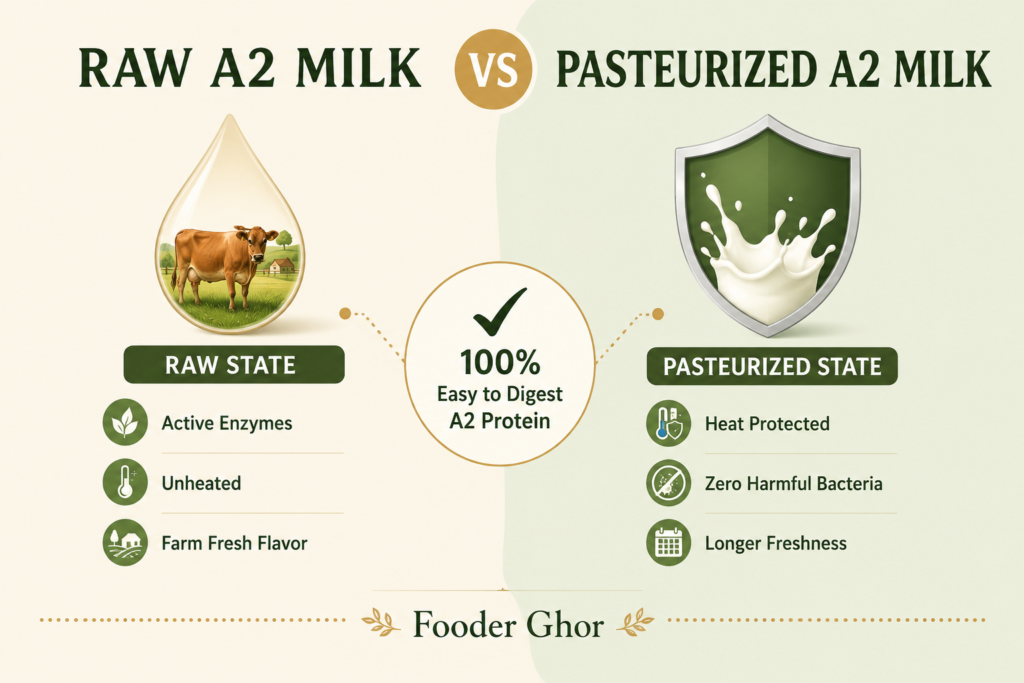
When evaluating modern grocery choices, a direct side-by-side analysis can be highly helpful for busy shoppers. Both beverages share the exact same genetic protein background but differ significantly in their biological activity and safety ratings.
Here is a practical comparison chart outlining the core differences between these two dairy options.
| Feature Profile | Raw A2 Dairy Option | Pasteurized A2 Dairy Option |
| Heat Processing | Completely Unheated | Controlled Thermal Treatment |
| Active Milk Enzymes | Fully Present and Alive | Mostly Deactivated by Heat |
| Target Audience | Healthy Adults Seeking Raw Food | Family-Friendly for All Ages |
| Primary Benefit | Traditional Creamy Farm Flavor | High Level of Bacterial Safety |
| Pathogen Risk | Present Due to Raw Nature | Extremely Low Risk |
The FDA explains that pasteurization effectively reduces harmful bacteria in milk while preserving its overall nutritional quality, making pasteurized dairy the safer choice for most consumers.
Want to compare their nutritional value? Explore our detailed guide on A2 Milk Nutrition Facts to see the calories, protein, vitamins, minerals, and other key nutrients found in A2 milk.
The Impact of Heating: How Pasteurization Changes A2 Milk
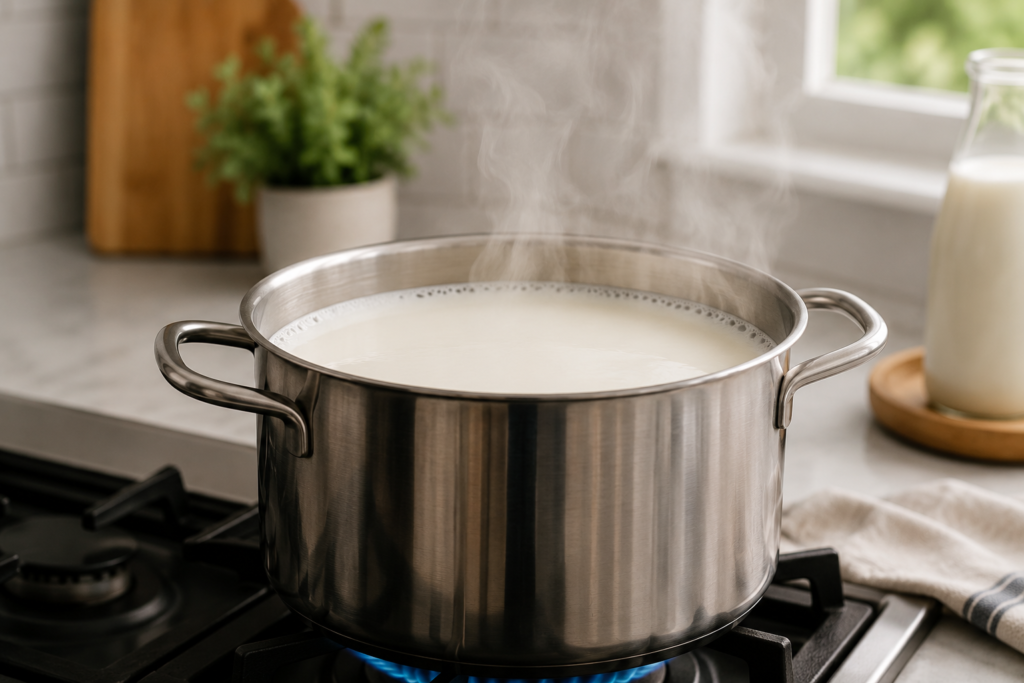
In simple terms, pasteurization is a standard preservation process that uses targeted heat to make modern dairy safer for daily use. During this traditional process, fresh milk is rapidly heated to a specific temperature and held there for a precise number of seconds. This simple step changes the biological environment of the liquid without altering its core macronutrient values. Many kitchens rely on this method because it provides a clean, predictable ingredient for everyday cooking and family baking.
If you’re wondering how long fresh or pasteurized A2 milk stays safe after opening, read our complete guide on How Long Does A2 Milk Last for storage tips and shelf life recommendations.
Does Pasteurization Destroy Beneficial Living Enzymes?
One important thing to know is that heat naturally alters certain sensitive components within fresh dairy fluids. For example, living enzymes like lactase and alkaline phosphatase are mostly deactivated during standard commercial heating cycles. Advocates for unheated options believe these living components help the human body process nutrients more efficiently in everyday recipes. However, official scientific studies show that our regular stomach acids naturally break down these enzymes during normal digestion anyway.
According to the National Institutes of Health (NIH), there is limited evidence that naturally occurring enzymes in raw milk provide digestive benefits because dietary proteins and enzymes are largely broken down during normal digestion.
Nutrient Loss: Raw A2 Milk vs Regular Commercial Milk
Many families use this product because they worry about losing essential vitamins during factory heating processes. In general, standard pasteurization causes only a very minor reduction in heat-sensitive vitamins like Vitamin C and B6. At the same time, major minerals like calcium and phosphorus remain completely unchanged and highly stable after undergoing heat treatments. When comparing raw A2 milk vs regular milk, the major difference lies in the premium genetic protein selection rather than a massive loss of base vitamins. You can discover more about these basic nutritional differences by viewing our article on raw milk nutrition.
Gut Health & Digestion: Which One is Easier on the Stomach?
For many people, digestive discomfort after drinking regular milk may be linked to the type of beta-casein protein it contains. Milk with A1 beta-casein can release a peptide known as BCM-7 during digestion, whereas milk containing only A2 beta-casein does not produce BCM-7 in the same way. Since both raw A2 milk and pasteurized A2 milk come from A2-only cows, they share the same A2 protein profile. As a result, some consumers report experiencing less bloating and improved digestive comfort when choosing A2 dairy, although research is still ongoing.
According to research published by the National Institutes of Health (NIH), A1 beta-casein digestion can release BCM-7, whereas A2 beta-casein does not produce BCM-7 in the same way.
If you want to explore the general advantages of unheated farm products, feel free to read our separate guide on raw milk benefits.
Bacterial Safety Rules: Raw A2 Milk vs Pasteurized A2 Milk
The single most critical factor separating these two popular beverages is their overall level of biological food safety. The FDA states that pasteurization destroys harmful bacteria that may be present in raw milk, significantly reducing the risk of foodborne illness. These microscopic organisms can cause severe foodborne illnesses, leading to painful stomach cramps, vomiting, and high fevers. Pasteurization serves as a reliable protective shield by completely destroying these harmful bacteria before the product leaves the bottling facility. To understand general heat treatment differences better, you can review our historical guide on pasteurized vs unpasteurized milk.
The CDC recommends that pregnant women, young children, older adults, and people with weakened immune systems avoid drinking raw milk because of the increased risk of serious foodborne illness. This warning applies directly to expectant mothers, growing toddlers, elderly grandparents, and individuals with sensitive health conditions. For these specific groups, choosing the pasteurized version forms a balanced, safe, and family-friendly option for morning meals. You can discover more about general unpasteurized food safety guidelines by visiting our informative post on what is raw milk.
Which Option is Better for Your Family?

Depending on your recipe needs and personal health views, one option may fit your daily lifestyle better than the other. If you are an adult seeking traditional ingredients with maximum enzyme counts, the raw variety might appeal to you. That said, you must remain fully aware of the bacterial risks highlighted by federal safety professionals. For most standard households, the pasteurized option offers the perfect balance of easy digestion and total peace of mind. To broaden your understanding of processed varieties, read our comprehensive overview concerning what is a2 milk.
Why Trust Fooder Ghor?
At Fooder Ghor, we provide educational resources focused on understanding the safe use, handling, and storage of different types of milk, including breast milk, cow’s milk, goat milk, and raw milk, based on publicly available guidance from trusted sources such as the CDC, FDA, USDA, and AAP. Some milk-related articles, particularly those involving maternal and infant feeding topics, are reviewed for clarity and presentation by nursing students with academic training in maternal and child health to help make information easier to understand. This content is provided for learning purposes only and does not offer medical advice.
Most Common Frequently Asked Questions
A: No, pasteurization does not change the physical shape or the easy-to-digest nature of the A2 beta-casein protein. The structural difference between raw and pasteurized A2 milk relates mostly to active bacteria and living enzymes.
A: The American Academy of Pediatrics (AAP) recommends that infants and young children consume only pasteurized milk and dairy products because raw milk can contain harmful bacteria that may cause serious illness.
A: In everyday cooking, many bakers prefer raw dairy because its unhomogenized fat structure creates a richer texture. However, the high heat of baking naturally pasteurizes the liquid inside the oven during the cooking process.
Conclusion
The choice between these two distinct beverages involves balancing digestive comfort against established food safety guidelines. Both options provide the wonderful benefits of A2 genetics, making them an excellent choice for individuals who struggle with regular milk. However, the unpasteurized version requires absolute caution due to potential contamination risks on the farm. Always choose the option that aligns best with your family’s personal health needs and comfort levels. For more insight into related side effects, feel free to browse our detailed report regarding a2 milk side effects.