 Skip to content


While plant-based dairy alternatives have taken over modern grocery aisles, regular consumers are beginning to realize that these beverages are not always perfect for everyone. If you have recently switched your morning routine, you might be asking: is cashew milk bad for you? The answer involves exploring the hidden downsides, ingredient additions, and the specific ways this beverage interacts with your digestive tract and overall organ functions.
In this detailed safety guide, we will break down the essential cashew milk side effects, look into commercial formulations, and discuss who should avoid this drink entirely.
Short Summary
-
When commercial formulas become highly problematic for everyday health.
-
The hidden risks of tree nut exposure for sensitive digestive systems.
-
Specific physiological side effects impacting your internal organs and skin.
-
Clear visual and aromatic signs to know if your beverage has spoiled.
If you’re also interested in the positive side of this dairy alternative, our guide on is cashew milk good for you explores its nutritional value, health benefits, and who may benefit most from including it in a balanced diet.
Is Cashew Milk Bad for You and When? Understanding the Risks
In many cases, this plant-based fluid becomes highly problematic when consumed by individuals with underlying nut sensitivities or when heavily processed commercial brands are chosen over pure alternatives. Understanding exactly when this beverage poses a risk can protect your body from unnecessary physical discomfort.
For most people, drinking a moderate amount is fine, but it is also worth noting that specific processing methods introduce elements that are completely unsuitable for sensitive stomachs. For example, individuals prone to chronic inflammation often find that standard store options exacerbate internal imbalances. Another reason people choose to limit this beverage is the frequency of mild, unidentified allergic responses that build up over time.
Depending on the recipe used by commercial manufacturers, the inclusion of certain additives can transform a simple drink into a trigger for metabolic disruptions.
If you keep cashew milk at home, it’s also important to know how long it stays safe to drink. Our guide on how long does cashew milk last explains proper storage methods, shelf life, and the warning signs of spoilage before consumption.
10 Cashew Milk Side Effects to Know Before You Drink
1. Severe Allergic Reactions (Tree Nut Allergies)
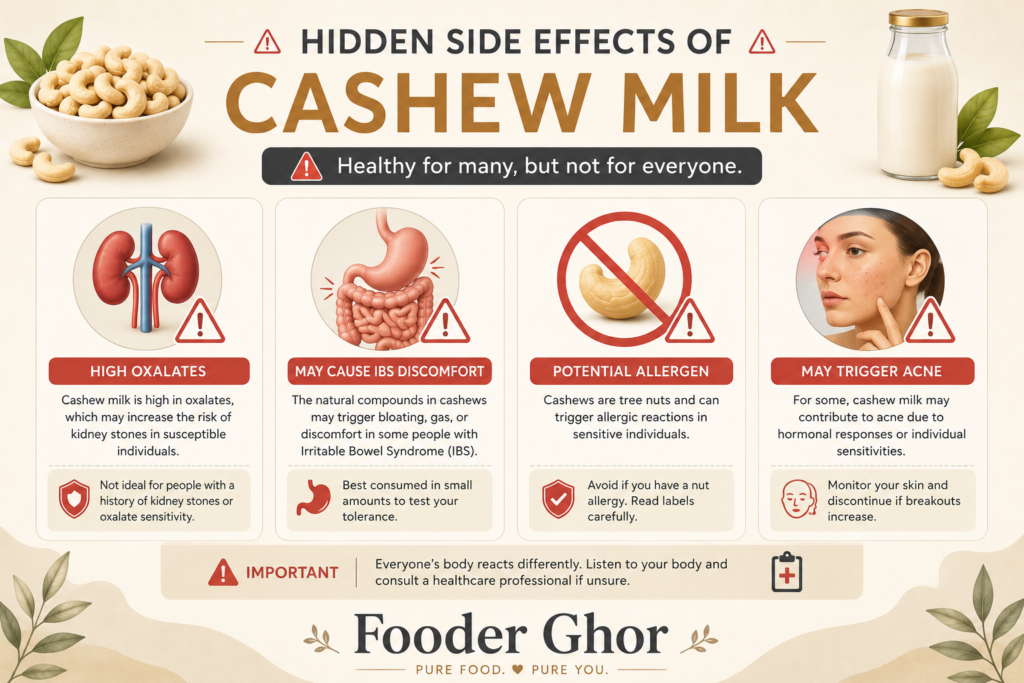
This beverage carries a critical hazard for anyone diagnosed with a tree nut allergy because even trace amounts can trigger immediate, life-threatening systemic responses. The physiological side effects of drinking cashew milk in allergic individuals range from painful hives to severe breathing difficulties.
The U.S. Food and Drug Administration (FDA) identifies tree nuts as one of the nine major food allergens. For individuals with a tree nut allergy, even small amounts of cashew protein can trigger serious allergic reactions, including anaphylaxis, which requires immediate medical attention.
2. High Oxalate Accumulation: Cashew Milk Side Effect on Kidneys
Cashew milk contains moderate amounts of oxalates; individuals with kidney stones or CKD should monitor intake into your bloodstream, which directly increases the filtration pressure on your renal system. This process poses a significant cashew milk side effect on kidneys for individuals prone to mineral crystallization.
Proper storage is also important for maintaining quality and freshness. Our guide on how to store cashew milk covers the best refrigeration and freezing practices to help reduce spoilage before you enjoy each serving.
In sensitive individuals, processed nut milks may trigger inflammation; however, skin reactions are not a common or well-documented effect of cashew milk.
3. Gastrointestinal Distress: Cashew Milk Side Effect on IBS
Some individuals with IBS may experience digestive symptoms from any plant-based beverage; cashew milk is not specifically identified as a major IBS trigger due to fermentable carbohydrates. The presence of specific natural sugars can trigger sudden bowel irregularities.
People with Irritable Bowel Syndrome (IBS) may find that certain foods and beverages trigger digestive symptoms, although triggers vary from person to person. According to the National Institute of Diabetes and Digestive and Kidney Diseases (NIDDK), identifying and avoiding personal trigger foods can help manage IBS symptoms. If your digestive tract struggles to break down the natural chains present in raw nuts, you may experience sudden bloating, embarrassing gas, and watery stools after a single glass.
For readers comparing different nut-based milk options and their possible digestive effects, Almond Milk Side Effects offers a helpful look at related concerns and sensitivities.
4. Elevated Blood Sugar: Unsweetened vs. Sweetened Formulations
While plain varieties are lower in sugar, drinking flavored or sweetened options introduces massive amounts of simple carbohydrates that alter your metabolic balance rapidly. Monitoring the differences in unsweetened cashew milk side effects vs. sweetened ones is crucial for blood glucose management.
If you’re unsure how different varieties compare, our guide on cashew milk nutrition facts breaks down the calories, carbohydrates, sugars, and other nutrients found in both sweetened and unsweetened cashew milk.
5. Skin Inflammation: Cashew Milk Side Effect on Skin, Face, and Acne
For individuals with sensitive systems, the regular intake of processed nut milks can cause systemic inflammation that manifests as a distressing cashew milk side effect on skin and face. This chemical imbalance frequently leads to noticeable breakouts along the jawline.
If you’re looking for a gentler plant-based alternative for skin health, our guide on rice milk benefits for skin explores its nutritional properties and potential benefits for maintaining healthy-looking skin.
6. Metabolic Disruption: Cashew Milk Side Effect on Liver and Fatty Liver
Consuming large amounts of commercially prepared versions containing high-fructose corn syrup can create a negative cashew milk side effect on liver tissues by increasing lipid accumulation. This extra metabolic strain can alter how your body stores internal visceral fats.
According to the National Institute of Diabetes and Digestive and Kidney Diseases (NIDDK), diets high in added sugars and excess calories are associated with an increased risk of nonalcoholic fatty liver disease (NAFLD). Choosing unsweetened plant-based beverages and limiting added sugars can support overall liver health.
7. Weight Management Hurdles: Cashew Milk Side Effect on Weight Loss
Relying on heavily sweetened or calorie-dense commercial nut blends can create an unexpected cashew milk side effect on weight loss journeys by silently introducing surplus liquid calories. These hidden sugars can easily derail your daily caloric boundaries.
If you’re comparing plant-based beverages for weight management, our guide on rice milk for weight loss explains how it fits into a balanced diet, including its calories, nutrients, and practical serving tips.
8. Cholesterol Impact: Cashew Milk Side Effect on Cholesterol
Consuming commercial cashew milk varieties containing added oils or heavy saturated fats can negatively impact your blood lipid profiles, creating an unwanted cashew milk side effect on cholesterol markers.
Certain commercial store brands utilize added vegetable oils and industrial emulsifiers (such as lecithin and guar gum) to increase mouthfeel and creaminess.
According to USDA dietary guidelines, overconsuming added fats and saturated lipids can elevate LDL (bad) cholesterol levels over time, increasing long-term cardiovascular strain in sensitive individuals.
If you are also looking at the potential dietary concerns of other plant-based milk options, Soy Milk Side Effects offers a useful guide to related health considerations.
9. Infant Digestive Vulnerabilities: Cashew Milk Side Effects Baby
Introducing this nut beverage into an infant’s diet too early can cause severe nutritional deficiencies and intestinal malabsorption, marking a dangerous cashew milk side effects baby risk. Their delicate digestive tracts are not equipped to handle complex nut proteins.
The American Academy of Pediatrics (AAP) advises that plant-based beverages should not replace breast milk or infant formula during the first year of life because they do not provide the complete nutrition infants need for healthy growth and development.
10. Gestational Risks: Cashew Milk Side Effects for Female and Pregnancy
During pregnancy, consuming unpasteurized or improperly stored cashew milk may increase the risk of foodborne illness. Choosing pasteurized products and storing them properly is the safest option for expectant mothers. Expectant mothers must monitor their dietary intake with extreme caution.
According to the CDC, pregnant women are at increased risk of serious illness from Listeria monocytogenes. Choosing pasteurized beverages and following safe food storage practices can help reduce the risk of foodborne illness during pregnancy. Additionally, overconsuming salted commercial varieties can lead to excessive sodium retention, causing swollen ankles and elevated gestational blood pressure.
For a broader look at dairy-related concerns during pregnancy and other potential health effects, Cow Milk Side Effects provides additional guidance on safety, nutrition, and individual sensitivities.
Almond Cashew Milk Side Effects: Combined Nut Complications
In everyday cooking and drinking, utilizing a commercial blend of multiple nuts can compound your digestive difficulties by exposing your gut to two entirely different sets of plant defense mechanisms. Examining almond cashew milk side effects reveals that this combination increases your total oxalate and phytate intake significantly.
This can be problematic when you possess a sensitive stomach lining that reacts poorly to heavy plant enzymes. Both of these nuts contain high amounts of natural phytic acid, which can bind to essential minerals in your digestive tract, preventing your body from absorbing iron and zinc effectively.
It is also worth noting that if you have a mild, undetected sensitivity to almonds specifically, drinking a combined blend will trigger immediate systemic inflammation. To understand how individual nut properties can cause issues when stored incorrectly, you can read our detailed guide on does almond milk go bad.
Cashew Milk Goitrogens and Thyroid Function Interference
Consuming excessive amounts of unprocessed cashew milk daily can potentially interfere with thyroid hormone production in individuals with underlying thyroid disorders.
While raw cashews contain minimal goitrogenic compounds, processing (roasting, soaking) used in commercial milk production reduces these further, posing negligible risk for most individuals by the thyroid gland. According to insights aligned with NIH thyroid research, adequate iodine uptake is necessary for synthesizing essential thyroid hormones (T3 and T4). While casual consumption poses minimal risk for healthy adults, heavy daily intake of nut beverages may complicate condition management for individuals dealing with hypothyroidism or severe iodine deficiencies.
If you are also interested in potential sensitivities and dietary concerns associated with animal-based milk, Goat Milk Side Effects provides a broader look at possible risks and precautions.
How to Know if Cashew Milk Spoil: Detecting Rotten Milk
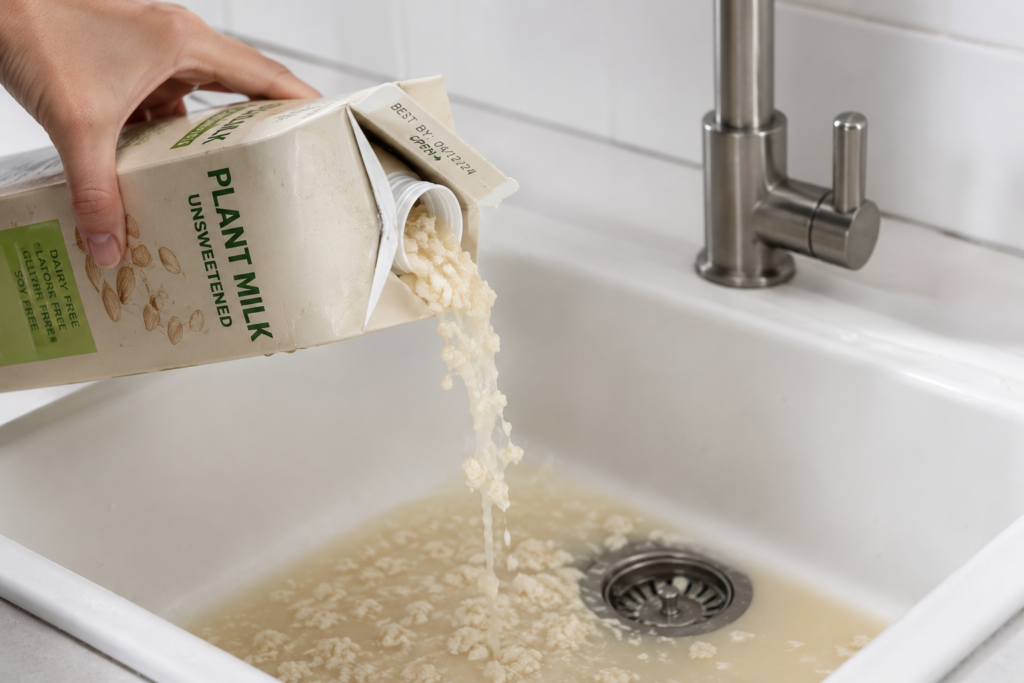
To prevent severe food poisoning and bacterial infections, every parent must learn how to know if cashew milk spoil before serving it to their family. Spoiled plant milk undergoes a rapid chemical breakdown that alters its odor, visual structure, and overall thickness completely.
Here is a quick reference table based on food safety inspection guidelines.
| Indicator | Fresh Condition | Spoiled Condition (Discard Immediately) |
| Aroma Check | Mild, sweet, clean nutty scent | Sharp, sour, vinegary, or fermented odor |
| Visual Texture | Completely smooth, consistent fluid | Heavy curdling, separation, or thick clumps |
| Container Shape | Flat, normal cardboard or plastic walls | Bloated, swollen, or expanding packaging |
| Color Appearance | Creamy white to soft ivory shade | Dull yellowish tint or visible dark mold spots |
The USDA Food Safety and Inspection Service advises discarding any perishable food that develops an off odor, unusual appearance, or other signs of spoilage. When in doubt, it is safest to throw the product away.
Warning Note: To protect your family from harmful foodborne pathogens, always discard any plant milk that shows signs of curdling or emits a sour smell, even if it has been kept constantly refrigerated.
You can also read our guide on cashew milk benefits to learn how to enjoy cashew milk safely and get the most from its nutritional value while it’s still fresh.
Why Trust Fooder Ghor?
At Fooder Ghor, we provide comprehensive, research-backed educational resources on all types of milk including breast milk, dairy (cow, goat, camel, sheep, buffalo), and plant-based alternatives (oat, soy, almond). Our guides cover everything from nutrition, taste, and health benefits to proper storage, shelf life, and safety handling, aligned with official guidance from the CDC, FDA, USDA, and AAP. To maintain the highest standards of scientific accuracy, this article has been medically reviewed by a Public Health Expert (MPH). This content is for educational purposes only and does not substitute for professional medical advice.
Most Common Frequently Asked Questions
A: Yes, certain industrial thickeners like carrageenan or guar gum commonly added to store brands can irritate the intestinal lining, leading to mild digestive inflammation.
A: Homemade versions eliminate chemical additives, but raw unpasteurized nut milk spoils much faster and carries a higher risk of bacterial contamination if not kept cold.
A: Immediate stomach pain is typically caused by a mild tree nut allergy, an inability to process natural plant oxalates, or a sensitivity to commercial gums.
A: No, boiling will not neutralize the heat-resistant toxins produced by multiplying bacteria, so spoiled milk must always be discarded immediately.
Conclusion
So, is cashew milk bad for you? While it serves as a popular dairy alternative, it carries undeniable side effects including severe tree nut allergies, kidney stone risks from high oxalates, and noticeable bloating for individuals with IBS. Commercial versions often worsen these risks by introducing inflammatory oils and excess sugars that complicate liver functions and weight loss tracking. To maintain total family safety, always avoid serving this fluid to infants, select unsweetened varieties cautiously, and discard any cartons showing clear signs of spoilage immediately.
For more information on the safety profiles and timelines of alternative plant-based milk products, feel free to review our complete guide on how long does almond milk last.











