Skip to content


Ricotta cheese is one of the most versatile and beloved fresh cheeses in Italian cuisine and modern cooking. But many home cooks still wonder: what is ricotta cheese? In simple terms, ricotta cheese is a soft, mild, and creamy fresh dairy product traditionally made from the whey left over during the production of other cheeses like mozzarella and provolone.
In this comprehensive guide, we will explore everything you need to know about ricotta cheese, including its flavor profile, ingredients, pasteurization safety guidelines, popular market brands, different varieties, and practical culinary uses in everyday cooking.
Short Summary
Definition: A soft, fresh Italian dairy product made from re-cooked cheese whey or whole milk.
Taste Profile: Mild, slightly sweet, and delicate with a smooth, grainy, and creamy texture.
Pasteurization: Most store-bought brands in the U.S. use pasteurized milk to ensure safety.
Popular Varieties: Whole milk, full fat, salted, sweet, whipped style, dry creamy, and cultured fresh options.
Common Uses: Perfect for pasta fillings, lasagna, pizza, savory baked dishes, and sweet desserts like cannoli.
You can visit our guide on how to store ricotta cheese to learn how to keep ricotta fresh, creamy, and safe for longer.
What is Ricotta Cheese?
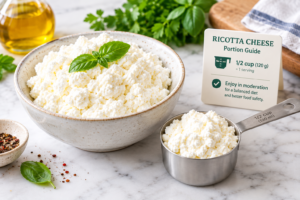
Ricotta cheese is a traditional Italian fresh cheese made by re-heating the liquid whey remaining after making primary cheeses. In everyday cooking, it serves as a lightweight, nutritious, and adaptable ingredient that fits naturally into both savory dinners and sweet breakfast treats.
The word “ricotta” literally translates to “recooked” in Italian. This name describes the traditional method where cheesemakers take the liquid whey remaining after producing mozzarella or provolone, heat it again with acid, and cause the remaining proteins to form soft, tender curds. Today, many American producers also craft ricotta directly from whole milk or a blend of milk and whey to create a richer texture.
For a closer look at another popular fresh cheese, read our guide to what is feta cheese and see how its flavor, texture, and preparation compare with ricotta.
What Does Ricotta Cheese Taste Like?

Ricotta cheese has a fresh, mild, and clean flavor profile with a subtle hint of natural sweetness. For most people, it tastes far less salty and tangy than cream cheese, cottage cheese, or feta cheese.
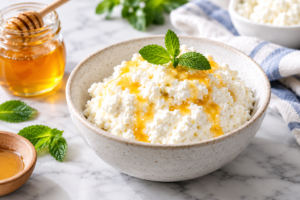
The texture of ricotta is uniquely soft, light, and slightly grainy yet moist. Depending on the milk fat content, its flavor ranges from delicate and milk-forward to rich and velvety. Because of its gentle flavor, ricotta easily absorbs spices, herbs, garlic, and sweet flavorings like honey or vanilla, making it a reliable staple in family-friendly recipes.
You can also read our guide on how long does ricotta cheese last to find out how long ricotta stays fresh in the fridge and how to tell when it’s time to throw it away.
What Color is Ricotta Cheese?
Ricotta cheese is naturally bright white to soft ivory in color.
The exact shade of white often depends on the milk source and fat content. Whole milk and sheep milk versions typically display a slightly warmer, creamy ivory tint due to natural butterfat, whereas skim or whey-based varieties appear brilliant porcelain white. If your ricotta turns yellow, grey, or shows green spots, it is a clear sign of spoilage or mold exposure.
Beyond its appearance, ricotta also offers several nutritional benefits worth knowing about. Read our guide to ricotta cheese health benefits for a closer look at the nutrients it provides and how they can fit into a balanced diet.
What is in Ricotta Cheese?
Ricotta cheese naturally consists of water, milk proteins (primarily whey protein like beta-lactoglobulin and alpha-lactalbumin), milk fat, lactose, and minerals such as calcium, phosphorus, and sodium.
Unlike hard aged cheeses that consist mainly of casein protein, fresh ricotta gets its structure from heat-coagulated whey proteins. These natural components give ricotta its gentle moisture, low sodium profile, and smooth digestive properties.
Research from USDA FoodData Central shows that ricotta is a source of important nutrients, including protein, calcium, phosphorus, and other minerals. The exact nutritional profile can vary depending on whether the ricotta is made from whole milk, part-skim milk, or whey.
For a closer look at another soft cheese, read our guide to what is in cream cheese to see how its ingredients and nutritional components compare with ricotta.
What is Ricotta Cheese Made Of?
Ricotta cheese is made of high-quality milk or whey, a food-grade acidifier (such as vinegar, lemon juice, or citric acid), and a pinch of salt.
The production process is fast and simple compared to aged cheeses. First, the milk or whey mixture is heated to around 180°F to 200°F. Next, an acid is introduced, causing the proteins to separate into fine curds. Finally, the curds are gently scooped up and strained through cheesecloth or micro-perforated baskets to drain excess liquid whey, leaving behind fresh, creamy ricotta.
FDA explains that heat treatment is used in dairy processing to help control undesirable bacteria and support food safety and product quality. The exact heating process can vary depending on the dairy product and manufacturing method.
For a closer look at another fresh cheese, read our guide to what is cottage cheese made of to see what ingredients are commonly used and how its composition differs from ricotta.
Is Ricotta Cheese Pasteurized?
Yes, almost all commercially available ricotta cheese sold in U.S. grocery stores is pasteurized.
Pasteurization is a heat-treatment process that destroys harmful bacteria such as Listeria monocytogenes, E. coli, and Salmonella. Because fresh soft cheeses contain high moisture levels, commercial manufacturers strictly pasteurize the milk base before curdling to protect consumer health.
For more on potential concerns related to eating ricotta, read our guide to ricotta cheese side effects, including what to consider based on your individual dietary needs.
Does Ricotta Cheese Need to be Pasteurized?
Yes, ricotta cheese needs to be pasteurized if it is intended for commercial retail sales and safe family consumption in the United States.
Because ricotta is a high-moisture fresh cheese that is consumed without lengthy aging, unpasteurized versions carry a high risk of bacterial contamination. Heating milk to official safety thresholds ensures that the final cheese remains fresh, stable, and safe to eat throughout its refrigerated shelf life.
According to the FDA, consumers should check the label to make sure dairy products, including cheese, are made with pasteurized milk. Pasteurization helps reduce harmful bacteria, including Listeria, that can be present in unpasteurized milk.
For more on keeping soft cheese fresh at home, read our Brie cheese storage guide for practical storage and refrigeration tips.
Types of Ricotta Cheese Pasteurization and Popular Brands
When shopping for dairy products, many shoppers wonder if their favorite grocery store brands and specialty styles follow strict pasteurization standards.
Here is a breakdown of common commercially available brand options:
Is Galbani Ricotta Cheese Pasteurized? Yes, Galbani ricotta cheese is fully pasteurized and compliant with strict safety regulations.
Is Publix Ricotta Cheese Pasteurized? Yes, all Publix brand ricotta cheeses are made using pasteurized milk.
Is Whole Milk Ricotta Cheese Pasteurized? Yes, store-bought whole milk ricotta undergoes pasteurization prior to curdling.
Is Frigo Ricotta Cheese Pasteurized? Yes, Frigo ricotta cheese is crafted from pasteurized milk.
Is Tesco Ricotta Cheese Pasteurized? Yes, Tesco brand ricotta cheese sold in retail stores is pasteurized.
Is Trader Joe’s Ricotta Cheese Pasteurized? Yes, Trader Joe’s ricotta cheese options are made from pasteurized milk for guaranteed safety.
According to the FDA, ricotta is included among fresh soft cheeses made from pasteurized milk, but consumers should still check the product label to confirm that the specific cheese is made with pasteurized milk. Pasteurization helps reduce harmful bacteria that may be present in raw milk.
For another popular Italian cheese, read our guide to what is mozzarella cheese to learn more about its ingredients, texture, and how it is made.
Types of Ricotta Cheese

Depending on the recipe, different varieties of ricotta offer unique textures, fat levels, and flavor profiles for kitchen use.
What is Salted Ricotta Cheese?
Salted ricotta cheese (often known as Ricotta Salata) is a firm, aged, and salted variation of fresh ricotta. The fresh curds are salted, pressed, and dried for several weeks, resulting in a firm wheel that can be easily grated or crumbled over salads and pasta dishes.
What is Dry Creamy Ricotta Cheese?
Dry creamy ricotta cheese is a strained style where maximum liquid whey is removed while retaining high milk fat. This yields a dense, velvety consistency that prevents baked dishes like lasagna and stuffed shells from turning watery.
For a look at another popular cheese with a firmer texture, read our guide to what is cheddar cheese and learn more about how it is made, aged, and used in everyday cooking.
What is Aisle Ricotta Cheese?
Aisle ricotta cheese refers to the standardized, tub-packaged fresh ricotta found in the dairy aisle of everyday supermarkets. It is formulated for convenient daily use in household recipes.
What is Whipped Style Ricotta Cheese?
Whipped style ricotta cheese is fresh ricotta that has been mechanically blended or whipped to remove grainy curd texture, creating an ultra-smooth, airy, and spreadable consistency perfect for dips and crostini.
What is Full Fat Ricotta Cheese?
Full fat ricotta cheese is crafted from whole cow, sheep, or goat milk without skimming the butterfat. It offers a richer texture, smoother consistency, and mild flavor that works wonderfully in desserts.
For a closer look at the nutrients found in ricotta, read our guide to ricotta cheese nutrition and see how its protein, fat, calcium, and other nutrients fit into your diet.
What is Sweet Ricotta Cheese?
Sweet ricotta cheese is either fresh ricotta prepared naturally with sweet whole milk or pre-blended ricotta sweetened with sugar, cinnamon, or vanilla for direct use in pastry fillings like cannoli and sfogliatella.
What is Ricotta Cheese Used For?

Ricotta cheese is widely used across both sweet and savory dishes in everyday home cooking.
In savory dishes, it is frequently used as a filling for stuffed pasta like ravioli, manicotti, and jumbo shells. It forms the classic creamy layer in traditional baked lasagna, works as a creamy pizza topping, and adds richness to white sauces and vegetable tarts.
In sweet applications, ricotta is a classic ingredient in traditional Italian cannoli filling, cheesecakes, pancakes, lemon cakes, and sweet dessert dips when mixed with honey, fruits, or cocoa.
Ricotta is just one of many fresh cheeses that need proper refrigeration to maintain their quality. Read our guide on how long does goat cheese last to learn how long another popular fresh cheese typically keeps in the fridge.
Why Trust Fooder Ghor?
At Fooder Ghor, we provide educational resources focused on understanding the safe use, handling, and storage of different types of milk, including breast milk, cow’s milk, goat milk, and raw milk, based on publicly available guidance from trusted sources such as the CDC, FDA, USDA, and AAP. Some milk-related articles, particularly those involving maternal and infant feeding topics, are reviewed for clarity and presentation by nursing students with academic training in maternal and child health to help make information easier to understand. This content is provided for learning purposes only and does not offer medical advice.
Frequently Asked Questions
Cottage cheese, fresh farmer’s cheese, cream cheese, or unsalted queso fresco serve as practical substitutes in most pasta and baked recipes.
Ricotta cheese generally contains more calcium and whey protein than cottage cheese, but it can also be higher in fat and calories if made from whole milk.
Ricotta naturally releases liquid whey over time. You can drain off the excess whey using a fine-mesh sieve or cheesecloth before adding it to your recipe.
Conclusion
So, what is ricotta cheese? It is a versatile, soft, and creamy fresh Italian dairy product made by re-heating nutrient-rich whey or whole milk. With its mild flavor, delicate sweetness, and widespread pasteurization safety across leading store brands, ricotta remains an easy-to-use ingredient in everyday kitchens. Whether you are layering a baked lasagna or crafting sweet cannoli fillings, understanding the right type of ricotta ensures delicious results every time.
👉 If you want to learn more about dairy safety timelines, read our guide on how long does brie cheese last.