Skip to content

Cashew milk has quickly gained popularity in the United States as a creamy, plant-based dairy alternative. Many parents and individuals look for a smooth beverage that fits into a balanced lifestyle. But if you are new to this drink, you probably want to know: what does cashew milk taste like? The answer depends on whether it is store-bought, homemade, sweetened, or unsweetened.
In this comprehensive guide, we will break down the exact flavor profile, texture, and color of cashew milk. We will also look at popular store brands and answer common questions regarding this versatile dairy alternative based on official U.S. food guidelines.
Quick Summary
Primary Flavor: Mild, slightly sweet, and distinctly nutty with a rich finish.
Texture: Exceptionally creamy, smooth, and closer to whole dairy milk than almond milk.
Color: Creamy white to a soft, light ivory shade.
Pasteurization: Store-bought versions are always pasteurized for safety, while homemade versions are raw unless heated at home.
Best Uses: Works perfectly in baking, everyday recipes, soups, and morning coffee.
If you’d like to enjoy fresh cashew milk without unnecessary additives, follow our guide on how to make cashew milk at home using just a few simple pantry ingredients.
What Does Cashew Milk Taste Like?
This plant beverage tastes exceptionally mild, smooth, and naturally sweet with a very gentle, subtle nut flavor. It lacks the strong or bitter aftertaste found in some other nut milks.
In simple terms, for most people, the flavor is not overwhelming, which makes it an easy option for everyday use. In many cases, people prefer it because it lacks the strong, chalky taste sometimes found in other plant alternatives.
The nuttiness is very gentle, meaning it blends seamlessly into various dishes without changing the core flavor of your food. For example, when you use it in your morning cereal, you get a clean taste with a smoother consistency. In general, it provides a balanced profile that appeals to both adults and children who want a comforting kitchen staple.
At the same time, the texture plays a huge role in how we perceive its taste. It feels very velvety on the tongue, giving it a family-friendly appeal. This richer texture allows it to mimic traditional dairy quite well. Many families use this because it delivers a satisfying mouthfeel while remaining a lighter option compared to heavy cream.
To preserve its fresh taste and creamy consistency, explore our guide on how long does cashew milk last for safe storage tips, shelf-life recommendations, and spoilage signs.
What is Cashew Milk?

This plant-based beverage is a simple dairy alternative made by blending fully soaked cashews with clean water and straining out the remaining pulp. It delivers a rich and velvet-like liquid cream consistency.
Before diving deeper into flavor, it helps to understand what is cashew milk exactly. In everyday cooking, this beverage is a simple ingredient made by blending soaked cashews with filtered water. After blending the mixture thoroughly, the liquid is strained to remove any remaining nut pieces, though some homemade recipes skip straining for a richer texture.
It serves as a popular choice for those who need a dairy-free, lactose-free, or gluten-free alternative in most kitchens. This beverage is highly valued because it is a pantry-friendly option that is easy to store and use daily. Whether you buy it at a local US grocery store or prepare it on your own counter, it remains a versatile ingredient for modern homes.
Plant-based beverages such as cashew milk are widely recognized as dairy alternatives and are available in both homemade and commercially prepared forms. Nutrition information for unsweetened cashew milk is provided through the USDA FoodData Central database.
To keep homemade and store-bought varieties fresh for as long as possible, explore our guide on how to store cashew milk for practical storage tips, refrigeration advice, and everyday handling recommendations.
Unsweetened vs. Sweetened: What Does Unsweetened Cashew Milk Taste Like?
This sugar-free variety tastes completely clean, neutral, and earthy with just a bare hint of natural nut sweetness. It does not contain any added sweeteners or flavorings.
Depending on the recipe, you will find both sweetened and unsweetened varieties on store shelves. One important thing to know is that what does unsweetened cashew milk taste like is quite different from the sweetened version. Unsweetened cashew milk tastes clean, neutral, and very mild, with only the naturally occurring sweetness of the nut itself.
It is a helpful, practical option for savory cooking because it does not add unwanted sugars to your meals. For example, it works well in soups and sauces where you only want a creamy texture without sugary notes. It is also an excellent, unsweetened cashew milk for weight loss choice for parents keeping track of daily sugar intake.
On the other hand, sweetened versions usually contain added cane sugar or vanilla flavor. This makes them taste much more like a treat, which is helpful in desserts or poured directly into hot coffee. Another reason people choose the unsweetened version is its sheer versatility in everyday recipes.
Want to learn more about its health advantages? Read our guide on cashew milk benefits to discover how unsweetened cashew milk fits into a healthy, balanced lifestyle.
Brand Comparison: Silk vs. Alpro Taste Profile

The major commercial brands taste beautifully smooth and mild, though individual recipes differ with one offering a brighter look and the other a deeper nut tone.
When shopping in the United States or looking at global options, two names stand out frequently. It is worth noting that what does silk cashew milk taste like and what does alpro cashew milk taste like can vary slightly due to their unique formulations. Silk cashew milk is a highly popular choice in American homes, known for an incredibly smooth consistency and a classic, clean taste.
What is Silk Cashew Milk Exactly?
This commercial variety is a nutrient-rich beverage fortified with calcium and essential vitamins to support daily nutrition. Many parents prefer it because it has a very predictable, mild flavor that kids enjoy. It is widely used in breakfast smoothies because it blends so easily with fruits. Commercial varieties are typically pasteurized or ultra-high-temperature (UHT) processed to help eliminate harmful microorganisms before packaging.
If you’re comparing different fortified dairy-free beverages, explore our guide on what is soy milk to learn how it differs from cashew milk in nutrition, protein content, taste, and everyday uses.
What is Alpro Cashew Milk?
This product is a high-quality plant milk formulated to meet global dietary preferences, offering a slightly more pronounced nut flavor. It works beautifully in hot beverages because it does not separate easily when heated. Both brands offer a convenient, quick option for busy mornings, making them a common pantry ingredient across many households.
If you’re exploring different dairy-free alternatives beyond cashew milk, read our guide on what is oat milk to compare its flavor, texture, nutritional profile, and everyday kitchen uses.
Visual Appearance: Cashew Milk Color Explained
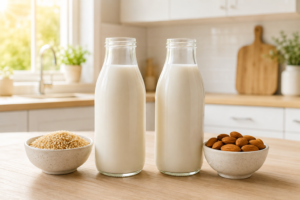
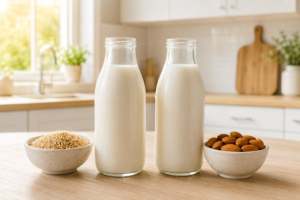
This liquid naturally displays a uniform creamy white or a very soft light ivory hue that closely mimics traditional light dairy milk.
| Milk Type | Visual Color Profile |
| Store-Bought Cashew Milk | Uniform creamy white, opaque |
| Homemade Cashew Milk | Light ivory, slightly beige or off-white |
| Silk Cashew Milk | Consistent soft white, clean appearance |
| Alpro Cashew Milk | Light cream, naturally pale tint |
Apart from flavor, the visual appearance tells us a lot about what we are consuming. In general, cashew milk color is a beautiful, uniform creamy white that looks very similar to standard dairy skim milk. However, depending on production, it can sometimes display a soft, light ivory or pale beige tint.
The color looks clean and appealing in a clear glass, which makes it inviting for young children. When checking specific brands, silk cashew milk color is engineered to look bright and consistently opaque, closely matching the familiar look of dairy. This helps picky eaters accept it more readily in their daily cups.
Similarly, alpro cashew milk color features a very natural, off-white hue that reflects its plant-based origins. Homemade versions might look slightly darker or possess a warm cream undertone if the skins of the cashews were not completely removed before blending. Recognizing these safe visual traits is helpful in everyday cooking to ensure your beverage is fresh.
Safety & Processing: Is Cashew Milk Pasteurized?

All manufactured store cartons are thoroughly heat-treated to destroy dangerous bacteria, but fresh home-prepared versions remain completely raw unless cooked on your stove.
Safety is always the number one priority for families managing a kitchen. A common question many parents ask is: is cashew milk pasteurized? The short answer is yes. Most commercially packaged cashew milk sold in the United States is pasteurized or ultra-high-temperature (UHT) processed to improve safety and extend shelf life.
According to the U.S. Food and Drug Administration (FDA), pasteurization is a heat treatment used to reduce harmful microorganisms in foods and beverages, helping improve food safety. Choosing commercially processed products is generally the safest option for young children, older adults, pregnant women, and individuals with weakened immune systems.
This heat treatment significantly reduces harmful microorganisms and helps improve product safety and shelf stability when the beverage is handled and refrigerated properly. As recommended by health officials, buying pasteurized store options is a reliable way to protect young children and individuals with sensitive immune systems.
To better understand who should consume cashew milk with caution, explore our guide on cashew milk side effects for information about allergies, sensitivities, and potential nutritional considerations.
Is Homemade Cashew Milk Pasteurized?
Traditional homemade cashew milk is not pasteurized because it is typically made raw in a home blender. Since it avoids heat treatment, raw homemade milk spoils much faster and should be consumed within three to five days.
How Commercial Cashew Milk is Processed
Most refrigerated commercial cashew milk products are heat-treated to reduce harmful microorganisms before packaging. Depending on the manufacturer, this may involve different pasteurization or ultra-high-temperature (UHT) processing methods to improve food safety and shelf life.
If you prepare homemade cashew milk, it should be treated as a perishable food. The USDA recommends keeping perishable foods refrigerated at 40°F (4°C) or below to help slow bacterial growth. Homemade cashew milk should be refrigerated promptly and consumed within a few days unless it has been heat-treated and stored properly.
Practical Kitchen Uses for Cashew Milk
Because this milk possesses a mild flavor and richer texture, it serves as a wonderful, versatile ingredient in the kitchen. Many people prefer utilizing it across a wide range of everyday recipes.
Baking: It is commonly used in baking as a direct one-to-one substitute for cow’s milk in cakes and muffins.
Breakfast: It is easy to add to recipes like oatmeal, chia pudding, or overnight oats for extra creaminess.
Savory Dishes: It works well in soups and sauces, especially in homemade vegan pasta dishes.
Beverages: It makes a popular choice for frothing in lattes or mixing into traditional hot tea.
Why Trust Fooder Ghor?
At Fooder Ghor, we provide educational resources focused on understanding the safe use, handling, and storage of different types of milk, including breast milk, cow’s milk, goat milk, and raw milk, based on publicly available guidance from trusted sources such as the CDC, FDA, USDA, and AAP. Some milk-related articles, particularly those involving maternal and infant feeding topics, are reviewed for clarity and presentation by nursing students with academic training in maternal and child health to help make information easier to understand. This content is provided for learning purposes only and does not offer medical advice.
Frequently Asked Questions
No, it has a much creamier texture and a milder, less bitter nut flavor compared to standard almond milk. You can learn more about how long these nut products stay fresh in our guide on how long does almond milk last.
In simple terms, it provides a smooth consistency and a very gentle nut flavor without altering the coffee’s natural roast profile.
This is usually because the cashews used had slight skin remnants or were roasted instead of raw before blending.
Yes, as a part of a balanced diet for children over one year, but always consult your pediatrician regarding full nutritional replacements.
No, it is formulated to be highly family-friendly, offering a very subtle, mild flavor that works well in daily recipes.
Conclusion
So, what does cashew milk taste like? In summary, it is a delightfully mild, smooth, and naturally creamy beverage with a very gentle nut flavor. Whether you appreciate the consistent qualities of Silk and Alpro or prefer a fresh homemade batch, it remains a fantastic option for everyday cooking. Always remember to check if your cashew milk is pasteurized based on your family’s health needs, keep it cold, and enjoy its wonderful versatility in your favorite kitchen dishes.
If you are curious about expanding your plant-based dairy knowledge further, read our comprehensive guide on how long does oat milk last after opening.