Skip to content
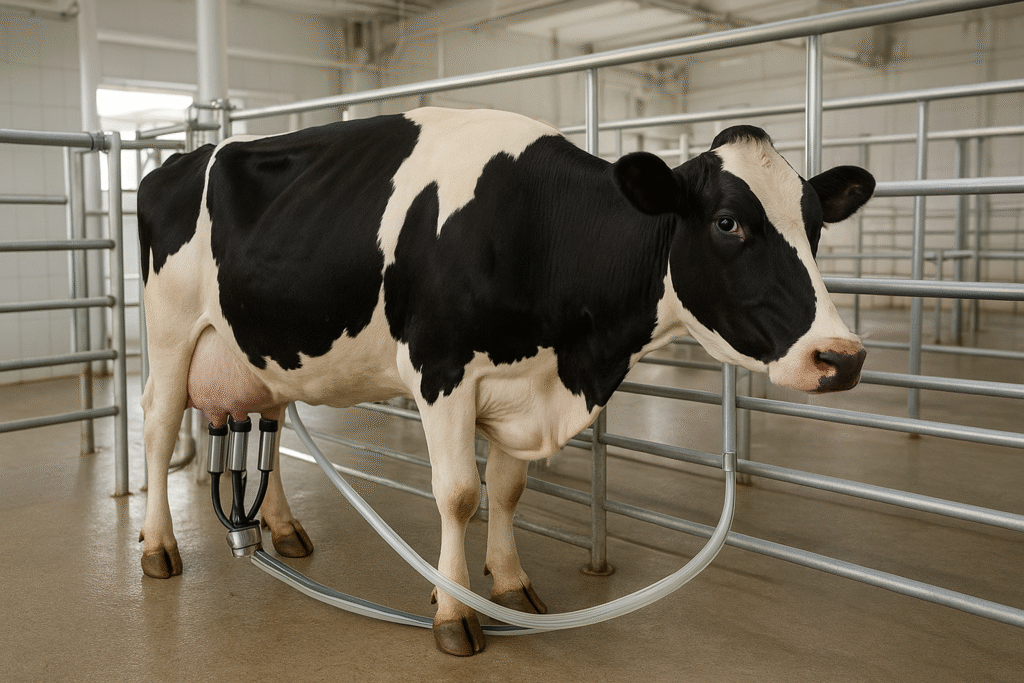
Many U.S. parents want to understand how much milk does a cow produce a day because it helps them make informed choices about the dairy products they buy for their families. Whether you are pouring a glass for your toddler or choosing cheese for dinner, knowing the real numbers behind the supply is essential. This guide explains the daily volume, the natural factors that affect milk supply, and how dairy farms maintain a healthy and ethical production process in 2026.
Quick Takeaways for Busy Parents
-
Average Daily Yield: A typical dairy cow produces 6 to 7 gallons of milk daily.
-
The Weight Factor: This equals roughly 50 to 60 pounds of milk per day.
-
Top Producers: Holstein cows can reach 8 to 10 gallons during peak periods.
-
Nutrition Matters: High quality feed and clean water are the primary drivers of milk volume.
-
Welfare Standards: Modern U.S. farms focus on cow comfort to maintain stable production.
Understanding Daily Milk Production In Simple Terms
Parents often wonder about the daily milk volume of a single cow to better understand food sustainability. Although many numbers appear online, it is important to understand the real science behind the supply. This section explains how much milk does a dairy cow produce a day and why the total amount can vary based on biological needs.
Average Milk A Cow Produces In One Day
The first major point parents want to know is how much milk does a cow produce per day on average. A typical dairy cow in the United States usually produces between six to seven gallons of milk within twenty four hours.
However, many industrial experts also measure this in weight. If you are asking how much milk does a cow produce a day in pounds, the answer is approximately 53 to 60 pounds. This is because one gallon of milk weighs about 8.6 pounds. High producing cows can sometimes exceed 80 pounds during their peak lactation months.
What Affects How Much Milk A Cow Produces?
Although the average milk cow production per day is a helpful benchmark, many U.S. parents prefer to understand why cows sometimes give more or less milk. Several biological and environmental factors play a role in this daily variation.
1. Stage In The Lactation Cycle
A cow gives the largest amount of milk within the first two months after her calf is born. This is known as the peak phase. Over the following months, her supply slowly decreases. To understand the full timing of this cycle, you can check our previous guide on do cows produce milk all the time?
2. Breed Differences
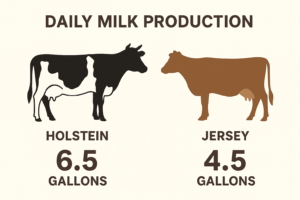
Not all cows are created equal when it comes to volume.
-
Holstein Cows: These are the most common dairy breed in the United States. When asking how much milk does a holstein cow produce per day, the answer is often the highest in the industry, averaging 9 gallons at peak.
-
Jersey Cows: While how much milk does a jersey cow produce each day might be lower (around 4 to 5 gallons), their milk is much richer in fats and proteins.
👉 While we focus on high producing female dairy breeds, many parents also wonder about the rest of the herd. To clear up common myths about gender and dairy, see our explanation on can male cows produce milk to learn about cattle anatomy.
3. Feed And Hydration
A cow is like a high performance athlete. She drinks 30 to 50 gallons of water every day. Clean water and balanced nutrition help her produce more milk. When cows get proper feed with enough energy, vitamins, and minerals, they remain comfortable and productive.
4. Weather and Modern Barn Comfort
Calm surroundings help cows produce more milk. Farmers try to reduce heat, noise, and stress. Many modern barns use fans, soft bedding, and gentle handling practices to keep cows relaxed. In the U.S., these welfare standards are strictly monitored to ensure both quality and ethics.
Comparison Table: Milk Production by Weight and Volume
Here is a quick look at the daily yield differences by breed and weight
| Cow Breed | Daily Gallons | Daily Pounds (lbs) | Milk Quality Focus |
| Holstein | 8 to 10 Gallons | 70 to 86 lbs | High Volume |
| Jersey | 4 to 6 Gallons | 35 to 52 lbs | High Butterfat |
| Average Cow | 6 to 7 Gallons | 53 to 60 lbs | Standard Market |
Comparison With Other Dairy Products
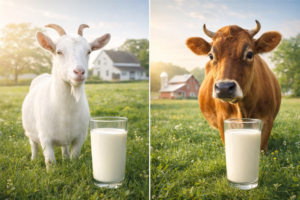
Parents sometimes compare cow milk production with plant based alternatives or goat milk. It is helpful to understand that goat milk production works differently because goats produce smaller volumes each day. If you want to learn more about goat milk nutrition, visit our guide on is goat milk good for you? which explains the differences in simple language.
How Farms Measure Daily Milk Supply?
Modern dairy farmers check production levels several times a day using digital sensors.
-
Milking Frequency: Most cows are milked two or three times based on their specific schedule.
-
Digital Tracking: Automated machines record the exact volume.
-
Better Care: This data helps farmers monitor cow health and adjust nutrition instantly.
👉 For parents who want to understand how milk changes under frozen conditions, see our helpful guide on tips for freezing evaporated milk.
Responsible Dairy Farming And Ethics
U.S. parents frequently ask if cows are treated well on modern dairy farms. Healthy cows are the foundation of safe and high quality milk. This is why farms focus strongly on comfort. Clean barns, soft bedding, and regulated milking schedules keep cows calm and help them maintain natural rhythms.
👉 Parents can learn more about animal welfare from the United States Department of Agriculture (USDA). This resource explains national standards for dairy cattle care and how it impacts the how many gallons of milk does a cow produce safely each year.
The Science Behind High Producing Cows
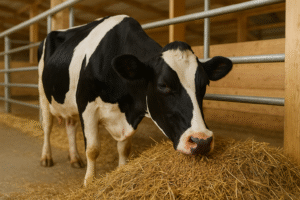
Some cows naturally produce more milk due to genetics. Farmers track these patterns and plan breeding responsibly. Even so, every cow has her own natural limit. Ethical farms never push cows beyond what is safe for their bodies.
🔬 Expert Resource: Parents who enjoy the science behind dairy farming can explore the University of Wisconsin Extension for the latest research-based data on cow health.
👉 Deep Dive for Parents: High milk production is deeply tied to a cow’s biology and hormonal changes following birth. To understand the specific science of how calving triggers this process, see our complete guide on do cows need to be pregnant to produce milk?
Common Frequently Asked Questions
A: On average, a healthy U.S. dairy cow produces about 6.5 gallons per day, though this fluctuates throughout her lactation cycle.
A: During peak production, a Holstein can produce up to 10 gallons daily, which is significantly higher than other breeds.
A: A Jersey cow typically produces4 to 6 gallons a day. While the volume is lower, the milk is prized for its high cream content.
A: Most dairy cows produce between 50 and 70 pounds of milk daily.
A: Ayrshire cows are efficient producers, usually giving about 5 to 6 gallons of high quality milk daily.
A: Guernsey cows produce about 5 gallons per day. Their milk is famous for its golden color and high Beta Carotene content.
A: Friesian cows (similar to Holsteins) are high yielders, often producing 7 to 9 gallons a day depending on their diet.
A: Dexter cows are a smaller “miniature” breed, typically producing only 1.5 to 3 gallons per day, making them ideal for small family farms.
A: Sahiwal cows, common in warmer climates, produce around 3 to 4 gallons daily. They are known for their heat tolerance.
A: Beef cows (like Herefords) produce very little milk, usually only 1 to 2 gallons, which is just enough to nourish their calves.
A: Depending on the breed (like the Italian Holstein), they produce 6 to 8 gallons daily, similar to standard U.S. dairy breeds.
A: Yes. Good feed and clean water help cows give higher daily volumes.
A: Supply decreases naturally as the lactation cycle continues. This pattern is normal.
A: No. Breed, age, health, and stress levels all influence production.
Why Trust Fooder Ghor?
At FooderGhor, we understand the unique pressures of U.S. parenting in 2026. Our guides follow the latest CDC, USDA, and FDA clinical and safety protocols. Every article is reviewed for medical accuracy and semantic relevance, giving parents science-backed reassurance. We aim to ensure families feed their children safely and confidently with evidence-based information.
Conclusion
Parents often feel curious about how much milk does a cow produce a day when looking at the abundance in grocery stores. When we break the topic into simple steps, the numbers become easy to understand. A healthy dairy cow in the United States gives six to seven gallons each day, depending on her cycle, breed, and care. With modern farming practices, routine veterinary support, and responsible nutrition, families can feel confident about the dairy products they bring home.