Skip to content

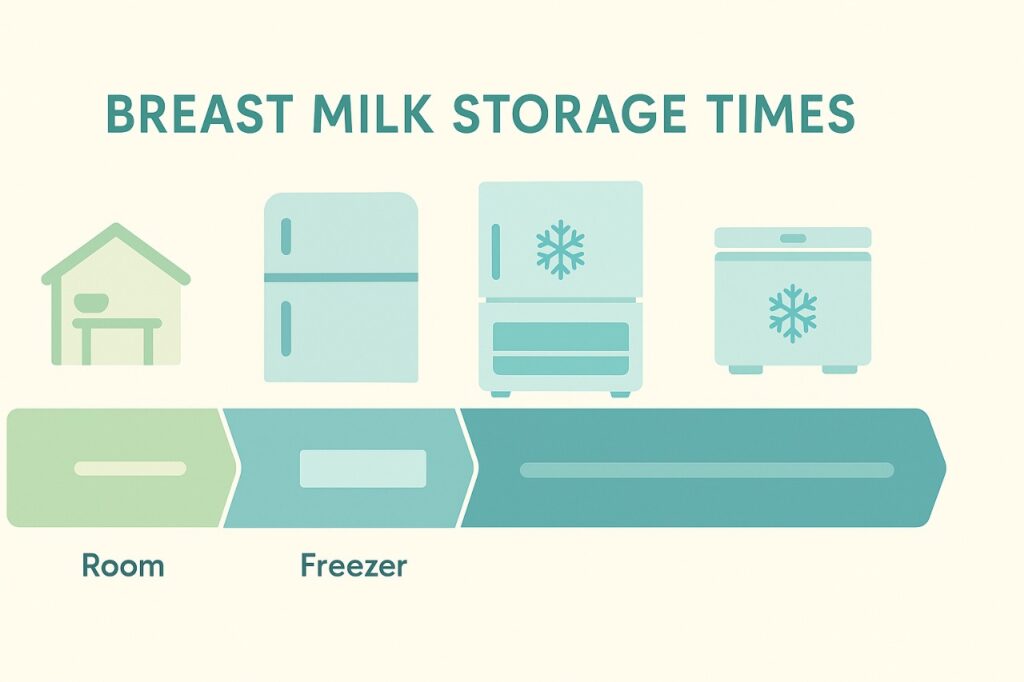
For many U.S. mothers who express or pump breast milk, one pressing question often arises: “How long is it safe to use milk after I’ve warmed it?” While storage guidelines for refrigeration and freezing are widely known, the period following warming requires special attention. Warming alters the milk’s ecosystem, increasing bacterial risk and slightly changing its structure. Understanding these timelines ensures that your baby receives safe, nutrient-rich milk while minimizing waste.
This guide provides comprehensive, evidence-based advice on how long warmed breast milk lasts, practical tips for safe warming, and answers to common questions U.S. moms face every day.
What You Will Learn in This Guide
- The official CDC time limits for breast milk after warming.
- The difference between freshly warmed milk, leftovers, and reheated milk.
- When warmed milk can be safely refrigerated and reused.
- Whether reheating breast milk is safe and how long reheated milk lasts.
- The safest warming and reheating methods to preserve nutrients and avoid bacterial growth.
Why Breast Milk Storage Matters
Proper handling and timely storage are critical for your baby’s health. Rapid cooling after pumping slows bacterial growth, and warming should be done just before feeding to maintain safety. Using a warm water bath is preferable to microwaving, which can destroy important nutrients. Labeling each bottle with the date, time, and portion size helps track freshness, while small portions reduce waste and prevent leaving leftover milk for too long.
According to the CDC breast milk storage guidelines, safe storage and preparation practices help maintain milk quality and reduce contamination risk.
👉 For a complete step-by-step process, see our Breast Milk Storage Guidelines (The Ultimate U.S. Mom’s Guide).
Safe Time Limits for Warmed Milk
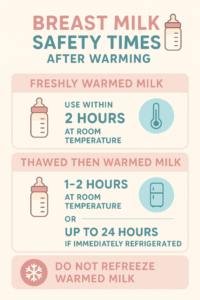
Once breast milk is warmed, its safety window shortens significantly compared to chilled storage. Freshly expressed milk that has been warmed must be used within 2 hours at room temperature, as per the official Centers for Disease Control and Prevention (CDC) guidelines. While previously frozen milk that is thawed and then warmed is generally safe for 1–2 hours, the focus here is strictly on the warming phase.
For a full breakdown of storage times in the fridge or freezer before warming occurs, you can see our complete breast milk storage guide, which covers all temperature ranges. Remember, milk should never be refrozen once it has been warmed, as this compromises its biological integrity.
Long-Term Warming Safety
Some parents wonder if milk can be kept warm for extended periods. Keeping breast milk in a bottle warmer for 24 hours is unsafe. Extended warmth accelerates bacterial growth and risks nutrient degradation. Always adhere to the 2-hour rule at room temperature, and never leave milk in a warmer overnight or unattended.
The Crucial Difference: Thawed vs. Warmed Milk
It’s vital to distinguish between milk that is simply thawed (liquid but cold) and milk that has been warmed for a feed. Thawed milk kept in the fridge is stable for a longer window, but once you apply heat to that milk, the 2-hour safety clock starts immediately. If your milk is still cold and hasn’t been warmed yet, it follows a different safety protocol. We have detailed those specific thawed breast milk safety limits in our master guide to ensure you don’t discard perfectly good milk too early.
👉 Check our guide on How Long Can Breast Milk Stay at Room Temperature to see how thawing affects safety limits on the counter.
Can You Reheat Breast Milk After Warming?
No, breast milk should not be reheated more than once after warming.
Once breast milk has been warmed for feeding, reheating it again is generally discouraged by safety experts. Every temperature change increases the risk of bacterial growth and may gradually reduce some of the milk’s beneficial antibodies, enzymes, and nutrients.
If milk was warmed once but never touched your baby’s mouth and was immediately refrigerated, some parents wonder whether it can be reheated later. While this may occasionally happen in real-life situations, best practice is still to avoid multiple warming cycles whenever possible.
For maximum safety, U.S. parents should follow a simple rule:
Warm once, feed once. This reduces contamination risk while helping preserve the nutritional quality of expressed milk.
According to the CDC breast milk handling recommendations, expressed milk should be stored, warmed, and used within recommended time limits to reduce contamination risks.
Why Reheating Breast Milk Twice Is Not Recommended
Reheating twice increases bacteria risk and lowers milk quality.
Breast milk is naturally rich in immune-supporting compounds, healthy fats, and enzymes. However, once milk is warmed to feeding temperature, it enters a more bacteria-friendly environment.
Repeated reheating can create several problems:
- Faster bacterial multiplication due to repeated warming and cooling
- Decline in antibodies and immune-supporting properties
- Reduced enzyme activity and slight nutrient degradation
Because of these cumulative effects, reheating breast milk a second time is considered less safe than using freshly warmed milk.
The American Academy of Pediatrics infant feeding guidance also emphasizes safe breast milk handling and minimizing unnecessary temperature changes during feeding preparation.
How Long Does Reheated Breast Milk Last?
Reheated breast milk should be used immediately, ideally within 30 minutes.
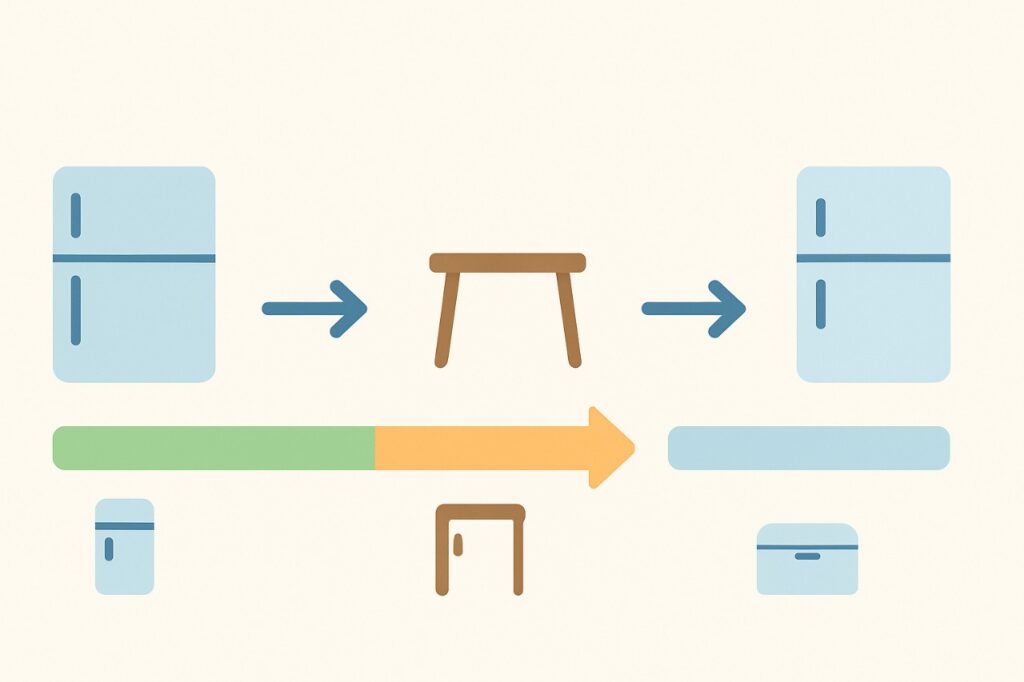
If breast milk has already been warmed once, refrigerated, and then reheated again, it does not follow the normal 2-hour rule used for freshly warmed milk.
Instead:
- Use reheated milk immediately after second warming
- Ideally finish feeding within 30 minutes
- Do not leave reheated milk sitting at room temperature
- Discard leftovers right after feeding
Multiple temperature changes create a much shorter safety window than standard warmed milk.
The Centers for Disease Control and Prevention (CDC) generally recommends using freshly prepared milk within set safety windows and not rewarming milk multiple times.
Can You Put Reheated Breast Milk Back in the Fridge?
No, reheated breast milk should not be refrigerated again.
Once milk has gone through a second warming cycle, refrigerating it again is not recommended.
Why?
Because repeated transitions between cold and warm temperatures can increase microbial activity, making later use less predictable and potentially unsafe.
After reheating:
- Feed immediately
- Discard any unfinished milk
- Do not chill again for future use
For more guidance about storing previously handled milk, read our guide on can you put breast milk back in the refrigerator.
Safe Reheating Methods (If Absolutely Necessary)
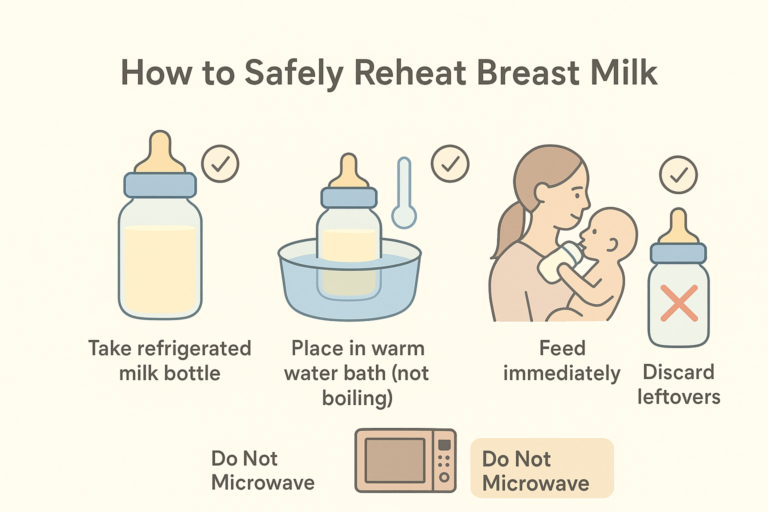
Use warm water or a gentle bottle warmer only.
If you must warm previously refrigerated milk, use gentle heating methods only.
Safe options include:
- Warm water bath
- Low-temperature bottle warmer
- Swirling gently to distribute heat evenly
Avoid:
- Microwave heating
- Boiling water
- Direct stovetop heat
Microwaving can create dangerous hot spots and reduce some protective nutrients.
For guidance on storing and organizing expressed milk before reheating, check our full article: How Many Breast Milk Bags Do I Need?
Practical Tips for Warming & Serving Safely
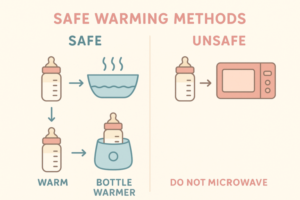
- Warm milk just before feeding using a warm water bath.
- Never microwave milk.
- Label each bottle with the exact warming time.
- Serve small portions to reduce leftover waste.
- Discard unfinished milk within 2 hours after feeding starts.
- Do not mix freshly pumped milk with previously warmed or older milk.
👉 For guidance on portioning and long-term storage, check out our article: How Many Breast Milk Bags Do I Need?
Signs That Warmed Milk Might Be Spoiled
Watch for the following indicators:
- Sour or unpleasant odor
- Clumpy or curdled texture
- Visible fat separation that does not remix with gentle swirling
If any of these signs appear, discard the milk immediately.
Common Mistakes & How to Avoid Them
-
Microwaving milk: This destroys antibodies and creates “hot spots,” a risk highlighted by the U.S. National Institutes of Health (NIH).
-
Extended Warming: Leaving milk in a warmer too long accelerates bacterial growth.
-
Refreezing after Warming: Never refreeze milk once it has been heated. If you are looking for the best way to store milk in the freezer initially, learn how to freeze breast milk flat to optimize your space and ensure faster, safer thawing later.
-
Time Tracking: Not labeling the exact time warming began can lead to accidental, unsafe feeding.
👉 To compare all storage durations across fridge, freezer, and counter at once, you can also read our summary How Long Does Breast Milk Last.
Why Trust Fooder Ghor?
At Fooder Ghor, we provide educational resources focused on understanding the safe use, handling, and storage of different types of milk, including breast milk, cow’s milk, goat milk, and raw milk, based on publicly available guidance from trusted sources such as the CDC, FDA, USDA, and AAP. Some milk-related articles, particularly those involving maternal and infant feeding topics, are reviewed for clarity and presentation by nursing students with academic training in maternal and child health to help make information easier to understand. This content is provided for learning purposes only and does not offer medical advice.
Most Common Questions About Warmed Breast Milk
A: Handling previously warmed milk depends on timing, exposure, and whether feeding has already started. Parents should follow conservative safety practices after warming.
A: Avoid this, as temperature differences reduce storage safety.
A: Overheating, especially in a microwave, reduces antibody and enzyme activity. Moderate warming preserves nutrition.
A: Warming is optional. Many babies feed safely with milk at room temperature. Warmed milk is preferred mainly for infant comfort.
A: CDC agree that once breast milk is warmed, it should be used within 2 hours at room temperature. If you have milk that is thawed but not yet warmed, it follows a different 24-hour rule. For a deeper look at different storage scenarios beyond warming, check out our comprehensive milk storage duration guide.
A: Reheated breast milk should be used immediately, ideally within 30 minutes, and should not be left sitting out.
A: No. Once breast milk has been reheated after prior warming, it should not be refrigerated again.
For exact refrigerator safety timing, see our guide on how long does breast milk last in refrigerator.
Conclusion
Once breast milk is warmed, its storage flexibility becomes much more limited. Parents should prioritize immediate feeding, careful timing, and minimal temperature changes whenever possible. Thawed but not warmed milk is safe for 24 hours in the fridge. By tracking warming times, labeling bottles accurately, serving small portions, and following safe handling practices, U.S. parents can ensure that every feeding is both nutritious and safe.
👉 For guidance on storage solutions and container choices, see: The Best Milk Storage Containers.
Explore More Breast Milk Safety & Storage Guides
If you’re building a complete breast milk safety routine, these expert-backed guides will help you dive deeper into related topics:
-
Complete breast milk storage duration guide for fridge, freezer, and room temperature.
-
How to freeze breast milk flat to save freezer space and improve thawing speed.
-
Best milk storage containers: Choosing between glass, plastic, and bags.
Safe time limits for breast milk in a deep freezer and how it differs from a regular fridge.