 Skip to content


Fresh milk from cows, goats, or buffalo often creates curiosity among health-conscious consumers. Many people search raw milk benefits to understand its nutritional and dietary value.
Raw milk is milk that has not been pasteurized or homogenized. Because it avoids heat processing, it retains its natural fats, proteins, enzymes, and original structure.
This is why users often search is raw milk healthy, is raw milk good for you, and raw milk health benefits before consumption decisions.
Quick Raw Milk Benefits Summary
- Contains natural fat, protein, vitamins, and minerals
- Supports energy intake from whole milk structure
- Commonly used in traditional dairy practices
- Nutrient profile varies by animal diet and breed
- Perception of health varies by individual diet
- Closely related to general health benefits of milk in diet
What Are Raw Milk Benefits?
Raw milk benefits come from its natural, unprocessed state.
It naturally contains:
- Protein
- Fat
- Calcium
- Lactose
- Vitamins A, B12, D
- Minerals
Many users search benefits of raw milk and benefits of drinking raw milk for nutritional understanding.
According to the U.S. Food and Drug Administration (FDA), milk is a nutrient-rich emulsion that naturally contains fats, proteins, vitamins, and minerals depending on production conditions.
Raw milk is only one form of dairy nutrition. If you want to compare its overall nutritional value with regular dairy options, read our full guide on is cow milk healthy to understand milk’s health benefits, nutrients, and everyday dietary role.
Nutritional Benefits of Raw Milk
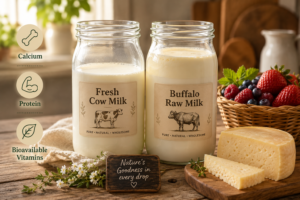
Raw milk may offer nutritional benefits because it naturally contains essential nutrients found in dairy, including protein, healthy fats, calcium, and several vitamins and minerals. These nutrients support normal body functions as part of a balanced diet, although the overall health value of raw milk should always be considered alongside food safety.
Rather than focusing on individual nutrient amounts, many people choose raw milk because it provides the natural nutritional profile of milk with minimal processing.
If you want a complete breakdown of calories, protein, fat, vitamins, minerals, and nutrition facts, read our detailed guide on Raw Milk Nutrition Facts.
Benefits of Raw Milk During Pregnancy
The topic of benefits of raw milk during pregnancy is widely discussed in traditional health circles. While some women seek it for its high calcium and natural folate content to support fetal development, it is crucial to consult a healthcare provider first. The perceived health benefits of raw milk during this stage focus on dense nourishment, but safety and source quality remain the highest priority for expectant mothers.
The U.S. Food and Drug Administration provides pregnancy-related food safety guidance and explains important dairy handling considerations for consumers.
If you’re comparing the nutritional value of different types of milk during pregnancy, our Goat Milk Nutrition Facts guide explains the vitamins, minerals, and protein found in goat milk.
Raw Milk Benefits for Adults
Raw milk may provide adults with naturally occurring proteins, fats, vitamins, minerals, and enzymes found in unpasteurized milk. Some people also prefer its richer taste and traditional production methods. However, these potential benefits should always be considered alongside the increased food safety risks associated with consuming unpasteurized dairy.
Many adults choose raw milk for reasons such as:
- Its natural cream layer and full-fat texture
- Naturally occurring proteins, enzymes, and minerals
- Traditional or farm-fresh dairy preferences
- Making homemade cheese, yogurt, kefir, and butter
- A richer, creamier taste than many pasteurized milk products
Although raw milk naturally contains these components, major public health organizations such as the FDA and CDC state that pasteurization is the safest way to reduce harmful bacteria in milk. Adults considering raw milk should purchase it only from trusted sources and handle it carefully.
Raw Milk Benefits for Kids
Raw milk naturally contains many of the same nutrients found in milk, including protein, calcium, phosphorus, and vitamins that support normal growth and development. However, health authorities do not recommend raw milk for infants or young children because unpasteurized milk may contain harmful bacteria that can cause serious foodborne illness.
Milk, in general, can contribute to a child’s diet by providing:
- Protein for normal growth
- Calcium and phosphorus for healthy bones and teeth
- Vitamin B12 and riboflavin for normal body functions
- Energy from natural milk fat and lactose
Despite these nutrients, the CDC, FDA, and AAP advise against giving raw milk to children due to the higher risk of bacterial contamination. Pasteurized milk is generally considered the safer choice for most children.
Families considering other animal milk options may also want to learn about the nutritional profile and potential advantages of goat milk in our Goat Milk Benefits guide.
Is Raw Milk Healthy?
Raw milk can be part of a healthy diet because it naturally contains protein, healthy fats, vitamins, minerals, and enzymes found in unpasteurized milk. However, whether raw milk is healthy for you depends on your overall diet, individual health needs, and personal risk tolerance, since it has not been pasteurized.
Many people consider raw milk a healthy choice because it is less processed and retains its natural cream, proteins, enzymes, and original structure. Supporters also believe that avoiding heat treatment helps preserve naturally occurring milk components.
When evaluating is raw milk healthy for you, the discussion often focuses on nutrient bioavailability. Some proponents suggest that naturally occurring enzymes, such as phosphatase and lipase, remain intact because the milk has not been heat-treated. However, public health authorities emphasize that pasteurization is recommended to reduce the risk of harmful bacteria.
👉 If you’re considering raw milk as part of your diet, it’s important to weigh both its natural composition and its food safety considerations.
If you want to understand the possible health risks alongside the potential benefits, read our guide on Is Raw Milk Bad for You? Side Effects, Risks & Safety Guide.
The U.S. Food and Drug Administration also explains how raw milk differs from pasteurized milk and why processing changes milk safety and handling standards under regulated dairy guidance.
Drinking Raw Milk Benefits for Weight
Raw milk is not a weight-loss food, but it can be part of a balanced diet because it naturally provides protein and fat that may help increase fullness after meals. Whether it supports healthy weight management depends on your overall calorie intake, activity level, and eating habits rather than raw milk alone.
The naturally occurring protein and fat in raw milk may help some people feel satisfied for longer, which can reduce unnecessary snacking throughout the day. However, raw milk also contains calories, so drinking large amounts will not automatically support weight loss.
If your goal is weight management, portion size and total daily nutrition remain more important than choosing raw milk over other types of milk.
According to the U.S. Department of Agriculture (USDA) FoodData Central, milk naturally contains protein, fat, carbohydrates, vitamins, and minerals that contribute to its nutritional profile.
Is Raw Milk Healthier Than Regular Milk?
Raw milk and regular pasteurized milk provide many of the same essential nutrients, including protein, calcium, vitamins, and minerals. The main difference is that raw milk is unpasteurized, while regular milk is pasteurized to improve food safety.
Both types of milk naturally provide:
- Protein
- Healthy fats
- Calcium
- Phosphorus
- Vitamins
- Natural milk sugars (lactose)
The primary difference lies in processing rather than basic nutrition. Supporters of raw milk prefer it because it retains its natural enzymes, cream layer, and original structure, while pasteurized milk undergoes heat treatment to improve safety and shelf life.
Whether raw milk is “healthier” depends on the factors most important to you, such as nutritional preferences, food safety, and personal dietary needs. According to FDA dairy guidance, pasteurization ensures milk safety and consistency in commercial supply.
If you want to compare the nutritional value of conventional dairy, read our complete guide on Is Cow Milk Healthy?
Benefits of Raw Milk Study
Some observational studies have reported an association between raw milk consumption and lower rates of allergies or asthma in certain farming populations. However, these studies do not prove that raw milk itself provides these health benefits, and more research is needed.
One of the most frequently discussed areas of research is the “Farm Effect.” Several observational studies have found that children raised on farms who consumed raw milk appeared to have lower rates of asthma and allergic conditions than children living in non-farming environments. Researchers believe many environmental and lifestyle factors may contribute to these findings, making it difficult to attribute the results solely to raw milk.
For this reason, scientists continue to study the relationship between raw milk and health, while public health agencies continue to recommend pasteurized milk because of the known food safety risks associated with unpasteurized dairy.
Why Do People Think Raw Milk Is Healthy?
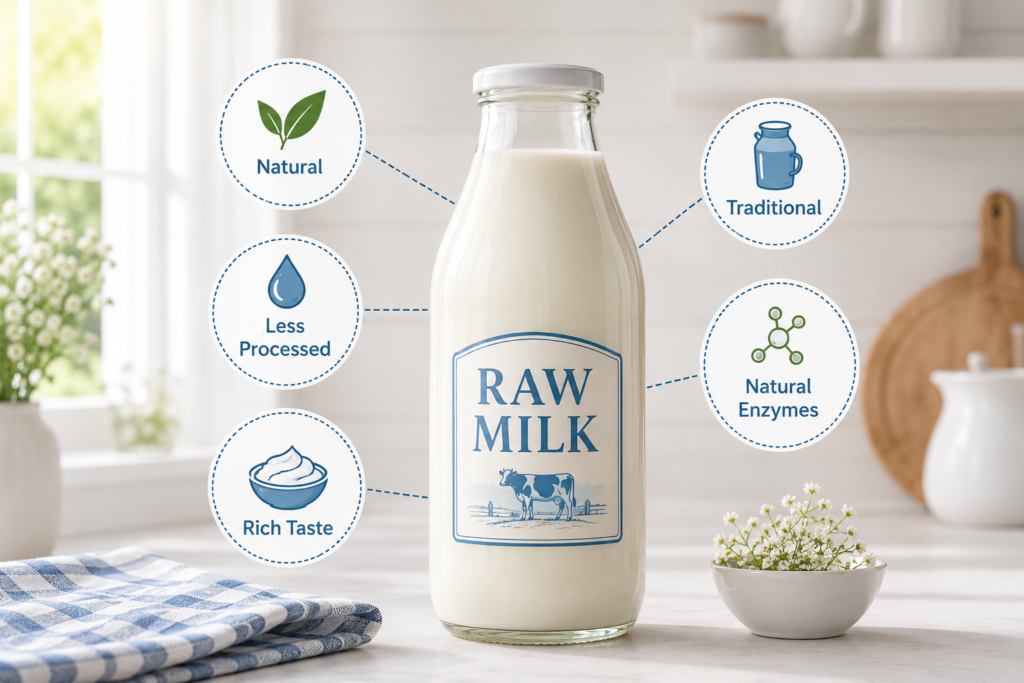
Many people think raw milk is healthy because it is less processed and naturally contains its original enzymes, bacteria, proteins, and fats. Supporters also believe that avoiding pasteurization helps preserve milk in its more natural state, although health authorities note that these perceived benefits should be weighed against the increased risk of harmful bacteria.
Common reasons people believe raw milk is healthy include:
- It is minimally processed.
- It retains its natural enzymes and milk components.
- It has a richer, fresher taste.
- It has a long history of traditional farm use.
- Some people believe it is easier to digest.
These are common consumer beliefs rather than universally accepted scientific conclusions. While some observational studies have explored possible associations between raw milk and certain health outcomes, major public health agencies continue to recommend pasteurized milk because of the risk of foodborne illness.
According to the U.S. Food and Drug Administration (FDA), raw milk has not been pasteurized and may contain harmful bacteria that can cause foodborne illness. The FDA also explains how pasteurization improves milk safety while maintaining its essential nutritional value.
Raw Milk Health Benefits (General View)
Raw milk health benefits are usually described as:
- Natural nutrient structure
- Whole-food dairy profile
- Traditional dietary use
According to FDA milk composition guidance, milk naturally contains water, fats, proteins, vitamins, and minerals in varying proportions.
Raw Grass Fed Milk & Buffalo Raw Milk Benefits
The benefits of raw grass fed milk often include a superior fatty acid profile. Studies suggest that cows grazing on fresh pasture produce milk with higher levels of Omega-3 fatty acids and Conjugated Linoleic Acid (CLA) compared to grain-fed animals. This makes grass-fed options a top choice for those looking for the maximum nutritional benefits of raw milk.
Grass-fed raw milk benefits:
- Richer taste
- Diet-based variation
- Natural farming influence
Buffalo raw milk benefits:
- Higher fat content
- Creamier texture
- Stronger flavor
Specifically, buffalo raw milk benefits include a much lower cholesterol level but significantly higher calorie and mineral content (like magnesium and potassium) than cow milk. Its thick consistency makes it ideal for traditional energy-dense foods.
👉 These differences come from animal breed and feeding patterns.
Because fat content and milk composition can affect long-term storage quality, many families also choose to preserve raw milk for later use. Read our guide on can you freeze the raw milk to learn proper freezing and thawing methods.
Is Raw Milk Good for You?
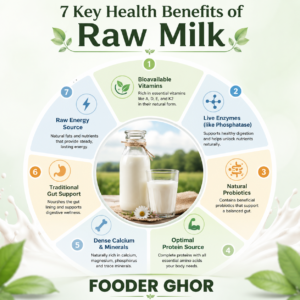
Yes, raw milk can be good for you because it naturally contains protein, healthy fats, calcium, vitamins, and other naturally occurring milk components. However, whether it is a good choice depends on its quality, safe handling, and individual health needs, as unpasteurized milk may also carry harmful bacteria.
Many people choose raw milk because it is minimally processed and retains its original cream, proteins, fats, and naturally occurring enzymes.
Potential reasons some people consider raw milk a good choice include:
- Naturally occurring protein and healthy fats
- Calcium and other essential minerals
- Vitamins found naturally in milk
- Minimal processing compared with pasteurized milk
Because raw milk is minimally processed, proper storage plays a major role in maintaining its freshness and quality. Read our guide on How Long Does Raw Milk Last to understand refrigeration, freezing, and shelf life recommendations.
According to the U.S. Food and Drug Administration (FDA), raw milk contains many of the same nutrients as pasteurized milk, but because it has not been pasteurized, it may also contain harmful bacteria that can cause foodborne illness.
Why Trust Fooder Ghor?
At Fooder Ghor, we provide educational resources focused on understanding the safe use, handling, and storage of different types of milk, including breast milk, cow’s milk, goat milk, and raw milk, based on publicly available guidance from trusted sources such as the CDC, FDA, USDA, and AAP. Some milk-related articles, particularly those involving maternal and infant feeding topics, are reviewed for clarity and presentation by nursing students with academic training in maternal and child health to help make information easier to understand. This content is provided for learning purposes only and does not offer medical advice.
Frequently Asked Questions
A: Raw milk benefits come from its natural nutrients like protein, fat, calcium, and vitamins.
A: It depends on diet, source quality, and digestion tolerance.
A: Both have similar nutrients; difference is processing.
A: Due to natural and traditional food perception.
A: It depends on overall dietary habits and milk source.
A: Protein, calcium, vitamins, and natural fats.
Conclusion
Understanding raw milk benefits helps consumers evaluate its nutritional value, dietary role, and traditional use. Raw milk is unprocessed dairy milk containing natural fats, proteins, vitamins, and minerals. Many users search is raw milk good for you or is raw milk healthy, but the answer depends on diet balance and source quality.
Raw milk can be a source of naturally occurring protein, fat, calcium, vitamins, and other nutrients, which is why many people explore its potential health benefits. Whether raw milk is a good choice depends on your nutritional goals, the quality of the milk, proper handling, and food safety considerations. Understanding both the potential benefits and the current scientific evidence can help you make a more informed decision before including raw milk in your diet.
To better understand the differences in nutrition, safety, and processing, compare raw milk with pasteurized milk in our Pasteurized vs. Unpasteurized Milk guide before deciding which option best fits your needs.











