Skip to content

Choosing the perfect plant based dairy alternative can be a wonderful yet challenging journey for new parents and health conscious individuals. With so many options available in American grocery stores, finding the milk that best fits your lifestyle requires looking closely at taste, nutrients, and daily usage. Two of the most popular creamy contenders in the market today are cashew milk and coconut milk.
In this comprehensive comparison guide, we will look at cashew milk vs coconut milk to analyze their nutritional differences, flavor profiles, and specific health impacts, helping you select the ideal option for your household.
Short Summary
Texture and Taste: Coconut milk has a distinctly tropical, sweet, and prominent coconut flavor with a very rich texture, while cashew milk offers a mild, buttery, and more neutral profile.
Nutritional Profile: Carton coconut milk is typically higher in saturated fats and medium chain triglycerides, whereas unsweetened cashew milk is exceptionally low in calories and fat.
Best for Beverages: Coconut milk adds a dense richness to tropical smoothies and iced coffees, while cashew milk blends seamlessly into hot tea and coffee without overpowering the flavor.
Health Considerations: Cashew milk is highly practical for low calorie diets, while coconut milk provides a great nut free option for households managing tree nut allergies.
Cashew Milk vs Coconut Milk Nutrition

When comparing cashew milk vs coconut milk nutrition, the most notable difference lies in their healthy fat structures and overall caloric density. Unsweetened carton coconut milk contains unique medium chain fatty acids that the body utilizes quickly for energy, but it carries more saturated fat per serving. On the other hand, plain unsweetened cashew milk is incredibly low in both calories and carbohydrates, making it a favorite for minimal ingredient meal prepping.
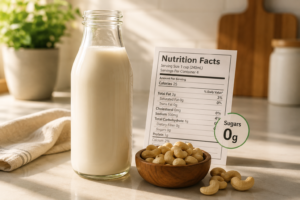
The FDA recommends using the Nutrition Facts label to compare calories, saturated fat, carbohydrates, and Daily Values when choosing packaged foods and beverages, including plant-based milk alternatives. To see how these macronutrients compare to traditional dairy or other seed options, you can check our comprehensive post on soy milk nutrition to balance your kitchen choices.
The Breakdown: Calories, Protein, and Calcium
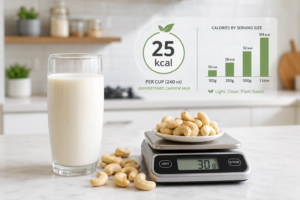
In terms of cashew milk vs oat milk calories, unsweetened cashew milk typically delivers about 25 to 30 calories per cup, while a standard cup of unsweetened carton coconut milk ranges from 45 to 60 calories. Looking closely at cashew milk vs coconut milk protein, both milks are naturally low in protein compared to soy or dairy, usually delivering around 0 to 1 gram per serving depending on the manufacturing brand. To see the full macronutrient background of the nut base, you can read our separate post on cashew milk nutrition for a complete breakdown.
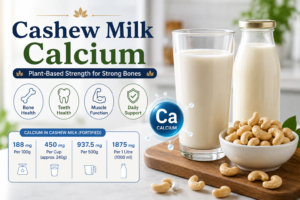
According to the USDA FoodData Central database, the nutrient content of plant-based milk alternatives varies by product, so consumers should compare Nutrition Facts labels for calcium and other nutrients. When evaluating cashew milk vs coconut milk calcium levels, most reputable brands fortify both options to provide roughly 30% to 45% of your daily calcium requirement per cup, making them equally reliable for maintaining strong teeth and bones.
| Nutritional Element (Per Cup Unsweetened Carton) | Unsweetened Cashew Milk | Unsweetened Coconut Milk |
| Calories | 25 – 30 kcal | 45 – 60 kcal |
| Total Fat | 2.0 grams | 4.0 – 4.5 grams |
| Saturated Fat | 0.0 grams | 3.5 – 4.0 grams |
| Carbohydrates | 1 – 2 grams | 1 – 2 grams |
| Protein | 1 gram | 0 – 1 gram |
| Calcium (Fortified) | ~450 mg (35% DV) | ~450 mg (35% DV) |
Cashew Milk vs Coconut Milk Taste and Culinary Uses

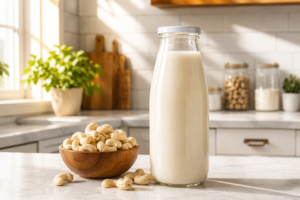
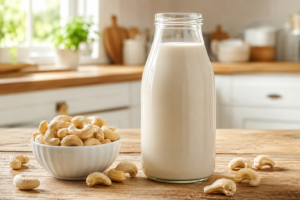
The choice between cashew milk vs coconut milk taste often comes down to personal preference and how you like to prepare your meals. Coconut milk carries a very distinct, sweet, and tropical aroma that instantly transfers into any dish or drink you pair it with in your kitchen. Cashew milk offers an incredibly mild, rich, and naturally buttery flavor profile that easily adapts to whatever ingredients it is paired with without changing the fundamental taste of the recipe.
Because canned coconut milk contains considerably more fat than refrigerated beverage-style coconut milk, it creates a richer texture in curries and sauces, while carton coconut milk is lighter and better suited for everyday drinking.
Here is how their unique flavor profiles change your everyday food preparation:
For Coffee and Tea: Cashew milk provides a luxurious mouthfeel without altering the aroma of your morning drinks, whereas coconut milk adds a strong tropical twist.
For Baking and Desserts: Coconut milk is widely used in sweet treats where its natural sweetness shines, while cashew milk acts as a neutral, rich liquid base.
For Curries and Soups: High fat canned coconut milk is perfect for rich Asian curries, while smooth cashew milk serves as an excellent low fat cream alternative for everyday continental soups.
If you love creating clean milk bases from scratch for your drinks, you can learn how to make cashew milk with our step by step kitchen guide.
Dietary and Health Considerations
Selecting the right plant milk involves matching its properties with the specific wellness needs of your family members, ranging from blood sugar management to digestive health.
Weight Loss, Diabetics, and Metabolic Health
When looking at cashew milk vs coconut milk for weight loss, unsweetened cashew milk holds a slight advantage due to its lower fat and calorie footprint. However, both options perform exceptionally well when analyzing cashew milk vs coconut milk for diabetics because their unsweetened versions contain virtually zero natural sugars.
Unsweetened cashew milk and coconut milk are generally low in carbohydrates and contain little or no added sugar when choosing unsweetened varieties. Because nutrition varies by brand, the FDA recommends checking the Nutrition Facts label to compare calories, carbohydrates, and added sugars. Therefore, individuals monitoring insulin levels or adhering to a strict ketogenic lifestyle find both cashew and coconut milk highly practical to include in their daily diets.
To manage your daily energy intake more accurately, you can review our specific analysis on cashew milk calories to see the exact numbers.
Digestive Comfort: IBS and Kidney Health
For individuals managing gut sensitivities, comparing cashew milk vs coconut milk for ibs is very important. Unsweetened coconut milk is generally considered low FODMAP in small servings, but its high fat content can sometimes stimulate quick digestion in sensitive stomachs. Unsweetened cashew milk is highly digestible, though individuals with severe gut issues should check for added thickeners like gellan gum.
Additionally, when looking at cashew milk vs coconut milk for kidneys, coconut milk is often preferred by those tracking specific mineral overloads. Raw cashews naturally contain higher levels of oxalates and potassium, which individuals with chronic kidney concerns may need to limit to avoid straining renal systems.
If you’re exploring different dairy-free options for digestive and overall health, learn more about the oat milk benefits and how it compares with other plant-based milks.
Family Care: Baby, Pregnancy, and Skin Health
Maternal nutrition and early childhood development require looking at plant based alternatives through a very careful and safety oriented lens.
Baby and Pregnancy Nutrition
When considering cashew milk vs coconut milk for baby & pregnancy needs, it is important to remember that neither cashew milk nor coconut milk should be used as a replacement for breast milk or infant formula during infancy. During pregnancy, fortified varieties can contribute nutrients such as calcium and vitamin D as part of a balanced diet, but they should not be relied upon as the sole source of these nutrients.
The Centers for Disease Control and Prevention (CDC) recommends breast milk or infant formula for infants younger than 12 months. After 12 months, fortified plant-based milk alternatives may be included in a child’s diet when they help meet nutritional needs, but parents should compare nutrients such as protein, calcium, and vitamin D because these beverages vary by product. Families should also consider any diagnosed food allergies or dietary requirements when selecting a plant-based milk for children.
If you are comparing animal alternatives for early nutrition, you can read our comparison on goat milk nutrition for more clarity.
Skin and Face Benefits

The nutrients found in these plant-based milks may also contribute to overall wellness when comparing cashew milk vs coconut milk skin & face benefits. Coconuts naturally contain lauric acid, while cashews naturally provide copper, a mineral involved in normal connective tissue formation. However, the nutrient content of commercial coconut milk and cashew milk varies depending on the product formulation and whether they are fortified.
According to the USDA FoodData Central database, the nutrient content of plant-based milk alternatives can vary by product, while the FDA Nutrition Facts label helps consumers compare nutrients and ingredients when selecting packaged beverages
If you’re interested in the skincare benefits of different plant-based beverages, explore our guide on soy milk benefits for skin to learn how it may support healthy-looking skin.
Choosing Cashew Milk vs Coconut Milk: Which is Better for You?
Ultimately, deciding cashew milk vs coconut milk which is better for you depends entirely on your specific culinary goals and allergy profiles. If you have a diagnosed tree nut or coconut allergy, choose a plant-based milk based on your healthcare provider’s advice and always read the ingredient label carefully. Conversely, if your goal is achieving a rich, dairy like creaminess for everyday cooking, hot coffee, or low calorie baking bases without any strong tropical flavor, cashew milk stands out as a highly practical option.
The FDA recommends checking both the Nutrition Facts label and the ingredient list when comparing packaged foods and beverages to better understand their nutrient content and ingredients. By choosing the version that aligns with your family lifestyle, you can enjoy a delicious dairy alternative that supports your health journey.
Here is a quick summary checklist to find your ideal match:
Choose Cashew Milk if: You want a low calorie base for everyday coffee, prefer a neutral taste for continental cooking, or are monitoring your daily fat intake.
Choose Coconut Milk if: Choose Coconut Milk if: You enjoy a rich tropical flavor in smoothies, curries, and desserts, or prefer a higher-fat option for creamy recipes.
To explore how other traditional grains hold up against these cream bases, you can look at our post on cow milk nutrition for an alternative perspective.
Why Trust Fooder Ghor?
At Fooder Ghor, we provide educational resources focused on understanding the safe use, handling, and storage of different types of milk, including breast milk, cow’s milk, goat milk, and raw milk, based on publicly available guidance from trusted sources such as the CDC, FDA, USDA, and AAP. Some milk-related articles, particularly those involving maternal and infant feeding topics, are reviewed for clarity and presentation by nursing students with academic training in maternal and child health to help make information easier to understand. This content is provided for learning purposes only and does not offer medical advice.
Frequently Asked Questions
A: No, canned coconut milk is highly concentrated, thick, and mainly used for cooking curries, whereas carton coconut milk is diluted with water and formulated as a light drinkable dairy alternative.
A: Both milks perform well, but cashew milk has a slightly more neutral fat structure that blends smoothly into hot coffee, whereas coconut milk may leave tiny oil beads on top due to its saturated fats.
A: While the U.S. Food and Drug Administration classifies coconut as a tree nut for food allergen labeling purposes, coconut allergy is uncommon. People with a tree nut allergy should consult an allergist or healthcare provider before consuming coconut products, as individual allergies can vary.
A: Both are excellent for a keto diet, but coconut milk provides more healthy saturated fats that help keep you full, while cashew milk keeps the overall calorie count much lower.
Conclusion
In the debate of cashew milk vs coconut milk, both beverages offer incredible culinary benefits and serve as fantastic, family friendly dairy alternatives. Coconut milk shines bright with its tropical sweetness, healthy medium chain fats, and excellent allergen profile, making it a wonderful nut free option for specific households. Cashew milk wins for those prioritizing a neutral, low calorie, and ultra creamy texture, providing a silky smoothness that fits perfectly into savory cooking, hot teas, and daily diabetic friendly meal plans. Balancing these unique traits allows you to curate a functional, healthy kitchen that keeps everyone happy.
To learn more about incorporating nut based options into your routine, read our detailed guide on cashew milk benefits to understand its properties.