Skip to content

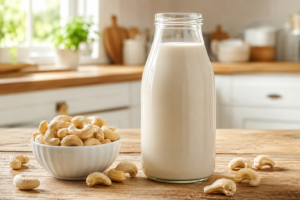
Cashew milk has quickly earned a top spot in many American kitchens because of its rich, creamy texture and versatility in everyday cooking. Whether you use it for your morning coffee, breakfast cereal, or favorite baking recipes, understanding its nutritional makeup is essential for your family. A very common question that many parents and health conscious individuals ask is about cashew milk sugar and how it fits into a balanced diet.
In this comprehensive guide, we will break down everything about the sugar content in different types of cashew milk, where these sugars come from, and how to choose the best option for your household.
Short Summary
Natural Sugar Content: Plain, unsweetened homemade or store-bought cashew milk contains virtually zero naturally occurring sugar.
Commercial Varieties: Sweetened and flavored versions, such as vanilla or chocolate, often have added cane sugar or syrups.
Health Impact: Unsweetened cashew milk is an excellent, low sugar, and pantry friendly alternative for managing daily sugar intake.
Measurement Guide: Sugar levels vary significantly depending on whether the milk is unsweetened, sweetened, or flavored.
While naturally low in sugar, it’s also important to understand the cashew milk side effects, especially if you have a tree nut allergy or other dietary sensitivities.
Does Cashew Milk Have Sugar Naturally?
No. Plain, unsweetened cashew milk contains virtually no naturally occurring sugar because cashews are naturally low in carbohydrates and sugars. When cashews are blended with water, the finished milk typically contains less than 1 gram of natural sugar per cup. This makes plain cashew milk a naturally low sugar alternative to many traditional milk options. For families looking for a lighter everyday choice, unsweetened cashew milk offers a simple ingredient base without hidden added sugars.
According to nutrition information published by the USDA, unsweetened cashew milk contains less than 1 gram of total sugar per cup, making it a naturally low sugar plant-based beverage. In everyday kitchens, this makes the unsweetened version a reliable and healthy staple for family meals. If you are comparing options for your household, it is helpful to look at alternative dairy profiles by reading our guide on cow milk nutrition to see how they differ in natural sugars.
Where Do the Sugars in Cashew Milk Come From?
The sugars found in store bought cashew milk come almost entirely from added sweeteners used during manufacturing to enhance flavor. While raw cashews possess a very mild flavor and minimal natural carbohydrates, commercial brands often introduce cane sugar, honey, or maple syrup to appeal to consumers who prefer a sweeter taste. In many homes, understanding the source of these sugars helps parents make better grocery choices for everyday cooking and family friendly meals.
The FDA states that manufacturers must list added sugars separately on the Nutrition Facts label, making it easier for consumers to identify sweetened plant-based beverages and compare products. Knowing this distinction helps you avoid accidental sugar spikes when preparing meals. If you love making things from scratch to control your ingredients, you can easily learn how to make cashew milk at home using clean, whole ingredients.
Is Cashew Milk High in Sugar?

In general, cashew milk is not high in sugar, but the final amount depends entirely on whether you purchase the sweetened or unsweetened variety. Unsweetened cashew milk is widely considered one of the lowest sugar milk alternatives available on supermarket shelves today. It offers a balanced choice for those who want to keep their kitchen health conscious without sacrificing creaminess.
While an unsweetened carton is perfect for a balanced diet, a heavily sweetened or flavored version can quickly increase your daily sugar consumption. To see how this impacts your overall nutrient tracking, you can cross check this with our detailed guide on cashew milk nutrition for a complete breakdown.
The Relationship Between Cashew Milk and Sugar
The connection between cashew milk and overall sugar consumption is highly positive for those looking to reduce carbohydrates in their diet. Because the base liquid is so low in natural sugars, it serves as a reliable alternative for individuals monitoring blood glucose levels or managing weight. Using unsweetened cashew milk in everyday recipes allows you to enjoy a richer texture without adding unnecessary sugars to your meals.
According to nutrition information published by the USDA, unsweetened cashew milk contains very little sugar, making it a practical choice for people who want a lower sugar plant-based beverage. This switch can be an easy, practical step toward better metabolic health. For a broader look at how other plant options handle nutrients and sweeteners, you can review our analysis on soy milk nutrition to find the best fit for your lifestyle.
Detailed Sugar Content in Cashew Milk

To help you understand how much sugar is in cashew milk across various serving sizes, we have broken down the exact measurements for unsweetened, regular, and popular flavored varieties.
This transparency is especially helpful when measuring exact quantities for baking or daily meal planning. When managing your daily calorie budget, it is also useful to read our specific post on cashew milk calories to see the full picture.
How Much Sugar in Unsweetened Cashew Milk?
Unsweetened cashew milk contains zero added sugars and less than 0.5 grams of natural sugar per serving, making it a staple for low sugar meal prep.
Here is a breakdown of sugar levels in unsweetened cashew milk by common measurements:
| Serving Size | Sugar Content (Unsweetened) |
| Per 100g | 0 grams |
| Per Cup (approx. 240g) | 0 grams |
| Per 250g | 0 grams |
| Per 500g | 0 grams |
| Per 1 Litre | 0 grams |
According to nutrition information published by the USDA, unsweetened cashew milk contains little to no sugar, although the exact amount may vary slightly by brand and formulation.
How Much Sugar in Standard Sweetened Cashew Milk?
Standard sweetened cashew milk has added cane sugar to create a familiar, mild flavor profile that works well in cereal and smoothies.
| Serving Size | Sugar Content (Sweetened) |
| Per 100g | 2.9 grams |
| Per Cup (approx. 240g) | 7.0 grams |
| Per 250g | 7.3 grams |
| Per 500g | 14.5 grams |
| Per 1 Litre | 29.0 grams |
How Much Sugar in Silk & Vanilla Cashew Milk?
Flavored options like Silk and generic vanilla cashew milk contain higher amounts of sugar due to both the added vanilla flavoring and sweetening syrups.
| Serving Size | Sugar Content (Silk / Vanilla) |
| Per 100g | 4.6 grams |
| Per Cup (approx. 240g) | 11.0 grams |
| Per 250g | 11.5 grams |
| Per 500g | 23.0 grams |
| Per 1 Litre | 46.0 grams |
To ensure your milk stays fresh and safe to consume throughout the week after opening, you can check our guidelines on how long does cashew milk last in the refrigerator.
How Much Sugar in Cashew Milk is Enough for You?

The ideal amount of sugar in your cashew milk depends strictly on your personal health goals, dietary needs, and how you plan to use the milk in your kitchen. For most people, opting for unsweetened cashew milk is the healthiest choice because it completely eliminates added sugars from your beverage source. If you prefer a sweeter profile for a specific dessert recipe, using a small serving of flavored vanilla cashew milk can be a practical and controlled way to add flavor.
The American Academy of Pediatrics (AAP) explains that children under age 2 should avoid added sugars, supporting healthy eating habits from an early age. Balancing these choices helps protect your family health while keeping meals enjoyable. To see how cashew milk stacks up against other farm fresh options in terms of sugars and minerals, you can read our comparison on goat milk nutrition for more clarity.
Why Trust Fooder Ghor?
At Fooder Ghor, we provide educational resources focused on understanding the safe use, handling, and storage of different types of milk, including breast milk, cow’s milk, goat milk, and raw milk, based on publicly available guidance from trusted sources such as the CDC, FDA, USDA, and AAP. Some milk-related articles, particularly those involving maternal and infant feeding topics, are reviewed for clarity and presentation by nursing students with academic training in maternal and child health to help make information easier to understand. This content is provided for learning purposes only and does not offer medical advice.
Frequently Asked Questions
A: Yes, because unsweetened cashew milk contains virtually zero sugar and very few carbohydrates, it is a highly popular choice for individuals following a strict ketogenic lifestyle.
A: Homemade cashew milk only contains the natural sugars found in raw cashews, which is less than 1 gram per cup, as long as you do not add extra sweeteners like honey or dates during blending.
A: Commercial vanilla cashew milk brands add extra cane sugar or natural sweeteners alongside the vanilla extract to create a dessert like flavor profile, which increases the total sugar count.
A: Absolutely, unsweetened cashew milk works beautifully in soups, savory sauces, and gravies because it has a neutral, creamy consistency without the natural sweetness found in dairy lactose.
Conclusion
When analyzing cashew milk sugar, the overall impact on your diet comes down to the specific variety you bring home. Unsweetened cashew milk remains an incredibly low sugar, heart healthy option that provides a smooth texture without any added sweeteners. On the other hand, sweetened and flavored vanilla varieties can contain anywhere from 7 to 11 grams of sugar per cup, which is important to monitor if you are watching your daily sugar intake. Always check your product labels carefully to ensure your choice aligns with your family’s nutritional goals.
If you want to fully explore how this drink supports your wellness goals, check out our comprehensive article on cashew milk benefits to learn more about its amazing properties.