Skip to content


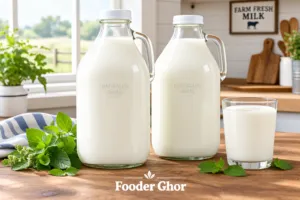
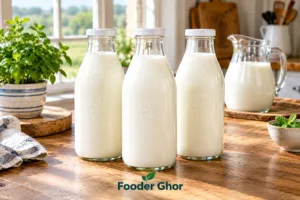
Many people have heard about raw milk but are not sure what it actually is or how it differs from regular milk. Raw milk is milk that comes directly from cows, goats, or sheep and has not been pasteurized or homogenized. Because it is not heat-treated, it retains its natural cream, enzymes, proteins, fats, and original texture.
In this guide, you’ll learn what raw milk is, what it’s made of, how it’s tastes, how it’s commonly used, and how it differs from processed milk.
Quick Summary
- Raw milk is milk that has not been pasteurized.
- It contains natural milk fat, enzymes, proteins, lactose, vitamins, and minerals.
- Raw milk is commonly used for drinking, cheesemaking, yogurt, kefir, butter, and fermentation.
- Taste varies depending on cow breed, grass diet, fat content, and freshness.
- Raw milk laws vary by U.S. state.
- Raw milk tastes richer, creamier, and more farm-fresh than regular milk.
What Is Raw Milk?
Raw milk is milk collected directly from dairy animals without heat treatment. Unlike regular grocery milk, raw milk is not exposed to pasteurization, which is a heating process designed to reduce bacteria and extend shelf life.
Raw milk can come from:
- Cows
- Goats
- Sheep
Because it is minimally processed, raw milk keeps its original structure, including:
- Natural cream layer
- Milk enzymes
- Live bacteria
- Full-fat texture
According to the U.S. Food and Drug Administration (FDA), raw milk is milk that has not been pasteurized to kill harmful bacteria.
Raw milk is only one form of dairy milk before processing or pasteurization. If you want to better understand milk basics, read our full guide on what is cow milk to learn how regular milk is produced, processed, and commonly consumed.
What Is Raw Milk Made Of?
Raw milk is naturally made of water, milk fat, proteins, lactose, minerals, and other bioactive compounds. These components form the original structure of milk before it is pasteurized or homogenized.
Its approximate composition is shown below:
| Component | Average Amount |
|---|---|
| Water | 87% |
| Fat | 3–5% |
| Protein | 3–4% |
| Lactose | 4–5% |
| Minerals | <1% |
| Vitamins | Trace amounts |
The exact composition of raw milk can vary depending on several factors, including:
- Animal breed
- Feed quality
- Season
- Farming practices
- Stage of lactation
These natural variations help explain why raw milk from one farm may differ slightly in texture, fat content, and flavor from another. Similar differences can also be found in goat milk depending on breed, diet, and farming methods. If you’d like to compare, read our guide on Is Goat Milk Good for You?
At its structural core, raw milk is a natural emulsion in which tiny fat globules are suspended in water along with proteins and other milk solids. Because it has not been homogenized, the cream naturally rises to the top during storage.
According to the U.S. Food and Drug Administration (FDA), milk is a naturally complex food made up of water, fat, protein, carbohydrates, vitamins, and minerals, and its composition can vary depending on production and processing.
What Is in Raw Milk?
Raw milk contains several naturally occurring components that remain in their original form because the milk has not been pasteurized or homogenized. These components contribute to its natural appearance, texture, and overall characteristics.
Raw milk naturally contains:
- Butterfat
- Casein protein
- Whey protein
- Lactose
- A natural cream layer
- Naturally occurring enzymes
- Bioactive compounds
It also contains naturally occurring compounds such as:
- Lactoperoxidase
- Lactoferrin
- Lysozyme
- Alkaline phosphatase
Because raw milk has not undergone industrial processing, these naturally occurring components remain largely intact. However, raw milk may also contain naturally occurring microorganisms, which is why proper handling and food safety practices are important.
If you want a complete breakdown of raw milk’s calories, protein, vitamins, minerals, and other nutrition facts, read our Raw Milk Nutrition Facts guide.
According to the FDA, raw milk contains the same basic milk components as other dairy milk but has not been pasteurized, meaning it may also contain microorganisms that can affect food safety.
Small takeaway: Raw milk contains its natural proteins, milk fat, enzymes, cream, and bioactive compounds in their original, minimally processed form.
What Is Raw Milk Used For?
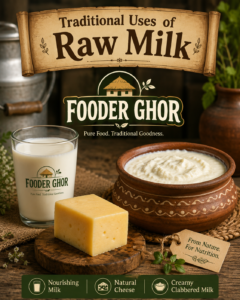
Raw milk is used for both direct consumption and homemade dairy production. Because it retains its natural cream and has not been homogenized, many home cooks also use it in traditional kitchen recipes that benefit from a richer texture.
Common raw milk uses include:
- Drinking fresh milk
- Making yogurt
- Cheese production
- Butter making
- Kefir fermentation
- Ice cream base
- Cream separation
Homesteaders and farm families often use raw milk for:
- Clabber
- Sourdough fermentation
- Homemade cultured dairy
In many home kitchens, raw milk is also used to prepare homemade custards, cream-based sauces, baked goods, and other traditional dairy recipes. The exact use depends on personal preference, local food traditions, and the type of recipe being prepared.
This is why many consumers specifically search for local farm raw milk. If you’re also curious about different types of raw dairy, including milk that naturally contains only the A2 beta-casein protein, read our guide on What Is A2 Milk? to understand how it differs from regular cow’s milk.
What Does Raw Milk Taste Like?
Raw milk tastes richer, creamier, and slightly sweeter than pasteurized milk because it retains its natural cream and has not been homogenized. Its flavor may also have mild buttery or grassy notes depending on the animal’s diet and freshness.
Raw milk usually tastes:
- Creamier
- Sweeter
- Fresher
- Richer
- More complex than store milk
Unlike processed milk, raw milk often has a fuller mouthfeel because the cream remains intact. If you want to compare it directly with regular cow’s milk taste, check our guide on what does cow milk taste like for a detailed flavor breakdown.
Taste is influenced by:
- Grass-fed vs grain-fed cows
- Fat percentage
- Breed
- Freshness
- Storage temperature
Fresh grass-fed raw milk often tastes:
- Slightly sweet
- Buttery
- Smooth
- Mildly grassy
Some people describe it as “milk with more personality.”
Beyond the basic flavor, the mouthfeel of raw cow milk is significantly different; it has a velvety, silk-like texture that coats the palate, a result of the intact fat globules that haven’t been broken down by homogenization. While processed milk can sometimes leave a slight metallic or ‘cooked’ aftertaste due to high-heat pasteurization, raw milk finishes with a clean, naturally sweet lingering note.
Dairy flavor, texture, and composition can vary based on processing methods and regulation standards. The FDA milk and milk products overview explains how milk composition and handling can influence overall quality and safety.
What Does Raw Cow Milk Taste Like?
Raw cow milk tastes rich, creamy, mildly sweet, and fresh. Compared with pasteurized milk, it has a fuller texture because the cream remains naturally suspended.
Grass-Fed Raw Cow Milk
Often tastes:
- Sweeter
- Cleaner
- Slightly herbal
If you want to compare raw cow milk flavor with regular store-bought milk in detail, read our guide on what does cow milk taste like for a complete breakdown of taste differences and texture.
Grain-Fed Raw Cow Milk
Often tastes:
- Heavier
- Richer
- More buttery
Breed also changes flavor.
Examples:
- Jersey cows = higher butterfat, richer taste
- Holstein cows = lighter texture
Milk freshness matters too. Same-day milk tastes cleaner than older milk.
Beyond taste, many people also consider the health benefits of cow’s milk. If you want to understand its nutritional value in detail, read our guide on is cow milk good for you to explore its benefits and considerations.
Does Raw Milk Taste Like Regular Milk?
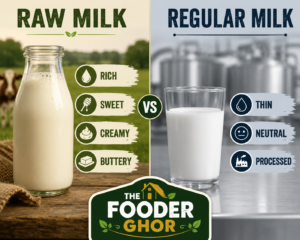
No. Raw milk does not taste exactly like regular pasteurized milk. It is usually richer, creamier, and slightly sweeter because it has not been homogenized or heat-treated.
Key differences:
| Feature | Raw Milk | Regular Milk |
|---|---|---|
| Texture | Creamier | Thinner |
| Flavor | Richer | Milder |
| Cream Layer | Present | Removed/homogenized |
| Aroma | Farm-fresh | Neutral |
Regular milk is often:
- Pasteurized
- Homogenized
- Standardized for fat consistency
This makes grocery milk more uniform but less dynamic in taste.
According to FDA dairy guidance, processes like pasteurization and homogenization are used to standardize milk quality, improve safety, and ensure consistent fat distribution across commercial milk products.
If you are used to the standardized taste of store-bought milk, raw milk may initially surprise you. Because regular milk is pooled from thousands of different cows and processed for uniformity, it often tastes ‘flatter.’ Raw milk, however, reflects the ‘terroir’ of the farm meaning it tastes like the specific grasses and minerals present in the soil where the cows grazed.
Small takeaway: Raw milk tastes more “alive” and less processed.
Because raw milk is less processed and more sensitive to time and temperature, its freshness window is shorter compared to regular milk. To understand storage duration in detail, read our guide on how long does raw milk last for complete refrigeration and shelf life information.
What States Is Raw Milk Legal?
Raw milk legality varies by state in the United States.
Some states allow:
- Retail store sales
Others allow only:
- Farm sales
- Herd shares
- Cow shares
Some states restrict most raw milk sales entirely.
For a full breakdown of the benefits and potential side effects, check our guide: is raw milk good for you?
Raw milk legality categories often include:
| Legal Method | Common Availability |
|---|---|
| Retail sale | Some states |
| Farm-only sale | Many states |
| Herd share programs | Limited states |
| Restricted sales | Certain states |
Because laws change, consumers should always verify local regulations. According to the FDA, interstate sale of raw milk for human consumption is prohibited.
State-level access varies significantly; for instance, states like California, Pennsylvania, and New Hampshire allow raw milk to be sold in retail stores. In contrast, states like Texas and Nebraska limit sales to ‘farm gate’ transactions, meaning you must buy directly from the producer. A few states, such as Michigan, primarily utilize ‘herd share’ programs to provide legal access to consumers.
What Is Clabbered Raw Milk?
Clabbered raw milk is naturally fermented raw milk. When raw milk sits at room temperature, natural bacteria ferment lactose and thicken the milk.
Clabbered milk usually becomes:
- Thick
- Tangy
- Spoonable
Historically, clabbered milk was used for:
- Biscuits
- Baking
- Cultured dairy recipes
It differs from spoiled pasteurized milk because natural bacteria fermentation occurs differently.
The FDA’s milk and dairy safety guidance explains how bacterial activity in milk can lead to either controlled fermentation or spoilage depending on temperature, handling, and storage conditions.
Small takeaway: Clabbered raw milk is intentionally fermented raw milk.
What Is Cold Pressed Raw Milk?
Cold pressed raw milk is mostly a marketing phrase. Milk itself is not typically “pressed” like juice. When people mention cold pressed raw milk, they usually refer to:
- Minimal processing
- Cold bottling
- No heat treatment
This term is not a standard dairy regulation term.
So if consumers see “cold pressed raw milk,” it usually means branding language rather than a technical milk category.
Even though marketing terms like this can confuse consumers, proper storage practices still matter for all types of milk. If you want to know the safest way to preserve milk at home, read our guide on can you freeze cow milk and storage methods.
How Raw Milk Is Usually Stored
Because raw milk is unpasteurized, it should be kept cold from the time it is collected until it is used. Proper storage helps maintain its natural quality and freshness.
Most families store raw milk by:
- Refrigerating it immediately after purchase or milking
- Keeping it consistently cold
- Using a clean, sealed container
- Avoiding unnecessary temperature changes
If you want step-by-step instructions on refrigeration, freezing, storage containers, and long-term preservation, read our complete guide on complete raw milk storage guides.
Why Trust Fooder Ghor?
At Fooder Ghor, we provide educational resources focused on understanding the safe use, handling, and storage of different types of milk, including breast milk, cow’s milk, goat milk, and raw milk, based on publicly available guidance from trusted sources such as the CDC, FDA, USDA, and AAP. Some milk-related articles, particularly those involving maternal and infant feeding topics, are reviewed for clarity and presentation by nursing students with academic training in maternal and child health to help make information easier to understand. This content is provided for learning purposes only and does not offer medical advice.
Frequently Asked Questions
Often yes, but not always. Farm milk can still be pasteurized.
Because cream is not homogenized into smaller particles.
Yes. Cream naturally rises to the top.
Natural enzymes and full fat create a sweeter taste perception.
No. Feed, breed, and season affect flavor significantly.
Grass-fed cows produce more carotene, which can create a yellow tint.
Yes. Many traditional cheeses begin with raw milk.
Conclusion
Understanding what is raw milk helps consumers make informed choices about taste, storage, dairy preparation, and purchasing decisions. Raw milk is unpasteurized milk in its most natural form. It contains original milk fat, proteins, enzymes, and cream while offering a richer taste than conventional milk.
Whether you are curious about flavor, composition, legal status, or farm uses, raw milk remains one of the most discussed dairy products in the United States.
If you’re specifically buying A2 milk, you may also want to learn how long it stays fresh. Read our complete guide on How Long Does A2 Milk Last to compare refrigeration, freezing, and storage timelines.