Skip to content

Why Starting with a Plan Matters For many new moms in the U.S., the most common question is: how often should I pump breast milk to ensure my baby has enough? Whether you are a stay-at-home mom building a freezer stash or a professional preparing to return to the office, your pumping frequency is the “volume knob” of your milk production.
In the United States, pediatricians and lactation consultants emphasize that breast milk production is a biological feedback loop. If you don’t remove milk often enough, your body thinks the baby needs less, and production slows down. This guide provides a deep dive into the frequency needed for every stage of your journey, from the first hours of life to weaning.
👉 Pro Tip: Before you start your routine, make sure you understand the basics of timing. Check our internal guide on When Should You Start Expressing Breast Milk? to avoid early mistakes.
Quick Overview for Busy Moms
-
Newborn Stage: Requires frequent sessions (8–10 times daily).
-
Exclusively Pumping: Needs a consistent day and night rhythm.
-
Working Moms: Usually pump 2–3 times during a standard 8-hour shift.
-
After 6 Months: Frequency often decreases as babies start solids.
1. Why Frequency is the Key to Milk Supply
The science of lactation is simple: Milk Removal = Milk Production. When the breast is full, a protein called FIL (Feedback Inhibitor of Lactation) builds up, telling your body to stop making milk. When you pump frequently, you keep FIL levels low, signaling your body to keep the “factory” running.
For U.S. moms, especially those following AAP (American Academy of Pediatrics) guidelines, frequency is more important than duration in the early days. Pumping 10 times for 10 minutes is often more effective than pumping 5 times for 20 minutes.
2. How Often Should I Pump for a Newborn? (The First 6 Weeks)
The first six weeks are known as the “hormonal phase” of lactation. During this time, your body is incredibly responsive to stimulation. To establish a strong supply, follow this general frequency guide:
| Age of Baby | Pumping Frequency | Total Sessions (24h) |
| Newborn (0-4 Weeks) | Every 2–3 hours | 8–12 Sessions |
| Infant (1-3 Months) | Every 3 hours | 7–9 Sessions |
| Baby (3-6 Months) | Every 3–4 hours | 6–8 Sessions |
| Baby (6+ Months) | Every 4–5 hours | 4–6 Sessions |
Why Consistency Matters Early On:
-
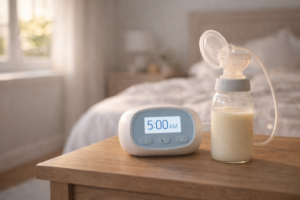
The Nighttime Rule: Don’t skip the “Golden Hours” between 1 AM and 5 AM. Prolactin levels peak during the night, and a missed session here can lead to a significant supply drop later.
-
The 24-Hour Goal: If you are exclusively pumping, your goal is to mimic a newborn’s natural nursing pattern by avoiding gaps longer than 3 hours during the day. 👉 Milk Safety Check: As you start collecting this “liquid gold,” review our guide on [How Long Does Breast Milk Last?] to stay confident about safety.
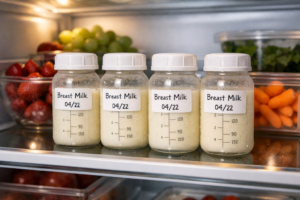
👉 Milk Safety Check: As you start collecting this “liquid gold,” ensure you know how to keep it safe. Review our guide on How Long Does Breast Milk Last?.
3. Frequency in the First Week: Quality over Quantity
In the first 3–5 days, you are producing colostrum. Because the volume is small, you might feel discouraged, but the frequency of your attempts is what “programs” your supply for the coming months.
-
Short and Frequent: Aim for 8 sessions even if you only see a few drops.
-
Comfort First: While frequency is key, your physical setup determines your success. Follow our How to Start Pumping: Step-by-Step Guide to ensure your flange fit is correct to avoid nipple trauma during these frequent sessions.
-
Duration Insight: To understand how long these sessions should be, check our How Long Do I Pump Breast Milk? guide.
4. Exclusively Pumping (EP) Moms: The Marathon Routine
For moms who rely 100% on the pump, your schedule is your lifeline. Most EP moms in the U.S. find success with a “2-3 hour” rule during the day and one 4-5 hour stretch at night once supply is established.
If you are an EP mom, you are at a higher risk for clogged ducts if you miss a session. Staying consistent with your “How Often” routine is the best way to prevent breast infections like mastitis.
5. How Often Should I Pump Breast Milk While Still Nursing?
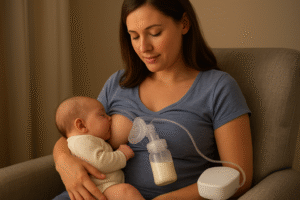
If you are “combo feeding” or nursing but want to build a stash, you don’t need 10 sessions a day.
-
The Morning Pump: Most moms have the highest supply in the morning. Pumping 30–60 minutes after the first morning feed is the best way to get extra milk without affecting your baby’s next feed.
-
The Evening Power-Up: Some moms add one session before they go to bed. 👉 Remember to follow the Safest Breast Milk Storage Practices to keep your stash fresh.
6. Pumping After Returning to Work: The 3-Hour Office Rule
Returning to work is a major transition for U.S. moms. Under federal law (The PUMP Act), most employers must provide time and space for pumping. Here is how a typical workday routine looks for successful pumping:
| Typical Work Shift | Recommended Pumping Times | Note |
| Before Work | 6:00 AM – 7:00 AM | Highest supply session |
| Mid-Morning | 10:00 AM – 10:30 AM | First office break |
| Lunch Break | 1:00 PM – 1:30 PM | Second office break |
| Mid-Afternoon | 4:00 PM – 4:30 PM | Final office session |
| Evening/Night | 8:00 PM & 12:00 AM | To maintain supply |
Tips for Working Moms:
-
Mastering the Intervals: Following a specific time-based routine makes your office sessions predictable. For the exact intervals used by successful U.S. working moms, check our detailed 555 Rule for Pumping guide.
-
CDC Compliance: Always keep a copy of the CDC Breast Milk Storage Guidelines at your desk or on your fridge to ensure your office-pumped milk is handled correctly.
7. How Often to Pump to Increase Supply (Power Pumping)
If you notice a dip in supply, don’t panic. Instead of just adding more hours to your sessions, increase the frequency of the signals you send to your brain.
-
Cluster Pumping: Mimic a baby’s growth spurt by pumping for 10 minutes every hour for a few hours.
-
The 30/30/30 Method: This specialized power pumping technique can be found in our 555 Pumping Rules guide.
8. Adjusting Frequency After 6 Months
Once your baby starts solids, their milk intake may decrease. This is the stage where you can slowly drop sessions (often called “dropping a pump”).
-
Signal to Regulate: By 6 months, your supply is likely “regulated” (driven by demand rather than hormones). You might find that you can maintain your supply with only 4 to 6 sessions a day.
-
Watch for Twins: If you are a twin mom, your “How Often” needs will stay higher (6–8 times) even after 6 months to keep up with the demand of two growing babies.
9. Pumping for Travel and Special Events
Traveling can disrupt your rhythm. To protect your supply:
-
Stick to the Intervals: Even if you can’t pump for long, pump for 5 minutes every 3–4 hours to tell your body to keep making milk.
-
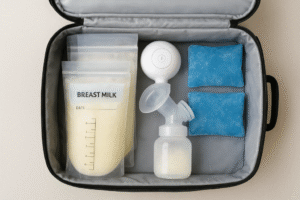
Plan Ahead: Use our How to Store Breast Milk on the Go guide to manage your frequency while navigating airports or road trips.
10. When Frequency Becomes a Problem: Overpumping
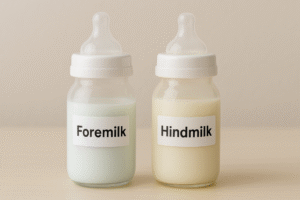
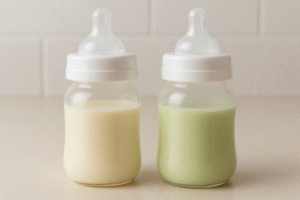
Pumping too often (more than 12 times a day) can lead to an oversupply, which sounds good but can cause painful engorgement and foremilk/hindmilk imbalance for your baby. If you feel you are pumping “too much,” consult an IBCLC or check the American Academy of Pediatrics (AAP) recommendations.
11. Why Nighttime Pumping Matters
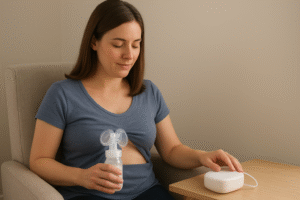
Night pumping supports supply because milk-producing hormones are naturally higher overnight. Keeping at least one session between 1 AM and 5 AM during the first 12 weeks is highly recommended for long-term success. 👉 For additional guidance, visit the American Academy of Pediatrics (AAP) Breastfeeding Recommendations.
Frequently Asked Questions
Q: Is pumping every 2 hours too much?
It can be helpful short-term to increase supply, but long-term routines usually space sessions every 3 hours.
Q: How often is it safe to pump breast milk?
It is safe to pump as often as your body is comfortable, especially when sessions are evenly spaced.
Q: Can I go 8 hours without pumping at night?
Early on, long gaps may affect supply. Later, some moms tolerate longer stretches without issues.
Q: Will my supply increase if I pump every 2 hours?
Frequent pumping can increase supply if done consistently for several days.
Q: How often should I pump breast milk after 6 months?
Many moms pump 4 to 6 times daily, depending on nursing and work schedules.
Why Trust Fooderghor?
At Fooderghor, we simplify parenthood with research-backed guides for U.S. families, prioritizing your baby’s safety and nutrition. Our content is meticulously vetted against elite standards from the CDC, Mayo Clinic, and La Leche League. We provide expert-verified information you can depend on.
Conclusion
Finding the answer to how often should I pump breast milk is a personal journey that changes as your baby grows. From the 10-session days of the newborn phase to the 4-session rhythm of the late first year, consistency is your greatest tool. Follow these U.S. health guidelines, listen to your body, and stay confident in your ability to nourish your baby.