Skip to content



Goat cheese is a highly nutritious and versatile dairy staple valued for its distinct tangy flavor profile, high bioavailability, and unique fatty acid structure. Integrating this traditional cheese into your daily balanced diet delivers essential vitamins, minerals, and bioactive compounds that support systemic wellness. From protecting bone mineral density to supporting digestive health, goat cheese provides a solid nutritional foundation for whole-body health.
In this comprehensive guide, we will explore the medically verified health benefits of goat cheese for women, men, skin, diabetes, and weight loss, alongside crucial safety rules for pregnancy and toddlers.
Quick Summary
Enhanced Bioavailability: Goat cheese offers gentle protein structures and smaller fat globules that support efficient human digestion.
Targeted Metabolic Support: Medium chain fatty acids and B-complex vitamins actively sustain daily metabolic energy without promoting excess fat storage.
Immunity and Bone Protection: Rich stores of bioavailable calcium, phosphorus, and zinc optimize cellular immune defenses and skeletal density.
Digestive System Tolerance: Lower lactose concentrations and A2-like casein proteins make goat cheese easier on sensitive stomachs.
Clean Dietary Profile: Provides zero artificial additives when processed using traditional pasteurization and natural starter cultures.
If you are curious about the distinct taste characteristics of fresh versus aged curds, read our comprehensive guide on what does goat cheese taste like for detailed culinary context.
What are the main health benefits of eating Goat Cheese?
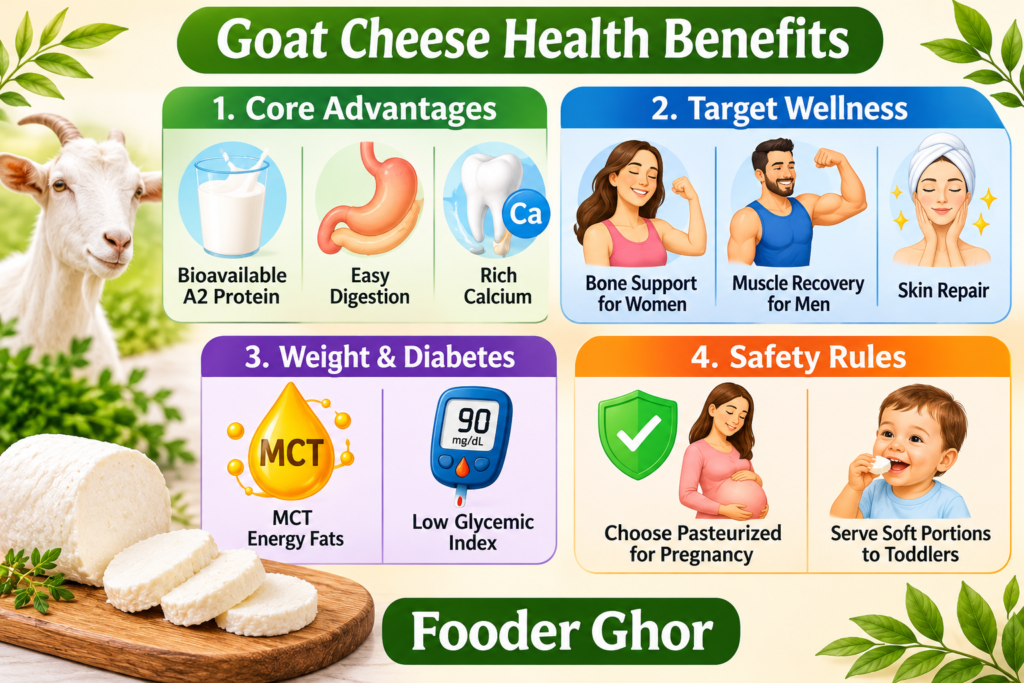
Incorporating goat cheese into a regular diet supports overall human health by strengthening cellular immunity, enhancing skeletal system integrity, improving gut microflora, and optimizing daily energy metabolism.
The primary health advantages of goat cheese stem from its bioavailable nutrient composition. Goat milk proteins contain primarily A2 beta-casein rather than the A1 casein variants found in most commercial cow dairy. This structural difference reduces digestive inflammation and allows for smoother peptide breakdown within the intestinal tract. Additionally, the small diameter of goat milkfat globules enables faster enzymatic lipase digestion.
Essential minerals inside goat cheese work synergistically to bolster physical wellness. Natural concentrations of zinc and selenium stimulate white blood cell activity, reinforcing defensive immune barriers. Furthermore, the natural balance of beneficial gut probiotics in fresh fermented curds promotes healthy microflora colonization, protecting stomach tissue against harmful pathogens.
To understand basic packaging boundaries and daily chilling setups before adding fresh dairy to your routine, read our practical guide on how to store goat cheese to maintain peak product quality.
Goat Cheese benefits for women
Goat cheese offers specific health benefits for women by delivering high concentrations of bioavailable calcium, phosphorus, and vitamin D that protect bone mineral density and prevent progressive skeletal conditions like osteoporosis.
Women undergo natural hormonal shifts throughout adulthood that directly influence bone tissue turnover and calcium resorption rates. Consuming goat cheese provides a dense source of natural calcium and phosphorus in ideal nutritional ratios. According to the NIH Office of Dietary Supplements, adequate calcium intake is essential for maintaining bone health, and women experience increased bone loss as estrogen levels decline during menopause, raising their risk of osteoporosis.
Beyond skeletal wellness, the unique fatty acid profile of goat cheese assists in cellular integrity and metabolic regulation. Goat dairy contains trace bioactive lipids that aid in maintaining smooth metabolic pathways during daily physical activity, helping women sustain healthy energy balance across various life stages.
Goat cheese is not the only cheese that can contribute valuable nutrients to a balanced diet. You can also explore our guide on feta cheese health benefits to discover its nutritional value and potential health advantages.
Is Goat Cheese healthy for weight loss?
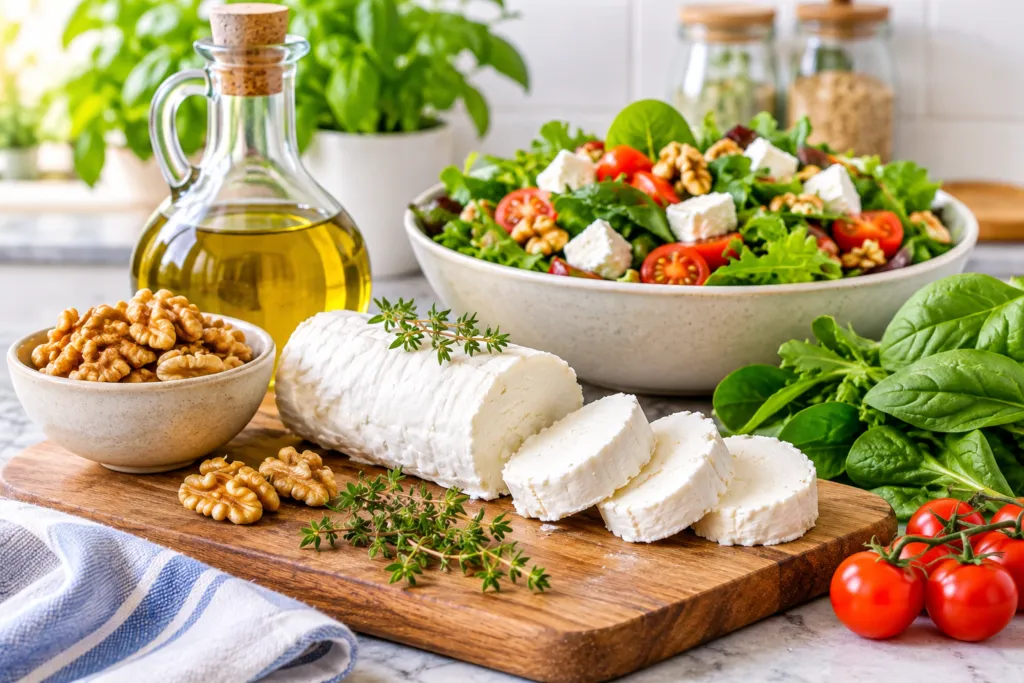
Goat cheese can fit into a weight-loss diet when eaten in moderation, as part of a balanced eating plan. However, it does not directly cause weight loss or boost metabolism, and its calorie content makes portion control important.
The protein structure in goat cheese consists largely of casein, which digests slowly to release steady amino acids into the bloodstream. This sustained digestion keeps hunger hormones suppressed and prolongs feelings of fullness after meals. According to research reviewed in the NIH Office of Dietary Supplements, dietary protein and other components of dairy products may influence appetite-regulating hormones, although clinical evidence does not establish that dairy consumption independently produces greater weight loss.
Additionally, goat cheese contains notable levels of medium chain triglycerides (MCTs) such as caproic, caprylic, and capric acids. Unlike long chain fats found in many processed foods, MCTs are rapidly absorbed by the liver and converted into immediate metabolic energy rather than stored as body fat. For individuals managing cold storage during weight loss routines, reading our detailed tutorial on can you freeze goat cheese ensures long-term meal prep convenience.
Goat Cheese benefits for skin
The primary goat cheese benefits for skin are driven by high levels of vitamin A, riboflavin (vitamin B2), zinc, and selenium that accelerate skin cell repair, reduce acne inflammation, and promote a clear complexion.
Vitamin A plays an essential role in dermal epithelial cell turnover and repair, preventing dead skin cells from clogging pores and causing acne breakouts. The steady supply of dietary vitamin A from goat cheese encourages structural skin renewal from within. Concurrently, natural zinc content works as an anti-inflammatory mineral that regulates sebum production and calms active skin redness.
Furthermore, riboflavin and selenium act as potent nutritional allies against cellular oxidative stress. Riboflavin supports tissue maintenance and collagen stability, while selenium supports antioxidant enzymes that protect skin cell membranes from environmental damage. Regular consumption of nutrient-dense goat cheese helps cultivate healthy, resilient skin tissue naturally.
While exploring the nutritional value of different cheeses, it’s also worth understanding their potential drawbacks. Our guide to mozzarella cheese side effects covers possible reactions and considerations to keep in mind when adding mozzarella to your diet.
Goat Cheese benefits for diabetes
Goat cheese can be a suitable option for people with diabetes because it generally contains very little carbohydrate, along with protein and fat. When eaten in moderate portions as part of a balanced meal, it may help limit the meal’s overall impact on blood glucose.
Managing type 2 diabetes involves choosing balanced meals and monitoring carbohydrate intake to help keep blood glucose levels within an individual target range. Goat cheese contains minimal glycemic carbohydrates, making it an ideal inclusion for low-glycemic dietary plans. The protein and fat in cheese can slow digestion when eaten with carbohydrate-containing foods, which may help moderate the meal’s effect on blood glucose.
According to the American Diabetes Association, cheese and cottage cheese contain little to no carbohydrates, while their protein and fat can slow digestion and help manage blood glucose when eaten with carbohydrate-containing foods. Including measured portions of goat cheese in meals stabilizes blood sugar dynamics throughout the day.
Goat cheese is one of several dairy options that can contribute nutrients to a balanced diet. If you’re interested in exploring the nutritional value of other cheeses, take a look at our guide to cream cheese health benefits and its potential role in a balanced eating plan.
Goat Cheese benefits for men
Goat cheese delivers targeted health benefits for men by providing bioavailable essential amino acids for lean muscle reconstruction and vital zinc stores that naturally maintain healthy male testosterone levels.
For active men, post-workout muscle recovery requires rapid access to complete protein building blocks. Goat cheese supplies high-quality essential amino acids that repair micro-tears in muscle tissue, helping to build lean muscular structure effectively after resistance training or strenuous physical labor.
Additionally, goat cheese is a natural source of bioavailable zinc, a crucial micronutrient required for testicular enzyme activity and physiological testosterone production. Maintaining adequate zinc levels supports physical endurance, metabolic energy production, and reproductive health in men of all ages.
The NIH Office of Dietary Supplements explains that dietary protein provides essential amino acids needed for muscle growth, maintenance, and repair. It also identifies dairy products as sources of zinc, a mineral involved in protein synthesis and several important cellular functions.
Goat cheese is not the only cheese worth considering when comparing protein and other nutrients. Our guide to cottage cheese benefits for health explores its nutritional value and how it can fit into a balanced diet.
Goat Cheese and cholesterol management
The saturated fat content of goat cheese varies by product and type, so it should not automatically be considered lower in saturated fat than cow’s milk cheese. People monitoring cholesterol can enjoy it in moderate portions while keeping their overall saturated fat intake in check.
Individuals monitoring serum cholesterol levels must manage their overall saturated fat and sodium intake carefully. Goat cheese contains a mixture of fatty acids, including short- and medium-chain fatty acids, but these do not make it cholesterol-lowering. Its saturated fat content should still be considered when managing LDL cholesterol levels.
According to the American Heart Association, saturated fat found in foods such as cheese can raise LDL cholesterol levels, so choosing lower-fat dairy products and limiting saturated fat can support a heart-healthy eating pattern. Practicing portion control allows individuals with mild cholesterol concerns to enjoy the culinary and health advantages of goat cheese safely.
Goat cheese is just one option when exploring the nutritional value of different cheeses. If you’re curious about another soft cheese, our guide to Brie cheese health benefits discusses its nutrients and potential place in a balanced diet.
Is Goat Cheese safe during pregnancy?
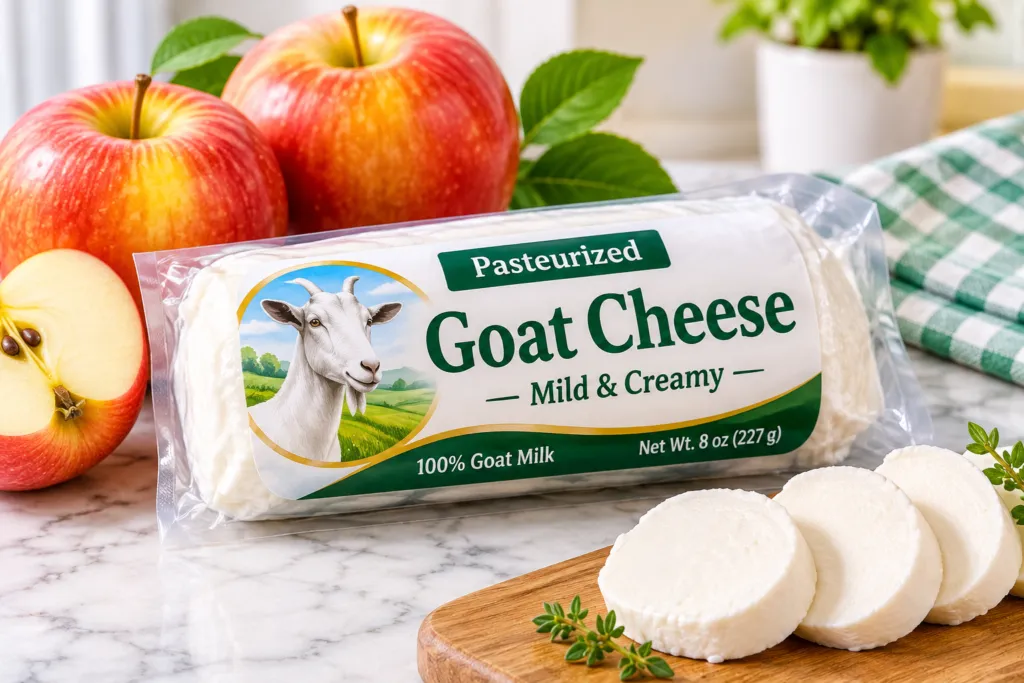
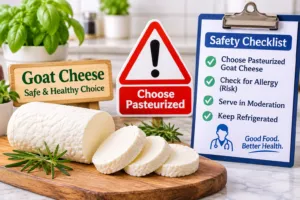
Yes, goat cheese made from pasteurized milk can generally be eaten during pregnancy, provided it is properly refrigerated and handled. However, pasteurization does not eliminate the possibility of contamination during cheese production or handling.
Food safety during pregnancy is critical due to the vulnerability of the developing fetus to foodborne pathogens. Raw or unpasteurized soft cheeses present a known risk for harboring Listeria monocytogenes, a dangerous bacterium capable of crossing the placental barrier. Milk pasteurization kills harmful bacteria such as Listeria monocytogenes, although contamination can still occur after pasteurization during cheese production or handling.
According to the FDA, pregnant women should check cheese labels to ensure that soft cheeses are made with pasteurized milk, as unpasteurized milk and cheeses made from it can carry Listeria monocytogenes. Pasteurized goat cheese can provide calcium and protein during pregnancy, but proper refrigeration, safe handling, and checking for food recalls remain important to reduce the risk of foodborne illness.
To explore the exact calorie counts, protein grams, and micronutrient breakdowns of this natural food, visit our dedicated guide on goat cheese nutrition facts today!
Is Goat Cheese safe for babies and toddlers?
Pasteurized goat cheese may be introduced to babies around 6 months of age, when they are developmentally ready for solid foods, provided it is served in a texture and portion size appropriate for their feeding skills.
The CDC states that babies can be introduced to pasteurized cheeses as part of a varied diet beginning around 6 months, when they are ready for complementary foods. Soft goat cheese can be mixed into age-appropriate foods, but parents should check its texture and sodium content before serving it to babies.
To reduce choking risks, parents can mix a small amount of soft goat cheese into mashed vegetables or other age-appropriate foods, avoiding thick, sticky clumps and large pieces. Avoid serving thick, sticky clumps or large pieces of cheese, and always supervise babies while they eat.
If you are interested in preparing goat cheese at home, our guide on how to make goat cheese at home explains the process and ingredients. When making cheese for babies or young children, always use pasteurized milk and follow safe food-handling practices.
Goat Cheese benefits for energy and metabolism
Goat cheese provides nutrients such as vitamin B12, riboflavin, and phosphorus, which support normal energy metabolism and other essential functions in the body.
According to the NIH Office of Dietary Supplements, vitamin B12 is essential for healthy red blood cell formation, normal nervous system function, and DNA synthesis. Adequate dietary B12 intake prevents megaloblastic anemia and reduces daily fatigue. Goat cheese provides readily absorbable vitamin B12 that supports active nervous system communication and sustained energy levels.
Furthermore, riboflavin (vitamin B2) inside goat cheese functions as a critical component of coenzymes FAD and FMN, which drive cellular ATP energy production from dietary fats and carbohydrates. Combined with bioavailable phosphorus, goat cheese helps maintain active metabolic rates and muscular efficiency throughout daily activities.
To monitor how long prepared dairy maintains its optimal nutrient density before spoilage, see our detailed research article on how long does goat cheese last before serving.
Why Trust Fooder Ghor
At Fooder Ghor, we provide educational resources focused on understanding the safe use, handling, and storage of different types of milk, including breast milk, cow’s milk, goat milk, and raw milk, based on publicly available guidance from trusted sources such as the CDC, FDA, USDA, and AAP. Some milk-related articles, particularly those involving maternal and infant feeding topics, are reviewed for clarity and presentation by nursing students with academic training in maternal and child health to help make information easier to understand. This content is provided for learning purposes only and does not offer medical advice.
Frequently Asked Questions
Goat cheese health benefits come from its protein, calcium, and other nutrients, while potential goat cheese side effects may include allergic reactions, digestive discomfort in sensitive individuals, and excess saturated fat or sodium intake when consumed in large amounts.
Yes, goat cheese provides growing children with high-quality protein, bioavailable calcium, phosphorus, and zinc that support healthy skeletal development, muscle growth, and cognitive function.
Yes, goat cheese is typically made from goat milk, although some products may contain a blend of different milks. If you want to know how long fresh goat milk lasts before using it to make cheese, you can read our guide on how long does goat milk last to understand its storage and shelf life.
Yes, many lactose-intolerant individuals can comfortably enjoy goat cheese because the natural fermentation and curd separation processes leave minimal lactose behind in the final cheese matrix compared to fluid milk.
Conclusion
Understanding the primary goat cheese benefits confirms that this nutrient-dense, highly bioavailable dairy food delivers verified health advantages ranging from enhanced bone protection and metabolic support to improved digestive comfort. Its unique A2 protein profile, medium chain fatty acids, and essential vitamins make it a valuable addition to daily family diets.
Like other dairy products, evaporated milk also has a few potential drawbacks depending on individual tolerance and consumption habits. Our guide to evaporated milk side effects explains what to consider before including it in your daily diet.