Skip to content

Camel milk has quickly become a highly popular choice in many homes across the United States. Many families use this because it offers a distinct flavor profile and a wealth of natural properties that work well in everyday cooking. If you are a parent looking for a simple, family-friendly alternative to traditional options, choosing the best fluid for your children’s breakfast table can feel overwhelming with so many varieties filling the grocery store cooler.
In simple terms, understanding how this desert-born beverage measures up against classic bovine, caprine, and plant-based fluids allows you to manage your household wellness confidently. This ultimate comparative guide breaks down macronutrient densities, digestive differences, and safety parameters through clear household metrics. We will look closely at real kitchen usability profiles so you can select the perfect option for your morning routine.
Quick Summary: Comparative Benchmarks
Allergen Profile: Camel milk lacks the specific reactive proteins found in standard cow dairy that trigger common childhood allergies.
Nutritional Standouts: It naturally supplies three times more vitamin C and significantly higher iron counts than standard bovine liquids.
Digestive Speed: The underlying molecular chains break down effortlessly inside sensitive tummies without causing heavy bloating or gas.
Form Versatility: It provides a light, thin consistency that integrates smoothly into everyday cereal bowls and blended family shakes.
Quick Comparison: Camel Milk vs. Cow vs. Goat Milk

Selecting the right beverage requires looking directly at hard data to see exactly what enters your family’s daily meal rotation.
To check the baseline chemistry of these competing dairy types, review our comprehensive lab report breakdown on camel milk nutrition to master the exact micro-percentages. For an instant look at how these liquids stack up across standard household kitchen measurements, here is our master comparative dataset:
Nutritional Value Metrics per 100ml
| Nutrient Component | Camel Milk | Whole Cow Milk | Whole Goat Milk |
| Calories (Energy) | 48 kcal – 50 kcal | 61 kcal – 65 kcal | 69 kcal |
| Total Protein Content | 3.2g | 3.2g – 3.4g | 3.6g |
| Fat Percentage | 1.8% – 2.5% | 3.25% – 3.5% | 4.1% |
| Calcium Levels | 120mg | 120mg | 134mg |
| Natural Vitamin C | 5.0mg | 1.0mg | 1.3mg |
| Natural Lactose Sugar | 3.8g | 4.7g | 4.5g |
The USDA notes that nutrient values such as calories, protein, fat, calcium, and lactose can vary across different types of milk, and standardized nutrition databases are essential for accurate comparison between dairy products.
Camel Milk vs. Cow Milk: Which Is Healthier?
While cow milk remains the most accessible, low-cost option for everyday baking, camel milk presents a vastly superior nutritional blueprint for targeted wellness.
Key Differences
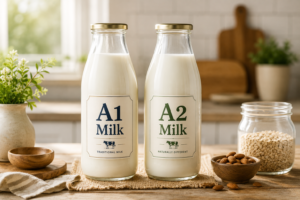
The most critical structural divergence lies within the underlying protein structures. Standard cow products contain A1 beta-casein, a specific molecule that frequently triggers systemic inflammation, skin rashes, and severe digestive distress in young children. In contrast, camel milk supplies an A2-like protein matrix that bypasses these allergic pathways entirely. Furthermore, it delivers a much higher density of natural iron and protective immunoglobulins. To understand how it specifically supports blood sugar management and neurological development, exploring our guide on camel milk benefits provides essential parental insights.
The FDA notes that milk and dairy products may affect individuals differently depending on allergies, intolerances, and overall dietary needs, and no single type of milk is considered universally superior for all health outcomes.
The Winner
For families navigating chronic inflammatory issues, digestive sensitivities, or blood sugar spikes, camel milk is the absolute healthiest choice. However, for a basic, budget-friendly liquid to use in everyday household recipes, standard pasteurized cow options remain the most practical staple.
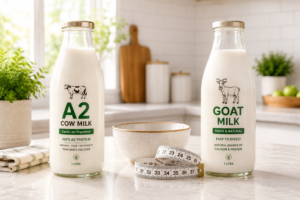
Camel Milk vs. Goat Milk: Digestibility and Taste
Both caprine and camel liquids serve as excellent functional alternatives to traditional dairy, yet they interact differently with the human palate and stomach.
Key Differences
Goat milk is famous for its exceptionally small fat globules, which allow human digestive enzymes to process the liquid relatively quickly. However, camel milk goes a step further by offering a much lower overall fat percentage and a higher concentration of natural insulin-like molecules.
The sensory experience also varies significantly between the two kitchen options. Goat fluids often carry a very distinct, earthy, and pungent odor that some children find difficult to drink. If you want to know exactly how the alternative options behave on the tongue, reading our breakdown on what does camel milk taste like will help you prepare your family’s breakfast expectations. Here is a breakdown of their main sensory and physical traits:
Flavor Profile: Camel milk is light, refreshing, and mildly salty, while goat milk has a rich, muskier finish.
Texture Body: Goat milk leaves a velvety, coating feeling on the tongue, whereas camel options mirror skimmed milk.
Immune Density: Camel milk contains far superior concentrations of natural lactoferrin to support everyday immunity.
The Winner
Camel milk takes the lead for households dealing with severe lactose malabsorption or weak immune defenses. Goat milk remains a great secondary choice if you prefer a richer texture for homemade yogurts.
According to USDA nutrition information, different milk types vary significantly in fat, protein, and mineral composition, which directly affects taste, texture, and digestibility across dairy options.
Raw Camel Milk vs. Pasteurized Camel Milk: Safety First
Understanding how raw farmhouse liquids differ from store-bought bottles is critical for keeping your home kitchen completely safe from foodborne illnesses.
Key Differences
Raw camel milk is a pure, unaltered liquid that retains all its native enzymes directly from the animal. However, because milking occurs in open farm environments, raw fluids can easily collect dangerous environmental pathogens like Brucella, Salmonella, or Campylobacter.
Pasteurization is a simple, low-heat thermal step that eliminates these biological hazards completely without damaging the core protein or calcium structures. To ensure your kitchen setup handles farm-fresh batches correctly, reading our comprehensive step-by-step instructions on how to pasteurize camel milk at home will keep your family perfectly secure.
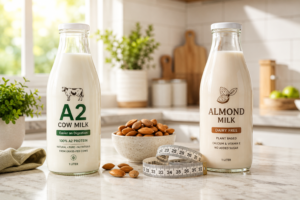
Camel Milk vs. Plant-Based Milk (Almond & Oat Milk)

Many modern households turn to plant or grain fluids to avoid traditional dairy components completely, but these options differ fundamentally from animal-foraged liquids.
Protein Bioavailability: Plant options like almond milk are incredibly thin and lack high-quality animal proteins, while camel milk naturally delivers a complete amino acid profile for muscle growth.
Structural Additives: Commercial grocery items like oat milk often rely heavily on added oils, thickeners, and synthetic emulsifiers to mimic real dairy. To see how grain macros operate, checking our guide on oat milk nutrition helps you identify hidden pantry sugars.
Immunological Properties: Plant-based alternatives are completely sterile regarding protective immunoglobulins or natural enzymes, serving purely as a basic source of calories rather than active immune support.
The FDA explains that nutrition labeling and ingredient information play an important role in helping consumers understand differences in protein content, added ingredients, and overall nutritional value across food and beverage products.
Final Verdict: Which Milk Should You Choose?
Navigating the dairy aisle does not have to be complicated. Use this simple household checklist to choose the perfect fluid for your family’s specific needs:
For Diabetes and Immune Support: Choose Camel Milk for its unique insulin-like proteins and protective immunoglobulins.
For Daily Budget Cooking: Choose Cow Milk to keep household grocery costs down when making everyday treats.
For Quick Digestion with Rich Flavor: Choose Goat Milk if your children enjoy a thicker texture.
For Absolute Childhood Food Safety: Choose Pasteurized Camel Milk to ensure every glass is entirely free from dangerous pathogens.
To make sure your selected bottles stay completely fresh and clean on your appliance shelves without spoiling early, reviewing our parent safety guide on how long does camel milk last ensures you manage your kitchen inventory flawlessly.
Why Trust Fooder Ghor?
At Fooder Ghor, we provide educational resources focused on understanding the safe use, handling, and storage of different types of milk, including breast milk, cow’s milk, goat milk, and raw milk, based on publicly available guidance from trusted sources such as the CDC, FDA, USDA, and AAP. Some milk-related articles, particularly those involving maternal and infant feeding topics, are reviewed for clarity and presentation by nursing students with academic training in maternal and child health to help make information easier to understand. This content is provided for learning purposes only and does not offer medical advice.
Frequently Asked Questions
A: Yes, it blends beautifully with almond or oat alternatives, adding a crisp, slightly salty undertone that cuts through heavy fruit sweetness.
A: Camels naturally produce far less liquid per day and require specialized farming environments, making the domestic supply quite limited.
A: No, it contains very low levels of whey proteins that resist heat curdling, allowing it to stay uniform during standard pasteurization.
Conclusion
In summary, evaluating camel milk vs. other milks shows that this desert-born beverage provides an exceptional balance of low-fat density, high vitamin C, and non-reactive proteins. While standard cow options win on affordability and goat milk offers a rich consistency, camel milk remains a premium choice for targeted wellness and allergy-sensitive homes. Always choose properly pasteurized options to enjoy these natural dietary advantages safely at every meal.
👉 If you’re also curious about food safety and freshness timelines, how long does raw milk last explains how long it stays safe under different storage conditions.