Skip to content

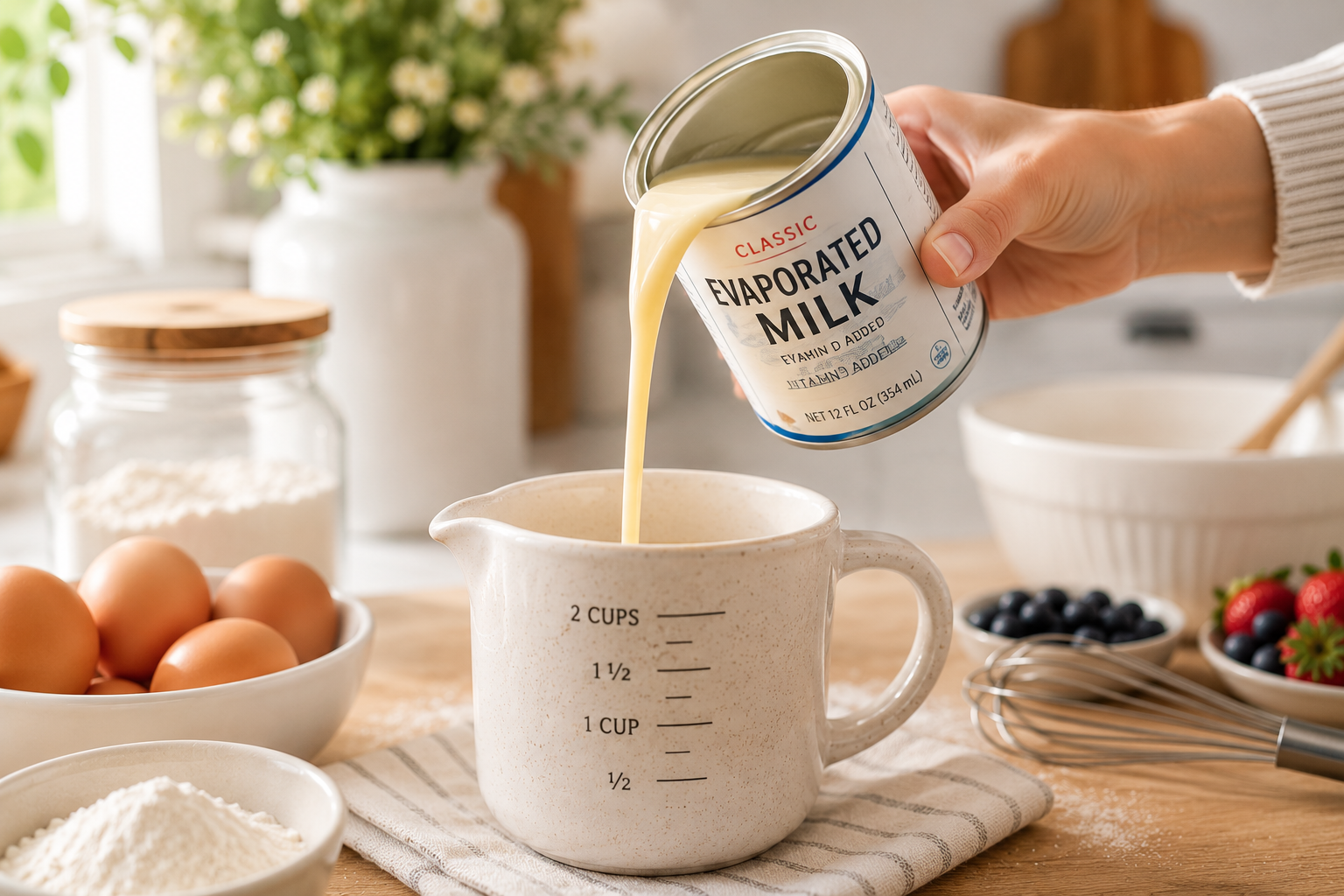
Introducing wholesome and nutritious ingredients into your family meals is a wonderful way to support your children’s development. Many modern parents want to understand the exact composition of the shelf-stable items sitting in their kitchen pantries. Standard baking and cold weather comfort foods often require unique dairy components to achieve a signature rich consistency. One highly recognizable tin canister that has remained a household staple for generations is concentrated cooking milk.
Understanding exactly what is evaporated milk empowers you to utilize this versatile grocery item safely in your daily cooking. This comprehensive manual breaks down its production, flavor characteristics, and home preparation methods so you can manage your kitchen confidently.
What You Will Learn in This Guide
The foundational definition and raw composition of this shelf-stable grocery item.
Simple methods to distinguish genuine dairy concentrates from filled plant alternatives.
Popular commercial varieties, including Carnation evaporated milk and fat-free options.
The explicit sensory taste profile and natural caramelization of canned milk.
The explicit sensory profile and natural color parameters of fresh canned concentrates.
👉 If you’re also interested in understanding when this concentrated dairy may not be suitable for everyone, read our complete guide on evaporated milk health side effects.
Quick Answer: What is Evaporated Milk?
Evaporated milk is a rich, unsweetened, shelf-stable canned dairy product made by simmering fresh cow’s milk until roughly 60% of its water content is removed. The resulting liquid features a dense texture and a concentrated nutrient profile that functions as a cream replacement in baking. Because it lacks added sugars, it delivers a deeply savory creaminess to family dinner recipes without altering flavor profiles.
👉 If you want to preserve leftover canned milk safely after opening, you can also read our guide on can you freeze evaporated milk to learn proper freezing and storage methods.
What is in Evaporated Milk? Decoding the Can
Commercial evaporated milk contains ONLY concentrated whole cow’s milk + vitamin D3 (fortified). NO added sugars, NO preservatives, NO artificial thickeners.
Ingredients list:
- Concentrated milk (60% water removed)
- Vitamin D3 (fortified, per USDA guidelines)
- NO added sugars
- NO chemical preservatives
- NO artificial thickeners
Why no preservatives needed:
High-heat sterilization process preserves the liquid naturally (USDA, 2023).
According to the USDA, commercial canned milks are heavily fortified with specific fat-soluble vitamins to ensure children receive proper nutritional support. This fortification helps replace any delicate micronutrients that might degrade slightly during high-temperature pantry packaging.
👉 For complete information on dairy content, allergens, and lactose-free options, read our detailed guide on is evaporated milk dairy free.
What is Carnation Evaporated Milk & What is in It?
Carnation evaporated milk is simply a popular commercial brand of shelf-stable evaporated milk made of concentrated cow’s milk with 60% of its water removed and fortified with Vitamin D3. It contains zero added sugars or chemical preservatives. In terms of visual appearance, Carnation evaporated milk has a soft ivory to light caramel color, which naturally occurs when natural dairy sugars undergo mild caramelization during factory heat processing.
Although Carnation evaporated milk is shelf-stable, it can still spoil if stored improperly or after opening. Learn the signs of spoilage in our guide on does evaporated milk go bad.
Fat-Free Evaporated Milk Color:
Fat-free or nonfat evaporated milk typically features a slightly lighter, paler ivory color with a translucent or subtle bluish-white tint compared to whole milk versions. Because the natural butterfat and cream are removed during processing, it lacks the deep, warm yellow undertone found in full-fat canned milk.
Does Evaporated Milk Taste Like Regular Milk?
No, evaporated milk does not taste like regular fresh milk; it tastes significantly richer, creamier, and has a cooked, subtle caramel-like flavor. Because over half of its water content is evaporated during heating, the natural dairy proteins and sugars become highly concentrated, giving it a much denser texture and caramelized taste than fresh fluid milk.
The rich flavor develops naturally during the slow heating process that removes most of the water. See our step-by-step guide on how to make evaporated milk to understand how this unique taste and texture are created at home.
What Color is Evaporated Milk? Visual Quality Checks

Fresh evaporated milk is creamy white, soft ivory, or light caramel color (natural from Maillard browning during heating).
Color breakdown:
- Normal colors: Creamy white, soft ivory, light caramel
- Why caramel color: Natural dairy sugars caramelize during factory heating (Maillard browning)
- Should look: Uniform, smooth, no separation
- BAD signs: Dark yellow separation, solid clumps, gray discoloration
When to discard:
If you spot extreme discoloration or large dense curdles inside a newly opened canister, discard immediately.
According to the U.S. Department of Agriculture (USDA), consumers should inspect canned dairy products for unusual discoloration, separation, or curdling before use, as visual changes may indicate spoilage or improper storage conditions.
👉 For families handling alternative concentrated ingredients for baking, you can read our diagnostic report on what is condensed coconut milk to compare colors.
What is Canned Evaporated Milk VS Filled Varieties?
Canned evaporated milk is pure fresh cow’s milk that has had 60% of its water removed, preserving all its natural dairy fat and nutrients. In contrast, filled evaporated milk is a modified variation where the natural dairy cream is completely removed and replaced with cheap vegetable oils (like palm or coconut oil).
While genuine evaporated milk uses whole animal dairy to deliver rich flavor and clean fats, filled varieties alter the nutrient profile with processed vegetable fats to lower manufacturing costs. Checking the label ensures you select pure dairy over vegetable oil blends.
According to the U.S. Food and Drug Administration (FDA), ingredient lists and food labeling standards help consumers distinguish between traditional dairy products and modified formulations containing alternative oils or added ingredients.
👉 If you are storing different canned milk products at home, you can also read our guide on how long can evaporated milk last to understand shelf life and safe pantry storage practices.
What Does Evaporated Milk Taste Like? Sensory Profiles
Evaporated milk tastes intensely creamy, mildly sweet, cooked/milky with subtle caramel undertone (NO added sugars).
Taste profile:
- Creaminess: Intensely creamy (dense texture from water removal)
- Sweetness: Mildly sweet (natural dairy sugars, NO added sugars)
- Flavor: Cooked/milky with subtle caramel undertone
- Mouthfeel: Smooth, velvety
- Why caramel: Natural dairy sugars caramelize during heating (Maillard browning)
Best uses:
- Baking (pies, cakes, cookies)
- Soups (creamy texture)
- Casseroles (rich consistency)
- Coffee/tea (cream replacement)
According to the U.S. Department of Agriculture (USDA), heat processing and moisture reduction significantly alter the texture, flavor, and concentration of dairy products used in cooking and food manufacturing.
👉 To understand how these specific rich notes compare to standard raw dairy options from the farm, check out our complete comparative analysis on difference between goat milk and cow milk.
Why Trust Fooder Ghor?
At Fooder Ghor, we provide educational resources focused on understanding the safe use, handling, and storage of different types of milk, including breast milk, cow’s milk, goat milk, and raw milk, based on publicly available guidance from trusted sources such as the CDC, FDA, USDA, and AAP. Some milk-related articles, particularly those involving maternal and infant feeding topics, are reviewed for clarity and presentation by nursing students with academic training in maternal and child health to help make information easier to understand. This content is provided for learning purposes only and does not offer medical advice.
Most Common Frequently Asked Questions
No, standard milk contains too much water, which will make your cake batters watery and prevent custards from setting properly. Always use the concentrated version or reduce regular milk by half before baking.
No, standard evaporated milk contains concentrated lactose. For complete lactose-free options and safer alternatives, read our detailed guide on is evaporated milk lactose free.
A natural skin forms when milk proteins dry out during the warm stovetop simmering process. Simply skim the layer off with a clean spoon or pass the liquid through a fine strainer before use.
No, you should never freeze liquids inside sealed metal cans because the liquid expands and can cause the seams to burst. Transfer leftovers into a clean, freezer-safe plastic container instead.
For detailed freezing guide and texture fixes, read our complete guide on can you freeze evaporated milk.
For complete information on gluten content and allergen safety, read our detailed guide on is evaporated milk gluten free.
IMPORTANT PARENTING NOTE:
Evaporated milk should NOT be used as a breast milk or formula substitute for infants under 12 months. The American Academy of Pediatrics (AAP) recommends only breast milk or infant formula for babies under 1 year. Evaporated milk lacks essential nutrients (iron, vitamin C) for infant growth and development.
Conclusion
Mastering the use of evaporated milk is a wonderful, stress-free way for parents to elevate the quality of their daily household meals. This rich, unsweetened concentrate provides an excellent source of dairy lipids and essential vitamins without introducing unnecessary processed sugars into your child’s diet. Whether you choose to stock your dark pantry with convenient retail canisters or enjoy the simple process of reducing regular liquid milk on your stovetop, you hold absolute authority over your kitchen components. Keep your workspace organized, check ingredient labels closely, and continue fostering a comfortable, healthy culinary environment for your loved ones.
👉 If you are also managing fresh dairy products at home, you can read our guide on how long does fresh cow milk last to understand proper refrigeration and safe storage timelines.