Skip to content
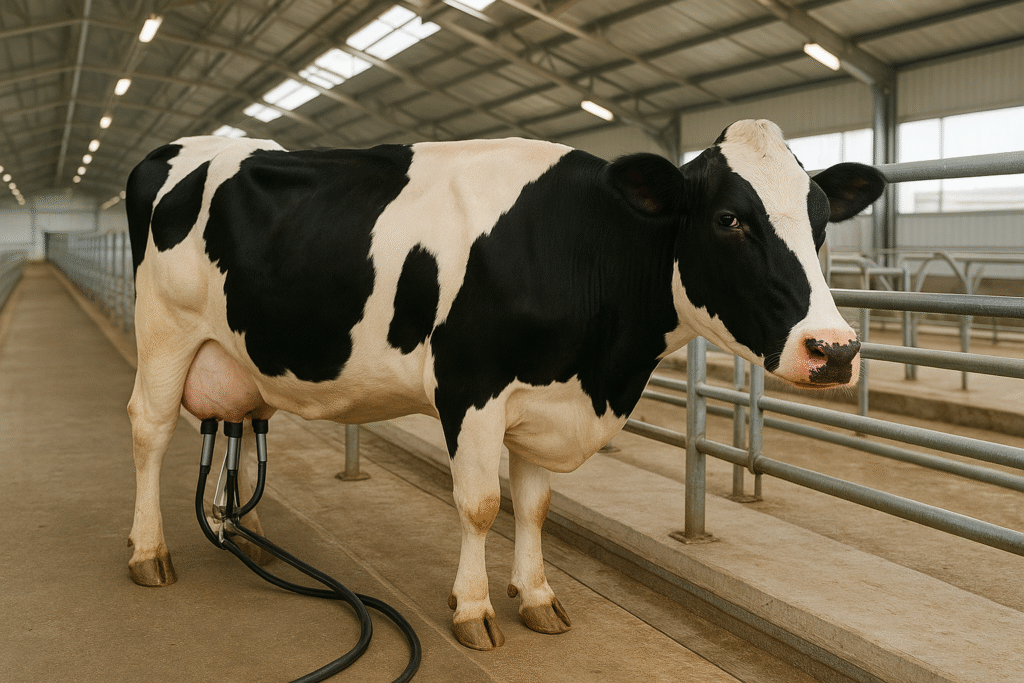
Many U.S. parents often wonder: Do cows produce milk all the time to keep up with the high demand in grocery stores? The short answer is no. Milk production follows a natural biological cycle and understanding this cycle can help parents make informed choices about the dairy products they consume. For families in the United States, knowing why a cow does not produce milk continuously helps build trust in the natural farming process. In this guide, we will answer questions like do dairy cows always produce milk and explore why the lactation cycle is vital for animal welfare.
Quick Takeaways for Busy Parents
-
The Lactation Truth: Most dairy cows are milked for 305 days. This is followed by a 60 day rest phase.
-
Pregnancy Role: Birth triggers the essential hormones needed to start lactation.
-
Supply and Demand: Regular milking maintains the flow, but volume naturally drops as the rest period nears.
-
Welfare Standards: Modern U.S. farms prioritize cow comfort. This ensures your family gets high quality, ethical milk.
-
No Constant Flow: Individual cows do not produce milk 365 days a year. They need time to recover for their next calf.
Why Cows Do Not Produce Milk Constantly
Even the highest yielding dairy breeds do not produce milk continuously throughout the year. Their milk supply is strictly tied to lactation cycles which are influenced by pregnancy, calving, and resting periods.
Do Dairy Cows Constantly Produce Milk?
Parents often ask, do dairy cows constantly produce milk throughout their entire lives? The answer is no. A cow’s body needs time to recover and prepare for her next calf. This recovery phase is known as the dry period. Typically lasting around 60 days, this resting phase is necessary for the cow’s health and to ensure high quality milk for the next cycle. Without this break, the cow would become exhausted and her milk quality would decline.
Do All Cows Produce Milk All The Time?

It is important to understand that not every cow on a farm is currently producing milk. Many parents ask, do all cows produce milk all the time regardless of their age or breed?
-
Not All Cows: Only female cows produce milk during their active lactation phase which begins after birth.
-
Gender Difference: Male cattle do not produce milk. To understand more about the anatomy and why this is limited to females, check our guide on can male cows produce milk?
-
Dairy vs Beef: Only dairy breeds are selectively bred for high yields. Other cows, like beef breeds, produce only enough for their calves.
Deep Dive: How Cows Maintain Production During Lactation

When comparing breeds, parents often ask if specific types like Jersey cows or Holstein cows follow different rules. While Jersey cows produce milk throughout their lactation window, they still require the same biological rest as any other breed.
-
Holsteins: Known for higher volume and year round consistency during lactation.
-
Jerseys: Known for richer, creamier milk with high butterfat content.
-
The Universal Rule: Both breeds must have a calf to trigger the initial hormones, as explained in our detailed guide on do cows have to be pregnant to produce milk?
Helpful Factors That Influence Daily Milk Yield
Parents who want to know does a dairy cow always produce milk at the same rate will find that several factors influence the daily output:
-
Diet and Nutrition: High quality feed directly impacts how much milk a cow gives.
-
Health and Comfort: Modern U.S. dairy farms use fans and misting to keep cows stress free.
-
Milking Routine: Consistency helps maintain the supply, but it cannot prevent the natural decline at the end of the cycle.
👉 For research on these cycles, you can explore the USDA Animal and Plant Health Inspection Service resources which detail farm management standards.
Addressing Misconceptions: Do Cows Naturally Produce Milk All The Year?
A common misunderstanding is that cows just “have” milk naturally without breaks. Do cows naturally produce milk all the time without human intervention? No. In nature, a cow only produces milk to feed her calf. In dairy farming, we use that same biological process but extend it through regular milking schedules while following FDA and USDA safety guidelines to ensure the animal remains healthy.
Parent’s Perspective: What We Learned from Forums
Many U.S. moms on parenting threads were surprised to learn that a cow is not milked for 2 months every year. One mom shared that she always thought do dairy cows always produce milk because they were special breeds. Learning about the mandatory dry period helped her appreciate the animal welfare standards followed by local farmers. This transparency is vital for parents who want to know the “why” behind their family’s food.
Common Frequently Asked Questions
A: No. While a farm might have milk year round because different cows calve at different times, an individual cow needs a 60 day rest period every year.
A: Yes. A cow can be pregnant while she is still being milked from her previous cycle. However, she is always stopped 60 days before she gives birth again.
A: Yes. All milk is tested for safety. The Centers for Disease Control and Prevention (CDC) and the FDA ensure that only high quality milk reaches your home.
A: If you are looking beyond cow milk, see our breakdown of goat milk vs cow milk or learn about shelf stable options in our guide on how long does sweetened condensed milk last?
A: Dairy farms manage a diverse herd where different cows are at different stages of their lactation cycle. This scheduling allows for a steady milk supply for grocery stores without forcing individual cows to produce milk continuously.
A: Yes. Younger cows may produce slightly less during their very first lactation. As the cow matures after her first calving, her production levels typically become more stable and consistent throughout her cycles.
A: Regular milking is essential to maintain the milk flow during the active lactation window. However, increased frequency cannot eliminate the biological need for a natural rest period before the next cycle begins.
A: During their active lactation phase, cows require consistent milking for their physical comfort. This is why modern farms follow strict schedules and only stop milking during the planned 60 day dry period to allow for recovery.
Why Trust Fooder Ghor?
At Fooder Ghor, we understand the unique pressures of U.S. parenting in 2026. That is why our guides are built on the latest CDC, USDA, and FDA clinical and safety protocols. We don’t just provide advice; we offer science backed reassurance by reviewing every article for medical accuracy and semantic relevance. Our mission is to ensure you get the most up to date, evidence based information so you can feed your baby and family with confidence.
Conclusion
Understanding that cows do not produce milk all the time clarifies how lactation cycles and dry periods are crucial for both cow health and milk quality. Whether you are buying milk for a toddler or a growing family, knowing the production process is natural and regulated helps you stay an informed and confident parent.