Skip to content
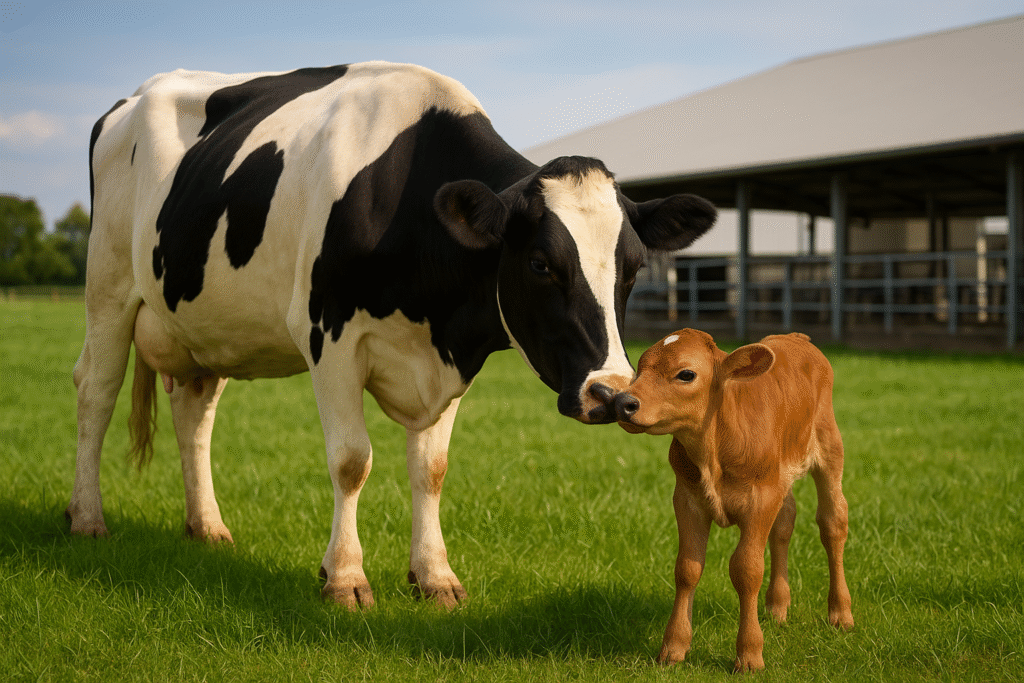
U.S. parents who want to understand where their family’s milk comes from often ask a simple but important question: Do cows have to be pregnant to produce milk for your household? The short and accurate answer is yes. Pregnancy and calving are the biological triggers that start a cow’s lactation cycle. As parents make food choices for their children every day, understanding how milk is produced builds confidence and trust in dairy products served at home. In this complete parent friendly guide, you will learn why cows must be pregnant at the start, how milk production continues afterward, and why modern dairy farms follow natural cycles designed around health, comfort, and safety.
Quick Takeaways for Busy Parents
-
All mammals including dairy cows must give birth to start producing milk.
-
Pregnancy hormones prepare the udder but calving initiates the actual flow.
-
A typical milking period lasts about 10 months followed by a necessary rest phase.
-
A cow does not need to be constantly pregnant because regular milking maintains the supply.
Why Do Cows Have To Be Pregnant To Produce Milk?

Milk production in all mammals begins with reproduction. Humans, goats, sheep, and dairy cows follow the same biological rule. A cow’s body needs pregnancy related hormones to prepare the mammary glands for milk production. After the birth of a calf, the lactation process begins naturally.
The Hormonal Process Explained Simply
-
Hormone Surge: Pregnancy increases hormones such as progesterone and prolactin.
-
Preparation: These hormones prepare the udder for milk production.
-
The Shift: After calving, prolactin and oxytocin rise to stimulate milk let down.
-
Colostrum First: The cow produces colostrum first followed by mature milk.
Without pregnancy and calving, a cow cannot begin producing milk. This system is identical to human breastfeeding biology.
Understanding the biological shift in a cow’s body is key to knowing her production habits. To see how these hormones affect a cow’s daily output, check our guide on do cows produce milk all the time for a complete timeline of dairy production.
Do Dairy Cows Have To Be Pregnant To Produce Milk?
Yes. When parents ask, “do dairy cows have to be pregnant to produce milk?”, the answer remains a firm yes. Dairy cows rely on the same biological process as any other mammal. While dairy breeds like Jersey cows or Holstein cows are selected for higher milk output, pregnancy is still required to start each lactation cycle. Once the calf is born, the cow enters the milking phase. Regular milking then maintains the milk supply for many months.
It is important to remember that this process is specific to female cattle. If you are curious whether male dairy breeds can also lactate, visit our detailed article on can male cows produce milk to understand the anatomical differences.
How Long Do Cows Continue Producing Milk After Calving?
This process is known as the lactation cycle, and it usually lasts around ten months.
-
Peak Flow: Milk production peaks during the first one to two months.
-
Gradual Decrease: Output slowly decreases over time as the calf would naturally grow older.
-
The Dry Period: After about ten months, cows enter a rest phase called the dry period.
The dry period allows the udder tissue to recover and prepares the cow for the next healthy milk cycle. Maintaining healthy cows is the first step toward high quality nutrition. The Centers for Disease Control and Prevention (CDC) provides resources for parents to understand the importance of pasteurized dairy in preventing foodborne illnesses within the family.
Understanding The Lactation Cycle In Dairy Farming
Many parents assume cows are kept pregnant constantly. That is not true. In reality, cows are not pregnant during most of the milking period. A typical dairy cycle includes calving, followed by milk production for seven to nine months, and finally a dry period of about two months. During the dry period, the cow is usually pregnant with her next calf, which prepares her body for the following lactation cycle. This natural rhythm supports animal health and long term milk quality.
Do Milk Cows Have To Be Pregnant To Produce Milk?
Parents sometimes wonder if milk cows are different from dairy cows. They are not. Do milk cows have to be pregnant to produce milk? Yes. Milk cows and dairy cows are the same animals described using different terms.
-
Dairy Cows: Selected for milk production.
-
Beef Cows: Selected for meat.
-
The Universal Rule: Both must calve to start producing milk.
Addressing A Common Misconception About Pregnancy And Milk
A widespread misunderstanding is that cows only produce milk if they are kept pregnant all the time. That is incorrect. A cow needs pregnancy to begin milk production, but once lactation starts, regular milking maintains the supply. This is why a cow can produce milk for seven to nine months while not pregnant at all. Parents often compare this to breastfeeding; once lactation begins, regular feeding or pumping maintains milk production.
Do Cows Produce Milk Without Being Pregnant?

Parents often ask, do cows produce milk without being pregnant? A cow cannot begin producing milk without pregnancy and calving at least once. However, after calving, she can continue producing milk for many months without being pregnant. This explains how cows produce milk when not pregnant during most of the milking period.
Parent’s Perspective: What Others Are Saying
Many parents on parenting forums mention they were surprised to learn that cows are milked for months without being pregnant. One U.S. mom shared on a popular dairy education thread that understanding the lactation cycle helped her feel more comfortable buying milk for her kids. This sentiment is common among families who value transparency in how their food is produced.
Parent’s Guide To Ethical Dairy Practices
Many U.S. parents care deeply about animal welfare. Modern dairy farms follow science based standards to protect cow health, comfort, and safety.
-
Clean Housing: To prevent infections and ensure comfort.
-
Veterinary Oversight: Constant monitoring of reproductive health.
-
Balanced Nutrition: High quality feed to support milk quality.
-
Rest Periods: Ensuring the dry phase is respected for animal recovery.
👉 Parents who are concerned about dairy safety standards can review the U.S. Food and Drug Administration (FDA) guidelines on milk safety and farm health requirements. This ensures the milk reaching your table is both ethical and safe for your children.
The Misconception: Do Cow Need To Be Pregnant To Produce Milk?
Many parents search this question using different wording. Do cow need to be pregnant to produce milk? The answer remains the same. Pregnancy and calving start the process while regular milking maintains it afterward. For deeper academic insight, parents can explore research from the USDA Animal and Plant Health Inspection Service which explain lactation biology and dairy safety in detail.
Common Frequently Asked Questions
A: Yes. Each new lactation cycle begins with a pregnancy and calving.
A: No. After calving, cows produce milk for many months without being currently pregnant.
A: No. Pregnancy starts the process, but regular milking maintains it afterward.
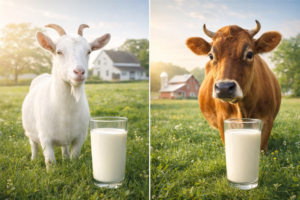
A: No. Whether it is a Jersey or a Holstein, the biological need for pregnancy is identical. While breeds vary, the nutrition is what matters most. See our breakdown of goat milk vs cow milk to compare these two popular dairy options for your kids.
A. Most dairy farms follow a yearly breeding cycle. After calving, cows are bred again so the next lactation cycle begins naturally.
A: Most cows produce milk for around ten months before the dry period.
A: No. A cow cannot start a new milk supply without a recent calving event. While regular milking maintains an existing supply, birth-related hormones are essential to trigger and reset the lactation cycle.
A: Yes. During lactation, a cow’s udder can become heavy and uncomfortable if not milked regularly. Modern dairy farms use consistent schedules to ensure cow comfort and prevent physical distress.
A: In general, the nutritional quality of milk remains consistent. However, as pregnancy progresses, the cow directs more energy to the growing calf. This is why the dry period or rest phase is vital for cow health.
A: U.S. dairy regulations require that milk from sick cows be separated and discarded. Only milk from healthy cows that meet FDA and USDA safety standards is allowed into the food supply.
Why Trust Fooder Ghor?
At Fooder Ghor, we understand the unique pressures of U.S. parenting in 2026. That is why our guides are built on the latest CDC, USDA, and FDA clinical and safety protocols. We don’t just provide advice; we offer science-backed reassurance by reviewing every article for medical accuracy and semantic relevance. Our mission is to ensure you get the most up-to-date, evidence-based information so you can feed your baby and family with confidence.
Conclusion
Parents who want clear and trustworthy information about dairy can feel confident understanding the biology behind milk production. Do cows have to be pregnant to produce milk at the beginning of each cycle is a fundamental truth of mammalian biology. Once the calf is born, regular milking keeps the milk flowing for many months. With responsible farming practices and science based guidelines, families across the United States can trust the dairy products they serve at home.