 Skip to content


Many consumers in the United States choose alternative dairy products to achieve better digestive comfort and overall wellness. A2 milk contains only A2 beta-casein protein (not A1) but still contains all other dairy proteins and components like whey proteins, lactose, and fat. However, even the healthiest food choices can cause unexpected reactions under specific health circumstances or when consumed excessively.
Understanding who should be careful with this beverage ensures that your family stays safe and well nourished. Recognizing these hidden dietary risks is essential before making any major changes to your family kitchen routines. If you want to check how long it stays fresh in your kitchen before exploring these risks, read our guide on how long does a2 milk last.
Short Summary
-
Infant Vulnerability: Direct consumption can strain the underdeveloped digestive tract of babies under one year old.
-
Lactose Presence: Contains standard amounts of milk sugar which triggers severe symptoms in lactose intolerant individuals.
-
Pregnancy Hazard: Unpasteurized versions present dangerous bacterial risks that can severely impact maternal health.
-
Allergy Triggers: Will still cause severe adverse reactions in individuals diagnosed with a true cow milk allergy.
-
Caloric Surplus: Rich texture adds significant calories to everyday recipes which might hinder weight loss progress.
If you want to know more information about the potential health effects and dietary considerations of soy milk, check out Soy Milk Side Effects for a detailed guide.
1. A2 Milk Side Effects for Babies & Toddlers
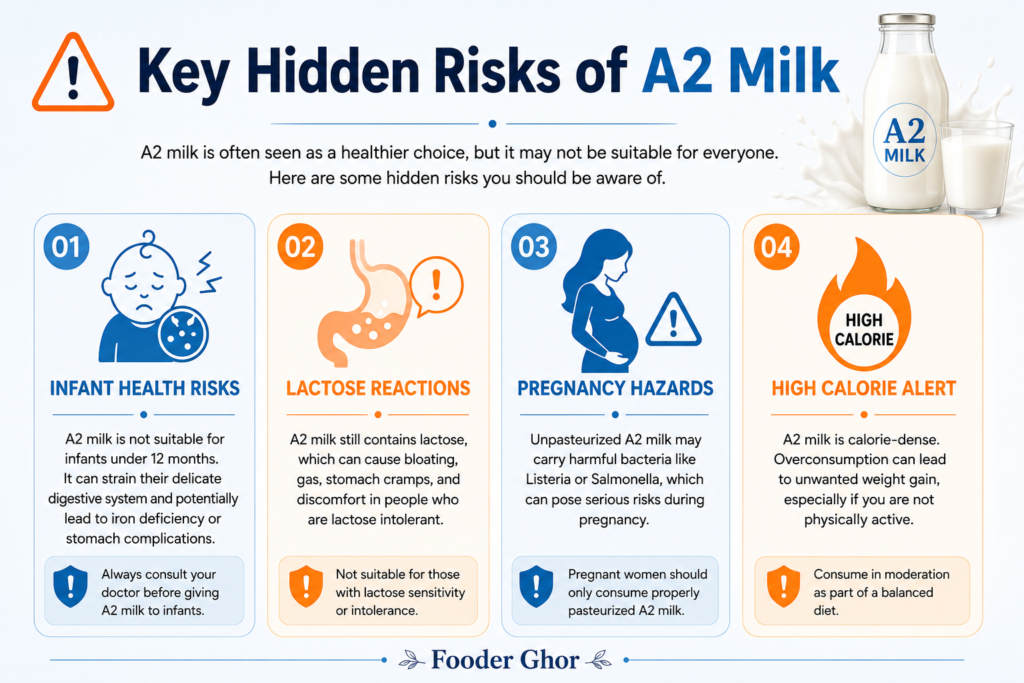
Directly introducing this beverage to infants under twelve months old can cause nutritional inadequacy, including potential iron deficiency, as cow milk lacks essential nutrients needed for infant development and is too high in certain minerals like sodium and protein for immature kidneys. Mother milk remains the only optimal nutrition source during the crucial first year of development.
In everyday cooking, many families use this because they assume the gentle protein structure is safe for young infants. That said, the high concentration of minerals (especially sodium) and proteins in animal milk can stress underdeveloped newborn kidneys, which cannot efficiently regulate mineral and protein metabolism in the first year of life. For older toddlers over one year old, drinking excessive amounts instead of eating solid foods frequently causes severe constipation. Parents should always prioritize balanced solid meals alongside restricted dairy intake to keep toddler bowel movements completely regular.
Once children are old enough to drink cow’s milk, many families choose A2 milk for its nutritional value and digestive comfort. Explore our A2 Milk Health Benefits guide to learn more about its health benefits and everyday uses.
2. A2 Milk side effects for Babies Breastfeeding: A Misconception?
Many nursing mothers believe that drinking more dairy will automatically increase breast milk supply. However, current evidence does not show that consuming more cow’s milk directly increases milk production. Breast milk supply is influenced primarily by frequent and effective breastfeeding or pumping, along with adequate nutrition and hydration. Mothers who experience discomfort after drinking dairy should discuss their symptoms with a healthcare professional rather than assuming dairy is the cause.
CDC guidance suggests that breastfeeding mothers should eat a balanced diet, stay well hydrated, and continue breastfeeding frequently, as no single food or beverage has been proven to directly increase breast milk production.
Whether you’re breastfeeding or preparing milk for your family, proper storage helps keep A2 milk fresh. Explore our How to Store A2 Milk guide for safe refrigeration and everyday storage tips.
3. A2 Milk Side Effects in Pregnancy
Consuming raw or unpasteurized versions during pregnancy introduces a severe risk of contracting dangerous foodborne illnesses. Expectant mothers must completely avoid any unpasteurized dairy products to protect their developing fetus.
The FDA states that raw milk can carry harmful bacteria like Listeria monocytogenes which pose severe risks to pregnant women. A listeria infection can cross the placental barrier, potentially leading to miscarriage, stillbirth, or severe newborn illnesses. To ensure complete safety, expectant mothers must always purchase certified pasteurized versions that have undergone proper heat treatment. If you are also managing infant feeding safety in your kitchen, you can check our guidelines on how to freeze breast milk flat.
4. A2 Milk Side Effects for Lactose Intolerance
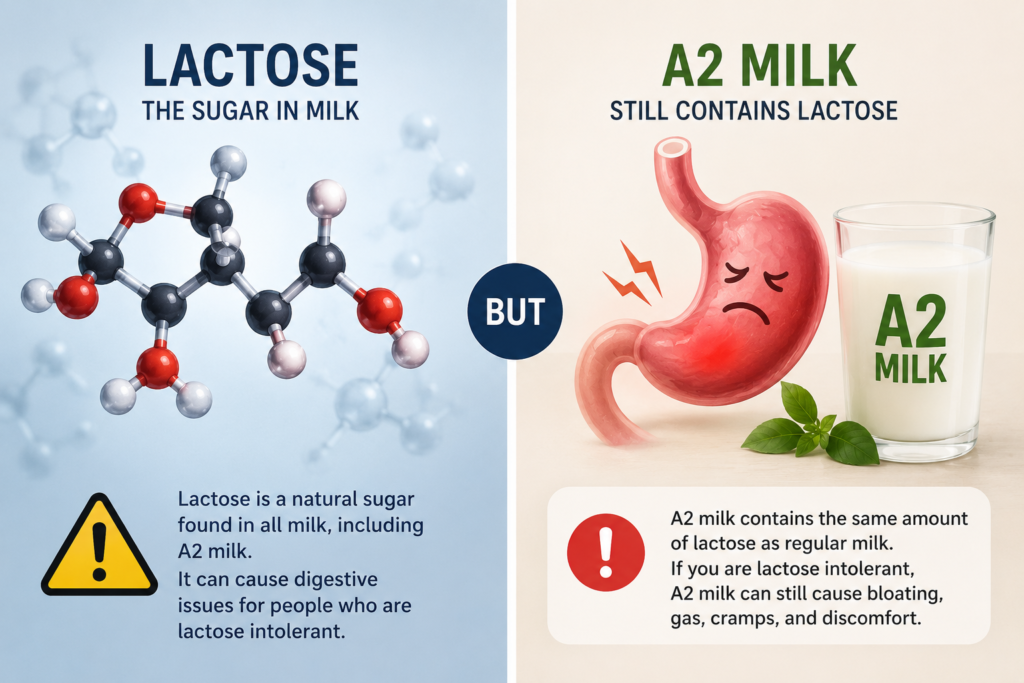
Assuming this beverage is entirely lactose free is one of the most common mistakes consumers make today. The unique distinction of this dairy product relates exclusively to its protein profile rather than its carbohydrate content.
| Nutrient Component | Standard A1 Milk | Pure A2 Milk | Effect on Lactose Intolerance |
| Milk Sugar (Lactose) | Standard Level | Standard Level | Triggers digestive symptoms |
| Beta-Casein Protein | A1 and A2 Varieties | A2 Variety Only | Determines protein sensitivity |
| Severe Intolerance Reaction | Bloating and Gas | Bloating and Gas | High risk of discomfort |
Individuals suffering from severe lactose intolerance will experience diarrhea, stomach cramps, and flatulence after drinking this product. The body still requires the lactase enzyme to break down the naturally occurring sugars present inside the liquid. For those with confirmed enzyme deficiencies, choosing plant alternatives or lactase enzymes is necessary to prevent discomfort. If you want to review the basic nutritional components of standard dairy, see our guide on a2 milk nutrition facts.
5. A2 Milk Side Effects for Diabetics
Consuming large quantities of this beverage can cause sudden blood glucose spikes if it is not monitored properly. Diabetics must manage their portion sizes carefully to maintain stable insulin levels throughout the day.
While the natural protein content helps slow down sugar absorption, the beverage still contains significant amounts of lactose. Drinking large portions right before bedtime or adding sweeteners like honey will rapidly elevate blood sugar levels overnight. In most households, managing diabetes requires tracking every single liquid carbohydrate source to prevent long term vascular complications. Keeping daily intake moderate and pairing it with high fiber foods helps maintain optimal glycemic control.
CDC guidance suggests that people with diabetes should monitor their carbohydrate intake and choose nutrient-dense foods and beverages as part of an overall healthy eating plan to help manage blood glucose levels.
For people managing diabetes, drinking fresh, properly refrigerated milk is also important. Read our complete How Long Does A2 Milk Last guide to learn how long A2 milk stays fresh, proper refrigeration practices, and when it should be discarded.
6. A2 Milk Side Effects for Cholesterol and Heart Health
Drinking whole-fat A2 milk in large amounts may increase your intake of saturated fat. For individuals with high cholesterol or existing cardiovascular disease, choosing low-fat or fat-free A2 milk may be a more appropriate option as part of a heart-healthy eating pattern.
Whole-fat dairy naturally contains saturated fat, which should be consumed in moderation. While A2 milk differs from regular milk in its beta-casein protein, its saturated fat content depends on the fat level (whole, reduced-fat, or skim), not the A2 protein itself.
For people managing heart health, selecting lower-fat dairy products and maintaining an overall balanced diet are generally more important than choosing between A1 and A2 proteins alone.
According to the Dietary Guidelines for Americans, replacing saturated fats with unsaturated fats and limiting saturated fat intake to less than 10% of daily calories can support heart health as part of a healthy dietary pattern.
For people aiming to support both heart health and a healthy body weight, explore our A2 Milk Benefits for Weight Loss guide to see how A2 milk can fit into a balanced eating plan.
7. A2 Milk Risks for Cow’s Milk Allergy (Immune Response)
This beverage will still cause severe allergic reactions, skin rashes, and vomiting if the consumer has a true cow milk allergy. It is critical to differentiate between a simple protein sensitivity and a systemic immune system response.
A true cow milk allergy is triggered by multiple proteins in dairy, not just the specific A1 beta casein variant. When an allergic individual drinks this beverage, their immune system identifies the dairy components as dangerous invaders and releases histamines. This response results in immediate gastrointestinal distress, hives, or respiratory issues that require urgent medical attention. For general safety timelines regarding regular dairy variants, you can read our informational guide on how long does fresh cows milk last.
8. A2 Milk Risks in Cooking: High Calorie Alert
Using this rich dairy product as a base for daily cooking significantly increases the total calorie density of your meals. The creamy texture enhances recipe flavors but can easily disrupt strict weight management plans.
In everyday cooking, utilizing full fat dairy in soups, desserts, and sauces adds hidden fats that accumulate quickly. For individuals following a strict calorie deficit, these rich meals can unintentionally cause weight gain over time. Another reason people experience diet setbacks is failing to measure the liquid portions added during food preparation. Switching to lighter plant options or restricting usage helps preserve your fitness goals. To understand structural differences between standard options, review our article on what is a1 milk vs a2 milk.
9. A2 Milk and Acid Reflux (GERD Triggers)
Consuming whole-fat A2 milk can trigger or worsen symptoms of Gastroesophageal Reflux Disease (GERD) and acid reflux in sensitive individuals. The saturated fat content in full-cream dairy slows down gastric emptying and relaxes the lower esophageal sphincter (LES). This relaxation allows stomach acid to flow upward into the esophagus, causing uncomfortable heartburn, chest tightness, and sour regurgitation after meals. Choosing low-fat dairy or limiting portion sizes helps reduce esophageal acid exposure.
For more information about the potential digestive and dietary concerns associated with evaporated milk, check out Evaporated Milk Side Effects for a detailed guide.
10. Kidney Stone Risks from Excessive Calcium and Protein
While the calcium and phosphorus in A2 milk support bone health, excessive daily consumption can increase the risk of kidney stone formation in susceptible individuals. According to the National Institute of Diabetes and Digestive and Kidney Diseases (NIDDK), consuming extremely high levels of dietary calcium and animal protein can elevate urinary calcium levels (hypercalciuria). Over time, this excess calcium can combine with oxalates or phosphate in the kidneys to form painful renal stones.
If you are also comparing dairy with plant-based alternatives, Almond Milk Side Effects covers potential concerns, nutritional limitations, and precautions to consider.
Why Trust Fooder Ghor?
At Fooder Ghor, we provide comprehensive, research-backed educational resources on all types of milk including breast milk, dairy (cow, goat, camel, sheep, buffalo), and plant-based alternatives (oat, soy, almond). Our guides cover everything from nutrition, taste, and health benefits to proper storage, shelf life, and safety handling, aligned with official guidance from the CDC, FDA, USDA, and AAP. To maintain the highest standards of scientific accuracy, this article has been medically reviewed by a Public Health Expert (MPH). This content is for educational purposes only and does not substitute for professional medical advice.
Frequently Asked Questions
Yes, it can potentially cause acne breakouts because it still contains natural growth hormones that stimulate sebum production in skin cells. Individuals highly sensitive to dairy products often experience skin blemishes regardless of the specific protein structure.
No, individuals with severe lactose intolerance cannot drink it safely because it contains the exact same amount of lactose as standard milk. It only benefits people who suffer specifically from A1 protein digestive sensitivity.
No, raw unpasteurized versions are absolutely unsafe during pregnancy due to the risk of severe bacterial contamination. Expectant mothers must always choose pasteurized products to protect their health and ensure fetal safety.
It causes gas because the consumer might have a mild case of lactose intolerance or a distinct allergy to other dairy components. The absence of the A1 protein does not eliminate other common digestive triggers.
Conclusion
In simple terms, consuming this beverage yields excellent health benefits for most people, but specific a2 milk side effects can still emerge depending on your personal medical history. From infant digestive strain to severe allergic reactions and blood sugar spikes, specific vulnerable groups must exercise caution before incorporating it into their daily routines. Recognizing your unique bodily limits allows you to enjoy dairy products safely without compromising your long term health goals.
To learn more about how this specialty dairy product affects your skin vitality, read our dedicated article on a2 milk benefits for skin.
For a closer look at the potential risks and precautions associated with goat milk, see Goat Milk Side Effects for practical guidance.











