Skip to content
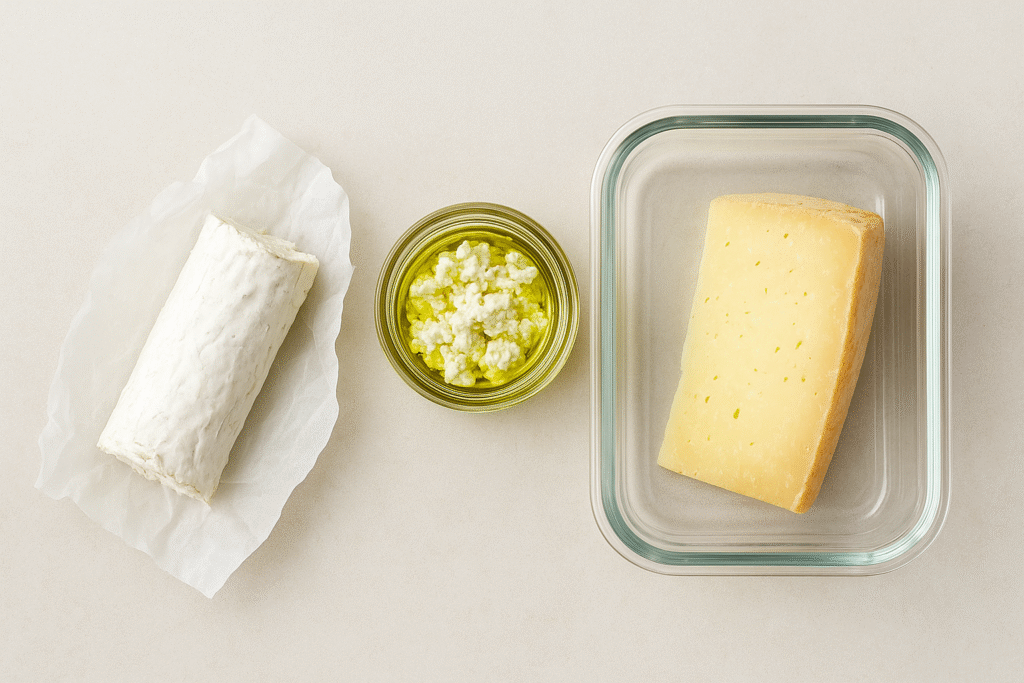
Keeping Your Goat Cheese Fresh and Flavorful
Learning how to store goat cheese properly is the key to maintaining its signature creamy texture and tangy flavor for as long as possible. Unlike many aged cow’s milk cheeses, goat cheese (chèvre) is notoriously delicate due to its high moisture content, which makes it prone to drying out or absorbing unwanted fridge odors if not handled correctly.
Whether you have just picked up a fresh log from the market or have leftovers from a store-bought pack, understanding the best wrapping and containment methods will help you extend its shelf life. This guide focuses on the specific packaging techniques—from parchment paper to oil preservation—that ensure your cheese remains safe and delicious without any waste.
Quick Summary: Best Ways to Store Goat Cheese
-
Ditch the Plastic: Always wrap soft goat cheese in parchment or wax paper first; tight plastic wrap can trap gases and cause a sour ammonia smell.
-
Airtight Seal: After wrapping in paper, place the cheese in a glass jar or airtight container to prevent it from absorbing fridge odors like onions or garlic.
-
Ideal Temperature: Store in the vegetable crisper drawer where the temperature (approx. 39°F) and humidity remain most consistent.
-
Advanced Methods: For longer freshness and enhanced flavor, consider marinating crumbles in olive oil or using a light brine for aged varieties.
-
Hygiene First: Always use clean utensils and avoid double-dipping to prevent bacterial cross-contamination.
How to Store Goat Cheese Properly: Visual Storage Best Practices

This visual guide highlights practical goat cheese storage techniques to help maintain goat cheese freshness, texture, and flavor during everyday refrigeration.
1. Understanding the Types of Goat Cheese
Goat cheese comes in several forms — fresh, aged, or flavored — and each type needs slightly different care:
- Fresh goat cheese (chèvre logs or crumbles) – High in moisture; best refrigerated and consumed within 1–2 weeks.
- Aged goat cheese (semi-hard or hard) – Lasts longer; can stay fresh up to 6 weeks when properly wrapped.
- Flavored or marinated goat cheese – Store in oil or airtight jars to maintain freshness and taste.
The storage process always depends on moisture content, not just the packaging date.
2. Best Practices for Storing Goat Cheese in the Fridge
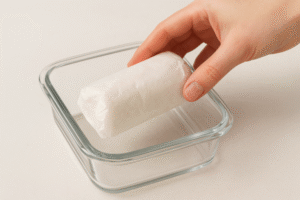
The refrigerator is your best friend for preserving goat cheese freshness. Follow these proven storage steps:
- Wrap it right: Use wax paper or parchment paper instead of plastic wrap. It allows the cheese to breathe and prevents mold growth.
- Seal and protect: After wrapping, place it in an airtight container or resealable glass jar.
- Temperature zone: Store goat cheese in the vegetable drawer or lower middle shelf, where temperatures stay consistent (around 39°F / 4°C).
- Avoid cross-contamination: Keep cheese away from strong-smelling foods like onions or fish. Goat cheese easily absorbs odors.
💡 Pro Tip: If you’ve opened a pre-packed goat cheese log, replace the plastic wrap with parchment before storing again. This helps maintain natural moisture and prevents the sour, ammonia-like smell that develops from trapped air.
👉 You might also want to learn How Long Does Goat Cheese Last in the Fridge? for detailed freshness timelines.
3. Extending Freshness: Marinating and Long-Term Preservation Methods
Refrigeration works well for everyday use. However, if you want to enhance flavor while slowing down surface drying and oxidation, oil-based preservation methods offer an advanced storage option.
Oil Preservation: Submerging goat cheese crumbles or small rounds in extra-virgin olive oil with herbs like rosemary creates a natural oxygen barrier. According to the USDA Food Safety and Inspection Service (FSIS), keeping cheese submerged in oil helps stabilize moisture; however, these must always be kept refrigerated at 40°F or below to prevent the risk of foodborne illness like botulism.
-
Brine Storage: For semi-hard goat varieties, a light saltwater brine helps maintain internal moisture. The FDA’s Dairy Safety Guidelines suggest that brine can prevent chalky dryness in aged cheeses, provided the salt concentration is balanced to inhibit unwanted bacterial growth.
-
Note on Freezing: While freezing is effective for bulk preservation, it is known to alter texture. The USDA confirms that cheese frozen at 0°F remains safe indefinitely, but for the best culinary integrity and texture recovery, specific thawing techniques are required. For the only USDA-approved method to freeze without ruining your dairy, explore our step-by-step freezing reference..
4. Tips for Storing Fresh Crumbled Goat Cheese

Crumbled goat cheese dries out quickly once opened. To keep it creamy:
- Transfer to a small airtight glass jar.
- Add a light drizzle of olive oil to coat the surface.
- Store at the back of the fridge (not the door).
This helps maintain moisture and enhances flavor. You can safely keep it this way for 7–10 days.
👉 To see how refrigeration habits influence freshness and safe handling, explore our in-depth fridge care guide.
5. How to Tell If Goat Cheese Has Gone Bad
Check these signs before using stored goat cheese:
- Sour or ammonia smell
- Slimy or sticky surface
- Yellowish color or visible mold
- Extremely dry or cracked texture
If you notice any of these, it’s best to discard the cheese. Eating spoiled cheese can cause digestive discomfort or foodborne illness.
👉 According to the U.S. Food & Drug Safety Administration (FDA), soft cheeses like goat cheese are more prone to bacterial contamination if stored improperly, especially during warm months.
FAQ: Storing Goat Cheese the Right Way
A: Yes. Storing small goat cheese rounds or crumbles in olive oil keeps them fresh and adds flavor. Refrigerate and consume within 2 weeks.
A: No. Fresh goat cheese should not sit at room temperature for more than 2 hours (CDC guideline).
A: Always thaw in the fridge overnight. Never microwave, as it alters texture and flavor.
A: Glass containers are preferred because they do not absorb odors or oils and help maintain consistent moisture levels. If plastic containers are used, ensure they are food-grade, airtight, and odor-free before storing goat cheese.
A: It’s better to store different varieties separately. Soft and aged goat cheeses release different moisture levels and aromas, which can affect flavor and texture if stored together in a single container.
Why Trust Fooder Ghor?
At Fooder Ghor, we provide educational resources focused on understanding the safe use, handling, and storage of different types of milk including breast milk, cow’s milk, goat milk, and raw milk based on publicly available guidance from trusted sources such as the CDC, FDA, USDA, and AAP. Some milk-related articles, particularly those involving maternal and infant feeding topics, are reviewed for clarity and presentation by nursing students with academic training in maternal and child health to help make information easier to understand. This content is provided for learning purposes only and does not offer medical advice.
Conclusion: Keep It Cool, Wrapped, and Fresh
Mastering the exact steps of how to store goat cheese properly is the best way to ensure your dairy stays flavorful and safe for your family. Proper storage can make your goat cheese last longer, taste better, and remain ready for any meal. Always wrap it well in breathable paper, refrigerate it immediately, and only freeze when necessary. A few mindful steps will help you enjoy that perfect creamy bite every time.”
👉 When you consistently follow these simple handling and packaging habits, you truly master how to store goat cheese properly for maximum freshness, flavor retention, and food safety.
👉 For more detailed dairy guides, check out What Does Goat Cheese Taste Like?
Beyond Storage: Elevate Your Goat Dairy Experience
Mastering the perfect wrap and seal is just the beginning of your journey toward zero kitchen waste and restaurant-quality freshness. Once you’ve secured your dairy with these expert methods, you can confidently explore more ways to use, save, and protect your goat cheese for any occasion.
-
Cook with Confidence: Put your perfectly preserved ingredients to the test by exploring our handpicked Goat Milk Recipes for U.S. Families for daily meal inspiration.
-
Track the Safety Window: Now that you’ve used the right containers, find out exactly how many days of freshness you’ve gained in our Goat Cheese Fridge Life Guide.
-
Advanced Preservation: If you’ve stored more cheese than you can eat this week, take the next step and learn the expert-approved method for freezing goat cheese without sacrificing its creamy texture.
-
The Complete Comparison: For a total breakdown of how different storage environments affect your cheese’s life, check out the Ultimate Goat Cheese Shelf Life Timeline.