Skip to content

Keeping Goat Cheese Fresh the Right Way
If you have ever opened a fresh log of chèvre and wondered, How long does goat cheese last in the fridge?, you are not alone. Goat cheese is known for its tangy flavor and creamy texture, but its high moisture content makes it more delicate than cow’s milk cheese. Understanding the exact refrigerator lifespan of this dairy favorite is essential for both flavor and food safety.
Whether you are storing a soft spread or an aged semi-hard block, knowing precisely how long goat cheese lasts in the fridge helps you prevent waste and protect your family from spoilage. This guide follows U.S. FDA and USDA dairy storage recommendations, ensuring your cheese stays safe, flavorful, and ready for your next recipe.
Quick Summary: Fridge Safety & Freshness at a Glance
-
The 7-Day Rule: Once opened, fresh soft goat cheese (chèvre) remains safe and flavorful for 5–7 days in the refrigerator.
-
The 40°F Threshold: To prevent rapid bacterial growth, your fridge must be set to 40°F (4°C) or lower—ideally between 35°F and 38°F.
-
Cold Zone Storage: Store cheese in the vegetable drawer or the back of the fridge. Avoid the door, where temperature fluctuations are highest.
-
Spoilage Signs: Immediately discard cheese if you notice a sour ammonia smell, a slimy surface, or any visible mold (pink, green, or black).
-
Lactic Acid Science: Fresh goat cheese is high in moisture; as its natural acidity drops over time, it becomes more vulnerable to mold and bacteria.
How Long Does Goat Cheese Last in the Fridge? Visual Safety Guide

This visual highlights refrigerator freshness and safety only. Freezing methods and long-term storage techniques are covered separately within this guide.
🧀 How Long Does Goat Cheese Last in the Fridge?
Shelf life depends on whether your goat cheese is soft (fresh) or aged (firm):
- Soft Goat Cheese (Fresh Chèvre):
Once opened, lasts about 5–7 days in the fridge.
If unopened, it can stay fresh for up to 2 weeks when stored properly. - Aged or Hard Goat Cheese:
Keeps for 3–4 weeks in an airtight container.
👉 According to the U.S. Department of Agriculture (USDA), always refrigerate at 40°F (4°C)or lower to prevent bacterial growth.
Pro Tip: While these fridge windows are the standard for daily use, keep in mind that storage times change drastically if you decide to use your freezer or keep cheese on the counter. For a side-by-side comparison of all storage zones, check our Ultimate Goat Cheese Shelf Life & Safety Timeline to see exactly how much extra time you can gain.”
🧊 Best Practices for Safe Refrigeration
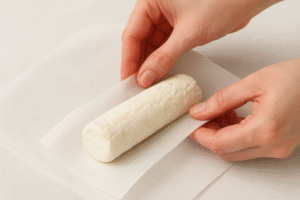
Proper storage is the secret to making your goat cheese last its full 5–7 day window. To maintain the right moisture balance and prevent premature spoilage, follow these core principles:
-
The Wrapping Rule: Use breathable parchment or wax paper for soft cheeses to prevent mold, while keeping hard varieties in airtight containers to lock in moisture.
-
Location Matters: Store your cheese in the vegetable drawer or a dedicated dairy zone to keep it away from fridge walls and fluctuating temperatures.
👉 Need a step-by-step tutorial on exact wrapping techniques and expert container choices? Master the process in our guide: How to Store Goat Cheese Properly? (The Freshness Masterclass).
🔬 The Spoilage Science: Why Fridge Temperature Matters
Goat cheese is a “high-moisture” dairy product, which makes it a prime target for psychrotrophic bacteria. Unlike hard cheeses, chèvre can spoil even at cold temperatures if the fridge environment isn’t stable.
-
The 40°F Threshold: Once your fridge rises above 40°F (4°C), bacteria like Listeria can double every 20 minutes. This is why placement in the “cold zone” (back of the fridge) is safer than the door.
-
Lactic Acid Breakdown: Over time, the natural lactic acid in goat cheese breaks down, losing its ability to fight off mold. This is why opened soft cheese only has a 5–7 day window before the pH level shifts and spoilage begins.
The FDA and American Academy of Pediatrics (AAP) recommend that pregnant women, elderly individuals, and parents of young children be extra vigilant with soft cheese storage temperatures to avoid the risk of foodborne illness.
🚫 How to Tell If Goat Cheese Has Gone Bad
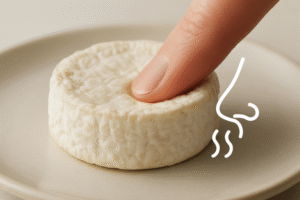
Before using, check these signs to ensure safety:
- Smell Test: Sour, rancid, or ammonia-like odor means it’s spoiled.
- Texture Test: Slimy or dry, crumbly patches indicate it’s past its prime.
- Color Check: Pink, green, or black mold = discard immediately.
- Taste Test: If it tastes overly sharp or bitter, it’s unsafe.
💡 According to USDA food safety standards, for soft cheeses (like fresh chèvre), mold contamination means you must discard the entire piece because mold “roots” (hyphae) can easily spread through soft dairy. For hard or aged goat cheeses, you can safely trim at least 1 inch around and below the mold spot; however, ensure the knife does not touch the mold to avoid cross-contamination.
🧺 Extra Tip: Storage & Travel Safety
If you’re carrying goat cheese for a trip, keep it inside a cooler with ice packs to maintain freshness. The goal is to keep it below 40°F until it’s eaten.
👉 You can apply the same food-safety principle discussed in our related article How to Travel With Breast Milk (U.S. TSA-Approved Mom Guide) — it’s all about safe temperature control on the go.
FAQs About Goat Cheese Shelf Life In The Fridge
A: Up to 2 weeks for soft cheese and 1 month for aged varieties.
A: Use parchment or wax paper for soft cheese. Plastic traps moisture and can cause mold.
A: If unopened and odor-free, yes — but always check texture and smell before using.
A: Between 35°F–40°F (1.6°C–4°C)for ideal preservation.
A: Temperature fluctuation near the fridge door accelerates moisture breakdown and bacterial activity. Storing dairy in stable cold zones slows spoilage and preserves texture longer.
A: Both perfect temperature and breathable wrapping work together to control mold growth and moisture imbalance.
Why Trust Fooder Ghor?
At Fooder Ghor, we provide educational resources focused on understanding the safe use, handling, and storage of different types of milk including breast milk, cow’s milk, goat milk, and raw milk based on publicly available guidance from trusted sources such as the CDC, FDA, USDA, and AAP. Some milk-related articles, particularly those involving maternal and infant feeding topics, are reviewed for clarity and presentation by nursing students with academic training in maternal and child health to help make information easier to understand. This content is provided for learning purposes only and does not offer medical advice.
🧾 Conclusion: Keep It Cool, Keep It Delicious
Understanding precisely how long does goat cheese last in the fridge is the secret to maintaining both flavor and family safety. While proper refrigeration keeps goat cheese safe for up to 1–4 weeks depending on its type, your handling habits make all the difference. By using breathable wrapping, checking for spoilage signs, and refrigerating quickly after every use, your cheese stays flavorful, nutritious, and ready for any recipe — from creamy spreads to baked delights.”
👉 For verified food safety recommendations, visit here:
Final Safety Check: Mastering the Goat Dairy Lifecycle
Understanding the exact safety window of your refrigerator is the most critical step in protecting your family from spoiled dairy. Once you are confident in your fridge’s temperature and hygiene, you can bridge the gap between simple safety and culinary excellence with our expert resources.
-
The Ultimate Recipe Hub: Ready to transform your fresh chèvre into a family favorite? Explore our curated collection of Goat Milk Recipes for U.S. Families for daily meal inspiration.
-
Storage Preservation Methods: Safety windows are only as good as your packaging. Learn how to wrap and seal your cheese to prevent mold and dehydration in our Goat Cheese Storage Best Practices Guide.
-
Long-Term Storage Hacks: If you realize your fridge life is nearing its 7-day limit, don’t throw your cheese away. Discover the USDA-approved method for freezing goat cheese to save it for future recipes.
-
Side-by-Side Comparison: To see how refrigerated freshness stacks up against frozen and room-temperature timelines, visit our Comprehensive Goat Cheese Shelf Life Chart.