 Skip to content

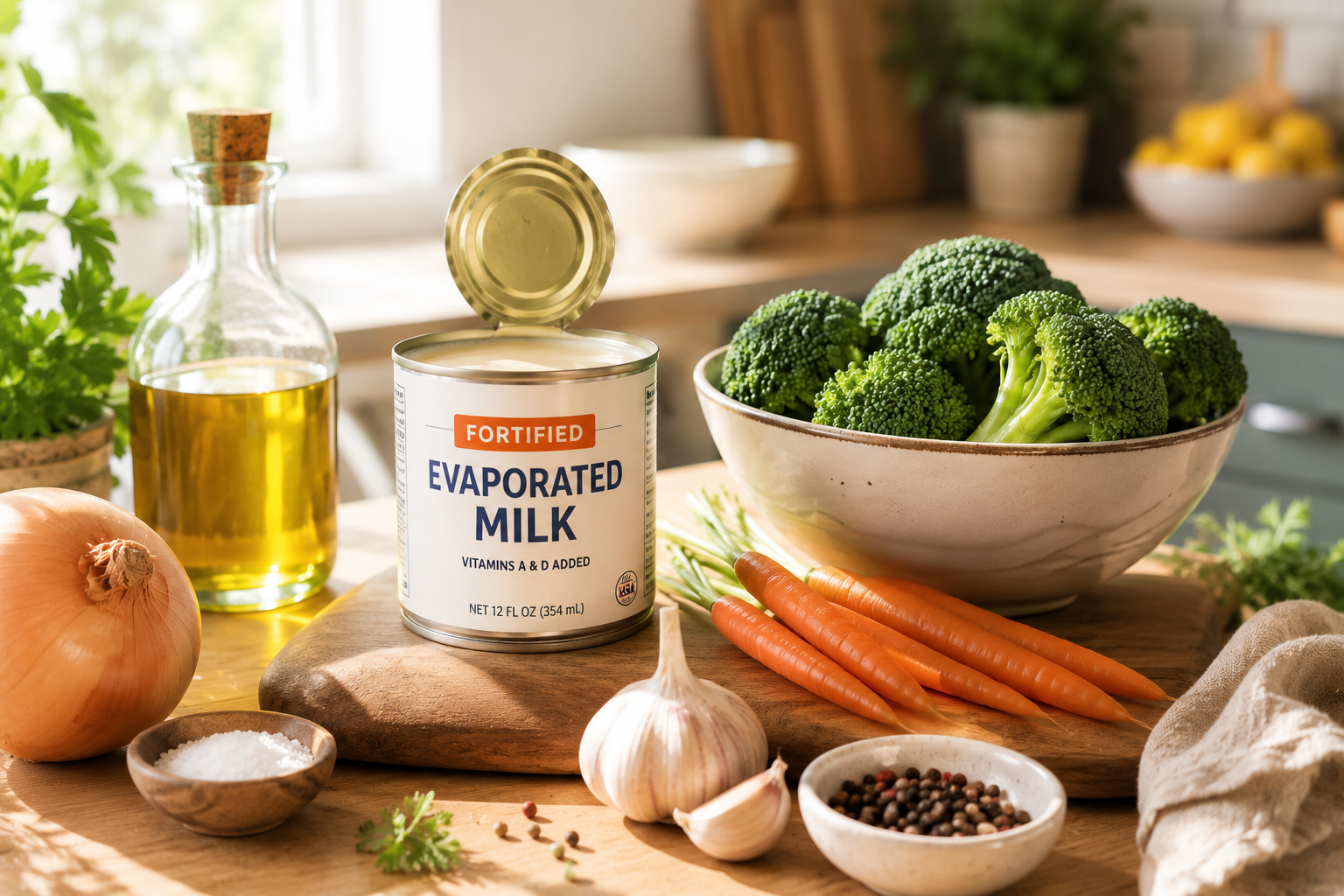
Making informed dietary decisions is a core responsibility for health-conscious parents striving to support their children’s growth. When designing a balanced weekly menu, evaluating the nutritional value of your pantry staples is essential. Standard home cooking often utilizes concentrated canned ingredients to introduce a satisfying richness into daily recipes. However, many modern households wonder if these convenient shelf-stable canisters align with long-term physical wellness goals.
Understanding exactly is evaporated milk healthy empowers you to curate delicious and nourishing meals for your loved ones. This comprehensive guide evaluates its bodily impacts, examines lower-fat retail variations, and highlights its ideal health-focused uses.
Quick Summary
- Nutrient-Dense Whole Food: Evaporated milk is simply whole cow’s milk with 60% of its water removed, delivering concentrated protein, calcium, and essential minerals without refined sugars.
- 6 Science-Backed Health Benefits: Supports bone density (Calcium/Vit D3), muscle repair (Protein), immune function (Vit A/D), cardiovascular health (Potassium), red blood cell formation (Vit B12/B2), and healthy weight management.
- Smart Variety Selection: Nonfat/skimmed options offer heart-healthy benefits with minimal saturated fat, while filled milk should generally be limited due to processed vegetable oils.
- Targeted Health Management: Delivers high satiety for caloric control and offers potassium for blood pressure regulation, but requires portion management for diabetics due to concentrated natural sugars.
- Wholesome Culinary Uses: Serves as a nutrient-dense, low-fat alternative to heavy cream in soups, breakfast bowls, pasta sauces, desserts, and smoothies.
👉 If you are currently managing childhood lactose sensitivities or tracking digestive issues instead, read our explicit guide on is evaporated milk lactose free.
Quick Answer: Is Evaporated Milk Healthy?
Yes, commercial evaporated milk is a highly healthy, nutrient-dense ingredient when consumed mindfully within a well-balanced lifestyle. Because it is simply whole cow’s milk with 60% of its water content removed, it retains all essential vitamins, proteins, and bone-building minerals in a highly concentrated form. It contains no harmful chemical additives or refined sugars, making it a spectacular whole-food tool for boosting dietary calcium and fat-soluble vitamins.
👉 For households managing standard storage parameters of fresh alternative liquids before any kitchen processing, check out our baseline tutorial on how long does coconut milk last in the fridge.
How Healthy is Evaporated Milk? Examining the Benefits

Evaporated milk is highly healthy, it’s concentrated cow’s milk with 60% water removed, retaining all essential vitamins, proteins, and minerals in nutrient-dense form. NO harmful additives or refined sugars.
Core health benefits:
– High-quality animal protein (muscle repair, tissue growth)
– Fortified vitamin D3 (immune support, mineral absorption)
– Fortified vitamin A (dermal vitality, cellular health)
– Calcium (bone development, tooth enamel)
According to the U.S. Department of Agriculture (USDA), dairy products provide important nutrients such as protein, vitamin D, vitamin A, and calcium that support healthy growth and development in children and families.
👉 For complete nutritional breakdown (calories, macros, micronutrients per serving), read our detailed data guide on evaporated milk nutrition.
Key Health Benefits of Drinking Evaporated Milk
-
Robust Bone Development: The immense calcium concentration efficiently fortifies skeletal structure and tooth enamel in growing toddlers.
-
Immune System Support: Added vitamin D3 optimizes mineral absorption while boosting natural immune defenses against common seasonal illnesses.
-
Efficient Weight Maintenance: The natural lipids provide sustaining metabolic fuel, helping active children stay satisfied between meal times.
-
Dermal Vitality: The natural fat-soluble vitamins inside animal dairy contribute positively to cellular health, which links naturally to broader cosmetic topics like future applications of evaporated milk benefits for skin.
According to the FDA, consuming fortified dairy products is a highly dependable method for preventing vitamin deficiencies in young children.
👉 To preserve the freshness and nutritional quality of dairy products at home, you can also read our guide on how to store cow milk.
Cardiovascular & Blood Pressure Support (Source of Dairy Potassium)
Nonfat evaporated milk serves as a heart-healthy dairy option, delivering essential minerals like potassium and magnesium without any added fats. According to the USDA FoodData Central guidelines, dairy products are recognized as valuable dietary sources of potassium. The U.S. Food and Drug Administration (FDA) notes that diets containing foods that are a good source of potassium and low in sodium may reduce the risk of high blood pressure and stroke. Potassium plays a critical role in balancing sodium levels in the body, helping to relax blood vessels and promote healthy blood pressure regulation and overall heart health.
If you’re considering plant-based alternatives, read our guide on rice milk health side effects to learn about possible digestive issues, allergies, and other considerations.
Red Blood Cell & Energy Support (Natural Vitamin B12 & B2)
Pure evaporated milk naturally delivers vital water-soluble B-vitamins, particularly Vitamin B12 (Cobalamin) and Vitamin B2 (Riboflavin), which are inherently present in cow’s milk. According to the National Institutes of Health (NIH), Vitamin B12 is absolutely essential for healthy red blood cell formation, preventing megaloblastic anemia, and maintaining optimal neurological and cognitive function. Regular intake of these essential nutrients from clean dairy sources supports cellular energy metabolism and nervous system health in both growing kids and adults.
If you’re also comparing potential concerns with plant-based milk, read our guide on soy milk health side effects to learn about possible digestive issues, allergies, and other considerations.
Is Canned Evaporated Milk Healthy for Weight Management?
Evaporated milk can support healthy weight management when using nonfat varieties and practicing portion control. Its dense protein content delays stomach emptying and promotes satiety, helping to prevent unnecessary evening snacking.
While calorie-dense whole versions are ideal for nourishing underweight individuals, adults tracking strict calorie limits can easily switch to fat-free options to gain protein benefits without excess saturated fats.
According to the U.S. Department of Agriculture (USDA), managing portion sizes and balancing calorie intake with nutrient-dense foods are important components of healthy weight management and long-term wellness.
👉 For families utilizing alternative plant concentrates for allergen-free baking instead, read our comprehensive manual on what is evaporated coconut milk.
Comparing Fat Variants: Skimmed, Nonfat, and Filled Options
Supermarkets categorize these shelf-stable canisters by their internal fat parameters, allowing you to select the exact nutritional profile your family needs.
Is Nonfat Evaporated Milk Healthy?
Yes, nonfat evaporated milk is a very healthy choice that provides the exact same high calcium and protein content as whole dairy, but with almost zero saturated fat and significantly fewer calories.
Manufacturers produce this variety by evaporating skimmed cow’s milk, making it an excellent ingredient for reducing overall daily lipid consumption. It serves as an ideal asset for heart-conscious adult cooking while preserving essential dairy nutrients.
According to the U.S. Department of Agriculture (USDA), fat-free and low-fat dairy products can help reduce saturated fat intake while still providing important nutrients such as calcium and protein.
Even fat-free evaporated milk requires proper storage to maintain its quality and safety. Learn the warning signs of spoilage in our guide on does can evaporated milk go bad.
Is Evaporated Filled Milk Healthy?
No, evaporated filled milk is generally not considered a healthy option because its natural dairy fat is replaced with processed vegetable oils. While it retains basic proteins and calcium, substituting butterfat with palm or hydrogenated lipids alters the fat structure unfavorably. This deprives children and adults of wholesome natural dairy lipids while potentially introducing higher levels of unhealthy saturated fats into family meals.
👉 If you want to better understand how traditional evaporated milk differs in flavor and texture from modified varieties, you can also read our guide on what does evaporated milk taste like.
Specific Medical Considerations: Heart Health and Blood Sugar
Understanding how concentrated ingredients interact with specific health conditions ensures every family member stays safe during dinner time.
Is Evaporated Milk Heart Healthy?
Nonfat or skimmed evaporated milk is heart-healthy, while whole-milk varieties should be limited due to higher saturated fat content. Switching to fat-free alternatives helps reduce dietary saturated fats and manage cholesterol levels. Additionally, nonfat evaporated milk provides essential dairy potassium, calcium, and protein, which support healthy blood pressure and overall cardiovascular function.
According to the U.S. Department of Agriculture (USDA), choosing low-fat or fat-free dairy products can help reduce saturated fat intake while still providing nutrients like potassium, calcium, and protein that support overall cardiovascular health.
While nonfat evaporated milk is generally a heart-friendly choice, it’s still important to understand when dairy may not be suitable for everyone. Learn more in our guide on evaporated milk health side effects.
Is Evaporated Milk Healthy for Diabetics?
While diabetics can occasionally use evaporated milk, it requires strict portion control due to its intense sugar density. According to nutritional data from the U.S. Department of Agriculture (USDA), regular cow’s milk contains about 12 grams of carbohydrates per cup, but the evaporation process concentrates this value up to 25 to 28 grams of natural sugars per serving. This means it delivers more than double the carbohydrates and calories of standard milk, posing a direct risk for sudden blood glucose spikes. To protect your family’s health, consumers should follow the U.S. Food and Drug Administration (FDA) food labeling insights and ideally opt for commercially available lactose-free evaporated milk alternatives, limit servings to a few tablespoons, and always pair them with dietary fiber to slow down carbohydrate absorption.
👉 After opening, store evaporated milk correctly to maintain quality and safety. See our How Long Does Evaporated Milk Last in the Fridge? guide for safe storage tips and shelf life.
What is Evaporated Milk Used for in Wholesome Cooking?
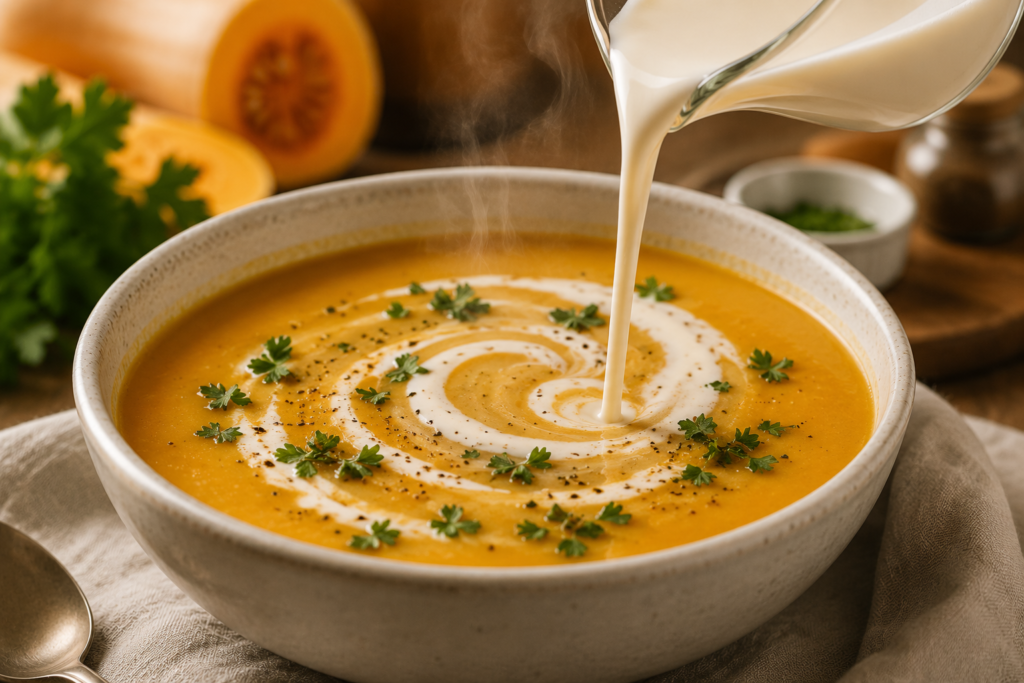
Evaporated milk is used as a healthy heavy cream substitute in soups, sauces, oatmeal, smoothies, and baking (cakes, cookies, pies) to add creaminess and boost calcium/protein without refined sugars.
Best wholesome uses:
- Soups (calcium-boosting): Butternut squash, tomato, potato soups
- Breakfast bowls (nutritious): Oatmeal, chia seed puddings
- Dinner sauces (wholesome): Pasta toppings with garlic/herbs
- Smoothies (healthy meal shakes): Add 2-3 tbsp for fat-soluble vitamins
- Baking (healthier desserts): Cakes, cookies, muffins, pies
Parent Tip:
Replace heavy commercial cream with fortified nonfat evaporated milk in evening sauces to instantly slash total recipe fats by half while doubling dietary calcium.
If you are interested in learning how heat treatment improves milk safety at home, you can also read our guide on how to pasteurize milk at home.
Wholesome Uses for Evaporated Milk
-
Calcium-Boosting Soups: Stir the liquid into creamy butternut squash, tomato, or potato soups to create a velvety texture without heavy cream.
-
Nutritious Breakfast Bowls: Use it as the liquid base for morning oatmeal or chia seed puddings to introduce sustaining proteins.
-
Wholesome Dinner Sauces: Blend it with garlic and fresh herbs to craft light, dairy-rich pasta toppings for young children.
-
Healthy Meal Shakes: Add a few tablespoons into fruit smoothies to supply active toddlers with essential fat-soluble vitamins.
By focusing on these nutrient-dense applications, you can satisfy your family’s craving for creaminess while supporting long-term health goals.
👉 If your recipe calls for an alternative sweet, sticky dessert binder instead, check out our guide on how to make coconut condensed milk.
Evaluating Dietary Milk Concentrates
To maximize your success when coordinating family meals, analyzing how different liquid variables align with health goals is highly useful.
| Product Variation | Saturated Fat Level | Core Health Focus | Best Nutritional Application |
| Whole Evaporated | Rich Natural Lipids | Energy & Growth | Nourishing Growing Toddlers |
| Nonfat Evaporated | Extremely Minimal | Weight & Heart Care | Low-Calorie Creamy Soups |
| Filled Evaporated | Processed Plant Oils | Budget-Focused Only | General Non-Dietary Baking |
According to the U.S. Department of Agriculture (USDA), comparing fat levels and nutrient composition across dairy products can help families choose options that better support heart health, growth, and balanced nutrition goals.
Choosing the right milk depends on your family’s nutritional needs and health goals. Our Soy Milk vs Cow Milk comparison explains how these two popular options differ in protein, nutrients, and everyday use.
Educational Infographic Guide
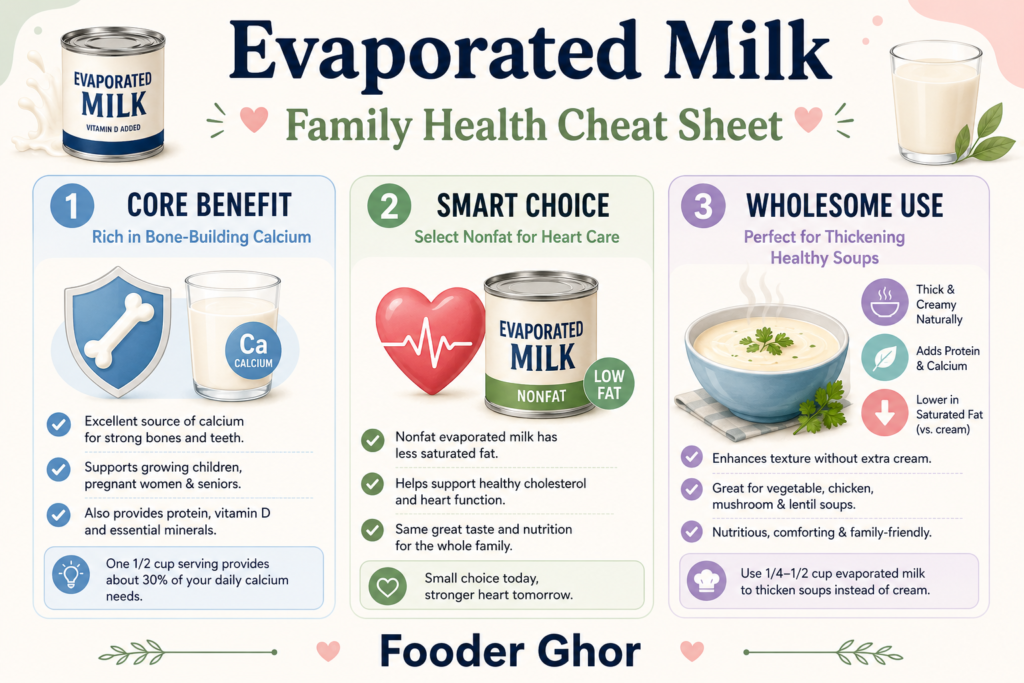
| Health Objective | Recommended Product | Key Nutritional Action |
| Bone Fortification | Fortified Whole Can | Delivers Concentrated Calcium & Vitamin D3 |
| Caloric Management | Nonfat / Skimmed Can | Eliminates Saturated Fats While Maintaining Protein |
| Allergen Protection | Plant-Based Alternative | Eliminates Animal Casein, Whey, and Lactose |
If you prefer greater control over ingredients and fat content, you can also prepare evaporated milk at home. Follow our step-by-step guide on how to make evaporated milk.
Why Trust Fooder Ghor?
At Fooder Ghor, we provide comprehensive, research-backed educational resources on all types of milk including breast milk, dairy (cow, goat, camel, sheep, buffalo), and plant-based alternatives (oat, soy, almond). Our guides cover everything from nutrition, taste, and health benefits to proper storage, shelf life, and safety handling, aligned with official guidance from the CDC, FDA, USDA, and AAP. To maintain the highest standards of scientific accuracy, this article has been medically reviewed by a Public Health Expert (MPH). This content is for educational purposes only and does not substitute for professional medical advice.
Frequently Asked Questions About Evaporated Milk Benefits
While it is completely sterile and safe to consume directly, drinking it straight is generally not recommended due to its intense density. It functions best when diluted with equal parts water or stirred directly into complex food recipes.
Yes, you can store evaporated milk in its original carton if it is unopened and properly sealed. Once opened, transfer any leftovers to an airtight container and refrigerate them promptly. For more detailed storage guidance, read our guide on how to store evaporated milk.
The intense thermal pasteurization process can slightly reduce certain heat-sensitive B-vitamins, such as thiamin and vitamin B12, naturally present in raw dairy. However, manufacturers systematically fortify the liquid with robust fat-soluble vitamins A and D3 post-heating to restore and ensure optimal nutritional potency for consumers.
Neither option is inherently superior; they simply serve different purposes. Evaporated milk is significantly more nutrient-dense per ounce, making it much more efficient for packing calcium and protein into small meal portions.
Pure commercial nonfat evaporated milk relies entirely on natural milk solids to achieve its signature thickness. Always read the ingredient statement on the back panel to verify that no unnecessary starches were introduced. If you’re interested in making a lighter version at home, read our guide on how to make low fat evaporated milk for a simple method and practical preparation tips.
Yes, you can make sugar-free evaporated milk at home by using regular milk without adding any sugar or sweeteners. For a simple homemade method, read our guide on how to make sugar free evaporated milk for step-by-step preparation instructions and practical tips.
IMPORTANT PARENTING NOTE:
Evaporated milk should NOT be used as a breast milk or formula substitute for infants under 12 months. The American Academy of Pediatrics (AAP) recommends only breast milk or infant formula for babies under 1 year. Evaporated milk lacks essential nutrients (iron, vitamin C) for infant growth and development.
Conclusion
Analyzing is evaporated milk healthy allows parents to approach weekly meal planning with absolute confidence and clarity. This shelf-stable kitchen asset provides a magnificent, whole-food source of proteins, fortified vitamins, and vital bone-building minerals without introducing inflammatory refined sugars into your home cooking. By selecting nonfat variations for cardiovascular wellness or whole-milk options for active childhood energy, you maintain absolute authority over your family’s nutritional intake. Keep your pantry organized, read ingredient labels closely, and continue cultivating a safe, health-promoting kitchen environment for your loved ones.
If you prefer a plant-based alternative, read our guide on how to make evaporated milk from oat milk to learn how oat milk can be prepared into a thicker, concentrated milk alternative.
👉If you are also storing traditional dairy products at home, you can read our guide on fresh cow milk shelf life to understand proper refrigeration and freshness timelines.











