Skip to content

Managing a busy kitchen while raising young children requires clever food conservation strategies. Many households love keeping plant-based dairy choices ready for daily meal preparation. However, home cooks frequently find themselves with small amounts of left-over liquids after finishing a family recipe. Because food waste can strain your household budget, you might wonder: can you freeze coconut milk safely?
Understanding the structural science of freezing, proper container placement, and safe defrosting protocols is vital for busy parents. This comprehensive helper guide will analyze cold storage limitations, answer your specific recipe preservation questions, and provide actionable tips. Our goal is to give you trusted, practical data so you can preserve your kitchen resources with absolute confidence.
Quick Takeaways
-
Freezer Longevity: Pure plant-based milk remains biologically safe in cold storage for up to six months.
-
Texture Changes: Freezing naturally separates the heavy plant lipids from the liquid water, requiring blending after thawing.
-
Container Safety: You must never freeze unopened metal cans because expanding liquids can rupture the metallic seams.
-
Recipe Preservation: Prepared family dinners, such as curries or cream-based soups, freeze exceptionally well.
-
Toddler Safety Notes: Always utilize fully pasteurized commercial varieties if you plan to freeze portions for cold toddler smoothies.
Can You Freeze Coconut Milk?
When you are trying to minimize grocery waste, finding out the exact rules of cold storage is necessary. To address your primary question directly: yes, you can absolutely freeze coconut milk to extend its overall shelf life. This preservation method effectively stops microbial development, helping you save leftovers for future family baking projects.
However, answering can you freeze coconut milk successfully requires understanding how the liquid reacts to freezing temperatures. Unlike standard animal dairy, this tropical alternative is a natural emulsion of plant fats and filtered water. When exposed to freezing conditions, the water molecules crystallize into ice first, pushing the natural fats into separate clusters.
Consequently, the fluid will look heavily curdled or grainy once defrosted. While this structural shift makes thawed milk less appealing for drinking straight from a glass, it remains perfect for hot cooking projects. According to the U.S. Food and Drug Administration (FDA), freezing preserves food safety indefinitely, though nutritional quality and texture gradually decline over several months.
According to the U.S. Food and Drug Administration (FDA), freezing preserves food safety indefinitely.
For a better understanding of coconut milk freshness timelines in refrigeration, you can also check our guide on how long coconut milk lasts in the fridge and freezer conditions.
Small Takeaway: Freezing is entirely safe and extends shelf life for six months, but it naturally disrupts the smooth texture of the fluid.
Preservation Guide for Different Commercial Products
Supermarkets stock various styles of this plant fluid, and each variety behaves differently when frozen due to unique fat densities.
Can You Freeze Coconut Milk from a Can?
Culinary canned options contain high concentrations of natural lipids. If you are asking can you freeze coconut milk from a can, the answer involves a strict safety warning. You can freeze the liquid itself, but you must never place a whole, unopened metal can directly into the freezer.
As the water content turns to ice, it expands with immense structural pressure. This expansion can crack the metal seams or pop the lid, exposing your freezer to leaking fats. For a deeper look into why open cans react poorly to standard refrigeration, check out our baseline guide on is canned coconut milk bad for you to understand chemical oxidation.
Can You Freeze Canned Coconut Milk Once Opened?
If you have left-over ingredients from a dinner project, finding out if can you freeze canned coconut milk once opened is incredibly helpful. Yes, you can freeze it easily, but you must transfer the thick fluid into a freezer-safe glass jar or plastic container first. Leaving space at the top of your container is necessary because the fluid needs room to expand safely without cracking your glassware.
Can You Freeze Unused Coconut Milk and Leftovers?
Many parents feel uncertain about managing small amounts of remaining ingredients. When assessing if can you freeze unused coconut milk or can you freeze leftover coconut milk, the answer is a resounding yes.
Similarly, determining if can you freeze leftover canned coconut milk follows the exact same rule. Instead of letting those last few ounces sit in the fridge until they spoil, freezing them immediately protects your financial investment.
According to food safety guidance from the U.S. Food and Drug Administration, proper cold storage significantly reduces the risk of foodborne illness and helps preserve quality.
The freezer suitability guide varies significantly by product type. Full-fat canned versions are excellent and receive a five-star rating for hot curries and soups. Unsweetened cartons are great, earning a four-star rating for baking and smoothies. Condensed varieties are moderate because their high sugar content alters the freezing point, while homemade batches score lowest because separation is severe and requires heavy blending.
Freezing Cartons and Light Varieties
Furthermore, deciding if can you freeze coconut milk in a carton depends on your storage space. If the paper retail carton is completely unopened, it is best to leave it in your dry pantry, as aseptic packaging keeps it shelf-stable for months.
However, if you have broken the plastic seal, you should pour the remaining liquid out of the paper carton and into a dedicated freezer container. If you are monitoring how long these retail containers remain viable before freezing, browse our storage tutorial on how long does a carton of coconut milk last to track freshness.
Additionally, evaluating if can you freeze light coconut milk or can you freeze unsweetened coconut milk reveals positive results. Light options contain significantly more water than full-fat versions, meaning they will develop larger ice crystals. Consequently, thawed light milk will appear much more watery, but it works wonderfully as a fluid base for morning oatmeal or family baking.
Small Takeaway: Every style of retail milk can be frozen, provided you transfer the liquid out of its original cans or paper cartons first.
Freezing Prepared Recipes, Soups, and Blends
Batch cooking is a fantastic time-saver for busy households. Fortunately, this plant fluid incorporates beautifully into various freezer-friendly meals.
Can You Freeze Coconut Milk Curry?
Traditional family dinners often result in generous leftovers. If you are wondering can you freeze coconut milk curry or can you freeze curry with coconut milk, you will be happy to know that these entrees hold up beautifully in cold storage.
The complex spices and aromatic oils within the curry sauce help stabilize the plant fats during the freezing process. When you reheat the dish slowly on your stove, the separated fats naturally recombine into a rich sauce.
Traditional family dinners often result in generous leftovers.
You may also find it helpful to compare this with how evaporated milk behaves when frozen, especially in cooked recipes and sauces.
Can You Freeze Coconut Milk Soup?

Creamy vegetable broths are a comforting option for cold months. Determining if can you freeze coconut milk soup is a common priority for parents who meal-prep. Yes, these comforting liquid meals freeze exceptionally well.
For example, many parents ask if can you freeze butternut squash soup with coconut milk to save time on busy weeknights. This specific pairing freezes beautifully because the thick starch from the squash helps hold the plant emulsion together, preventing extreme separation.
| Prepared Recipe Variety | Ideal Freezer Container | Storage Lifespan | Reheating Recommendation |
| Thai or Indian Curries | Airtight Plastic Tub | 3 Months | Slow simmer on stovetop |
| Butternut Squash Soup | Heavy-Duty Freezer Bag | 4 Months | Thaw overnight, whisk hot |
| Pureed Lentil Dahl | Glass Mason Jar | 3 Months | Microwave with extra water |
| Fruit Smoothie Cubes | Silicone Ice Tray | 2 Months | Blend directly from frozen |
These freezing guidelines align with general food storage safety principles recommended by the U.S. Food and Drug Administration and refrigeration safety standards supported by the United States Department of Agriculture, especially when handling prepared meals and dairy-based sauces.
Can You Freeze Dahl and Other Cooked Creations
Furthermore, looking into specialized vegetarian dishes like can you freeze dahl with coconut milk yields excellent parameters. Lentil-based dishes absorb the rich tropical fluids deeply, making them highly stable inside a cold freezer environment.
Generally, the rule for whether can you freeze coconut milk once cooked is highly favorable. Cooked dishes often suffer less texture damage than raw milk because the structural starch molecules from vegetables or grains act as natural binding agents for the plant lipids.
Smoothie Preparation Tips
If you are planning quick breakfasts for your children, figuring out if can you freeze coconut milk for smoothies is a game-changer. Freezing the liquid in silicone ice cube trays is an exceptional kitchen trick.
If you want to compare how different dairy types behave in freezing conditions, you can also read our guide on can you freeze raw milk for more detailed insights into texture and storage differences.
Once the cubes are frozen solid, transfer them into a heavy-duty storage bag. You can then drop these frozen cubes directly into your morning blender alongside fresh spinach and bananas, creating a wonderfully frosty texture without needing regular ice.
Small Takeaway: Cooked family meals, dense vegetable soups, and lentil dahls freeze exceptionally well because cooking starches help bind the natural oils.
Preserving Specialty Formulations and Powders
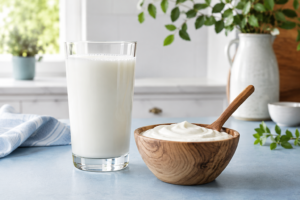
Can You Freeze Coconut Milk Yogurt?
Plant-based dairy alternatives extend well into the snack aisle. If you are asking can you freeze coconut milk yogurt, the outcome requires careful management. While freezing is completely safe, the delicate live bacterial cultures within the yogurt can be compromised by extreme cold.
Furthermore, the defrosted yogurt will suffer severe watery separation, changing from a creamy snack into a grainy liquid. Therefore, it is best to use defrosted yogurt exclusively in baking or smoothie recipes rather than eating it straight with a spoon.
These handling and refrigeration safety principles are consistent with general food storage guidance from the U.S. Food and Drug Administration regarding perishable dairy and dairy-alternative products.
Can You Freeze Condensed Variations?
Sweet treats often utilize rich, sticky dessert bases. If you want to know if can you freeze condensed coconut milk or can you freeze sweetened condensed coconut milk, the high sugar concentration introduces unique physical properties.
For a deeper understanding of shelf life and storage duration, you can also check our guide on Sweetened Condensed Milk Shelf Life?
Because dense sugars lower the freezing point of liquids significantly, these products will not freeze into solid bricks. Instead, they turn into a thick, scoopable, icy paste. This unique texture is fantastic for creating homemade dairy-free ice cream bases.
Managing Dry Forms and Concentrates
Lastly, evaluating dry pantry items helps optimize shelf space. If you are wondering can you freeze dry coconut milk, the process is generally unnecessary. Dried shelf-stable goods already carry a very long lifespan on your pantry shelf.
If you are also comparing how different dairy types behave in freezing conditions, you can check our guide on can you freeze cow milk for a detailed breakdown of milk freezing safety and texture changes.
However, if you live in a highly humid environment and want to learn how to store coconut milk powder safely for years, keeping the sealed pouch inside your freezer is an excellent option. The cold temperature protects the delicate plant oils from turning rancid due to moisture exposure.
Small Takeaway: High-sugar condensed varieties stay soft and scoopable in the freezer, while delicate yogurts suffer severe texture damage when frozen.
How to Store Coconut Milk: Comprehensive Guidelines

To minimize grocery costs and ensure your family consumes high-quality meals, mastering proper preservation rules is highly important. Let review how to store coconut milk effectively across every stage of use.
| Storage Method | Ideal Product Condition | Safe Lifespan |
| Dry Pantry Shelf | Original Unopened Cans | Up to 5 Years |
| Main Fridge Shelf | Opened Commercial Cartons | 7 to 10 Days |
| Deep Freezer Chest | Leftover Culinary Liquids | Up to 6 Months |
If you also want to understand how dairy milk behaves in everyday refrigeration, you can check our guide on how to store fresh cow milk for a detailed breakdown of storage duration and safety practices.
How to Store Canned Coconut Milk Before Opening
Pantry organization is your first line of defense. When determining how to store canned coconut milk, choose a cool, dark kitchen cabinet away from your stove or oven. According to the U.S. Department of Agriculture (USDA), keeping canned goods below 85°F prevents premature nutritional loss and keeps the inner lining of the tin completely stable.
How to Store an Open Can of Coconut Milk
The rules change instantly once the factory seal is broken. If you are unsure how to store an open can of coconut milk, remember this vital rule: never leave the liquid inside the open metal container.
Instead, master how to store leftover canned coconut milk by pouring the creamy fluid into a clean glass jar with an airtight lid. If you are looking for specific timelines on how long these containers remain safe before spoiling, browse our companion guide on how long does coconut milk last in the fridge to set kitchen benchmarks.
Refrigeration Tips for Cartons and Homemade Batches
Maintaining freshness for beverage alternatives requires consistent cold temperatures. When applying rules for how to store coconut milk in a carton, always keep the container on a main shelf inside your refrigerator rather than inside the door shelves. Refrigerator doors experience frequent warm air blasts every time your children hunt for snacks, which can cause the milk to sour prematurely.
Furthermore, figuring out how to store homemade coconut milk requires extra care. Because fresh blender milks lack pasteurization and commercial stabilizers, mastering how to store coconut milk in fridge settings requires utilizing sterilized glass bottles and consuming the fresh blend within forty-eight hours.
| Storage Environment | Container Recommendation | Maximum Lifespan | Primary Safety Priority |
| Dry Pantry Shelf | Original Unopened Can | 2 to 5 Years | Keep below 85°F, avoid dampness |
| Main Fridge Shelf | Sealed Glass Mason Jar | 5 to 7 Days | Keep at or below 40°F consistently |
| Main Fridge Shelf | Commercial Retail Carton | 7 to 10 Days | Do not store inside the door panel |
| Deep Freezer Chest | Silicone Tray / Plastic Tub | 6 Months | Leave 10% headspace for expansion |
According to the United States Department of Agriculture (USDA), maintaining proper refrigeration temperatures is essential to slow bacterial growth and keep stored foods safe.
Long-Term Management Protocols
For parents looking to buy groceries in bulk, learning how to store coconut milk for long time periods requires a dual strategy. Keep your unopened cans stacked neatly in a cool cellar, and freeze any leftover liquids from open containers immediately.
Whether you are managing how to store full fat coconut milk, how to store leftover coconut milk, or how to store unused coconut milk, consistency is your best tool. You can also explore our guide on goat milk storage tips to understand how different milk types behave under refrigeration and long-term storage conditions.
Labeling every jar with a clear opening date using a water-resistant marker ensures your kitchen rotation remains organized and safe.
Small Takeaway: Always move open liquids into airtight glass jars, keep refrigerated cartons away from door panels, and use freezers for long-term preservation.
10 Coconut Milk Storage Tips for Busy Parents
To help you manage your kitchen inventory without unnecessary stress, we have compiled 10 coconut milk storage tips designed for busy family routines.
-
Ditch the Metal Cans: Always transfer leftover fluids into glass or plastic immediately after opening to prevent oxidation.
-
Embrace Ice Trays: Freeze small amounts of leftover milk in silicone trays to create convenient portion cubes for future toddler smoothies.
-
Leave Expansion Space: When freezing liquids in glass jars, always leave at least an inch of empty headspace to prevent the glass from shattering.
-
Shake Before Serving: Natural separation happens constantly in cold storage; give your refrigerated jars a vigorous shake to remix the cream.
-
Store Away from the Door: Keep cartons on the middle or bottom shelves of your fridge where the temperature remains most stable.
-
Label with Permanent Marker: Write the exact date of opening directly onto your storage containers so you never have to guess its freshness.
-
Whisk with Heat: To fix grainy, defrosted milk, warm it gently in a small saucepan while whisking rapidly to recombine the separated fats.
-
Smell Check First: Before using any stored liquid, perform a quick sniff check; any sour, vinegar-like aroma indicates dangerous spoilage.
-
Use Shallow Containers: When storing cooked curries or soups, utilize shallow bowls to help the food cool down to safe temperatures rapidly.
-
Keep Pantry Shelves Dry: Avoid storing your unopened backup cans beneath your kitchen sink where leaky pipes could rust the metal.
According to the U.S. Food and Drug Administration (FDA), safe food handling practices including proper storage, timely refrigeration, and avoiding cross-contamination are essential for maintaining food quality and safety.
Small Takeaway: Implementing simple habits like using ice trays, leaving expansion space, and labeling containers reduces kitchen waste and protects your family.
Thawing and Recombining: Post-Freezer Care
Once you take your frozen assets out of cold storage, reviving the liquid properly is necessary for achieving great culinary results.
Safe Defrosting Techniques
According to public health warnings from the Centers for Disease Control and Prevention (CDC), you must never thaw frozen plant milks on your kitchen counter at room temperature. Leaving food out allows the outer layers to warm up into the bacterial “Danger Zone” long before the center defrosts. Instead, transfer your frozen jar into the refrigerator twenty-four hours before you plan to use it, allowing it to thaw under safe conditions.
Fixing Separated Fat Layers

When your milk is completely defrosted, you will notice distinct separation. The top layer will look like thick white curd, while the bottom will look like murky water.
Do not worry, as this is completely normal. Pour the entire defrosted batch into your kitchen blender and blend on high speed for thirty seconds. The motorized blades will quickly force the plant lipids and water molecules back into a smooth, creamy emulsion.
To fix thawed graininess properly, follow these three steps. Step 1 requires you to thaw the container completely inside your fridge for twenty-four hours. Step 2 involves pouring the separated fluid into a blender and blending on high for thirty seconds. Step 3 finishes the process by warming the liquid gently over a low stove flame while whisking to restore a rich texture.
According to the United States Department of Agriculture (USDA), proper thawing methods such as refrigerator thawing help maintain food safety and reduce the risk of bacterial growth.
Small Takeaway: Always thaw frozen milk inside your cold refrigerator, and use a standard kitchen blender to easily restore a smooth consistency.
Why Trust Fooder Ghor?
At Fooder Ghor, we provide educational resources focused on understanding the safe use, handling, and storage of different types of milk, including breast milk, cow’s milk, goat milk, and raw milk, based on publicly available guidance from trusted sources such as the CDC, FDA, USDA, and AAP. Some milk-related articles, particularly those involving maternal and infant feeding topics, are reviewed for clarity and presentation by nursing students with academic training in maternal and child health to help make information easier to understand. This content is provided for learning purposes only and does not offer medical advice.
Frequently Asked Questions
No, it is not recommended. While paper cartons will not shatter like glass, they can distort and split along the cardboard seams during liquid expansion, leading to messy leaks.
Freezing preserves core macro-nutrients perfectly, meaning the total fat, protein, and carbohydrate counts remain unchanged. However, some delicate added vitamins can degrade slightly after several months.
A slight color shift can happen if the natural plant fats undergo minor oxidation during storage. If the aroma remains sweet and nutty, it is safe; however, if it smells sour, discard it.
No, absolutely not. If the liquid has been warmed up and exposed to your child’s saliva, bacteria have already begun multiplying rapidly. Throw away any leftover bottle contents.
Yes, you can drop frozen cubes directly into a hot, simmering curry pot. The intense stove heat and continuous stirring will melt and blend the cubes into your sauce smoothly.
Conclusion
Answering can you freeze coconut milk successfully allows you to optimize your grocery budget while maintaining a clean, efficient kitchen. Freezing serves as an exceptional, highly safe tool for extending the life of leftover canned liquids, fresh homemade blends, and prepared family entrees like curries or vegetable soups. While the cold temperatures naturally disrupt the smooth texture of the plant emulsion, a quick spin in your kitchen blender resolves this issue completely.
By mastering proper pantry preservation guidelines, utilizing safe glass containers, and avoiding dangerous room temperature thawing methods, you can easily protect your household from unexpected digestive distress. Keep your storage spaces organized, label your containers clearly, and continue building a resourceful, nutrient-dense home environment for your wonderful family. If you are exploring alternative plant-based ingredients for your next baking project, check out our master review on choosing a reliable coconut milk substitute to keep your family dinners completely delightful.