Skip to content
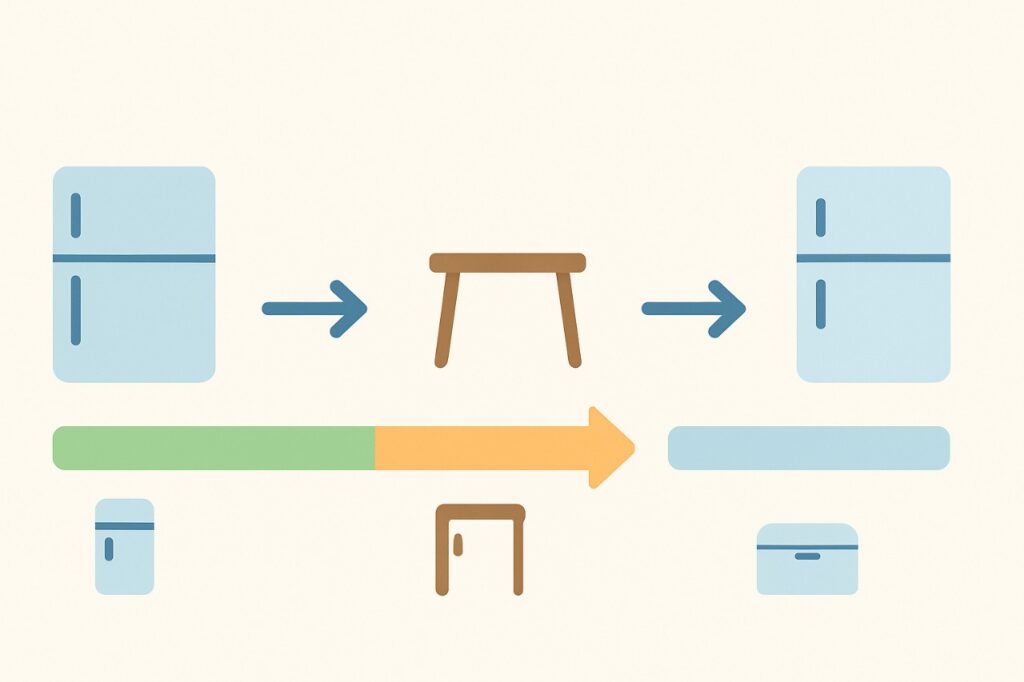
For many U.S. parents, knowing whether and how to reuse breast milk that has already been warmed can be confusing and stressful. Once breast milk has been warmed for feeding, its bacterial risk increases, and attempting to warm it again makes safety even more important.
This comprehensive safety guide explains the difference between warming and reheating, offers evidence-based U.S. guidance on how long reheated milk is safe, and provides practical tips to protect your baby’s health while minimizing waste.
What You Will Learn in This Guide
- The safest practices for reheating breast milk after refrigeration.
- How long reheated breast milk is good for at room temperature and after feeding?
- Why reheating milk more than once is discouraged.
- Practical, step-by-step directions for safe reheating methods.
- Answers to common questions U.S. parents ask about reheating breast milk.
Why Reheating Breast Milk Is a Special Case?

Breast milk contains vital nutrients, immune factors, and beneficial enzymes that help your baby grow and stay healthy. When milk is warmed to feeding temperature, it also becomes a more welcoming environment for bacteria if not used promptly.
Reheating milk that is, warming it a second time after refrigeration — carries additional risks because:
- Bacterial growth can accelerate: Even tiny amounts of bacteria can multiply more quickly each time milk is warmed.
- Nutrient and immune quality declines: Repeated heat exposure can reduce antibodies, enzymes, and vitamins that protect your baby.
Because of these concerns, U.S. health guidance strongly emphasizes warming milk once and using it immediately. Whenever possible, warm only the portion your baby will finish in one feeding.
The Critical Safety Rule: Can You Reheat Breast Milk?
Straight Answer:
No. Reheating breast milk more than once is not recommended.
Once breast milk has been warmed to feeding temperature and then chilled again, reheating it increases both bacterial and nutrient risks. This is why experts advise against multiple reheating cycles.
Why You Cannot Reheat Breast Milk Twice?
- Can you reheat breast milk twice?
No. Reheating a second time can significantly increase microbial risk and further degrade nutrition.
- How many times can you reheat breast milk?
Practically speaking, zero times beyond the first warming. Warm it once, use it once.
If milk has already been warmed and then refrigerated for several hours, assume its immune and nutrient quality is already reduced, making another warming step riskier.
How Long Is Reheated Breast Milk Safe?
The safety timeline for reheated milk depends on how it is handled:
- If milk was warmed once, immediately refrigerated (with no mouth contact):
It must be treated with caution and used in one feeding.
- Once milk is reheated again (second warming):
It should be used immediately — ideally within 30 minutes of reaching feeding temperature.
At Room Temperature ❄️
If reheated milk is allowed to sit out after second warming, it should not be left out at room temperature at all. The standard “2-hour rule” for freshly warmed milk does not apply once it has gone through multiple temperature changes, because the risk of bacterial growth becomes much higher.
CDC Guidance Reminder 📈
The Centers for Disease Control and Prevention (CDC) generally recommends using freshly prepared milk within set safety windows and not rewarming milk multiple times. This cumulative effect makes repeated reheating unsafe. For official guidelines on safe breast milk handling, see the CDC’s breast milk storage and preparation guidance.
Best Practices: How to Safely Reheat Breast Milk? (If Necessary)

Although experts discourage reheating milk more than once, there are situations where you may need to warm previously refrigerated breast milk that has been warmed and chilled only momentarily (with no feeding):
- Warm Fresh Portions Only
Only warm the amount your baby will finish in a single feeding (typically 2–4 ounces).
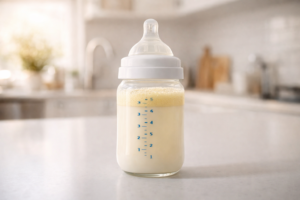
- Use a Warm Water Bath or Gentle Bottle Warmer
- Place the sealed bottle or bag in a bowl of warm (not boiling) water, or
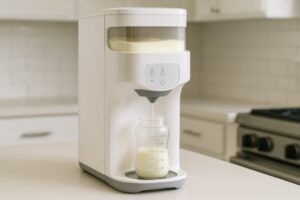
- Use a quality bottle warmer that gently brings milk to feeding temperature (about 98–104°F / 37–40°C).
- Avoid High Heat Sources
Never use boiling water, direct stovetop heat, or excessive warmth — these can degrade protective components.
- Feed Immediately After Reheating
If reheating is done, begin feeding right away and discard any leftover milk promptly.
The Microwave Question: Should You Reheat Breast Milk in the Microwave?
No. Never reheat breast milk in a microwave.
Microwaves create hot spots that can burn a baby’s mouth even if the outside of the bottle feels cool. Additionally, extreme heat from microwaving can destroy valuable antibodies, enzymes, and immune-supporting nutrients that are important for your baby’s health.
Practical Workflow for Safe Reheating
Here’s a simple workflow U.S. moms can follow:
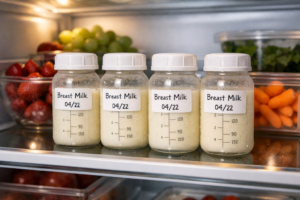
- Label milk bottles with date and warm time.
- Only warm small portions to reduce waste.
- Use a water bath or bottle warmer on gentle settings.
- Do not microwave.
- Feed immediately.
- Discard leftovers after feeding.
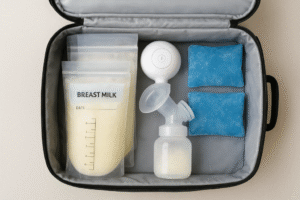
👉 For guidance on storing and organizing expressed milk before reheating, check our full article: How Many Breast Milk Bags Do I Need?
FAQ: Quick Answers for Busy Parents 🤔
Q: Can you put reheated breast milk back in the fridge?
A: No. Once milk has been reheated (second warming), it should be used immediately and any leftovers should be discarded. Refrigerating again increases bacterial risk.
Q: Can you reheat unused milk (unconsumed)?
A: Only if it has been warmed once, immediately chilled, and used within the original 24-hour window from first warming. Even then, further reheating is discouraged.
Q: Can you reheat breast milk in the microwave?
A: No. Microwaving creates uneven heat and destroys nutrients.
Q: How long is refrigerated breastmilk okay to drink after reheating?
A: After milk has been reheated, it should not be stored again. Feed immediately and discard what remains.
Q: How many times can you reheat unused breast milk?
A: Technically zero beyond the first warming. Best practice is warm once and use at once.
Conclusion
When it comes to reheating breast milk, the safest rule of thumb for U.S. parents is:
Warm it once, use it once.
The question “How long does reheated breast milk last?” doesn’t have a long safety window — in fact, reheated milk should be fed immediately and not kept at room temperature afterward. By following safe warming practices, avoiding repeated reheating, and using gentle heat sources, you can confidently maintain high safety standards for your baby.
👉 For complete guidance on refrigerated and frozen breast milk safety, see our full storage guide: How Long Does Breast Milk Last? (Complete USA Guide 2026).