Skip to content
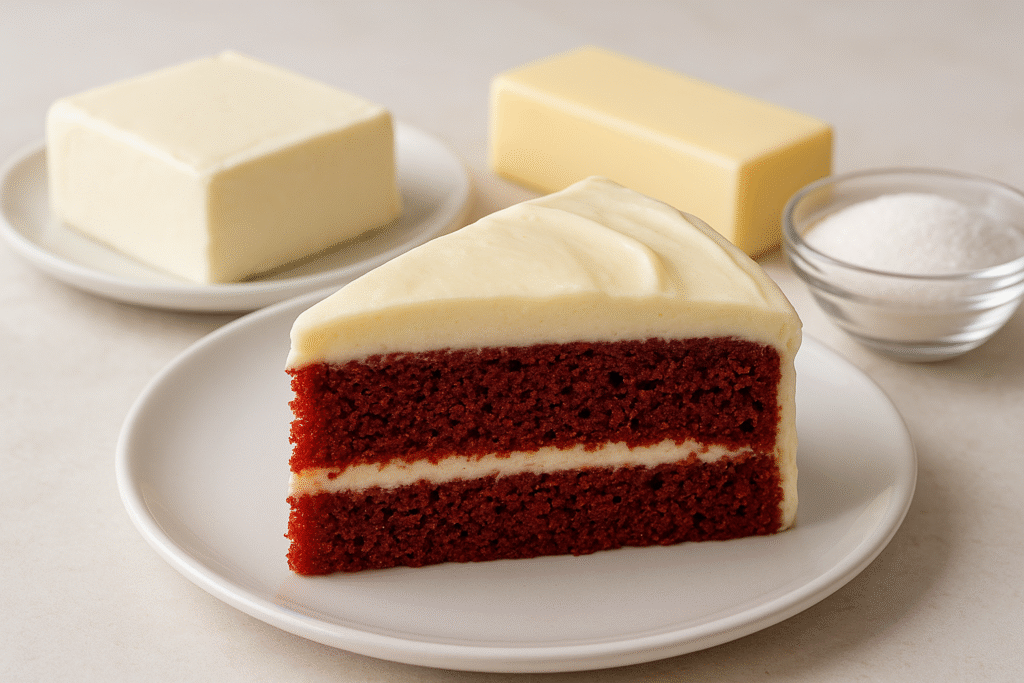
Cream cheese frosting is a classic favorite, but many recipes rely on powdered sugar to achieve that perfectly smooth, fluffy texture. What if you don’t have powdered sugar on hand? Or you prefer to avoid it? The good news is you can make cream cheese icing without powdered sugar and still get silky, spreadable results—if you follow a few key techniques.
The secret lies in properly dissolving the granulated sugar and ensuring that all your dairy ingredients are at the right temperature. In this detailed guide, we’ll cover step-by-step instructions, expert tips to prevent graininess, and flavor variations that make this frosting perfect for cakes, cinnamon rolls, and more.
Section 1: The Secret to Smoothness (Preparation)
Why Granulated Sugar Can Cause Graininess (And How to Fix It)
Granulated sugar can sometimes lead to a slightly gritty texture in frostings, especially when used with cream cheese. To avoid this, follow these crucial tips:
Tip 1 – The Temperature Rule:
All dairy must be at room temperature before mixing. This includes butter and cream cheese. Cold ingredients do not incorporate properly, which leads to lumps and uneven texture.
Tip 2 – Fine Sugar Option:
For an even smoother finish, briefly pulse granulated sugar in a food processor or blender to create a slightly finer sugar. This mimics a quick “caster sugar” and dissolves faster during whipping.
👉 If you want cooked icings or glazes you can also learn how to make frosting with sweetened condensed milk? which is a helpful option for quick family desserts.
Essential Ingredients
- 8 oz cream cheese, room temperature
- 1/2 cup unsalted butter, room temperature
- 3/4 – 1 cup granulated sugar (adjust to taste)
- 1 tsp vanilla extract
- 1–2 tbsp milk or cream (optional, for spreadability)
Essential Tools
- Stand or hand mixer
- Mixing bowl
- Spatula
- Measuring cups and spoons
Section 2: Step-by-Step Recipe
Step-by-Step: Cream Cheese Frosting with Granulated Sugar
Step 1 – Creaming:
Beat the room temperature butter and cream cheese together on medium speed until completely smooth. Take your time here; the smoother this base, the better the final frosting.
Step 2 – Gradual Sugar Addition:
Slowly add granulated sugar, one spoonful at a time, mixing on low. This prevents sugar from flying out of the bowl and allows it to start dissolving gradually.

Step 3 – Whipping for Fluff:
Increase the mixer speed to medium-high and beat for 3–5 minutes. Watch as the frosting becomes lighter, airy, and fully incorporates the sugar.
Step 4 – Finishing Touches:
Add vanilla extract and, if needed, a splash of milk or cream to achieve your desired spreadability. Whip briefly to incorporate.
Pro Tip: Room temperature dairy and slow sugar addition are the keys to a lump-free, creamy frosting.
Section 3: Troubleshooting and Alternatives
Troubleshooting Graininess and Texture Issues
- Problem: Frosting still feels grainy.
Solution: The sugar may not be fully dissolved. Add 1–2 teaspoons of warm milk or cream and whip longer until smooth. - Problem: Frosting too soft or runny.
Solution: Chill the frosting for 30 minutes in the refrigerator to firm up.
Warm milk or cream helps sugar dissolve smoothly. For parents who want reassurance about handling homemade dairy desserts safely you can follow the USDA food safety recommendations for smart storage.
Need Other Icing Options?
This granulated sugar method works best for creamy frostings. If you want other alternatives—like quick glazes, cookie icing, or cooked icings—check out our full guide on how to make icing without powdered sugar?
Section 4: Perfect Pairings for This Smooth Frosting

This frosting works beautifully with a variety of family-favorite baked goods:
- Carrot Cake
- Red Velvet Cake
- Banana Bread
- Cinnamon Rolls
Its creamy texture makes it ideal for spreading or piping, adding a touch of elegance and flavor to any dessert.
Frequently Asked Questions
Q: Can I freeze this frosting?
Yes, store in an airtight container in the freezer for up to 2 months. Thaw in the refrigerator and whip lightly before using.
For more safety guidance the CDC home food handling page gives helpful tips to keep family desserts fresh.
Q: Can I make a chocolate version?
Absolutely! Add 2–3 tablespoons of cocoa powder during the sugar addition step and adjust sugar as needed.
Q: Why is my frosting runny or lumpy?
Runny frosting may be caused by overly warm dairy or too much liquid. Lumps appear when ingredients are too cold. Room temperature dairy and gradual mixing are essential.
Conclusion
Making cream cheese icing without powdered sugar is entirely possible with a few expert techniques. By ensuring your butter and cream cheese are at room temperature and gradually whipping in granulated sugar, you can achieve a smooth, light, and fluffy frosting. This recipe gives parents and caregivers a reliable, versatile, and delicious option for cakes, cinnamon rolls, and other baked treats.