Skip to content
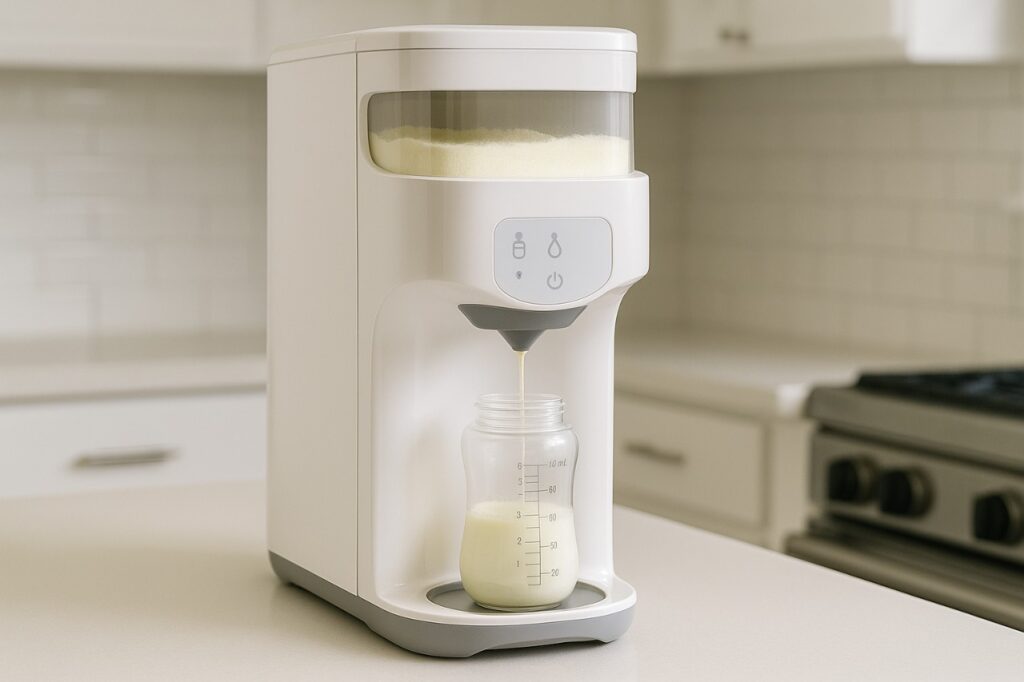
Modern parents are increasingly switching to automated solutions for baby feeding, and formula milk dispensers are at the heart of this shift. These devices ensure convenience, accuracy, and hygiene in every bottle prepared — saving precious time during busy parenting hours.
Quick Summary: Formula Milk Dispensers
-
Formula milk dispensers automatically measure, heat, and mix powdered formula for consistent bottle preparation.
-
Manual dispensers are portable and travel-friendly, while automatic dispensers offer hands-free convenience at home.
-
Accurate powder-to-water ratio helps reduce digestion issues and feeding errors.
-
Daily cleaning, proper drying, and airtight powder storage prevent bacterial growth and contamination.
-
Using water heated to about 70°C improves formula safety according to official guidelines.
-
Regular deep cleaning and filter maintenance keep the dispenser working safely and efficiently.
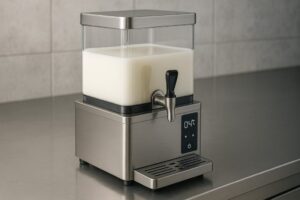
How a Formula Milk Dispenser Works – Visual Overview

Why Formula Milk Dispensers Are Growing in Popularity
Parents today look for reliability, consistency, and cleanliness when preparing infant formula. A formula dispenser helps by automatically measuring, mixing, and dispensing formula milk at the ideal temperature.
Manual scooping often causes uneven mixing or contamination. A dispenser eliminates that risk by controlling the water temperature and powder ratio precisely. The result is a smoother, bubble-free milk that’s easier for your baby to digest.
Types of Formula Milk Dispensers
There are two main types available on the market, each with its own advantages.
1. Manual Formula Dispensers
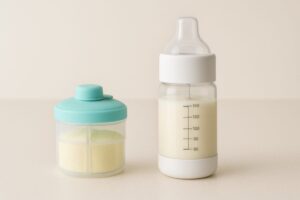
Manual formula dispensers are portable, compact, and divided into small compartments. Parents can pre-measure the formula before heading out and easily pour it into a bottle later.
They’re lightweight, affordable, and perfect for travel or nighttime use. Though simple, these devices require manual mixing, so hygiene depends on careful handling.
2. Automatic Formula Dispensers
Automatic or electric dispensers are smart machines that do all the measuring, heating, and mixing automatically. They use temperature sensors to maintain accuracy and consistency.
When activated, these devices release a perfect mix of warm water and formula, ready to drink within seconds. Brands like Baby Brezza and Tommee Tippee have become popular among parents who value both hygiene and convenience.
How a Formula Milk Dispenser Works
A formula dispenser is built to simplify every step of the preparation process. First, it stores powdered formula in an airtight chamber. Next, when you press a button, it measures the right quantity of powder and mixes it with pre-heated water. The milk is then dispensed directly into your baby’s bottle — ready to serve at the ideal drinking temperature.
This automation ensures the same consistency every time, reducing errors and maintaining perfect formula concentration for your baby’s safety.
Key Benefits of Using a Formula Dispenser
A formula milk dispenser provides multiple advantages for new parents:
- It ensures a hygienic preparation process by reducing manual contact.
- It maintains precise formula-to-water ratios.
- It saves time, especially during midnight feeds.
- It eliminates the risk of overheating or under-heating.
- It reduces parental stress and helps deliver consistent results.
Safety and Hygiene Tips
Keeping the dispenser clean and following safe formula preparation practices are essential.
1. Daily Cleaning Routine
Always detach the water tank, nozzle, and mixing chamber after daily use.
Wash with mild, soapy water and air-dry completely before reassembling.
Avoid leaving any leftover formula residue, as bacteria can grow quickly in a warm environment.
2. Use Sterile Water
The CDC recommends preparing formula with boiled and cooled water at approximately 158°F (70°C) to kill harmful bacteria.
👉 For additional preparation standards and handling rules, parents can also review the CDC infant formula preparation safety guidelines for updated regulatory recommendations.
3. Keep the Powder Airtight
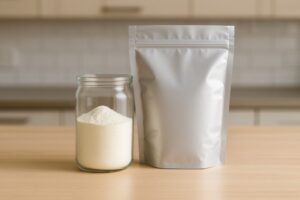
Humidity can cause formula powder to clump or spoil. Always store the powder in a sealed container and avoid exposure to moisture.
4. Avoid Cross-Contamination
Use a separate scoop for each type of formula. Wash hands thoroughly before assembling or refilling the dispenser.
How to Clean and Maintain a Formula Dispenser

Cleaning a formula milk dispenser focuses mainly on maintaining internal machine parts that come into contact with water and powdered formula. Proper maintenance prevents mineral buildup, residue accumulation, and bacterial growth inside the system.
Start by disassembling removable components such as the powder funnel, mixing chamber, nozzle, and water tank. Rinse these parts with warm water to remove visible residue. Use a soft brush to clean narrow openings where powder may collect.
Many automatic dispensers include a self-clean or rinse cycle. Run this feature daily to flush internal tubing and sensors. If your model supports descaling, perform it monthly to remove mineral deposits from heated water systems. The AAP recommendations for cleaning baby feeding equipment also emphasize proper drying and avoiding moisture buildup to reduce bacterial exposure in infant feeding tools.
Always allow all machine parts to air-dry fully before reassembly to prevent trapped moisture inside internal chambers. Regular filter replacement and sensor cleaning help maintain consistent temperature accuracy and mixing performance.
Most modern dispensers are BPA-free and NSF-certified, meeting strict food safety standards.
👉 For hand-cleaning practices related to bottles, scoops, and storage containers, refer to our guide on manual bottle and container hygiene for safe everyday handling.
Formula Milk Dispenser Cleaning & Safety Checklist (Visual Guide)

When Should You Deep Clean or Replace a Dispenser?
If you notice any residue or odor even after cleaning, it’s time for a deep wash.
If the dispenser takes longer to mix or the water flow slows down, it may need filter replacement.
Keeping a regular maintenance schedule ensures consistent performance.
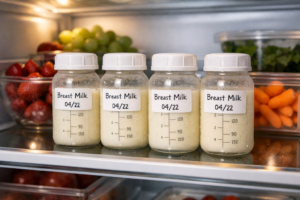
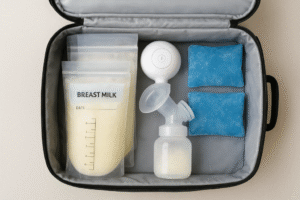
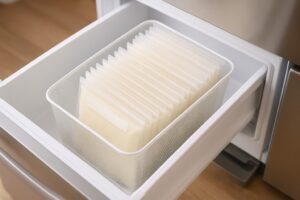
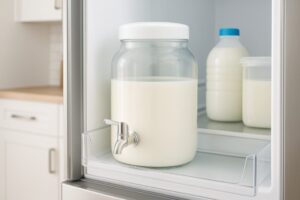
👉 If you also store expressed milk at home, understanding milk storage safety and refrigeration best practices helps maintain freshness and prevent spoilage.
Home Formula Dispenser vs Regular Bottle Preparation (Quick Clarification)
A home formula milk dispenser simplifies daily feeding by automating accurate measuring, consistent temperature control, and smooth mixing in one step. This reduces preparation time and helps maintain consistent feeding quality for busy parents. This accuracy is crucial, as the AAP (American Academy of Pediatrics) notes that improper formula concentration can lead to nutritional imbalances or digestive issues.
Manual preparation still requires careful scooping, correct water temperature, and thorough mixing every time, which can increase effort and the chance of human error during late-night feeds. Automatic dispensers mainly focus on speed, consistency, and reduced handling—supporting CDC recommendations for maintaining a hygienic environment during infant feeding.
👉 If you want a detailed comparison of manual tools used for travel, portion storage, and portable feeding routines, you can explore our dedicated guide on Formula Container vs Dispenser Bottle.
Frequently Asked Questions
A: No. These machines are designed for powdered formula only. Using liquid milk can clog the system and make it unsafe.
A: At least once every 24 hours, or after every 4–5 feeds. Always clean before switching to a new formula type.
A: Yes — as long as they maintain 70°C water temperature and use BPA-free materials.
A: No, formula milk dispensers use very little electricity. They only heat small amounts of water when preparing a bottle and many models include energy-saving standby modes.
A: No, most modern formula dispensers operate quietly. Any motor or heating sound is usually soft and suitable for nighttime feeding without disturbing sleep.
A: Yes, filtered or bottled water can be used safely. Always ensure the water is properly heated and follow manufacturer and official safety guidelines.
Why Trust Fooder Ghor?
At Fooder Ghor, we provide carefully researched content based on trusted U.S. health and food safety authorities such as the CDC, USDA, FDA, and AAP. Our mission is to help U.S. parents and families use milk safely and make confident, informed decisions for their children and households. We simplify complex guidelines into practical, mom-friendly advice and regularly update our content to reflect the latest safety recommendations.
Conclusion
Formula milk dispensers simplify feeding for parents while maintaining hygiene and consistency.
They are efficient, reliable, and perfect for busy families who need to prepare multiple bottles each day.
When cleaned and maintained properly, these machines provide safe, perfectly mixed formula every single time.
If you want a dependable and hygienic solution for infant feeding, a formula milk dispenser is an excellent investment for your baby’s health and your peace of mind.
👉 For more insights on storage and refrigeration, you can explore our internal post The Ultimate Guide to Fridge Milk Dispensers.