Skip to content
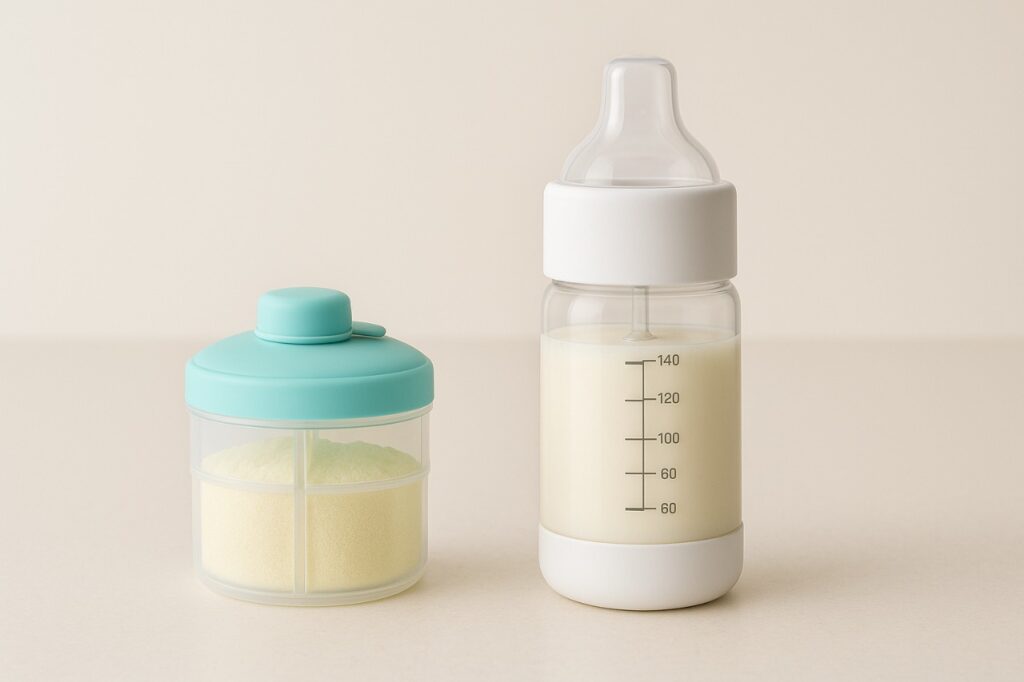
Formula Container vs Dispenser Bottle is a common question for parents who want to prepare baby formula safely, especially when balancing convenience, hygiene, and travel needs. With many feeding tools available today, choosing the right option can feel confusing. Some parents prefer organized storage and portion control. Others need quick, manual mixing while on the go. Understanding how each tool works helps you make confident feeding decisions without unnecessary stress.
In this guide, you’ll learn the real differences between containers and dispenser bottles, when each option works best, and how to use them safely based on your routine and lifestyle.
Quick Summary: Formula Container vs Dispenser Bottle
-
Formula containers help store pre-measured powder safely and keep it dry for later use.
-
Dispenser bottles allow manual, on-the-go mixing without electricity or heating systems.
-
Containers are better for portion control and organized storage at home or in diaper bags.
-
Dispenser bottles are ideal when quick preparation is needed during travel or outings.
-
Proper cleaning, drying, and moisture control reduce contamination risks in both tools.
-
Choosing between them depends on portability needs, feeding routine, and hygiene preference.
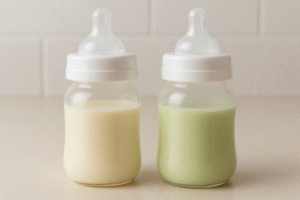
Formula Container vs Dispenser Bottle — Visual Comparison Guide

The Importance of Accurate Formula Preparation:
Preparing baby formula may sound simple, but accuracy in powder-to-water ratio is critical for your baby’s health. Using the right tools — such as formula containers and dispenser bottles — ensures you get the perfect mix every time.
For U.S. parents, it’s also essential to follow the CDC’s official safety guidelines to prevent bacterial contamination.
Understanding the Tools: Container vs Dispenser:
Not all formula tools serve the same purpose. While containers help with storage and portioning, dispenser bottles focus on quick and precise mixing.
1. Formula Containers (Storage Focus)
Formula containers are designed to keep powdered milk fresh, dry, and clump-free.
They often come with multiple compartments or airtight lids, helping you store pre-measured portions for later use.
Perfect for travel or night feeds, these containers are lightweight and easy to clean.
Benefits:
- Airtight seal to prevent moisture
- Pre-measured compartments for easy feeding
- Portable and travel-friendly
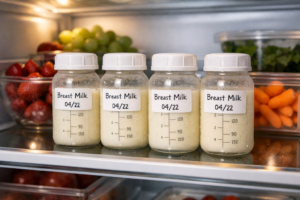
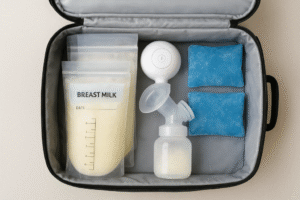
👉 If you’re also storing expressed milk alongside powdered formula, our complete guide on breast milk storage safety and shelf life explains temperature control, container hygiene, and freshness tracking in detail.
2. Dispenser Bottles for Manual, On-the-Go Formula Mixing
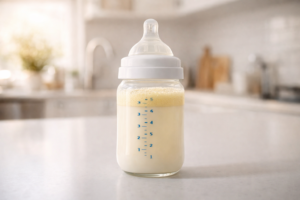
Dispenser bottles are designed for parents who want simple, manual formula preparation while traveling or feeding outside the home. These bottles keep powdered formula and water separated until you are ready to mix, helping maintain freshness and hygiene.
Unlike electric machines, dispenser bottles do not rely on power, heating systems, or automated mixing. Parents simply release the compartment and shake gently to prepare the bottle. This makes them lightweight, portable, and ideal for diaper bags, road trips, daycare, and overnight travel.
Because the process is fully manual, parents stay in control of portion size, cleanliness, and timing. Dispenser bottles work best for families who prioritize flexibility, simplicity, and portability over automation.
Safety First: CDC Guidelines for Formula Preparation:
According to the CDC, formula powder is not sterile. It should be mixed with water heated to at least 70°C (158°F) and used within two hours of preparation.
Cleanliness is key — always sanitize bottles, scoops, and lids before each use.
How to Avoid Powder Clumping and Contamination
To keep the formula smooth and safe:
- Always dry the scoop completely before dipping it back into the powder.
- Avoid leaving containers open in humid environments.
- Store in a cool, dry place away from direct sunlight.
According to the CDC’s official infant formula safety guidelines, powdered formula is not sterile and should be prepared using properly heated water and strict hygiene practices to reduce bacterial risk.
Travel & On-the-Go: Which Tool Wins?
For home use, a formula dispenser bottle offers convenience and fast preparation.
For travel or daycare, formula containers are unbeatable — they keep pre-measured portions secure and ready to mix at any time.
Some parents even use both: containers for storage and dispenser bottles for travel feeds.
Recommended Safe Storage Practices:

Cleaning and hygiene for formula containers and dispenser bottles focuses mainly on manual handling and moisture control. Always wash your hands thoroughly before touching scoops, lids, or compartments.
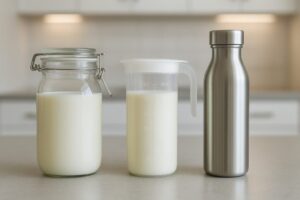
After each use, wash all container parts with warm soapy water and rinse well. Allow everything to air-dry completely before refilling to prevent trapped moisture, which can encourage bacterial growth. The USDA recommends keeping milk and milk-related products stored at or below 40°F and avoiding temperature fluctuations to slow bacterial growth and preserve quality.
Keep scoops dry at all times and avoid placing them on kitchen surfaces where contamination may occur. During travel, store containers inside clean, sealed pouches to protect them from dust and humidity.
Never return unused formula powder back into the container once it has been exposed to air or moisture. Proper manual hygiene protects powder quality and feeding safety.
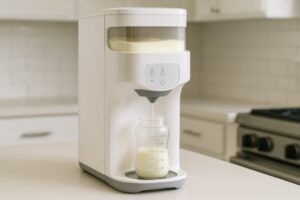
👉 If you’re looking for fully automatic, hands-free bottle preparation at home, you can explore our complete guide on Formula Milk Dispensers for hands-free feeding convenience.
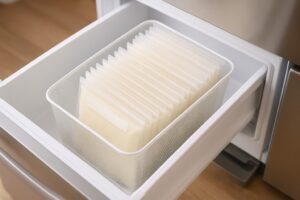
👉 For more milk-related storage tips, check out our detailed guide on How to Organize Breast Milk in Freezer? (Flat-Freezing & FIFO Guide).
Common Questions About Formula Containers & Dispenser Bottles
A: No. It’s safest to prepare formula only when needed. Once mixed, it should be consumed within 2 hours or refrigerated for up to 24 hours, following CDC guidelines.
A: Use boiled water cooled to around 70°C (158°F)to destroy potential bacteria in the powder before mixing.
A: Yes. Dispenser bottles are safe for travel when cleaned properly and kept dry between uses. Because they do not use electricity or heating elements, they are lightweight and easy to carry in diaper bags or travel kits. Always wash and fully dry the bottle compartments before refilling to prevent moisture buildup and bacterial growth.
A: Yes. Many parents use both tools depending on their routine. Formula containers are excellent for storing pre-measured powder portions at home or in travel bags. Dispenser bottles are useful when you need to mix a bottle quickly while outside. Using both allows better organization, flexibility, and portion control without relying on powered devices.
A: Yes. Most BPA-free plastic and glass containers are dishwasher-safe, but always check the manufacturer’s care instructions.
Why Trust Fooder Ghor?
At Fooder Ghor, we provide carefully researched content based on trustedU.S. health and food safety authorities such as the CDC, USDA, FDA, and AAP. Our mission is to help U.S. parents and families use milk safely and make confident, informed decisions for their children and households. We simplify complex guidelines into practical, mom-friendly advice and regularly update our content to reflect the latest safety recommendations.
Conclusion: Making Your Safe Formula Gear Choice:
Choosing between a formula milk container and a formula dispenser bottle depends on your daily routine:
- Use containers for pre-measured, on-the-go storage.
Use dispenser bottles for instant, precise mixing. For the best results, combine both to ensure accuracy, hygiene, and convenience wherever you feed your baby.