Skip to content
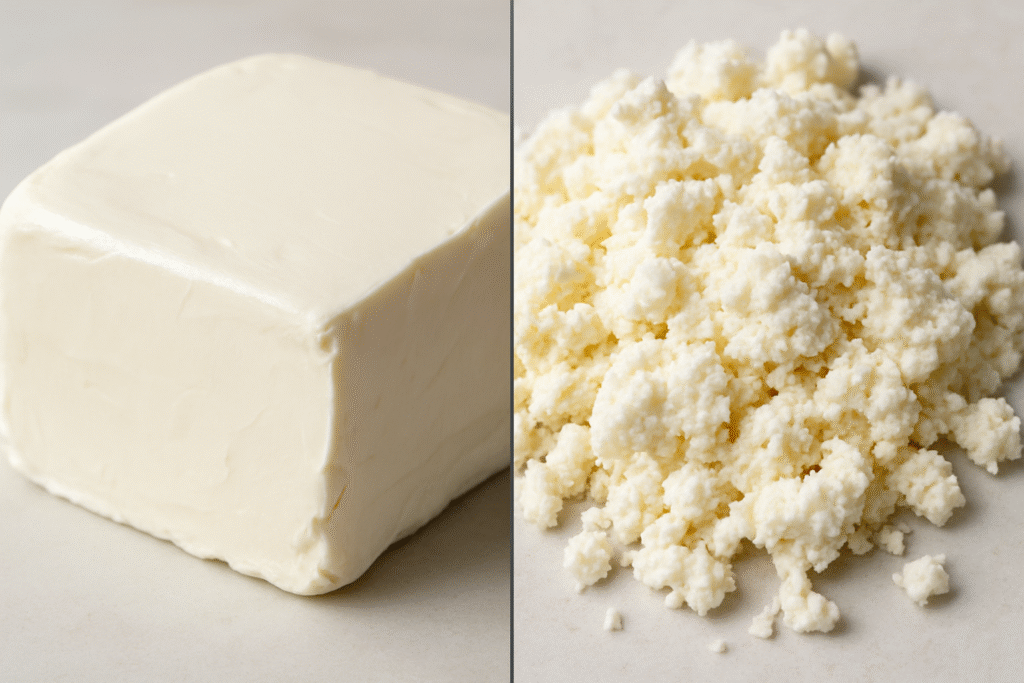
Soft cheese is loved for its creamy, spreadable texture and gentle flavor. But when you have leftover cream cheese, ricotta, or goat cheese sitting in your fridge, one question always comes up — can you freeze soft cheese? The answer is yes, but there are a few important things you must know before popping it into the freezer.
As a mom who often stores food for later, freezing cheese can feel like a smart, waste-saving idea. Still, not every cheese behaves the same way once frozen. This guide explains exactly what happens to soft cheese in the freezer, how to freeze it safely, and the best ways to use it after thawing.
The Texture Truth: Why Soft Cheese Becomes Crumbly
Soft cheeses such as cream cheese, ricotta, and chèvre have a high moisture and low fat content. When they are frozen, the water inside forms large ice crystals. These crystals break the delicate structure that keeps the cheese smooth and spreadable. Once thawed, the cheese often separates or turns grainy.
The University of Wisconsin–Madison’s Dairy Research Center explains that freezing causes protein and fat separation in most dairy products due to crystallization.
That is why thawed soft cheese rarely looks the same as when it was fresh — but that does not mean it is unsafe or unusable. You just need to use it the right way.
Freezing Cream Cheese and Mascarpone
Cream cheese and mascarpone are very sensitive to freezing. The best approach is to freeze them only for cooking or baking purposes, not for spreading on bagels later.
How to freeze:
- Keep them in their original foil or plastic packaging.
- Place the package inside a freezer-safe bag to prevent freezer burn.

- Freeze up to two months for best flavor.
After thawing:
- Expect some water separation. Stir gently to blend.
- Use in cooked dishes like casseroles, dips, or frosting where texture changes are not noticeable.
Transition tip: Always label your package with the date before freezing. It makes rotation and safety easier.
Freezing Ricotta and Cottage Cheese
These cheeses contain a lot of water, which makes them tricky to freeze. After thawing, ricotta or cottage cheese often turns watery or grainy. However, they still work wonderfully in baked dishes.
Freezing tips:
- Portion into small containers or resealable bags.
- Remove extra air before sealing.
- Freeze up to six weeks.
Best uses after thawing:
- Lasagna layers
- Stuffed shells or manicotti
- Baked cheesecakes
In cooking, the heat helps smooth out most texture issues, making thawed ricotta just as delicious as fresh.
Freezing Brie and Soft Goat Cheese (Chèvre)
Brie and soft goat cheese are semi-soft varieties that freeze better than creamier cheeses. The natural rind on Brie offers a bit of protection, though its inside will still lose some creaminess.
How to freeze Brie:
- Cut into wedges and wrap tightly in plastic wrap.
- Place inside an airtight container.
- Freeze for up to three months.
👉 Learn more in our full guide to freezing brie cheese safely.
Soft Goat Cheese (Chèvre)
It tends to lose spreadability after freezing but remains flavorful. Store it tightly sealed and thaw in the fridge overnight.
👉 Read about how to safely freeze soft goat cheese.
Pro Tips for Freezing Soft Cheese Like a U.S. Mom
Freezing cheese successfully is all about preparation and temperature control.
Follow these easy steps:
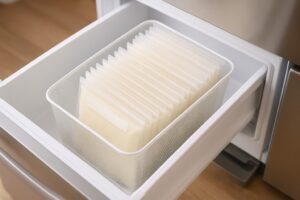
- Divide cheese into small, meal-sized portions.
- Use airtight containers or double-layer freezer bags.
- Label each container with the name and date.
- Store in the coldest part of the freezer.
- Thaw only inside the refrigerator — never on the counter.
👉 The USDA Food Safety and Inspection Service recommends keeping cheese below 0°F to maintain quality.
These small steps prevent freezer burn and maintain safety for your family.
The Best Way to Use Thawed Soft Cheese (Melted!)
Even though frozen soft cheese may lose its smoothness, you can still enjoy it in delicious, family-friendly recipes. Use it in dishes where it will melt or blend with other ingredients.
Best recipes using thawed soft cheese:
- Creamy pasta sauces

- Baked dips and casseroles
- Cheesecake fillings
- Grilled cheese sandwiches
- Stuffed chicken or vegetables
The key is heat — once melted, the texture difference almost disappears, and the cheese becomes creamy again.
FAQ: Freezing Soft Cheeses
Q1: Can I freeze cottage cheese?
Yes, but expect a watery texture after thawing. It works best in cooked recipes like lasagna or baked casseroles.
Q2: Does freezing ruin the taste of cream cheese?
Not completely. It slightly changes the texture but the flavor remains fine when used in baked goods or dips.
Q3: Can I freeze ricotta cheese for cheesecake?
Absolutely. Thawed ricotta can be used in cheesecakes as long as you drain excess water before mixing.
Q4: How long can soft cheese stay frozen safely?
Up to three months for the best flavor and texture. Beyond that, it remains safe but may lose quality.
Q5: Should I freeze soft cheese in its original packaging?
Yes, if unopened. For opened cheese, wrap it tightly in plastic wrap and place it in a freezer bag.
Q6: Is it safe to refreeze soft cheese after thawing?
No. Refreezing can lead to bacterial growth and further texture damage. Always use once thawed.
Conclusion
Freezing soft cheese is possible and safe when done the right way. While the texture may change slightly, it can still add rich flavor to many cooked dishes. For busy moms, freezing cheese helps reduce waste and keeps meal prep easy during the week.
So yes, if you’ve ever wondered can you freeze soft cheese, the answer is yes — just freeze it correctly and use it in cooked dishes for the best results. Remember — freeze it fresh, thaw it slowly, and use it hot for the best results.