Skip to content
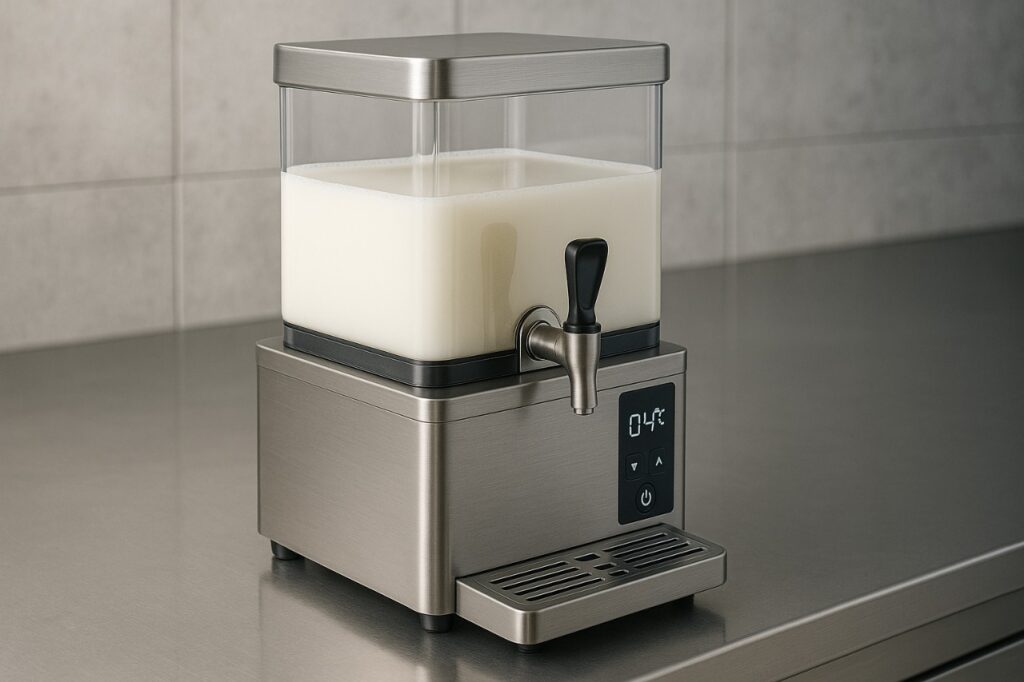
Milk dispensers have become essential in every modern cafeteria, restaurant, and commercial food-service environment. They help maintain consistent milk temperature, reduce waste, and improve hygiene — making them indispensable for smooth operations.
This complete guide explains everything about cafeteria milk dispensers and milk dispenser machines, their working process, benefits, maintenance, and the right way to choose one for your business.
Quick Summary: Cafeteria Milk Dispenser & Machine Guide
-
Cafeteria milk dispensers keep milk stored at safe temperatures between 33°F–40°F for food safety and freshness.
-
Gravity-fed dispensers work best for small cafeterias, while pump-driven machines support high-volume commercial service.
-
Touch-free dispensing reduces cross-contamination and improves hygiene in self-service environments.
-
Daily sanitation, proper disassembly, and approved food-service detergents prevent residue buildup and bacterial growth.
-
Stainless steel, BPA-free materials, and NSF certification ensure durability and regulatory compliance.
-
Energy-efficient compressors and eco-friendly refrigerants help lower operational costs and environmental impact.
Why Cafeterias Need a Dedicated Milk Dispenser
In cafeterias or restaurants, milk is used continuously for coffee, cereals, desserts, and more. Storing milk in bottles or jugs often leads to temperature fluctuations, spillage, and bacterial contamination.
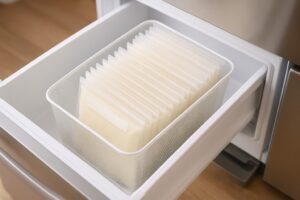
A milk dispenser machine eliminates these problems by maintaining an ideal temperature range (33°F–40°F), preventing waste, and allowing quick and hygienic serving. For busy cafeterias and self-service setups, this ensures both efficiency and safety. This temperature range aligns with USDA dairy storage safety recommendations for preventing spoilage and bacterial growth. Preventive storage routines follow similar principles outlined in our Breast Milk Freezer Organization Guide.
How a Milk Dispenser Machine Works
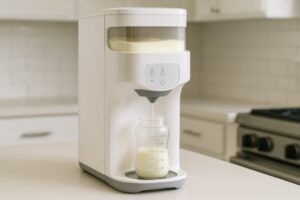
A cafeteria milk dispenser functions like a refrigerated tank system. The milk is stored inside a stainless-steel or food-safe container. A cooling compressor keeps the milk fresh, and a valve or spout dispenses the milk easily when required.
Modern dispensers feature digital temperature control, insulated tanks, touch-free sensors, and automatic shut-off systems that stop dripping and maintain hygiene. This makes them reliable for commercial setups where hundreds of servings happen daily.
👉 For a more detailed look into home and commercial dispensers, check our Milk Dispenser Guide.
How a Cafeteria Milk Dispenser Machine Works (Visual Flow)

Gravity-Fed vs Pump-Driven Milk Dispensers

There are mainly two types of cafeteria milk dispensers based on how the milk is served.
Gravity-Fed Dispensers:
These are simple systems that allow milk to flow naturally through a spout using gravity. They are energy-efficient, affordable, and suitable for smaller cafeterias with lower volume.
Pump-Driven Milk Dispenser Machines:
These are advanced dispensers powered by electric pumps that push milk evenly through a nozzle. They deliver faster service, maintain stable temperatures, and are perfect for large-scale use in hotels, schools, or hospitals.
The pump system also allows precise portion control and prevents manual contact with milk, improving hygiene and efficiency. Many commercial machines are designed to meet NSF food equipment sanitation standards for safety and cleanability.
Benefits of a Milk Dispenser Machine in Cafeterias
Using a professional-grade milk dispenser provides multiple advantages for commercial kitchens and cafeterias.
- It ensures consistent milk temperature and quality.
- It saves time during busy hours by speeding up service.
- It reduces waste and operational costs.
- It prevents contamination through contactless serving.
- It maintains hygiene and meets food safety standards.
These practices support FDA food equipment sanitation guidelines used in commercial kitchens.
Cleaning and Maintenance for Food Safety

Cleaning protocols for cafeteria milk dispensers follow commercial food-service sanitation standards rather than household cleaning routines. Machines should be sanitized daily at closing and inspected before the next service cycle.
Staff should fully drain the milk tank, disassemble dispensing valves, drip trays, and seals, and clean them using approved food-service detergents. High-contact surfaces must be wiped with sanitizing solutions according to local health regulations.
Commercial dispensers should comply with NSF food equipment standards to ensure material safety and cleanability. In high-volume environments, twice-daily sanitation may be required to prevent residue buildup and bacterial contamination.
Maintenance logs, scheduled inspections, and staff training help ensure consistent hygiene and regulatory compliance across food-service operations. For safety and temperature control, follow the official CDC Food Safety Guidelines for Dairy Handling.
👉 For smaller household systems and family-use devices, see our guide on home milk dispenser maintenance and cleaning routines.
Cafeteria Milk Dispenser Cleaning & Sanitation Checklist (Visual Guide)

Design and Material Considerations:
Cafeteria milk dispensers are typically made from stainless steel for durability and ease of cleaning.
Inside, the milk tank is insulated to maintain temperature and prevent bacterial growth.
Always choose models that are:
- BPA-free and food-grade.
- Easy to disassemble and dishwasher-safe.
- Certified by NSF for food safety compliance.
Some dispensers even include glass viewing windows to check milk levels without opening the lid, reducing air exposure.
👉 For better storage compatibility, explore our Milk Storage Containers comparison post.
Where Cafeteria Milk Dispensers Are Used:
These dispensers are ideal not only for cafeterias but also for other commercial environments like hotels, schools, hospitals, and corporate kitchens. They ensure continuous service, easy refilling, and energy-efficient cooling throughout the day. In larger settings, they can also be connected to automated beverage systems for seamless milk flow.
Maintenance and Troubleshooting:
- Perform a general inspection at least once a month.
- Check compressor vents to make sure they are clean.
- Replace worn-out gaskets and seals.
- Avoid overfilling the milk tank.
- If the cooling is inconsistent, clean the condenser coils and check the ventilation.
Proper maintenance ensures consistent performance and extends the life of the machine up to 8 years or more.
Cafeteria vs Household Milk Dispensers:
Cafeteria dispensers are engineered for continuous operation, high-volume output, and strict commercial hygiene standards, while household models are designed only for light personal use and lower capacity.
👉 For home and family-use milk dispenser solutions, explore our complete guide on Formula Milk Dispensers.
Eco-Friendly and Energy Efficiency:
Many new commercial milk dispensers use eco-friendly refrigerants and energy-saving compressors. These not only reduce operational costs but also lower environmental impact. Some advanced models feature smart sensors that track milk level and temperature — allowing cafeteria managers to monitor usage and reduce waste.
Frequently Asked Questions
A: At least once daily, and twice a day for heavy use.
A: Yes, but always keep separate dispensers for dairy and non-dairy products to avoid contamination.
A: Up to 24 hours at or below 40°F, if properly stored and handled.
A: Yes. Touch-free dispensers improve hygiene, reduce cross-contamination, and are more efficient for self-service setups.
A: Most commercial milk dispensers use energy-efficient compressors and consume similar power to a small refrigerator. Actual usage depends on capacity, runtime, and ambient temperature.
A: Insulated milk tanks can maintain safe temperature for a short time, but milk should be discarded if temperature rises above 40°F for extended periods.
Why Trust Fooder Ghor?
At Fooder Ghor, we provide carefully researched content based on trusted U.S. health and food safety authorities such as the CDC, USDA, FDA, and AAP. Our mission is to help U.S. parents and families use milk safely and make confident, informed decisions for their children and households. We simplify complex guidelines into practical, mom-friendly advice and regularly update our content to reflect the latest safety recommendations.
Conclusion:
Cafeteria milk dispensers and milk dispenser machines are vital for maintaining safe, efficient, and hygienic milk service in any commercial setting. By choosing the right dispenser and following proper cleaning protocols, you can ensure consistent milk quality and streamline service.
Whether you manage a school, restaurant, or hospital cafeteria, these machines offer the perfect balance of convenience, food safety, and professionalism for your operation.