Skip to content

Simplifying the Pumping Journey
What Is the 555 Rule for Pumping? For many American moms returning to work or managing a busy U.S. household, this question is the key to continuing their breastfeeding journey without burnout. The biggest challenge isn’t the pump itself; it’s the mental load of knowing when and how often to do it. This is where ‘rhyming rules’ save the day.
The 555 rule for pumping is widely considered the gold standard for working mothers, providing a realistic balance between maintaining a robust milk supply and having a life outside of the pump. But as you’ll learn in this 2026 guide, there’s an entire ecosystem of schedules—including the 666 rule for night shifts, the 444 and 333 rules for supply protection, and the high-intensity 30/30/30 power pumping method for emergencies. Whether you are building a freezer stash or just trying to survive the first week back at the office, this comprehensive guide breaks down every proven schedule to help you stay stress-free.
Quick Summary: Which Pumping Rule Should You Follow?
If you are standing in your kitchen with a pump in hand and need an answer now, here is the fast track:
-
For Working Moms (9-5): Use the 555 Rule (5 AM / 1 PM / 9 PM).
-
For Boosting Low Supply: Use the 30/30/30 Power Pumping method.
-
For Night Shift Workers: Use the 666 Rule (6 AM / 12 PM / 6 PM / 12 AM).
-
For New Moms/Conservative Care: Use the 444 Rule (Every 4 hours).
-
For Emergency Supply Increase: Use the 333 Night Cluster (9 PM / 12 AM / 3 AM).
The 555 Rule for Pumping (Daily Pumping Schedule Visual)

ALL Pumping Rules Compared (Master Table)

Before we dive into the deep mechanics of each rule, use this master table to compare the output expectations and timings.
| Rule | Sessions/Day | Primary Timing | Best For | Output Expectation |
| 555 Rule | 3-5 sessions | 5AM / 1PM / 9PM | Working moms | 20-25oz total |
| 666 Rule | 4-6 sessions | 6AM / 12 / 6 / 12 | Night shift workers | 25-30oz total |
| 444 Rule | 6 sessions | Every 4 hours | Low supply concerns | 18-22oz total |
| 333 Rule | 8 sessions | Every 3 hours | Max production/NICU | 25+ oz total |
| 333 Night | 3 night sessions | 9PM / 12AM / 3AM | Overnight boost | 8-12oz (night only) |
| 30/30/30 | 1.5 hr cycle | 1-2x per day | Emergency supply drop | 2-3x supply boost |
Note: These pumping intervals are designed to maintain supply by mimicking infant feeding patterns as recommended by the AAP (American Academy of Pediatrics) and CDC clinical guidelines.
Deep Dive: What Exactly Is the 555 Rule for Pumping?
The 555 rule for pumping is more than just a schedule; it’s a biological hack. Developed specifically for U.S. moms returning to the office, it focuses on three key sessions: 5 AM, 1 PM, and 9 PM.
Why the 555 Schedule Works Perfectly:
- Matches Prolactin Peaks: Your body naturally produces the most milk in the early morning (around 5 AM) and evening. By pumping at these times, you are working with your hormones, not against them. This aligns with the AAP clinical reports on breastfeeding, which explain how hormonal cycles (specifically prolactin and oxytocin) drive milk production levels throughout the day.
-
The 8-Hour Work Gap: By pumping at 1 PM (your lunch break), you effectively bridge the gap between your morning and evening sessions without needing to stop every two hours at the office.
-
Sleep Optimization: One of the biggest reasons moms stop pumping is exhaustion. The 555 rule allows for a 7-8 hour sleep window between 9 PM and 5 AM, which is vital for mental health.
Daily 555 Pumping Schedule Breakdown:
-
5:00 AM (20 min): Expected 4-6 oz. This is your highest yield of the day. Do not skip this!
-
1:00 PM (15 min): Expected 3-5 oz. A quick session in the office lactation room to maintain demand.
-
9:00 PM (20 min): Expected 4-6 oz. An evening “cluster” pump to empty the breasts before bed.
👉 Knowing when to pump is step one. To know exactly how many minutes each session should last for maximum output, read: How Long Do I Pump Breast Milk?.
The 666 Rule for Pumping: The Night Shift Savior
What is the 666 rule for pumping? This rule is designed for those who don’t follow a standard 9-to-5, such as night-shift nurses or first responders. It follows a strict 6-hour interval: 6 AM, 12 PM, 6 PM, and 12 AM.
-
Pros: It ensures 24-hour demand signaling, preventing the “overnight supply drop” that many moms fear.
-
The 12 AM Session: This is the most critical part of the 666 rule. Skipping the midnight pump can lead to a significant drop in production because the body interprets the long gap as a signal to stop making milk.
The 444 and 333 Rules: Conservative & Emergency Growth
Sometimes, life (or illness) causes a dip in supply. When that happens, the 555 rule might not be enough. You need to increase the “demand” frequency.
The 444 Rule (Conservative Approach)
The 444 rule for pumping means never going more than 4 hours without a session. This is typically used:
-
During the first 2-3 weeks postpartum to “establish” supply.
-
If your baby is going through a growth spurt.
-
If you have a history of low supply. Schedule: 6 AM, 10 AM, 2 PM, 6 PM, 10 PM, 2 AM.
The 333 Rule for Pumping (Day & Night)
This is an intense, short-term strategy.
-
The 333 Method: Pumping every 3 hours for 3 days.
-
The 333 Rule at Night: Pumping at 9 PM, 12 AM, and 3 AM. This “Night Cluster” is the fastest way to trigger a prolactin surge and rebuild a freezer stash after a stressful week.
👉 While these rules help in emergencies, your daily frequency should change as your baby grows. See our age-based guide: How Often Should I Pump Breast Milk?.
The “Nuclear Option”: 30/30/30 Power Pumping

What is the 30 30 30 rule for pumping? This isn’t a schedule you follow all day. It is a 90-minute technique used to fix an emergency supply drop.
The 30/30/30 Pumping Method:
-
Pump for 30 minutes.
-
Rest for 30 minutes.
-
Pump for 30 minutes.
The Results: Moms often report a 2x to 3x increase in daily supply within 48 to 72 hours of doing this once per day. It mimics a “cluster-feeding” baby, sending a powerful signal to your brain to increase production immediately.
This intensive method is a widely recognized strategy by lactation consultants to trigger a prolactin surge. It aligns with the USDA WIC breastfeeding support protocols, which emphasize frequent breast emptying to overcome sudden supply drops.”
Step-by-Step: Quick Pumping Tips for Max Output
Following the 555 or 666 rule is only effective if your pumping technique is optimized. To get the most milk out of every session without feeling overwhelmed, keep this quick checklist in mind:
-
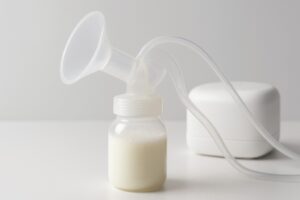
Relax & Prep: Take 60 seconds to massage your breasts or look at your baby’s photo. This simple act triggers the “let-down” reflex, making milk flow much easier.
-
Comfortable Suction: Never use the highest setting thinking it will get more milk. Stronger suction often causes pain, which actually stops the milk flow.
-
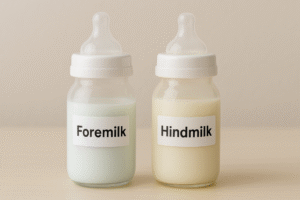
The Power Finish: Once the pump stops, try 2 minutes of hand expression. This helps release the fat-heavy “hindmilk” that machines sometimes leave behind.
📌 Master the Setup: To maximize your output, you can use manual expression or an electric pump. If you are just starting your journey or feeling confused about choosing between manual vs. electric pumps or how to find the perfect flange size, check our full guide: How to Start Pumping Breast Milk Safely? A Step-by-Step Beginner’s Guide.
Next Step: Transitioning from Pumping to Safe Storage

It’s easy to get confused because both use the ‘555’ pattern, but they serve two very different purposes. While the 555 Pumping Rule is a method for milk extraction (5 AM / 1 PM / 9 PM), the 5-5-5 Storage Rule focuses on safety and biological shelf life.
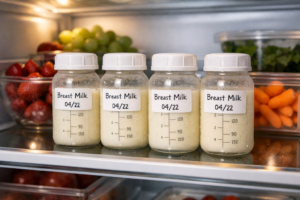
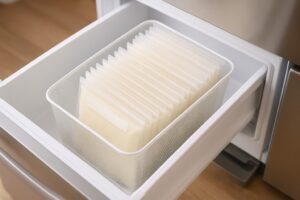
Once you have successfully collected your milk, the priority shifts from production to preservation. To ensure your ‘liquid gold’ remains high-quality and free from bacteria, you must follow specific safety windows for room temperature, refrigeration, and freezing.
👉 For a complete, printable breakdown of all storage limits (including 6-6-6 and 4-4-4 rules), see our master guide: What Is the 5-5-5 Rule for Breast Milk Storage?.
💡 Pro-Tip: Never mix freshly pumped warm milk with chilled milk in the same bag. Allow the fresh milk to cool in the fridge for 10–15 minutes first. For the exact steps on how to do this safely, check our guide on Can You Mix Refrigerated Breast Milk with Fresh?.
Common Pumping Mistakes to Avoid
- Thinking Higher Suction = More Milk: Pain inhibits the let-down reflex. Keep the suction at a comfortable level.
- Wrong Flange Size: If your nipple rubs against the tunnel or too much areola is pulled in, you will get less milk. Correct sizing can increase output by 20%. Ensure your equipment is maintained according to FDA safety standards for breast pumps to avoid nipple damage or contamination of your liquid gold.”
- Skipping the Night Pump: Especially in the early months, skipping the 1 AM–5 AM window can lead to a permanent supply drop.
Frequently Asked Questions About Pumping Rules
A: 5am/1pm/9pm (3 daily sessions). Perfect for 9-5 working moms maintaining supply.
A: 6am/12pm/6pm/12am (4 sessions). Night shift workers or stash builders.
A: Every 4hrs max gap. Conservative for low supply history or first 2 weeks.
A: 9pm/12am/3am cluster. Overnight supply boost when needed.
A: 30min pump + 30min rest + 30min pump. 2-3x supply increase in 48 hours.
A: 20-25oz daily total (4-6oz per morning session).
A: No. 9PM power pump prevents overnight supply drop.
A: No. 48hrs maximum, then return to regular schedule.
A: 5AM home, 1PM office lactation room, 9PM home.
A: Wrong size. Lactation consultant fitting needed.
A: Yes. The 555 rule is a flexible framework. If you start your day later, you can shift to a 7 AM / 3 PM / 11 PM schedule. The goal is to maintain consistent 8-hour intervals that fit your routine.
A: Pump as soon as possible. To protect your supply, add 10 minutes to your next session or do one “Power Pump” the following morning. Consistency over 48 hours is more important than one missed session.
A: Generally, no. The 555 rule (3 sessions) is best for those who also nurse. Exclusive pumpers, especially in the first 4 months, should follow the 444 or 333 rules (6–8 sessions) to maintain a full supply.
Why Trust Fooder Ghor?
As Fooder Ghor, our pumping guides are strictly based on the CDC, AAP, and FDA official 2026 guidelines for breast milk safety and supply management. Every schedule, including the 555 and 30/30/30 rules, is verified by lactation experts to ensure accuracy for U.S. parents. For more details on our sourcing, visit our Editorial Process.
Conclusion: Find Your Rhythm
The 555 rule for pumping gives working U.S. moms the perfect balance: supply maintenance + realistic scheduling. Whether you add 30/30/30 power pumping for an emergency boost or follow the 666 rule for night shifts, the key is consistency.
You now have every pumping rule, schedule, and technique in one complete guide. Consistent pumping leads to a happy baby and a stress-free return to work.
Master Your Pumping & Storage Journey
Explore these expert guides to refine your pumping routine, protect your milk safely, and confidently manage every stage of your feeding journey.
- The Ultimate Guide to Start Pumping Breast Milk: As our Core Pillar, this guide provides the foundation for your journey, from choosing the right pump to mastering your first session.
- The 5-5-5 Breast Milk Storage Rule: While our current guide focuses on when to pump, this Safety Cluster explains exactly how long your milk remains fresh and safe for your baby.
- How Often Should I Pump Breast Milk?: Once you master the 555 method, use this Frequency Guide to adjust your daily sessions as your baby grows and your supply stabilizes.
- How to Travel with Breast Milk Safely: Learn how to take your 555 routine on the road with expert tips on Mobile Storage and TSA-approved handling for busy parents.