Skip to content

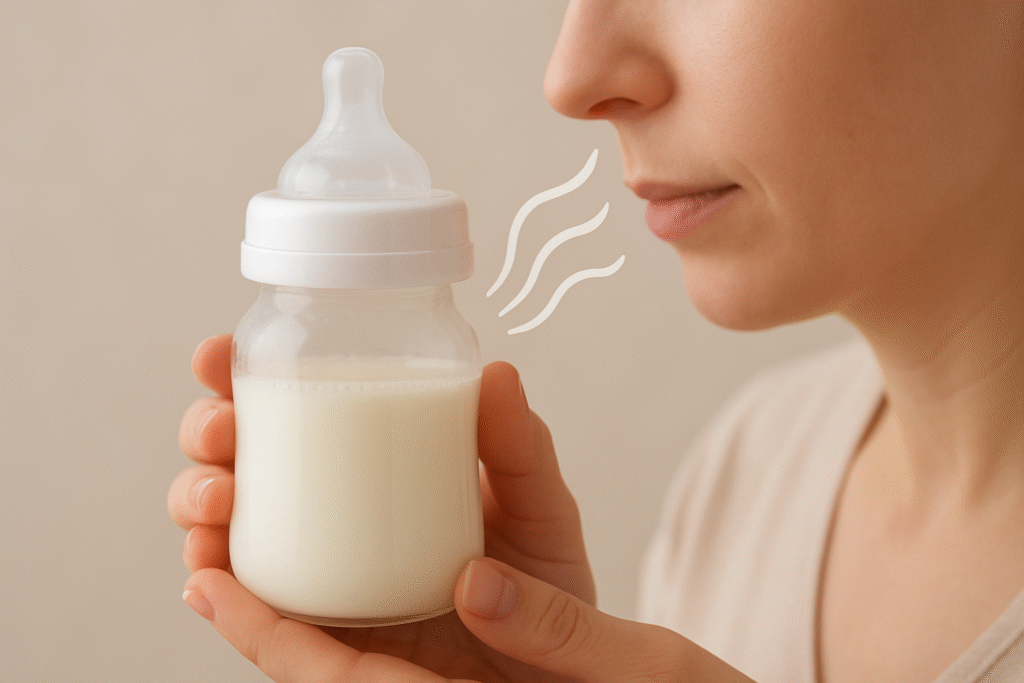
Understanding Why Breast Milk Can Smell Sour
If you’ve ever opened a milk storage bag and caught a whiff of something sour, you’re not alone. Many U.S. moms notice that sometimes their stored milk develops a slightly off or sour odor — and it’s not always a sign that it has gone bad.
This guide explains what causes sour-smelling breast milk, how to tell if it’s still safe for your baby, and what you can do to prevent spoilage in the future.
Common Reasons for Sour-Smelling Breast Milk
1. Natural Lipase Activity
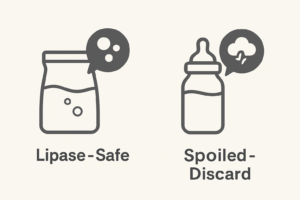
Lipase is an enzyme naturally present in breast milk that helps break down fats. Sometimes, lipase becomes overactive during storage, especially in refrigerated or frozen milk. This can cause the milk to develop a soapy or sour odor, even though it’s completely safe for your baby.
👉 For a detailed explanation on milk freshness, read our related post How to Tell If Frozen Breast Milk Is Bad.
2. Improper Storage Temperature
If milk isn’t kept cold enough (below 40°F / 4°C) or frozen at 0°F / –18°C, bacteria can multiply quickly — leading to spoilage and a true sour smell. Always store milk in the back of the fridge or freezer, not in the door where temperature fluctuates.
💡 See full storage details in Breast Milk Storage: Complete U.S. Mom’s Guide (2025 Edition).
3. Prolonged Storage Duration
Even perfectly expressed milk won’t last forever. After a certain period, proteins and fats begin to break down naturally, giving the milk a tangy scent. Follow CDC’s guideline:
- Room temperature: up to 4 hours
- Refrigerated: up to 4 days
- Frozen: up to 6–12 months (deep freezer)
4. Contamination from Pump or Storage Bags
If you smell something unusually sour or rotten, it might be due to residue or bacteria in your pump parts, bottles, or milk bags. Always sterilize pump flanges and replace any bag that smells plasticky or stale.
How to Tell If Sour-Smelling Milk Is Still Safe
- Do the Swirl Test: Gently swirl the milk — if it mixes smoothly and looks creamy, it’s probably just high in lipase. If it separates into watery layers with curdled chunks, it’s spoiled.
- Smell Carefully: Soapy or metallic smells = safe (lipase); sour, rancid, or rotten = discard.
- Visual Check: Look for yellowish clumps, mold, or discoloration — these indicate bacterial growth.
How to Fix or Prevent the Sour Smell
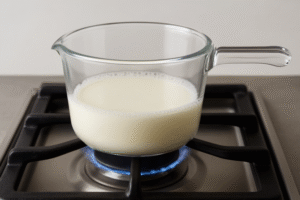
- Scald Milk Before Storage: Heat freshly expressed milk to 180°F (just before boiling) and cool it quickly before freezing. This deactivates lipase enzymes.
- Use Sterile Containers: Avoid reusing plastic bottles or bags more than once.
- Label & Rotate: Use the oldest milk first (“first in, first out”).
- Maintain Consistent Temperature: Store milk deep in the freezer where it stays solidly frozen.
💡 Immediate Action After Spoilage
If you suspect your milk has spoiled (sour smell, clumps), do not shake or reheat to check taste or odor. Discard it immediately. Taste-testing possibly contaminated milk may expose you or your baby to bacteria.
Expert Insight: Lipase vs. Spoilage
It’s easy to confuse lipase-affected milk with spoiled milk.
- Lipase smell: soapy or metallic, still safe.
- Spoiled smell: sour, rotten, or cheese-like, unsafe to use.
Some moms find lipase milk unappealing; if so, use it in baby cereal or mixed with freshly pumped milk to mask the taste.
👉 For more complete freezer storage instructions, visit the CDC’s Breast Milk Handling and Storage Guidelines.
Recommended Safety Note
If you’re ever unsure, follow the golden rule: When in doubt, throw it out. It’s better to discard one batch than risk your baby’s health.
Why Trust Fooder Ghor?
At Fooder Ghor, we provide educational resources focused on understanding the safe use, handling, and storage of different types of milk, including breast milk, cow’s milk, goat milk, and raw milk, based on publicly available guidance from trusted sources such as the CDC, FDA, USDA, and AAP. Some milk-related articles, particularly those involving maternal and infant feeding topics, are reviewed for clarity and presentation by nursing students with academic training in maternal and child health to help make information easier to understand. This content is provided for learning purposes only and does not offer medical advice.
FAQ: Sour-Smelling Breast Milk
Q1: Is sour-smelling milk always bad?
Not necessarily. If the smell is mild and soapy, it’s likely caused by lipase — still safe for feeding.
Q2: Can I fix the smell after storage?
No, but you can prevent it by scalding before freezing. Once lipase changes the flavor, it can’t be reversed.
Q3: Does sour milk harm my baby?
Yes, spoiled milk can cause stomach upset or vomiting. Always inspect before feeding.
Q4: How can I reduce the sour smell naturally?
Ensure consistent cold storage, sterilize equipment, and freeze milk promptly after pumping.
Conclusion
A sour smell in breast milk doesn’t always mean it’s unsafe — sometimes it’s just lipase doing its job. Understanding the difference between safe enzymatic changes and true spoilage keeps both your milk and your baby healthy.
Always store milk properly, trust your senses, and when unsure, discard safely.
👉 For more safety insights, explore our related guide on Can You Refrigerate Heated Breast Milk?.