 Skip to content


Many consumers across the United States face intense confusion when navigating the dairy aisle for health solutions. They often struggle to distinguish between a lactose intolerance, a gluten sensitivity, and a true dairy allergy. With the recent rise of alternative milk options, a specific type of cow milk has gained immense popularity. However, buyers frequently misunderstand what this beverage actually contains and who can safely consume it daily.
Understanding the precise differences between sugars and proteins in your food protects your household from digestive discomfort. In this comprehensive guide, we will clear up the major myths surrounding this popular kitchen staple. If you want to check the baseline nutritional properties of this milk type first, read our guide on a2 milk nutrition facts.
Quick Summary
Lactose Reality: This beverage is naturally not lactose free and contains standard amounts of milk sugar.
Braum Selection: A specific brand offers a dedicated lactose free reduced fat option for sensitive individuals.
Gluten Status: Naturally certified gluten free making it safe for individuals diagnosed with celiac disease.
True Dairy: Sourced entirely from real cows meaning it is never considered a plant based dairy free alternative.
Allergy Alert: Individuals with a diagnosed cow milk allergy will experience severe adverse immune responses.
Is A2 Milk Lactose Free?
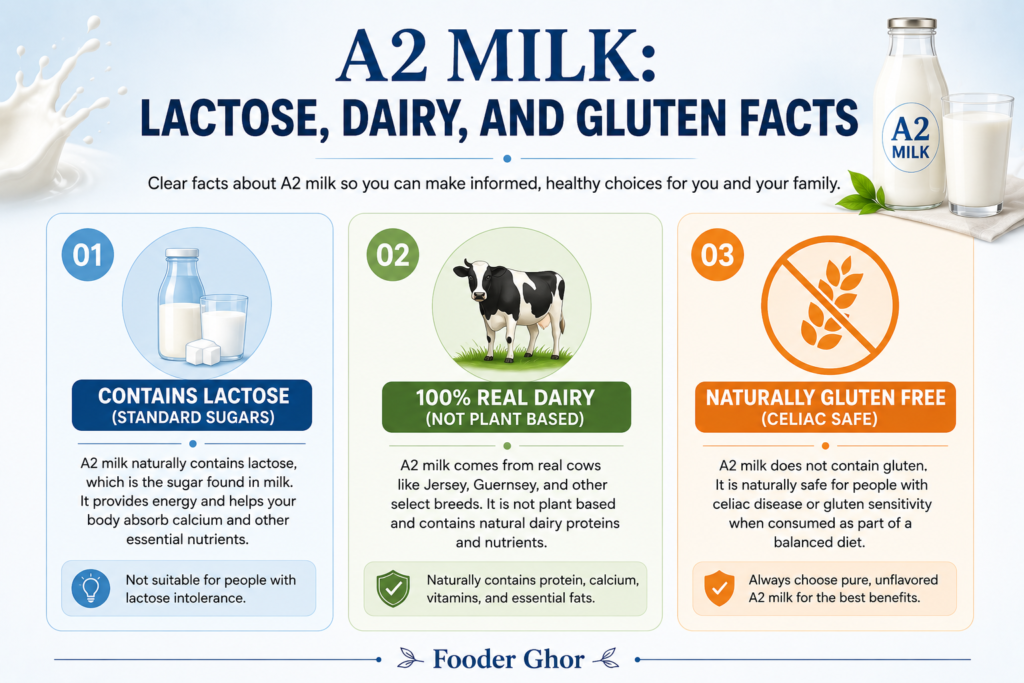
No, this beverage is naturally not lactose free because it contains the exact same amount of milk sugar as regular options. The unique processing and genetic selection of this drink target protein structures rather than carbohydrate configurations.
According to the official FAQs from a2 Milk USA, all standard A2 milk products contain the same amount of lactose as ordinary cow’s milk because A2 milk differs only in its beta-casein protein, not its natural milk sugar.
Why A2 Milk is NOT Lactose Free
A2 milk is not lactose-free because the A2 genetic variant changes only the beta-casein protein, not the naturally occurring lactose (milk sugar). When dairy cows produce this specific beverage, their bodies filter out the traditional A1 protein type entirely.
In everyday cooking, many people assume that a gentler digestive experience implies the total absence of milk sugars. That said, the carbohydrate makeup remains completely untouched during the natural milking and pasteurization phases. The liquid still holds the full volume of standard disaccharides that require specific enzymes for proper human breakdown. Many families use this because it prevents protein related gut irritation but it cannot bypass enzyme deficiencies.
Want to learn why many families still choose A2 milk despite its natural lactose content? Explore our complete A2 Milk Benefits guide to discover its digestive, nutritional, and everyday health advantages.
Is All A2 Milk Lactose Free?
No, you cannot assume that is all a2 milk lactose free when browsing standard supermarket brands in America. The vast majority of these commercial cartons sold today are traditional, full lactose dairy products.
If you have lactose intolerance, standard A2 milk may still cause digestive symptoms because it naturally contains lactose, just like conventional cow’s milk. Some manufacturers also produce lactose-free A2 milk by adding the lactase enzyme. These products are clearly labeled as “Lactose Free,” so consumers should always read the packaging carefully instead of assuming all A2 milk products are lactose-free. However, these specific cartons are explicitly labeled on the front packaging to prevent dangerous household purchasing mistakes. Buyers must always read the official product descriptions carefully instead of assuming all cartons are structurally identical.
According to the official a2 Milk USA FAQ, standard A2 milk contains the same amount of lactose as ordinary cow’s milk. Only products specifically labeled as lactose-free have the lactose broken down with the lactase enzyme.
If you’re unsure whether A2 milk is right for you, explore our A2 Milk Side Effects guide to understand possible digestive issues, precautions, and who should be cautious before drinking it regularly.
Does Braum’s A2 Milk Have a Lactose-Free Option?
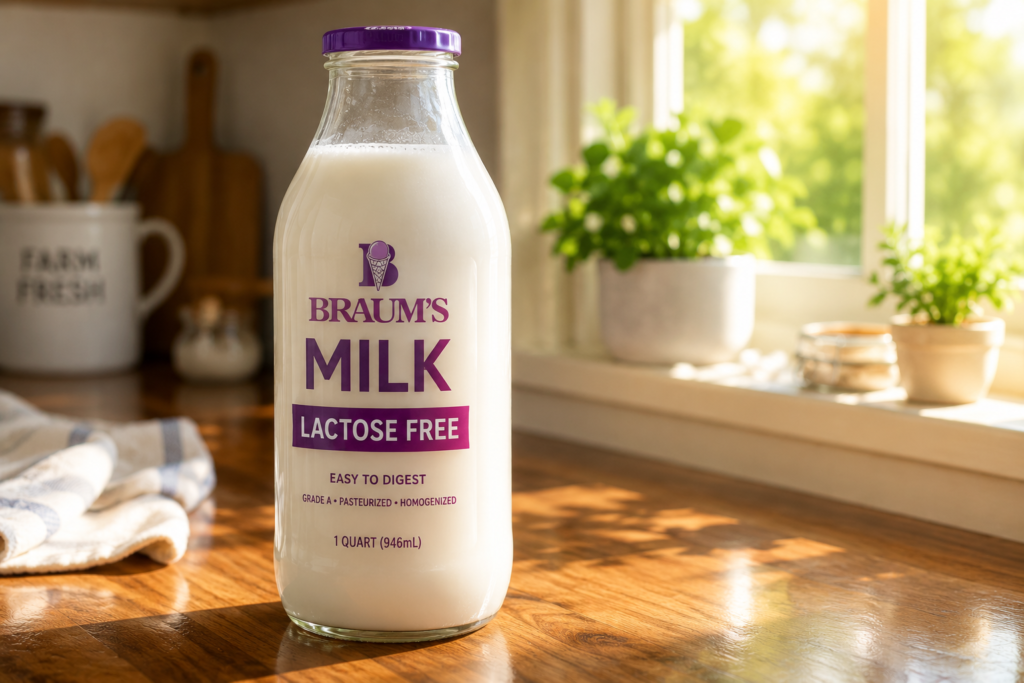
Yes, the popular regional chain offers a specialized solution to ensure that is braums a2 milk lactose free for buyers. They produce a distinct Lactose Free Reduced Fat (2%) A2 Milk for their customers.
This particular product lineup provides massive value for shoppers who suffer from both protein sensitivities and enzyme deficiencies simultaneously. The company utilizes their own dedicated herd of dairy cows to source the pure protein base liquid. After collection, lactase enzyme is added to break lactose into the simpler sugars glucose and galactose, making the milk easier for many people with lactose intolerance to digest. This careful processing ensures that sensitive consumers can enjoy the classic creamy texture without facing subsequent gastrointestinal distress.
To keep lactose-free A2 milk fresh after opening, explore our How to Store A2 Milk Safely guide for proper refrigeration, storage times, and everyday handling tips.
Is A2 Milk High in Lactose Compared to Regular Milk?
No, this beverage is not high in lactose because the sugar content is identical to standard supermarket varieties. A typical single cup serving contains roughly twelve grams of naturally occurring milk sugars.
| Milk Carbohydrate Comparison | Standard A1 Milk | Pure A2 Milk | Dietary Impact |
| Sugars Per Cup (12g) | Identical Level | Identical Level | Equal enzyme requirement |
| Protein Structuring | Contains A1 and A2 | Contains A2 Only | Affects gut inflammation |
| Total Carbohydrates | Standard Balance | Standard Balance | Fits regular diet tracking |
For most people, realizing that the sugar metrics are completely identical helps them structure their meal plans better. The primary difference between regular milk and A2 milk is the type of beta-casein protein they contain. Some people report improved digestive comfort with A2 milk, although both types contain similar amounts of lactose. It is a helpful, balanced choice for protein sensitive individuals but it requires careful portioning for sugar control.
According to nutrition information published by the USDA, both conventional cow’s milk and A2 milk naturally provide similar amounts of carbohydrates because the difference between them lies in the beta-casein protein, not the milk sug
To explore the foundational differences between standard protein types, see our comparison on a1 milk vs a2 milk.
Is A2 Milk Gluten Free? What Celiac Patients Need to Know
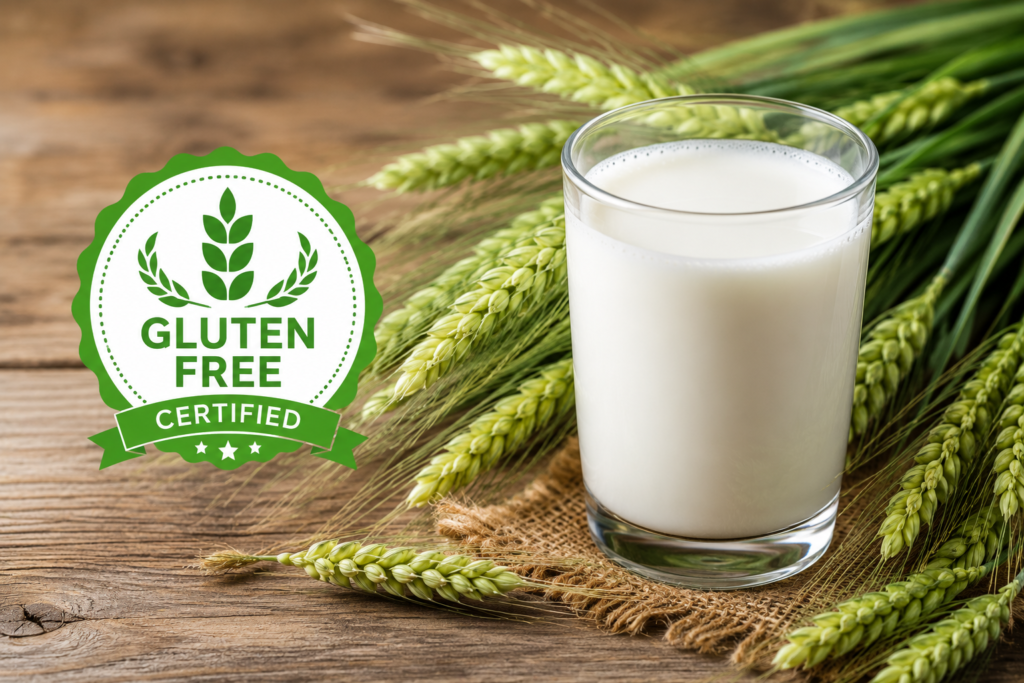
Yes, this beverage is naturally is a2 milk gluten free because animal dairy does not contain any grain proteins. Pure liquid extracted from healthy dairy cows is completely safe for individuals diagnosed with celiac disease.
For everyday cooking, utilizing this pure liquid provides a highly reliable option for families managing severe food sensitivities. Although plain A2 milk is naturally gluten-free, flavored or specialty dairy products may contain additional ingredients. People with celiac disease should always read the ingredient list and allergen information before purchasing. Additionally, flavored varieties like chocolate or strawberry options might contain thickening additives that introduce hidden gluten particles. Celiac patients must always check the official labels for certified gluten free markers before consumption.
To keep A2 milk fresh after opening, explore our A2 Milk Shelf Life guide for storage recommendations, refrigeration times, and signs that the milk has spoiled.
Is A2 Milk Dairy Free? (Understanding True Milk Allergies)
No, this beverage is absolutely not is a2 milk dairy free because it is authentic animal milk. It is never considered a plant based alternative like almond, coconut, or oat beverages.
A2 Milk vs. True Cow’s Milk Allergy (CMA)
A2 milk is not a suitable alternative for people with a true cow’s milk allergy (CMA). Although A2 milk contains only the A2 form of beta-casein, it is still dairy and contains other milk proteins, including whey and casein, that can trigger an allergic reaction in individuals with a diagnosed milk allergy.
Unlike lactose intolerance, which affects digestion, cow’s milk allergy is an immune system condition. When someone with CMA consumes milk proteins, their immune system mistakenly identifies them as harmful and can react with symptoms such as hives, swelling, vomiting, wheezing, or, in severe cases, life-threatening anaphylaxis.
The FDA recommends that people with a confirmed milk allergy avoid all foods and beverages containing milk proteins, regardless of whether they contain A1 or A2 beta-casein.
If you have a diagnosed cow’s milk allergy, always read ingredient labels carefully and consult your healthcare provider before choosing any dairy product, including A2 milk. For general storage parameters of regular fresh dairy variants, you can read our guide on how long does fresh cows milk last.
Why Trust Fooder Ghor?
At Fooder Ghor, we provide educational resources focused on understanding the safe use, handling, and storage of different types of milk, including breast milk, cow’s milk, goat milk, and raw milk, based on publicly available guidance from trusted sources such as the CDC, FDA, USDA, and AAP. Some milk-related articles, particularly those involving maternal and infant feeding topics, are reviewed for clarity and presentation by nursing students with academic training in maternal and child health to help make information easier to understand. This content is provided for learning purposes only and does not offer medical advice.
FAQs About A2 Milk, Lactose, and Gluten
No, it is not high in dairy because it is simply regular cow dairy with a slightly adjusted protein profile.
Yes, diabetics can drink it safely in moderate amounts as long as they track the natural milk sugars.
It generally reduces bloating for individuals sensitive to A1 proteins but will cause gas if you lack lactase.
No, you must never use plain animal dairy as a direct replacement for proper infant formula.
Conclusion
In simple terms, finding out the answer to is a2 milk lactose free reveals that this drink retains standard milk sugars. While it provides excellent digestive comfort by removing inflammatory A1 proteins, it remains real cow dairy containing full lactose. Expectant mothers, celiac patients, and fitness enthusiasts can integrate it safely if they remember its authentic dairy properties. Always check specialized brand labels like Braum to find modified versions that match your specific health needs. To learn how this specialty dairy product affects your natural skin health, read our detailed article on a2 milk benefits for skin.











